
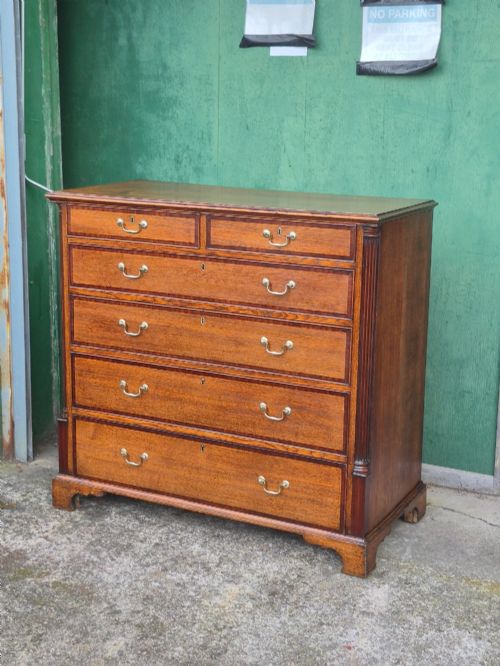
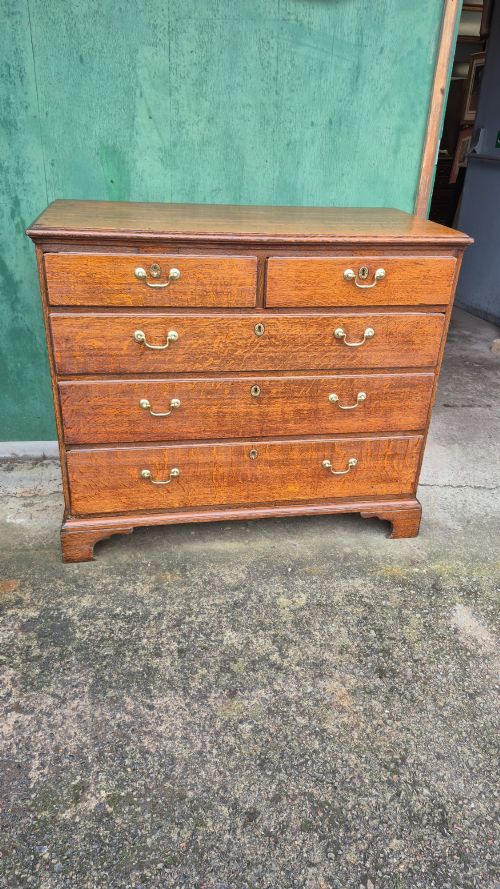
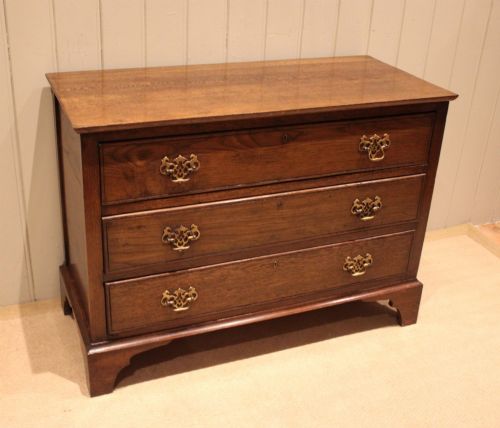
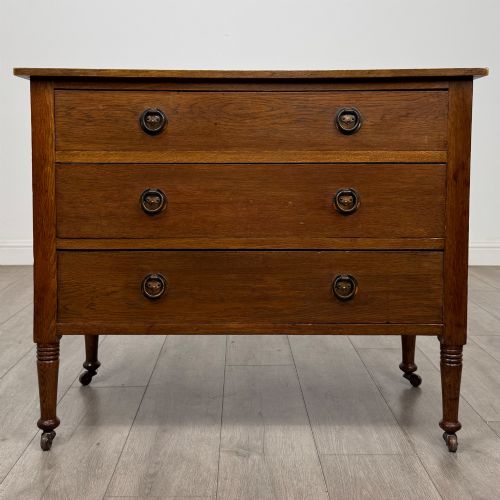

Three Drawer Oak Chest
A three drawer oak chest brings enduring utility and timber grain to a room, offering compact storage with substantial character.
Three Drawer Oak Chest
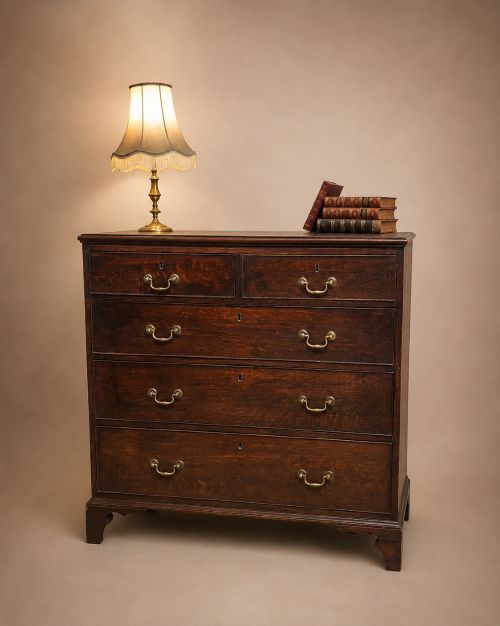
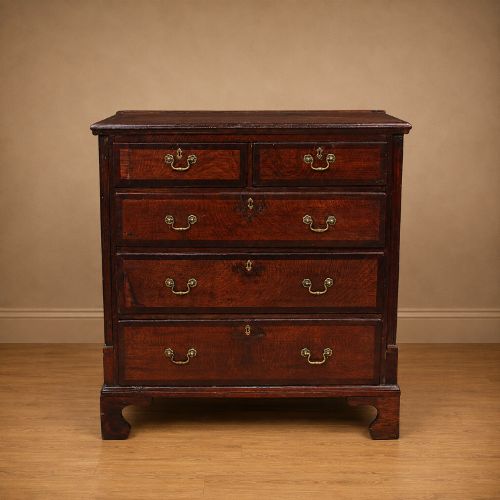
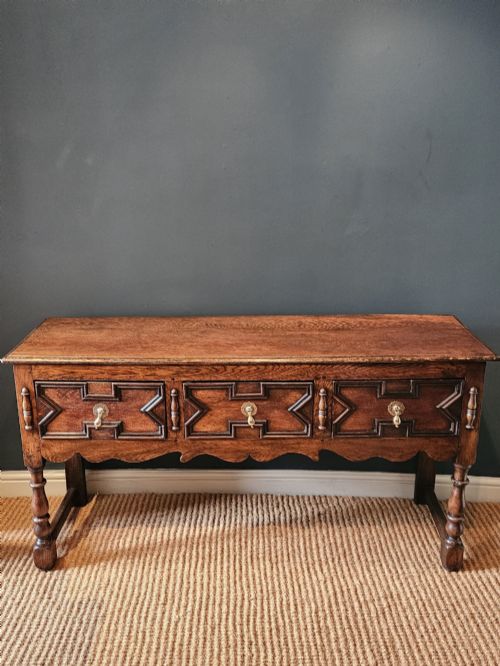
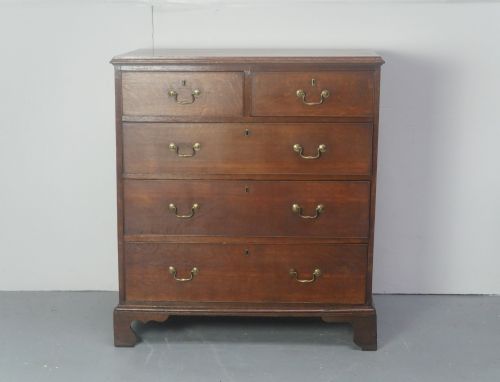
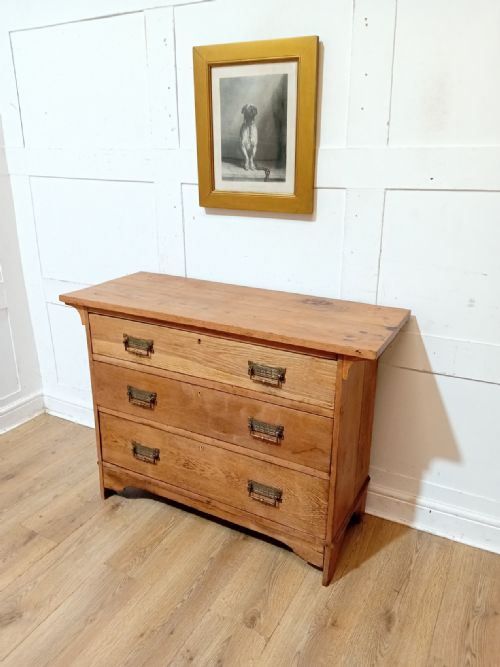
A three drawer oak chest provides compact bedroom or living space storage, appearing most frequently in Georgian and Edwardian forms across these listings.
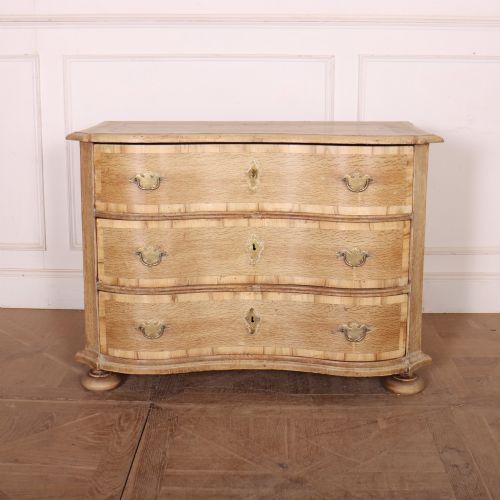
Makers shaped these pieces from solid timber, incorporating crossbanding in mahogany or walnut alongside simpler country styles.
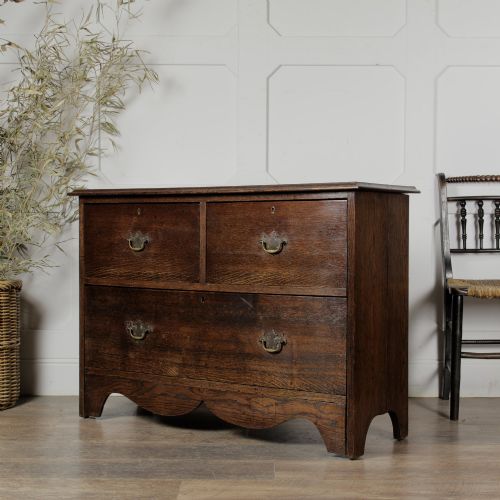
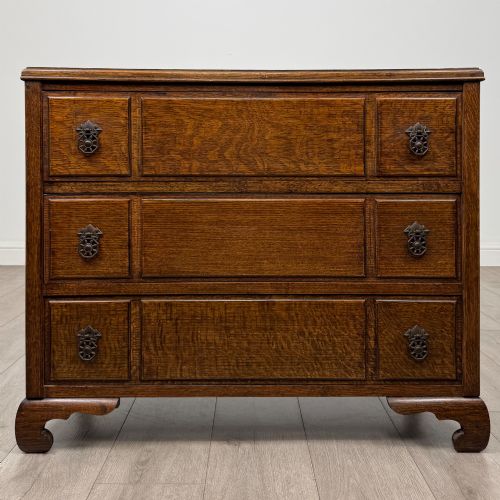
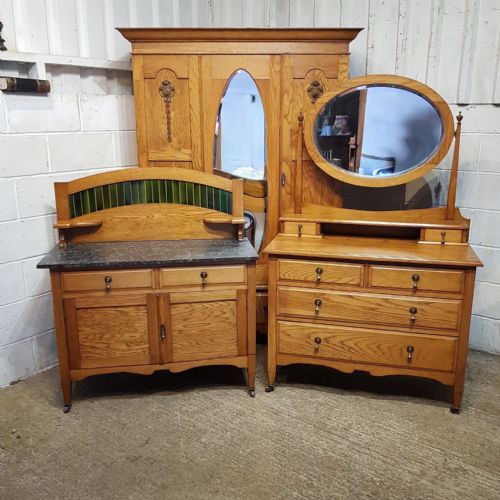
The inventory ranges from 18th-century country workshop pieces to early 20th-century arts and crafts iterations, reflecting shifts in domestic utility.
Materials and construction
Carpenters utilised solid oak for the primary carcase and drawer frames, frequently pairing it with secondary woods or contrasting veneers.
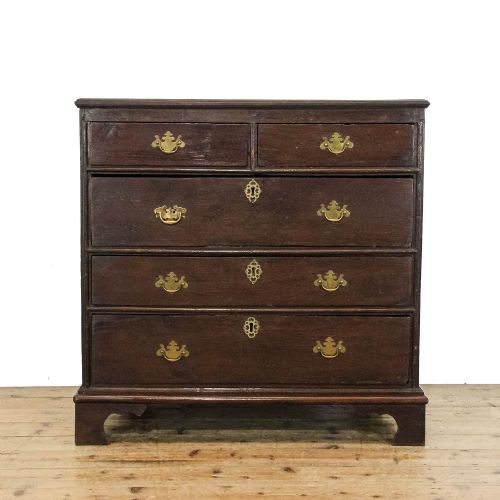
Brass handles and escutcheons punctuate the timber surfaces on formal examples, while simpler country pieces rely on turned wooden knobs.
Three Drawer Oak Chest Retail Price Guide 2026
Typical asking prices for three drawer oak chest among the pieces listed under this phrase on Sellingantiques today, from the lower quarter to the upper quarter. They describe what is for sale here now, not the wider market.
Widths for these chests range from compact bedside proportions up to generous country dresser scales.
Quality differences
Proportion and timber selection separate standard utilitarian furniture from pieces featuring figured grain and precise geometric moulding.
Hand-cut dovetails and well-fitted drawer linings indicate the skill of the original cabinet maker.
The Three Drawer Oak Chest Glossary
- Crossbanding
- A border strip of veneer laid perpendicular to the grain of the primary surface. This technique frames the drawer fronts on finer Georgian pieces.
- Bracket feet
- Small structural supports shaped like architectural brackets that lift the chest off the floor. They appear frequently on 18th-century examples.
- Dovetail
- A joint formed by interlocking wedge-shaped fingers. This method secures the corners of the drawers against daily pulling forces.
- Commode
- A European term for a chest of drawers or cabinet. French and Austrian examples often use this descriptor in the listings.
Three Drawer Oak Chest: Frequently Asked Questions
How do I date a three drawer oak chest?
Examine the construction methods of the drawers and the overall proportions of the carcase. Hand-cut dovetails and specific handle hardware typically point towards 18th-century or Georgian origins.
Later Edwardian and 1920s pieces display different interior framing and machine-finished timber surfaces. Comparing the wood tone and secondary timbers helps clarify the period of manufacture.
Where should I place a three drawer oak chest in my home?
These pieces suit bedrooms, hallways, or living rooms where floor space is limited yet storage remains necessary. The three-drawer configuration keeps the height manageable for use as a surface table.
Pairing the chest with appropriate lighting or mirrors creates a functional focal point. The natural timber tones complement both traditional and contemporary interior palettes.
Are these chests made entirely of solid oak?
Many examples utilise solid oak for the primary structure, drawer fronts, and top surfaces. However, listings also record secondary timbers inside the drawer linings and back panels.
Some pieces incorporate mahogany or walnut crossbanding for decorative contrast. Checking the specific material notes on individual listings reveals the exact timber composition.
What styles are available for this search?
The listings encompass Georgian, Edwardian, Arts and Crafts, and French provincial aesthetics. Each style brings distinct handle designs, leg supports, and moulding details to the basic form.
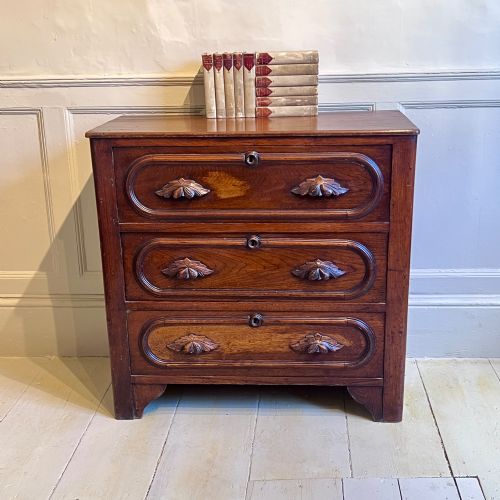
Country pieces show simpler lines, while Georgian and continental examples feature decorative veneers and carved accents. This variety reflects regional workshop traditions across different centuries.