


Thoroughbred Horse Artwork
Thoroughbred horse artwork captures the power and history of celebrated equine champions through traditional painted portraits.
Thoroughbred Horse Artwork
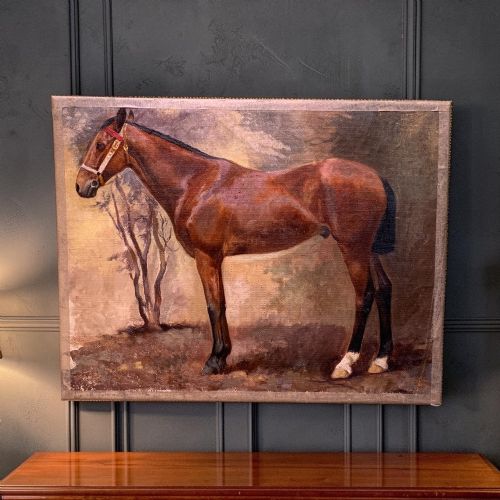
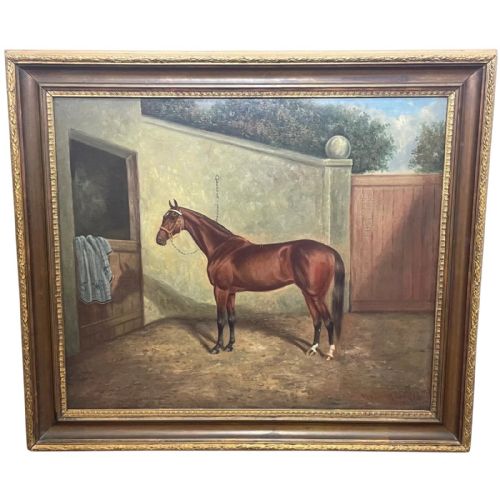
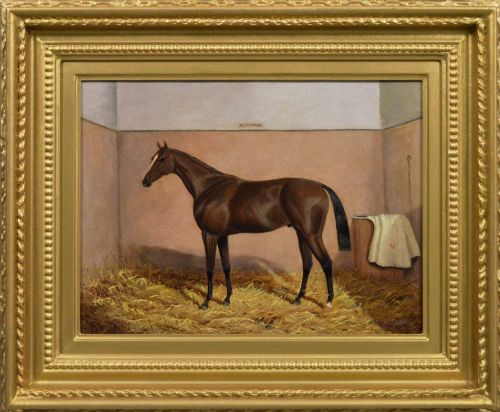
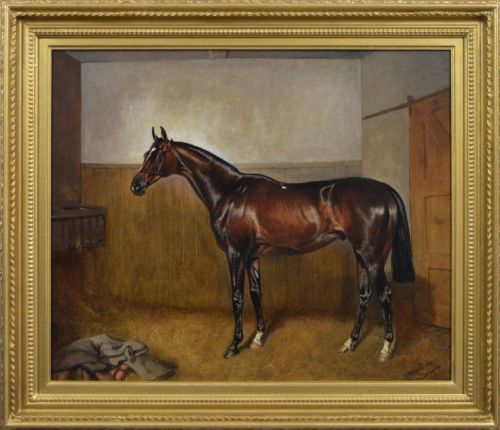
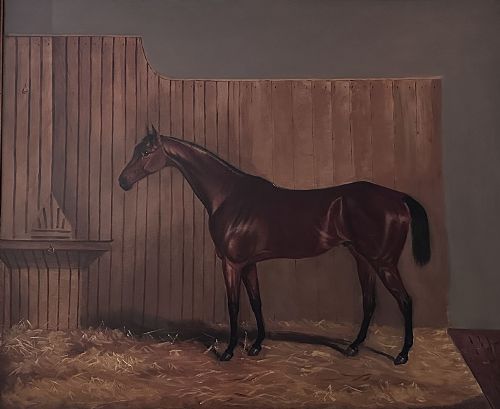
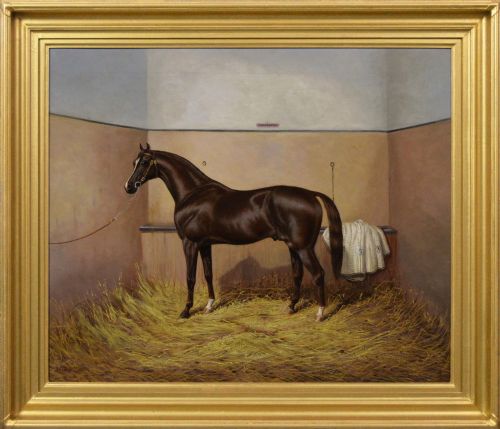
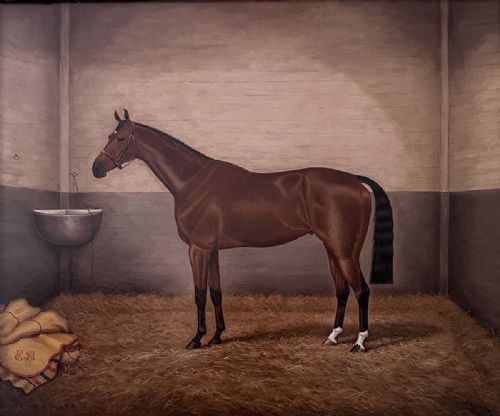
Thoroughbred horse artwork encompasses painted portraits of notable racehorses, often depicting famous equine winners alongside their jockeys. The pieces found here span the Victorian era into the early twentieth century, capturing the prominent racing subjects of British sporting culture.
You will most frequently encounter oil paintings on canvas depicting named champions such as Spion Kop, Flying Fox, and Persimmon. These works range from nineteenth-century compositions to pieces created in the nineteen-twenties and nineteen-thirties.
Many works record specific historical events, including victories at the Epsom Derby and Kempton Park, alongside regional races in Colombo. The compositions frequently document both the horse and the jockey in racing silks.
Materials and technique
These works are created using oil paint applied to canvas, often supported by wooden stretcher frames. Artists utilised rich oil pigments to capture the glossy musculature of the horses and the detailed patterns of the jockeys' colours.
Frames incorporate traditional materials such as giltwood and gold leaf, enhancing the visual weight of the paintings. The application of paint combines careful realism in the rendering of the animal with expressive handling of the surrounding turf and sky.
Several canvases immortalise horses with grand monikers like William The Conqueror and General Peace thundering across the turf.
Judging quality and execution
The distinction between works rests on the anatomical accuracy of the horse and the specific identification of the subject. Pieces that successfully render the precise musculature and individual expression of a celebrated racehorse stand apart from generic equestrian paintings.
The inclusion of a named jockey, historic owner, or documented race adds considerable context to the composition. Furthermore, the skill in handling the oil medium, particularly in the depiction of light on the coat and the intricate details of the racing silks, dictates the refinement of the piece.
Frederick Albert Clark·Albert Clark·John Alfred Wheeler·Samuel Spode·Alfred Wheeler·Frank Giggs
The Thoroughbred Horse Artwork Glossary
- Oil on Canvas
- A traditional painting technique where oil-based pigments are applied to a stretched woven fabric support. This combination allows for rich blending and deep colour saturation.
- Giltwood
- Wood that has been treated with a thin layer of gold leaf or metallic gilt. It provides an ornate, reflective border typical of period framing.
- Victorian Sporting Art
- A genre of painting from the nineteenth century dedicated to depicting sports, horses, and rural pursuits. These works often record specific animals and racing events of the era.
- Jockey Up
- A phrase used in racing contexts to indicate that the rider is mounted on the horse. In painting titles, it highlights the inclusion of the rider alongside the animal.
Thoroughbred Horse Artwork: Frequently Asked Questions
What subjects appear in these paintings?
The works primarily depict named thoroughbred racehorses, frequently accompanied by their jockeys and trainers. Many pieces commemorate specific winners of major events like the Epsom Derby.
Subjects also include royal thoroughbreds and horses associated with notable owners and historic regional races.
How do I date an oil painting?
Dating relies on recorded artist signatures, exhibition labels, and stylistic markers within the clothing of the jockeys and the construction of the canvas frame. Nineteenth-century works often exhibit distinct Victorian sporting art conventions.
Subject details, such as the specific race name or the dates active for the named horse and jockey, provide a reliable chronological anchor.
How should I display these canvases?
These oil paintings require stable indoor environments away from direct sunlight and excessive humidity to protect the canvas and oil pigments. Proper wall placement preserves the integrity of the material.
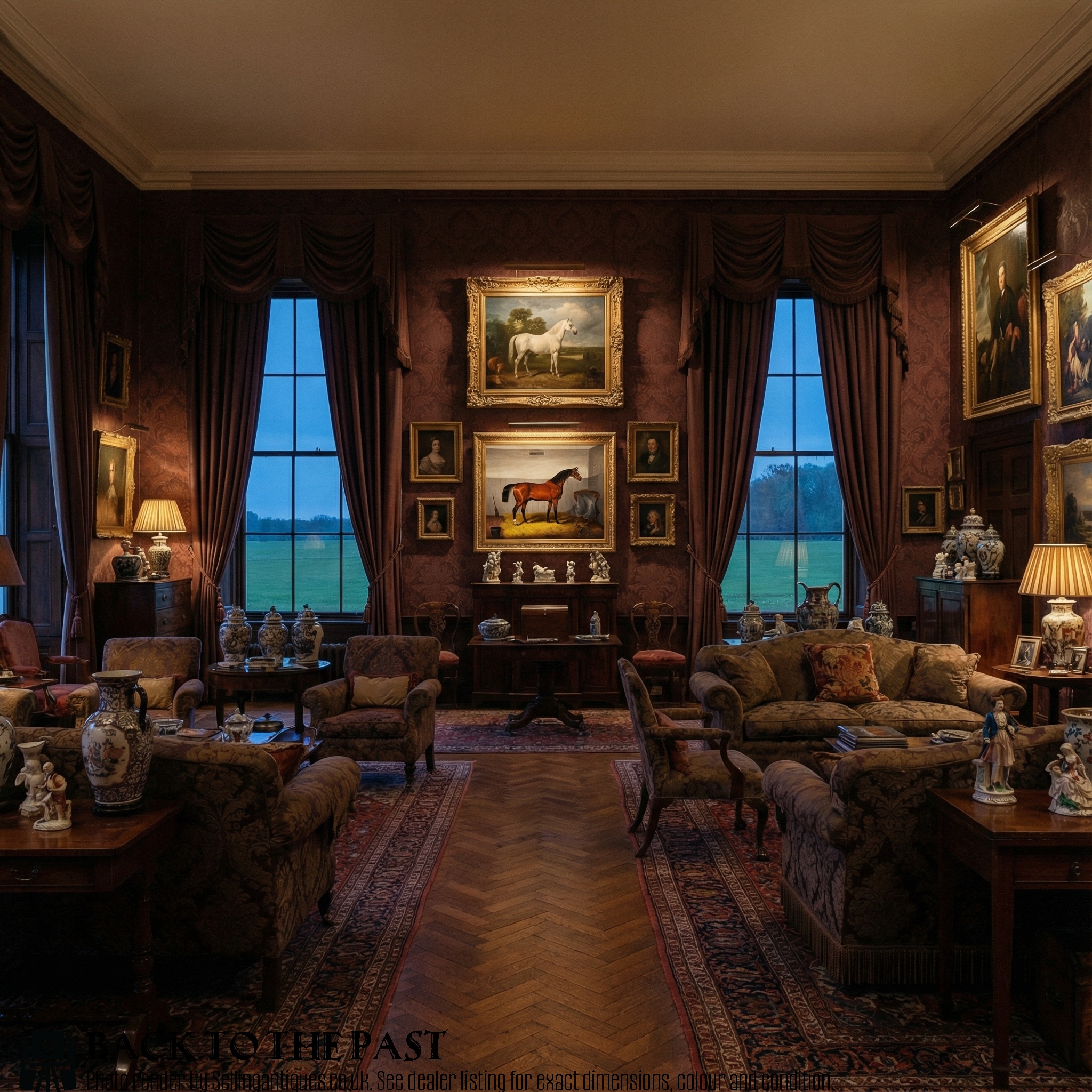
Pairing the artwork with a complementary period frame enhances its visual presence in a traditional or contemporary room.
What is Victorian sporting art?
Victorian sporting art is a nineteenth-century genre focused on equestrian subjects, racing, and field sports. Artists working in this tradition aimed for accurate portraits of prized animals.
These paintings served to document the achievements of champion racehorses and the prominent figures of the British racing world.