

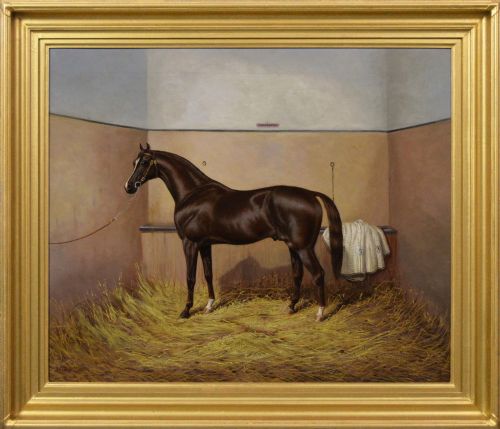

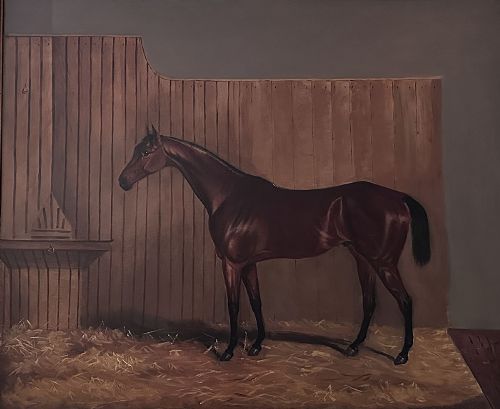


Antique Racehorse Portrait
An antique racehorse portrait captures the muscle and pedigree of celebrated thoroughbreds, offering a direct link to the historic turf.
Antique Racehorse Portrait
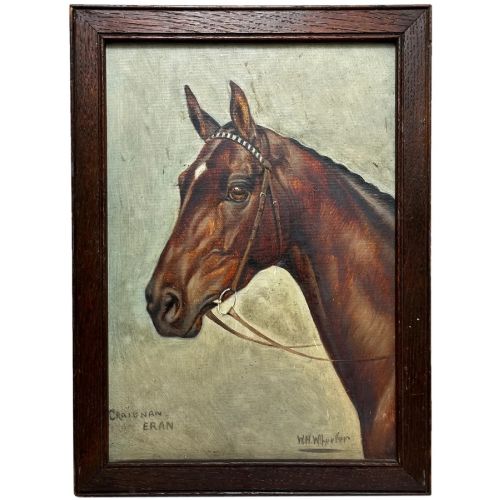
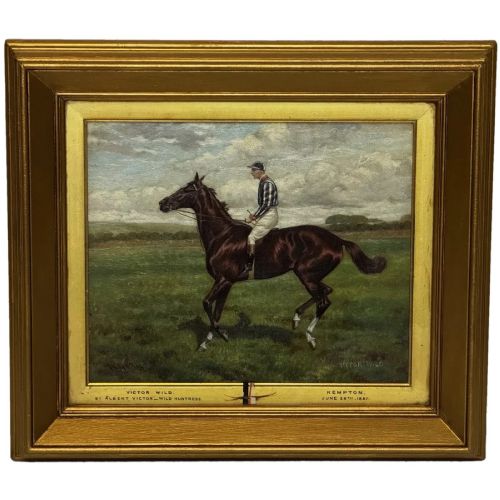
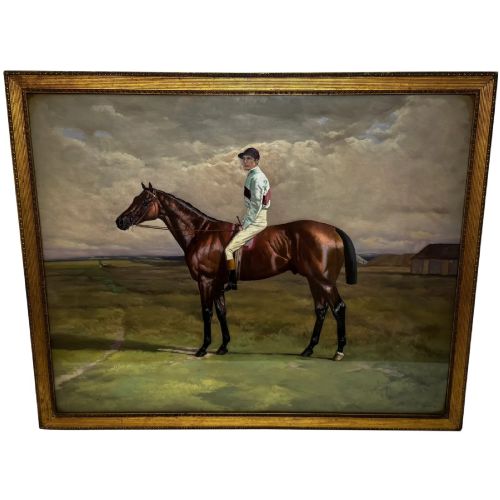
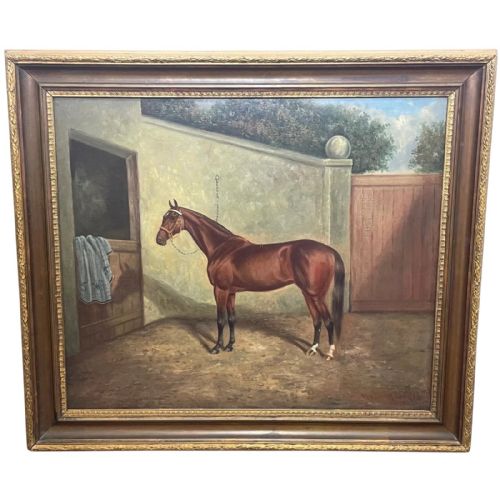
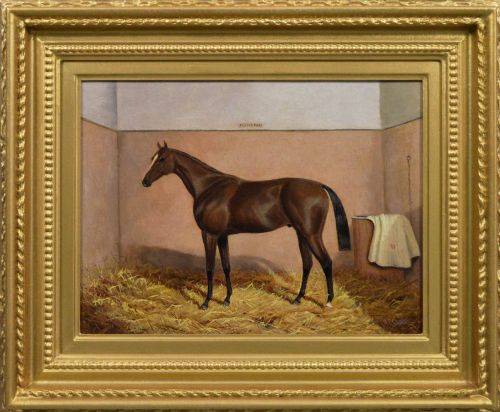
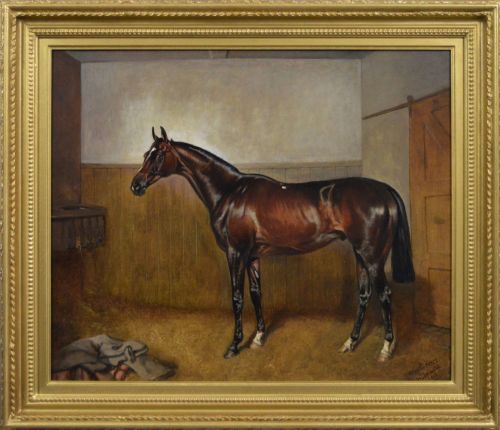
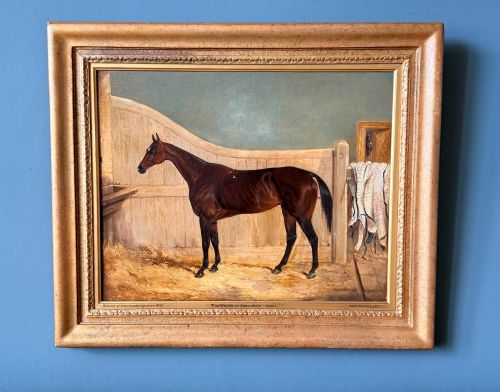
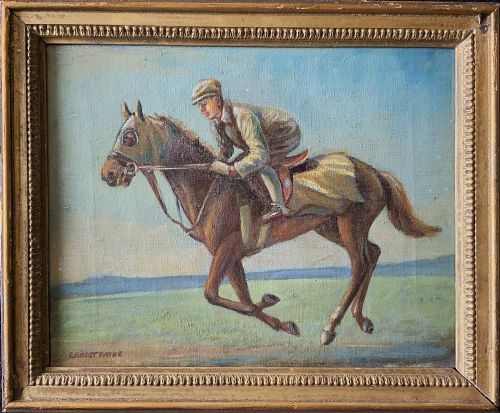
An antique racehorse portrait depicts named champions, classic winners, and famous runners from the nineteenth and early twentieth centuries. These works record legendary horses alongside their jockeys, often noting historic victories at courses such as Epsom, Newmarket, and Kempton Park. Buyers seeking these pieces encounter framed oil paintings on canvas alongside period prints and photographic sets.
The material record spans the Victorian and Edwardian eras, reaching into the nineteen-thirties with works in oil and framed prints. Many compositions celebrate specific historical triumphs, identifying both the animal and the rider in the title or inscription. Such works anchor equestrian sporting art within a clear chronological tradition stretching from the mid-nineteenth century onward.
Materials and construction
Paintings of this period rely upon oil paint applied to canvas, often mounted within original wooden and giltwood frames. Artists utilised layered oils to render the sheen of a bay coat, equine musculature, and the distinct silk colours worn by the jockey. Glass frequently protects delicate paper prints and eglomise reproductions.
Framing forms an integral part of the piece, with period frames utilising moulded wood and gilt finishes that complement the sporting subject. The combination of canvas, oil pigment, and traditional timber framing defines the physical structure of these works.
Antique Racehorse Portrait Retail Price Guide 2026
Typical asking prices for racehorse portrait among the pieces listed under this phrase on Sellingantiques today, from the lower quarter to the upper quarter. They describe what is for sale here now, not the wider market.
Listings feature oil on canvas, wood, glass, and paper across Victorian and Edwardian periods.
Assessing quality and execution
Quality rests upon the artist's ability to capture accurate equine anatomy and the likeness of a named winner rather than a generic animal form. Superior works demonstrate precise handling of light on the horse's coat and convincing proportions in both horse and jockey.
The significance of the subject also shapes the piece, as portraits recording documented Derby winners or royal thoroughbreds carry greater historical weight. Furthermore, the survival of the original giltwood frame and clear contemporary inscriptions add to the integrity of the object.
Frederick Albert Clark·Albert Clark·Ernest Payne·John Alfred Wheeler·Thomas Walker Bretland·Abraham Cooper·Samuel Spode·Alfred Wheeler·Isaac Cullin·Walter Herbert Wheeler
The Antique Racehorse Portrait Glossary
- Eglomise
- A technique involving cold painting and gilding on the rear of glass to produce a reflective image. This method creates a distinct finished surface seen in period reproductions.
- Giltwood
- Wood that has been treated with a thin layer of gold leaf or gilt finish. Frames utilising this material frame nineteenth-century canvases.
- Sporting art
- A genre of painting and illustration dedicated to equestrian subjects, racing, and field sports. Works in this category record specific racehorses and their achievements.
- Thoroughbred
- A horse breed developed for racing, tracing back to seventeenth and eighteenth-century stock. Portraits frequently name these celebrated animals and their historic race victories.
Antique Racehorse Portrait: Frequently Asked Questions
What periods do these paintings come from?
These works originate primarily from the nineteenth century, the Victorian and Edwardian eras, and into the nineteen-thirties.
Most examples date between eighteen-forty and nineteen-thirty, reflecting the peak of British sporting art production.
How were these portraits used originally?
Owners, trainers, and patrons commissioned these portraits to celebrate important race victories and champion thoroughbreds.
They were displayed in country houses, estate offices, and racing stables to record notable turf achievements.
How do I identify the horse in the painting?
Many works include contemporary inscriptions on the canvas or frame detailing the horse's name, the race won, and the year.
Details such as the jockey's silk colours also help cross-reference historic racing records.
How should I display an oil painting at home?
Hang the piece away from direct sunlight and fluctuating heat sources to protect the canvas and oil pigments.
Ensure the wall can support the weight of the timber and giltwood frame.