

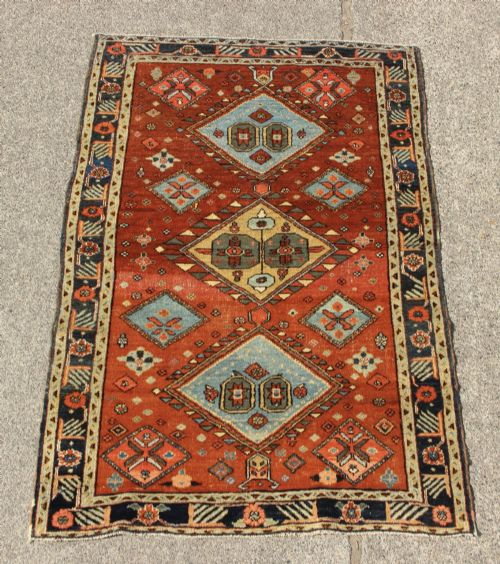
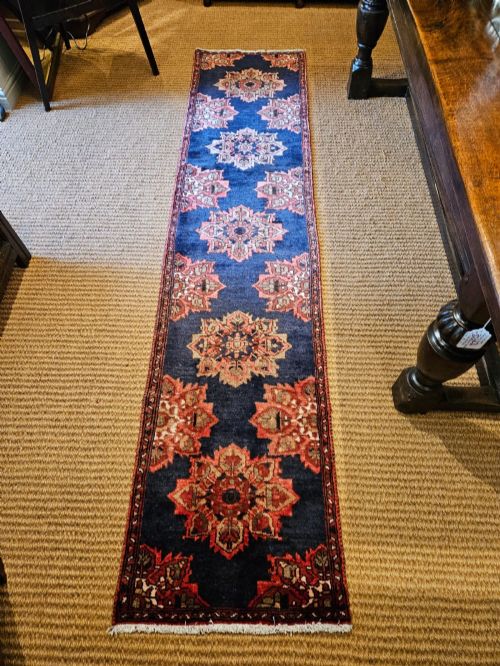
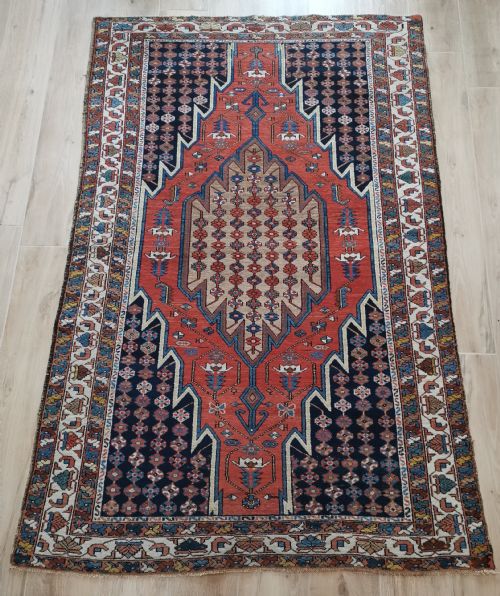
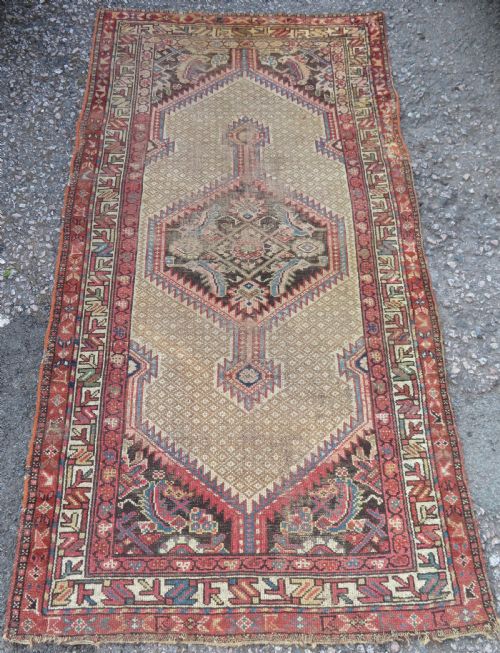

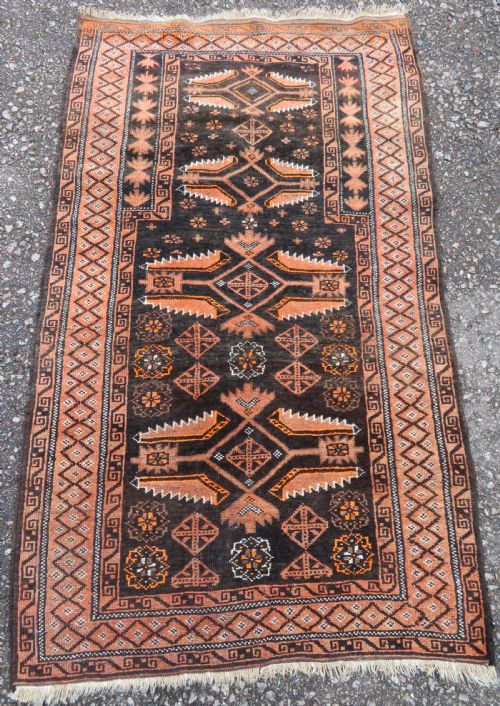
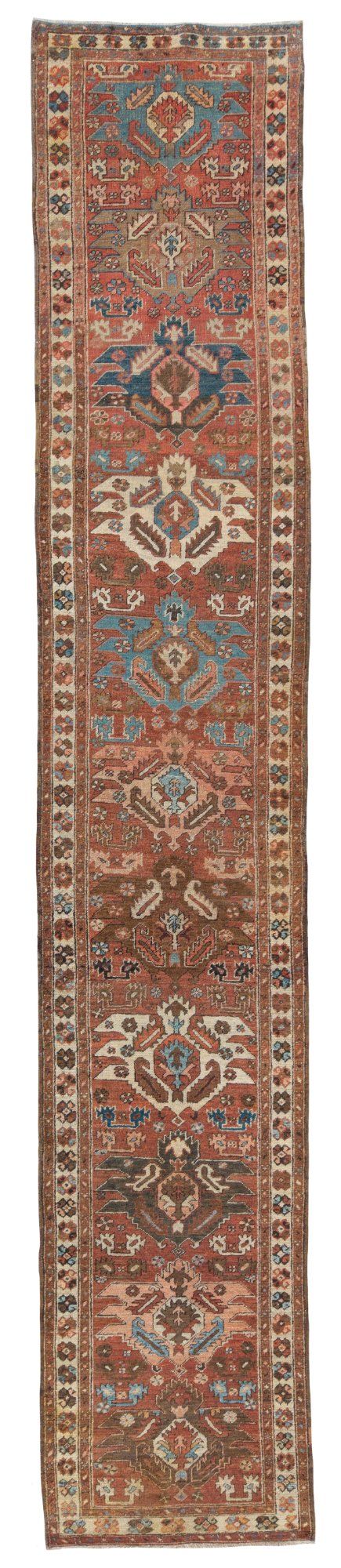
Terracotta Wool Tribal Runner
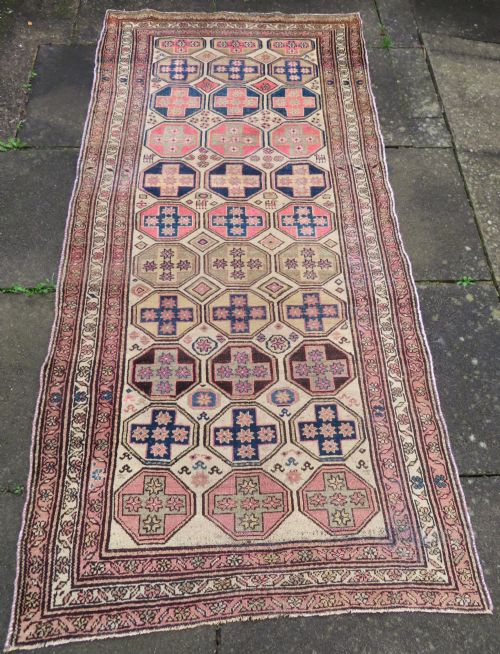
A terracotta wool tribal runner delivers warmth and geometric discipline to a long hallway, woven by village hands to endure decades of heavy footfall.
Terracotta Wool Tribal Runner
A terracotta wool tribal runner combines rich earthy red tones with elongated formats designed specifically for corridors, staircases and narrow rooms. These textiles emerge from village and nomadic traditions across Persia, the Caucasus and Anatolia, carrying designs passed down through generations rather than drawn by urban workshops.
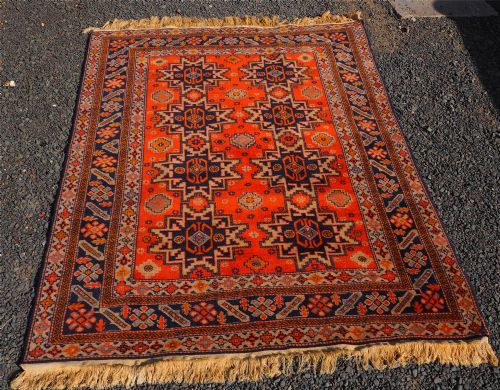
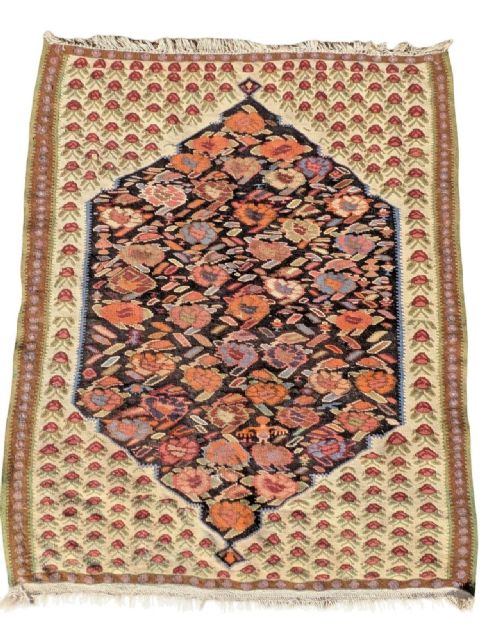
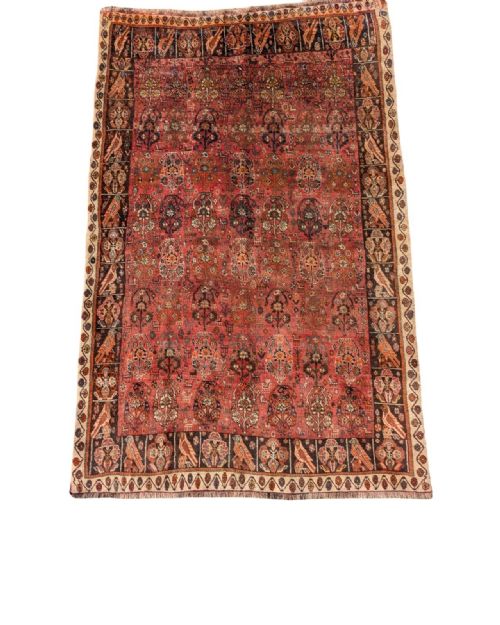
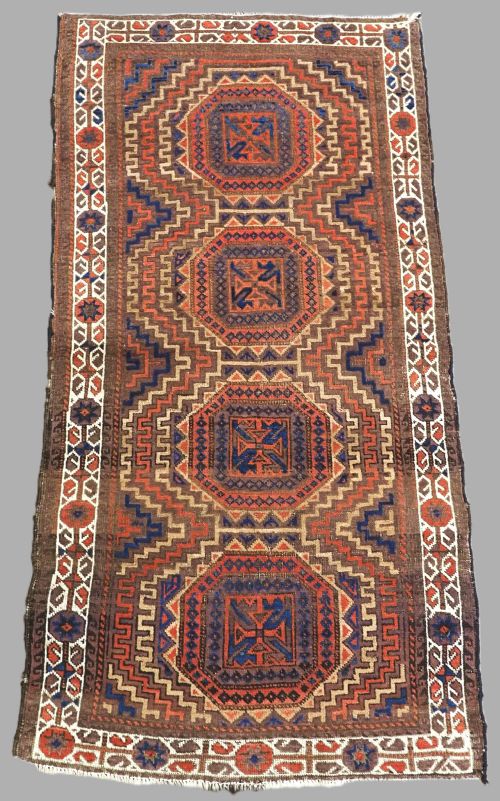
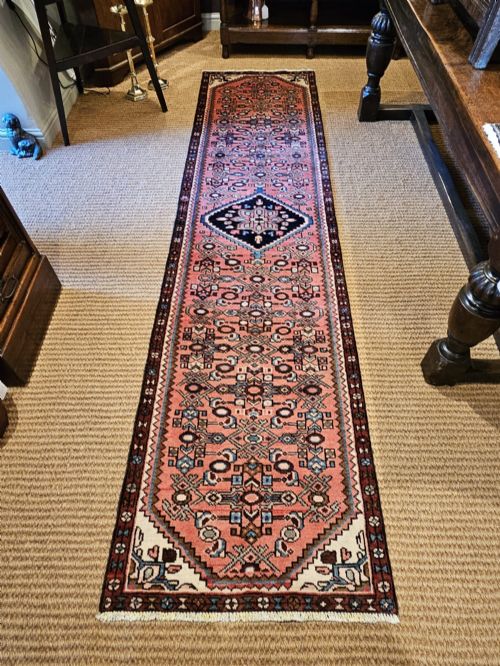
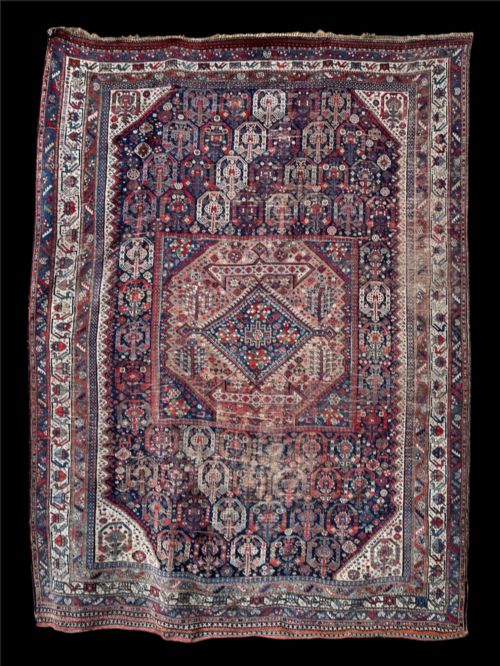
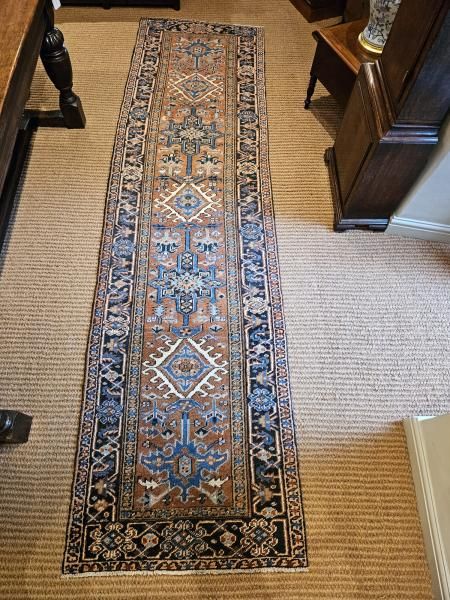
The selections span from the late nineteenth century through the early twentieth century, encompassing pieces from Kurdish, Heriz, Bakshaish, and Afghan makers. Buyers frequently encounter formats featuring geometric medallions, repeating guls, or all-over boteh patterns in distinct terracotta and madder red hues.
Regional weaving groups each brought distinct structural habits to their runners, creating varied border arrangements and field symmetries. Examining the format reveals whether a piece served as a corridor floor covering or a tent doorway hanging.
Materials and construction methods
Makers utilised hand-spun wool for the pile and foundation yarns, providing the resilience required for domestic utility. Natural dyes yielded the characteristic terracotta, rust and indigo shades that mellow gracefully over decades of exposure to light and wear.
Weavers knotted the wool pile onto cotton or wool warp and weft foundations by hand, securing the structure with sturdy selvages along the sides. The density of the knotting determined the crispness of the geometric motifs and the overall flexibility of the runner.
The listings span foundation materials of wool and cotton, incorporating natural dyes and hand-spun wool across nineteenth and early twentieth century periods.
Assessing quality in antique runners
The integrity of the wool and the depth of the natural dyes dictate the visual strength of a runner. Superior examples display subtle variations in tone, known as abrash, which arise from different dye batches rather than mechanical uniformity.
Structural preservation separates robust survivors from fragile pieces, with intact original selvages and minimal pile loss indicating careful historic placement. The precision of the tribal geometry reflects the weaver's control over the hand-knotted structure.
Kurdish Tribal·Persian Heriz·Caucasian Tribal·Ersari Turkmen
The Terracotta Wool Tribal Runner Glossary
- Gul
- A medallion motif repeated across Turkmen and Baluch carpets. These octagonal or polygonal designs often identify the specific tribal group of the maker.
- Boteh
- A stylised floral or almond-shaped motif representing a-seed, sprout or pine cone. It appears frequently in repeating rows across Persian field designs.
- Abrash
- A natural variation in colour tone caused by hand-dyed wool lots used during weaving. This tonal shift creates subtle horizontal bands of shading.
- Warp
- The vertical foundation threads stretched lengthwise on the loom before knotting begins. The exposed fringe at either end of the runner consists of these parallel yarns.
- Weft
- The horizontal threads passed back and forth across the warp threads after each row of knots. This binds the structure together tightly.
Terracotta Wool Tribal Runner: Frequently Asked Questions
How do I clean an antique wool runner?
Gentle surface vacuuming without the rotating brush active removes grit safely. Professional specialist cleaning remains essential for deep restoration.
Water saturation must be avoided to prevent dye bleeding across the hand-spun wool pile. Specialist textile conservators possess the appropriate techniques for historic rugs.
Can I place these runners in heavy traffic areas?
Hand-spun wool construction provides high durability for corridors and staircases. The dense pile absorbs friction effectively.
Underlay placement prevents slipping and reduces fibre wear against hard wooden floors. Regular repositioning ensures even exposure to light and footsteps.
How do I distinguish regional tribal designs?
Geometric medallion structures often indicate North-West Persian or Caucasian origin. Bold guls point directly towards Turkmen or Afghan weaving traditions.
Border complexity and palette choices further clarify the specific district. Natural madder red dyes dominate early nineteenth and twentieth century village pieces.
What causes colour variations within the pile?
Hand-dyeing wool in small batches produced natural tonal shifts across the textile. These gradual colour changes form the characteristic abrash effect.
Sunlight exposure over decades also contributes to gentle fading of indigo and madder tones. Such variations confirm the use of traditional organic dyestuffs.