




Wool Flatweave Runner
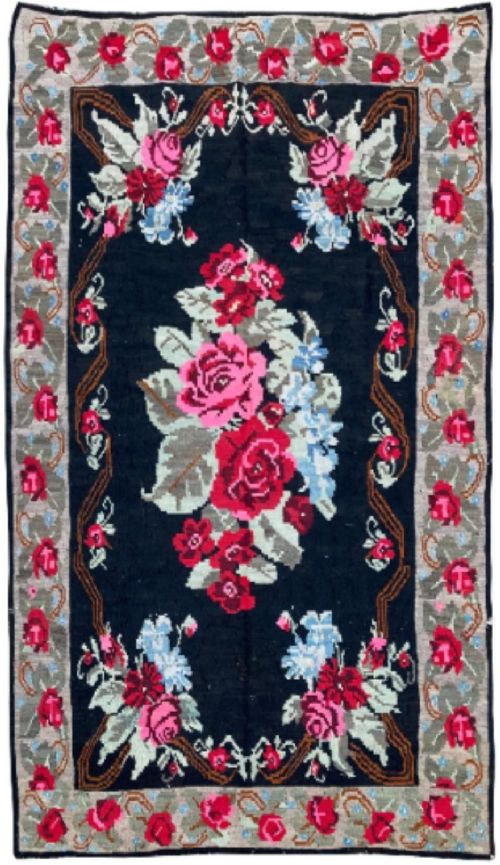
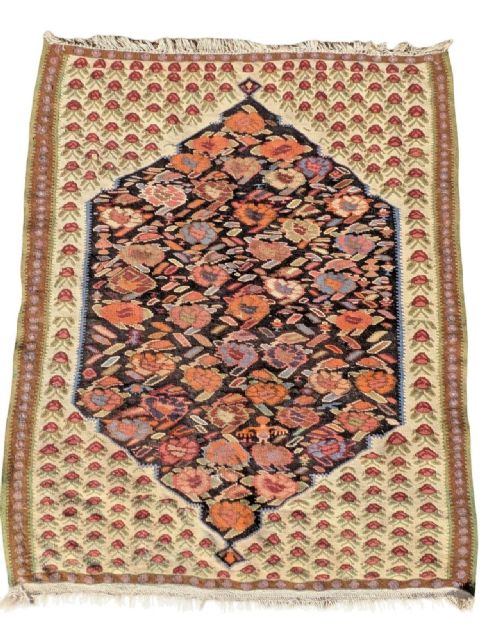
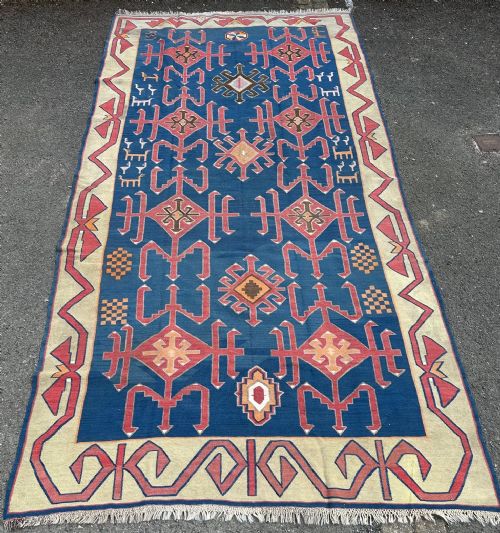
When choosing a wool flatweave runner, you select a textile shaped by tribal traditions across Anatolia, the Caucasus, and Central Asia.
Wool Flatweave Runner
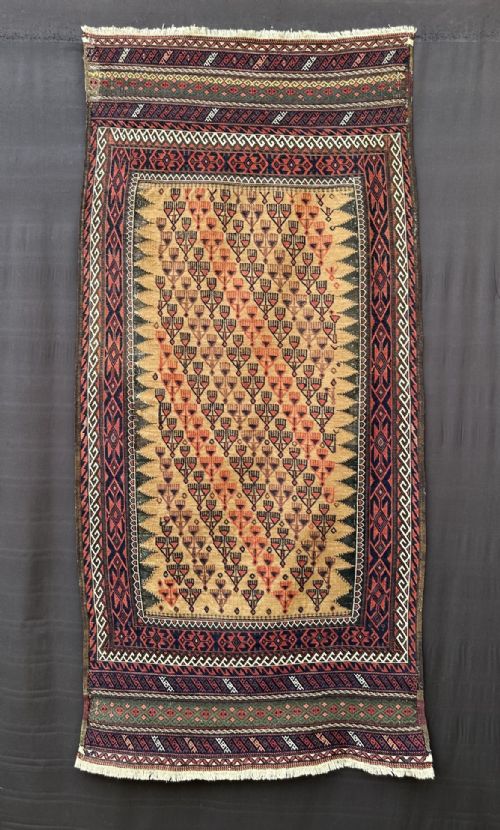
A wool flatweave runner provides a narrow, elongated textile format originally produced by tribal and nomadic groups for domestic interiors and functional floor coverings. These pieces span production dates from the nineteenth century through the early twentieth century, incorporating region-specific weaving traditions from Persian, Turkish, Caucasian, and Central Asian makers.
The selection on this page centres on flat-woven structures without pile, including kilims, sofres, and narrow formats designed for corridors and halls. Common regional identities include Qashqai, Baluch, Uzbek, Shirvan, and Turkish tribal workshops, each displaying distinct geometric or banded layouts.
Buyers encounter formats ranging from compact hallway lengths to room-size runners and multi-strip panels joined together. These textiles derive their character from indigenous regional motifs, natural dyes, and traditional village looms.
How they were made
Weavers constructed these runners using wool, hand-spun wool, camel wool, and cotton foundations, employing interlocking tapestry weave techniques to build crisp geometric patterns without a piled surface. Artisans utilised natural dyes to achieve rich colour palettes that mellowed gracefully over decades of exposure and use.
Many longer formats and panels were woven in separate strips and subsequently joined by hand to attain the desired width and length for domestic settings. Nomad and village workshops relied on upright or horizontal ground looms, utilising local materials harvested from sheep and camel herds.
The inventory includes examples originating from Caucasian, Anatolian, Persian tribal, and Central Asian weaving traditions.
What varies in quality
Quality in these textiles depends upon the tightness of the weave, the precision of the geometric alignment, and the depth of the natural dyestuffs used by the maker. Finer weaves display greater structural integrity and more intricate handling of traditional tribal motifs across the field.
The choice of materials also influences the piece, with hand-spun wool and camel wool offering distinct tactile weight and surface texture compared to standard commercial yarns. Well-preserved structural joins on multi-part panels contribute to the overall durability and historical integrity of the runner.
The Wool Flatweave Runner Glossary
- Kilim
- A flat-woven carpet or runner produced without pile across Anatolia, the Caucasus, Persia, and Central Asia. This technique creates a smooth, reversible textile with sharp geometric designs.
- Sofre
- A flat-woven spread or cloth traditionally used for dining, kneading bread, or serving meals within nomadic and village households. These pieces often feature specific banded or field compositions.
- Tapestry weave
- A structural method where the coloured weft threads are beaten down tightly over the warp threads to completely obscure them. This technique forms the foundation of flatweave design patterns.
- Warp
- The vertical foundation threads stretched lengthwise on a loom before weaving begins. The weft threads pass over and under these structural elements.
- Weft
- The horizontal threads passed through the warp to create the colour and pattern of the textile. In flatweaves, these threads form both the structure and the visible design.
Wool Flatweave Runner: Frequently Asked Questions
Where were these runners made?
These runners originate from diverse tribal and village regions, including Persia, Anatolia, the Caucasus, and Central Asia. Nomadic groups and local workshops produced them for domestic utility and structural floor coverings.
Specific areas represented include Shirvan, Daghestan, Khorassan, and the Fars province, each contributing distinct aesthetic traditions and weaving methods to the finished textile.
How do I care for a flatweave?
Maintenance requires regular gentle vacuuming without a rotating brush bar to prevent snagging the flat-woven structure. Professional cleaning tailored for antique wool textiles ensures the longevity of natural dyes.
Positioning a suitable underlay beneath the runner prevents slipping and reduces friction between the wool and the floor surface during daily use.
What is the difference between a kilim and a pile rug?
A kilim is constructed entirely through flat-weaving techniques without knotting vertical pile threads onto the foundation. This results in a lighter, thinner textile with a smooth surface on both sides.
Pile rugs feature knotted tufts of wool that stand upright from the foundation, creating a plush surface texture rather than the flat profile characteristic of these runners.
How can I tell the age of a piece?
Dating relies on material analysis, including the identification of hand-spun wool, natural dye palettes, and traditional tribal construction methods. Structural characteristics and regional design markers also provide evidence for nineteenth and early twentieth-century production.
Wear patterns, edge finishes, and the presence of natural colour variation further assist in placing the textile within its historical period.