

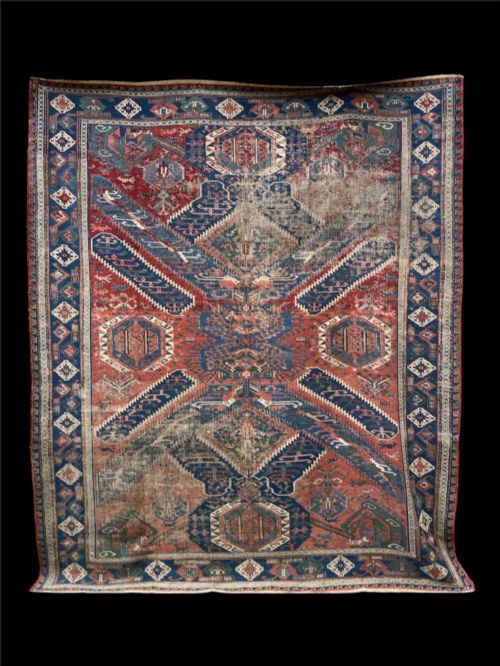


Terracotta Tribal Kilim Rug
When choosing a terracotta tribal kilim rug, you are selecting a flatweave textile born from nomadic traditions across the Caucasus, Anatolia, and Central Asia.
Terracotta Tribal Kilim Rug
A terracotta tribal kilim rug brings graphic geometric motifs and rich earthy warmth into a modern room through flatwoven construction rather than a piled surface. You encounter these flatweaves in various formats, ranging from full room-size carpets and long runners down to storage bags, cushions, and smaller panels.
The pieces listed here originate from diverse tribal and regional groups including the Qashqai, Yomut Turkmen, Shahsavan, and Pirot makers. Dating principally from the nineteenth and early twentieth centuries, these textiles reflect distinct nomadic herding and village cultures.
While many survive as complete floor coverings, others represent repurposed storage elements like mafrash panels or torba bags converted into decorative interior furnishings. Each item carries the characteristic flatweave structure that distinguishes these utilitarian objects from knotted pile carpets.
How they were made
Weavers constructed these textiles predominantly using wool and hand-spun wool fibres, occasionally incorporating cotton for structural support or detailing. The resulting yarn took natural dyes that yielded the deep terracotta and soft secondary hues seen across the pieces.
The technique relies on interlocking weft threads across warp foundations, creating slit-tapestry weaves or supplementary weft-float brocading like soumak work. This method produces a durable, reversible cloth with sharp geometric clarity and flat structural integrity.
What varies in quality
Quality in these flatweaves rests on the tightness of the weave and the precision of the geometric design execution. Finer yarn preparation and dense packing of the weft create a more resilient structure that holds its form over decades of use.
The complexity and rarity of the regional pattern also define the standard of a piece, alongside the depth and harmony of the palette. Intact original finishes, such as surviving kilim ends and borders, elevate the integrity of the textile.
The Terracotta Tribal Kilim Rug Glossary
- Kilim
- A flatwoven carpet or rug produced without a pile by tightly interweaving warp and weft strands. This construction yields a lightweight, reversible textile suitable for floor placement or hanging.
- Mafrash
- A large rectangular storage chest panel or bag face originating from nomadic tribal groups. Artisans originally utilised these containers for household transport on pack animals.
- Torba
- A smaller storage bag fashioned by tribal weavers, typically wider than it is tall. These pieces often feature banded flatweave designs intended for tent organisation.
- Soumak
- A brocading technique where weft threads wrap around the warp threads before continuing across the loom. This method produces a raised surface texture resembling embroidery on the front face.
- Warp
- The stationary vertical threads stretched tightly on the loom that form the structural foundation of the textile. Weft yarns pass over and under these foundational threads to build the pattern.
Terracotta Tribal Kilim Rug: Frequently Asked Questions
How were tribal kilims used originally?
Nomadic and village groups utilised these flatweaves primarily as floor coverings, blankets, door hangings, and animal transport bags. Families stored bedding and household goods inside woven containers like mafrash panels.
Over time, these utilitarian objects became central decorative elements within nomadic dwellings, displaying tribal identity through distinct geometric motifs.
Are these rugs suitable for modern floors?
These flatweaves function well on modern floors when paired with an appropriate rug underlay to prevent slipping and movement. Their flat structure makes them practical for high-traffic walkways and placement beneath furniture.
Because they lack a piled surface, they slide easily and benefit from a secure backing to maintain their position.
How do I care for an antique flatweave?
Regular gentle vacuuming without a rotating brush roll helps remove grit that settles between the tight wool fibres. Professional cleaning tailored for antique textiles preserves the natural dyes and wool integrity.
Direct sunlight can fade terracotta and secondary tones over extended periods, so rotation helps ensure even exposure.
How do I distinguish regional styles?
Regional attribution relies on identifying specific colour palettes, border arrangements, and characteristic geometric motifs unique to groups like the Yomut Turkmen or Shahsavan. Caucasian pieces often display bold, sharp medallion layouts, while Anatolian and Persian tribal works favour intricate banded rows.
Examining the handling of the weft work and structural materials further clarifies the geographic origin of the textile.