
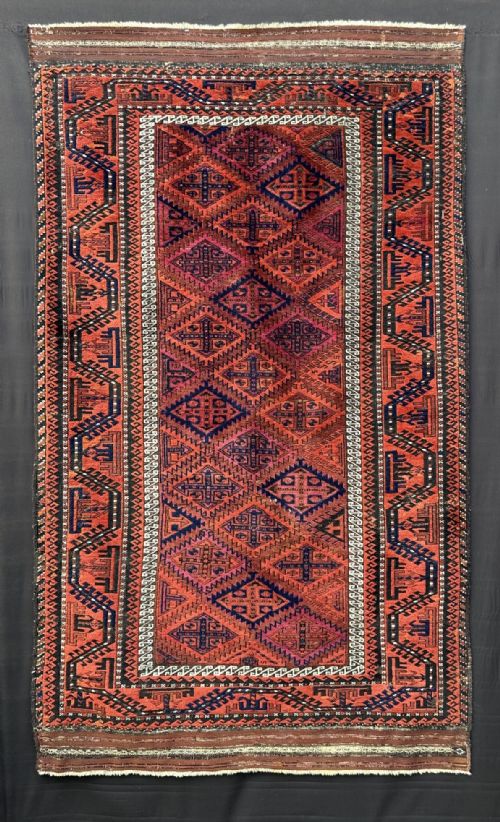
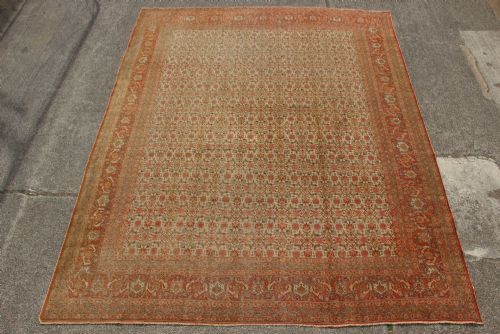


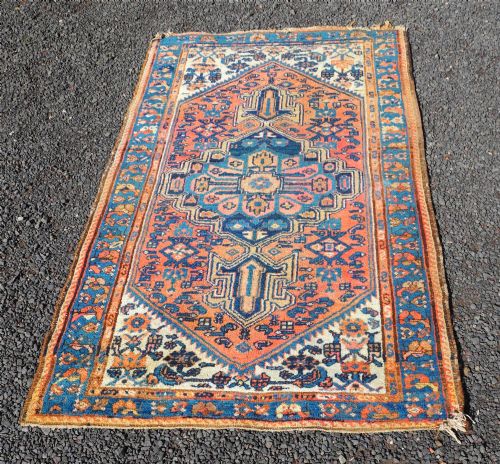
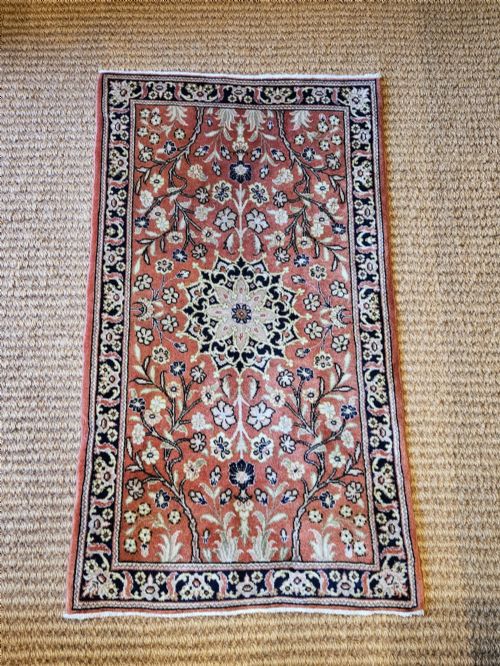


Terracotta Persian Woven Carpet
A terracotta persian woven carpet brings deep earthy tones and centuries of weaving tradition straight to your floor.
Terracotta Persian Woven Carpet
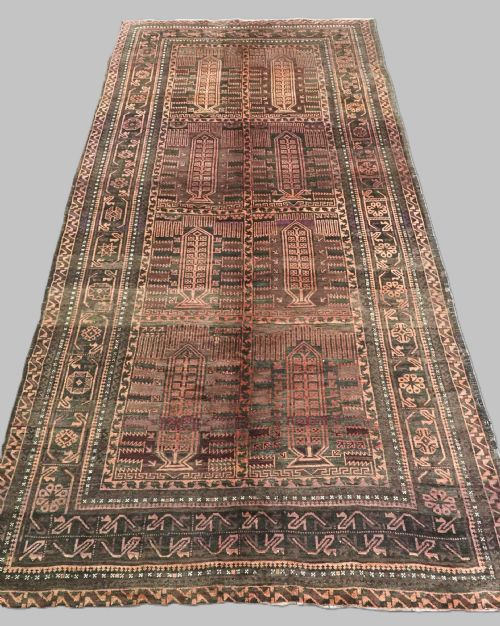
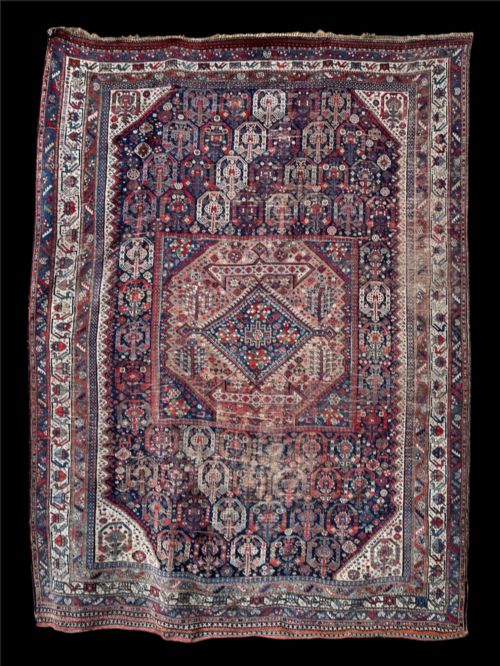
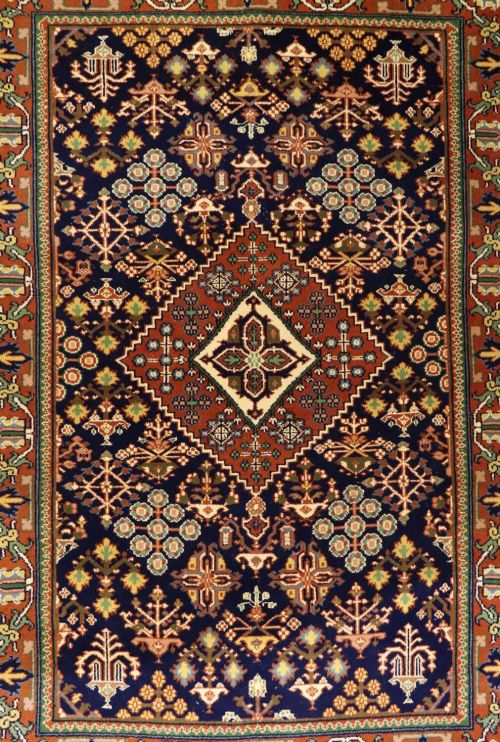
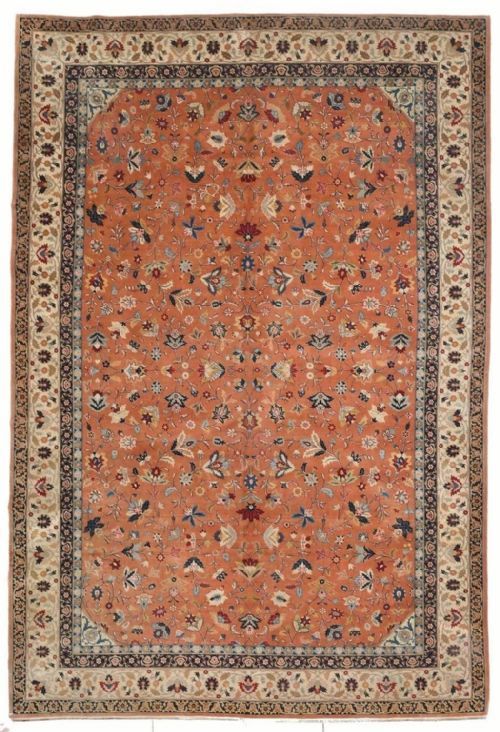
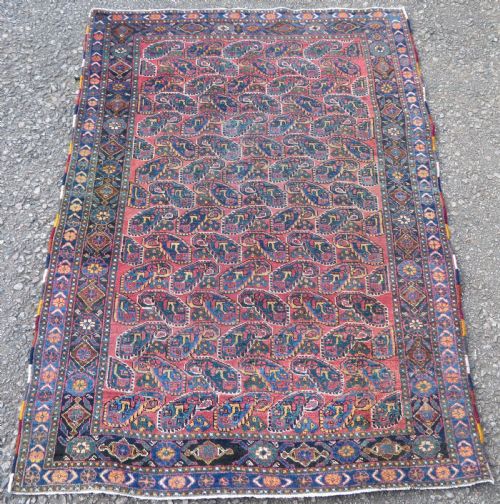
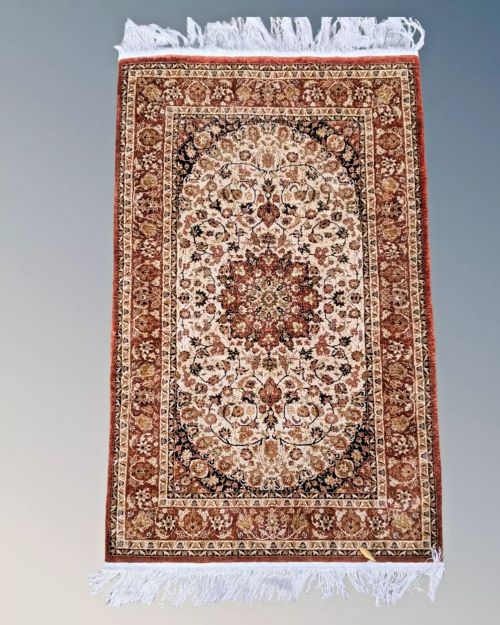
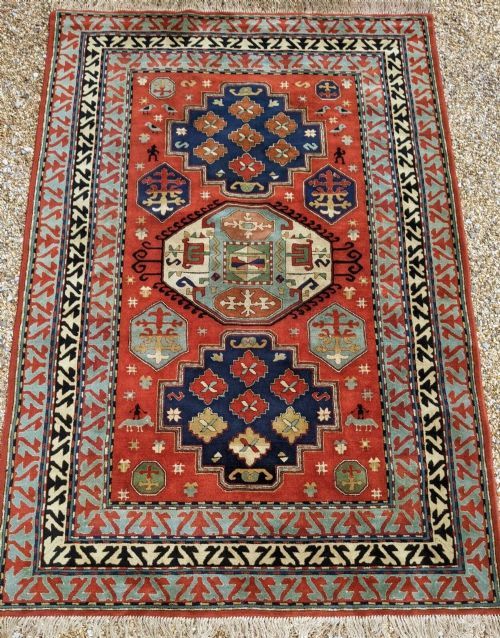
When you search for a terracotta persian woven carpet, you encounter hand-knotted and woven textiles originating from distinct regions and tribal confederacies across Persia, dating from the nineteenth century through the early decades of the twentieth century.
The selections span grand room-sized carpets from Heriz, Tabriz, and Sultanabad alongside smaller village and tribal pieces including Kurdish, Afshar, and Hamadan rugs.
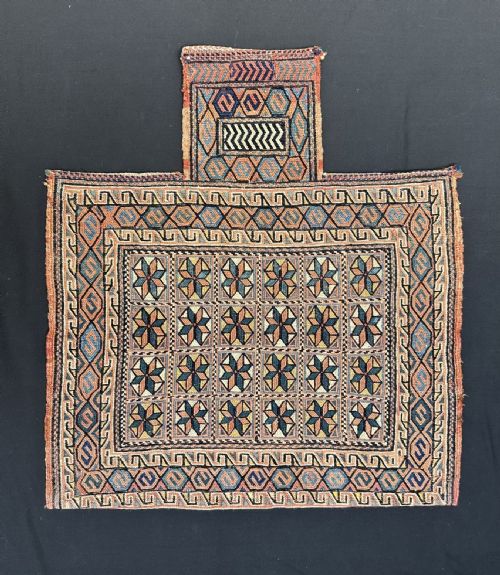
Common formats range from square area rugs and runner rugs to specific regional variants like salt-bags and kilims.
Materials and construction
These floor coverings utilise wool pile knotted onto cotton or wool foundations, occasionally incorporating fine silk in specific regional varieties.
Weavers employed natural dyes to achieve rich terracotta, red, and blue colour palettes, ensuring depth and variation across the woven surface.
Some nineteenth-century Afshar weavers stored their precious belongings in utilitarian salt-bags that now survive as charming collector pieces.
Judging the standard
Distinction across the range lies in knot density, precision of the geometric or floral medallion designs, and the overall integrity of the foundation.
Examples retaining rich, saturated natural dye colours and firm, dense hand-knotting represent the higher standard of surviving nineteenth and early twentieth century work.
The Terracotta Persian Woven Carpet Glossary
- Medallion
- A central ornamental design motif found in many traditional Persian carpets. It often anchors the symmetrical layout of the field.
- Boteh
- A traditional almond-shaped or paisley motif representing a cypress tree or flower. This ancient symbol appears frequently in all-over field patterns.
- Kilim
- A flat-woven carpet or rug made without a pile. These pieces rely on interlocking weft threads to create sharp geometric patterns.
- Heriz
- A region in north-west Persia known for durable carpets featuring bold geometric medallions. These pieces typically utilise sturdy wool and robust foundations.
- Tabriz
- A major weaving centre in north-west Persia famous for highly detailed workshop carpets. They often display intricate floral designs executed with high knot counts.
Terracotta Persian Woven Carpet: Frequently Asked Questions
Where were these carpets made?
These floor coverings originate from various cities, villages, and tribal regions across Persia, including Heriz, Tabriz, Sultanabad, and Hamadan.
Specific nomadic groups such as the Afshar and Kurdish confederacies also produced distinct rugs within their respective provinces.
How do I care for an antique rug?
Protect the wool and natural dye pile by vacuuming gently without a rotating brush bar and keeping the textile out of direct sunlight.
Rotate the carpet periodically to ensure even wear across high-traffic areas in your home.
What is the difference between a rug and a carpet?
The distinction generally relates to scale, with larger room-sized textiles classified as carpets and smaller formats referred to as rugs or runners.
Both categories utilise identical hand-knotting techniques and wool or cotton materials.
How can I tell regional styles apart?
Regional types often reveal themselves through distinct design vocabulary, such as the bold geometric medallions typical of Heriz or the curved floral patterns associated with Tabriz.
Palettes and border structures also provide strong clues to a piece's specific geographical origin.