


Terracotta Glazed Planter
These terracotta glazed planter vessels bring immediate warmth to garden rooms and terraces, offering enduring utility wrapped in historical character.
Terracotta Glazed Planter
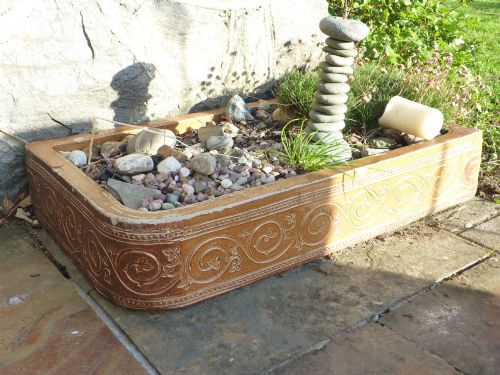
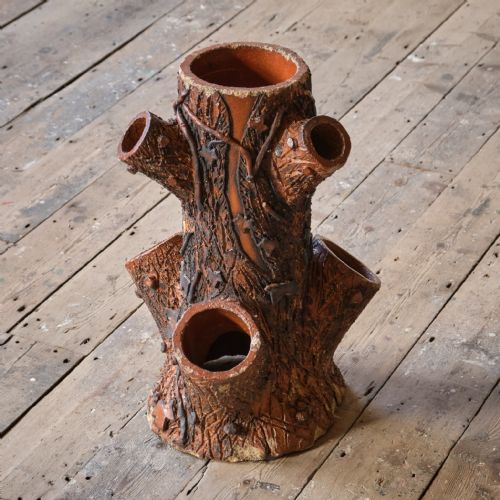
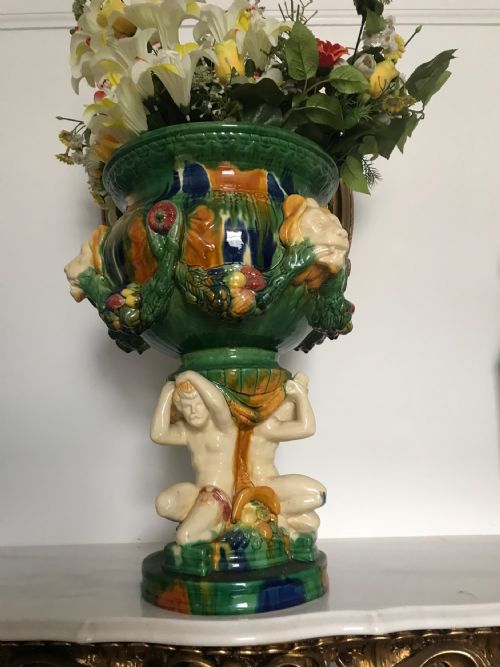
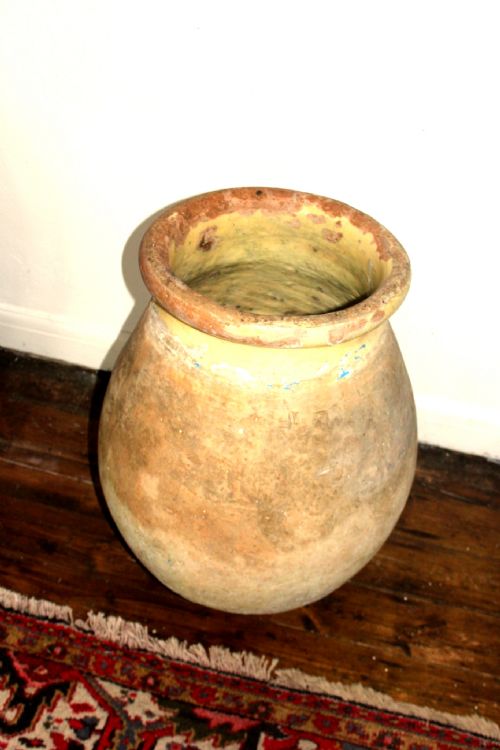
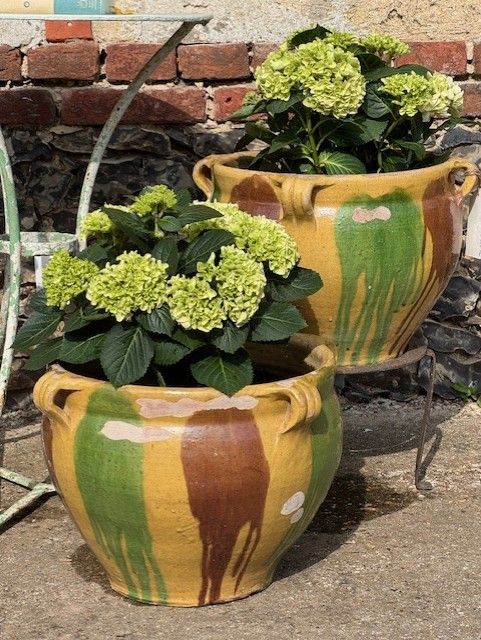
When you search for a terracotta glazed planter, you are looking at substantial vessels designed for horticulture, ranging from nineteenth century French confit jars and faux bois strawberry pots to Italian majolica jardinières on stands.
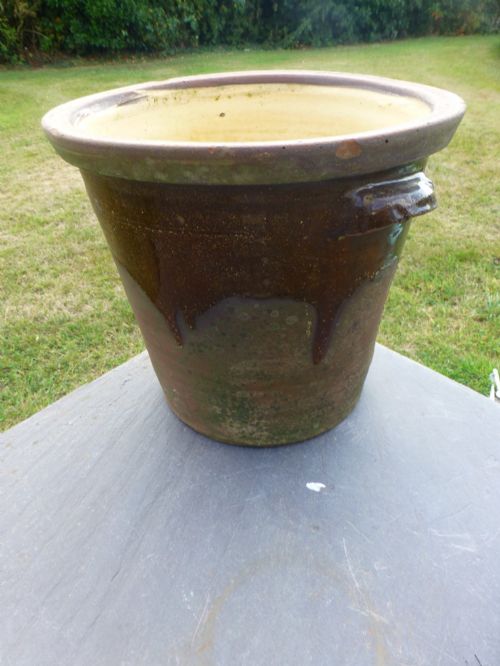
The nineteenth century dominates the available selection, alongside Victorian salt-glazed garden urns and later twentieth century French regional pieces such as drip glazed Castelnaudary examples.
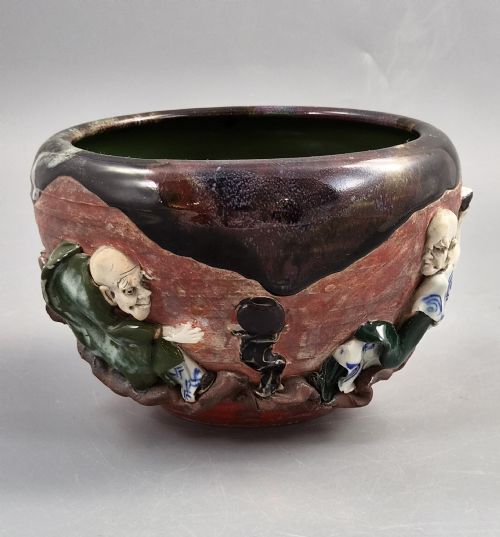
Forms vary from rustic olive jars and dairy salting crocks repurposed as planters to grand tour urns and wall pocket planters featuring figures in relief.
Materials and Construction Techniques
Potters shaped these objects primarily from earthenware and terracotta before applying various surface treatments, including salt glazes and rich majolica ceramic coatings.
Makers utilised traditional hand-throwing and moulding methods, sometimes adding figural base stands with lions head decoration or elaborate relief details modelled in the clay.
Natural firing processes and age contribute distinct patinas to the porous bodies, while specialised glazes protect the structural integrity against moisture.
Evaluating Quality and Character
Superior examples display crisp modelling in relief elements, such as faux bois bark textures or figural bases, alongside an even adherence of the glaze over the terracotta or earthenware body.
Provenance and specific regional origins elevate certain pieces, distinguishing standard utilitarian garden vessels from signed works or grand tour urns intended for display.
The depth of the aged patina and the preservation of the original glazed surface without intrusive modern repairs determine the desirability of each pot.
Guichard Carriès·Inoue Ryōsai·Bavent·Lipscombe & Co
The Terracotta Glazed Planter Glossary
- Terracotta
- A porous, unglazed or glazed fired red earthenware clay used extensively for garden vessels and pots. It weathers distinctively over time.
- Salt-Glazed Stoneware
- Pottery finished by throwing common salt into the kiln during high temperature firing, producing a characteristic textured surface resembling orange peel. This technique creates a durable finish suited for outdoor use.
- Majolica
- Heavy earthenware coated with an opaque tin-lead glaze and decorated with coloured metal oxides. This technique allows for vibrant colour palettes on decorative jardinières and stands.
- Faux Bois
- An artistic imitation of wood grain applied to ceramic or terracotta surfaces, popular on nineteenth century strawberry planters and garden troughs. It combines rustic naturalism with durable materials.
- Jardinière
- A large ornamental pot or stand designed to hold growing plants or flowers, often positioned on a dedicated base or floor stand. These items frequently feature elaborate moulded decoration.
Terracotta Glazed Planter: Frequently Asked Questions
Can these planters stay outdoors in winter?
Many of these pieces are made from durable terracotta, earthenware, or salt-glazed stoneware designed for garden environments. However, severe frost can risk cracking porous historic ceramics if water is trapped inside.
To preserve the material safely through freezing conditions, it is best to empty the soil or elevate the vessel on pot feet to ensure proper drainage during winter months.
What is a faux bois planter?
A faux bois planter is a vessel moulded to imitate natural wood grain, tree bark, or cut logs. This style was particularly popular during the nineteenth century for garden items like strawberry pots and troughs.
The technique merges rustic garden aesthetics with the permanence of glazed ceramic or terracotta construction.
How do I identify a majolica jardinière?
Majolica pieces are characterised by heavy ceramic bodies covered in an opaque coloured glaze that produces a glossy, vibrant finish. They frequently incorporate high-relief decorations such as figural bases, lions head motifs, or ornate stands.
These decorative jardinières often date from the late nineteenth or early twentieth centuries and were intended for prominent indoor or conservatory display.