
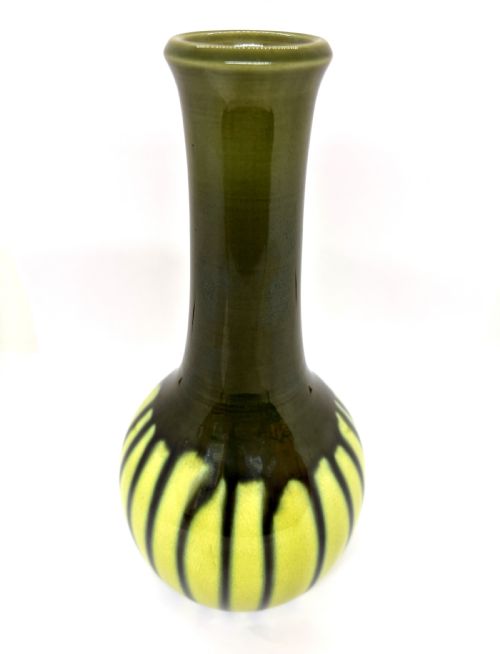


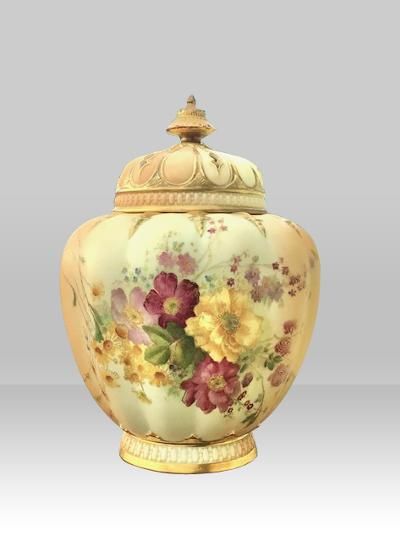
Decorative Ceramic Flower Pot
These decorative ceramic flower pot pieces bring striking botanical display indoors, offering classic craftsmanship from the nineteenth and twentieth centuries.
Decorative Ceramic Flower Pot
A decorative ceramic flower pot typically takes the form of a jardiniere, cachepot, or planter stand designed to hold growing plants or display cut blooms. You will frequently encounter nineteenth-century Victorian pieces alongside later Edwardian and twentieth-century examples on this page.
The styles span traditional English porcelain, Arts and Crafts, Art Nouveau, and international origins including Chinese Qing Dynasty and Japanese Meiji periods. Forms range from salt-glazed German vessels to Scottish majolica-taste planters and blush ivory pieces.
Makers represented include prominent potteries such as Royal Worcester, Doulton, and Burmantofts, alongside Japanese stoneware by Makuzu Kozan II and Chinese Canton famille rose works.
Materials and construction methods
Makers utilised ceramic materials such as porcelain, earthenware, and stoneware, shaped into robust vessels designed for indoor botanical use. Salt glazing and intricate colourful enamels provided durable and decorative exterior surfaces.
Finishing touches frequently incorporated hand-painted details, blush ivory grounds, and gilt or gold leaf highlights. Some compositions also integrated silver-plated stands to elevate the ceramic pots.
Some nineteenth-century pots wear tiny painted beetles among their flowers.
Judging quality in ceramic planters
Quality rests in the crispness of the moulding, the depth of the glaze, and the precision of the hand-painted decoration. Pieces bearing clear marks from distinguished potteries or named makers hold greater distinction.
The refinement of the decorative style, whether intricate famille rose patterns, delicate blush ivory work, or robust salt glazing, distinguishes standard utilitarian pots from exceptional artistic productions.
Makuzu Kozan II·Royal Worcester·Doulton·Coalport·Burmantoft's Pottery
The Decorative Ceramic Flower Pot Glossary
- Jardiniere
- A large ornamental pot or stand for holding flowers or plants. They are typically designed to sit on the floor or a dedicated pedestal.
- Cachepot
- An ornamental flower pot cover used to conceal a plain inner flowerpot and catch drainage water. These decorative vessels usually lack drainage holes at the base.
- Blush ivory
- A soft cream-coloured ceramic ground developed by Royal Worcester with tinted floral decoration. This delicate finish became highly popular during the late Victorian and Edwardian periods.
- Majolica
- A type of earthenware coated with an opaque tin-glaze and painted with bright metallic oxide colours. Victorian interpretations often featured naturalistic leaf and plant motifs.
- Famille rose
- A Chinese ceramic palette characterised by opaque pink enamel introduced during the Qing dynasty. This distinctive colouring dominates many antique decorative export wares.
Decorative Ceramic Flower Pot: Frequently Asked Questions
What is a jardiniere?
A jardiniere is a decorative ceramic flower pot or container designed to hold potted plants rather than planting directly into the vessel. These pieces frequently sit on interior tables, windowsills, or dedicated stands.
Historically, they allowed homeowners to bring large ferns and flowering plants indoors while protecting fine furniture from water damage.
What is a cachepot?
A cachepot is a decorative outer flower pot designed specifically to hide a plain utilitarian plant pot underneath. The French term translates directly as hiding pot.
Unlike standard garden pots, they are sealed at the bottom to prevent water from leaking onto interior surfaces during watering.
How do I date these ceramic pieces?
Dating relies heavily on pottery backstamps, signature styles, and the specific clay or glaze formulations used by manufacturers. Victorian and Edwardian pieces often display impressed or printed factory marks underneath.
Stylistic indicators such as Art Nouveau curves, Arts and Crafts simplicity, or Victorian blush ivory finishes also help narrow down the decade of production.