



Terracotta Ceramic Pitcher
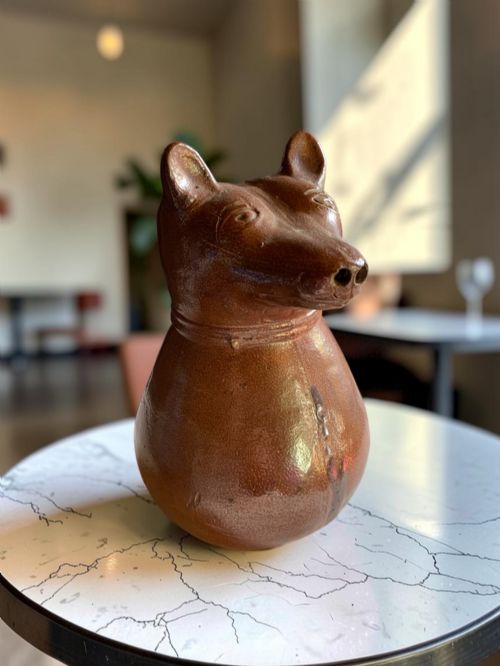
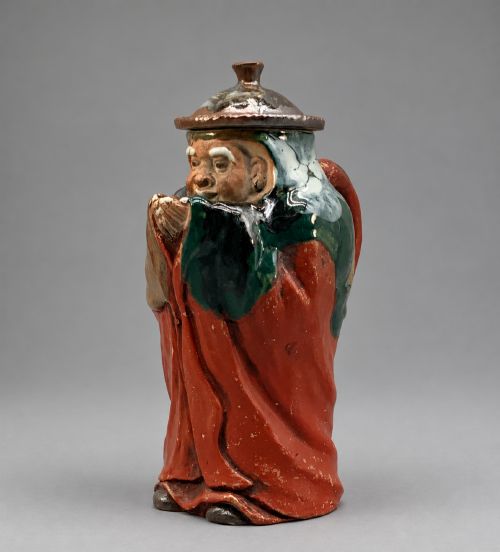
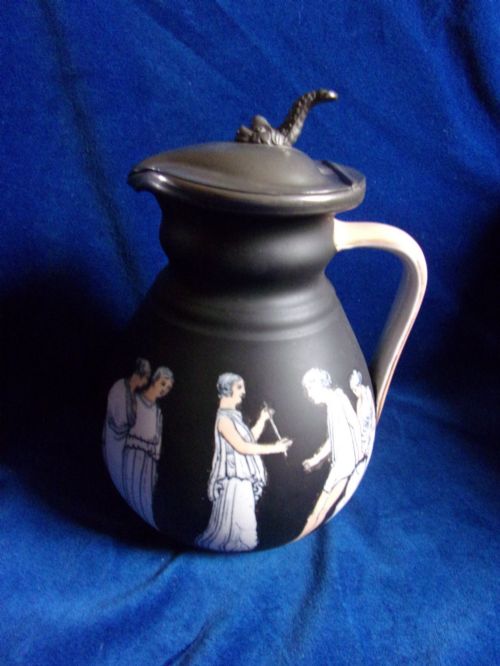
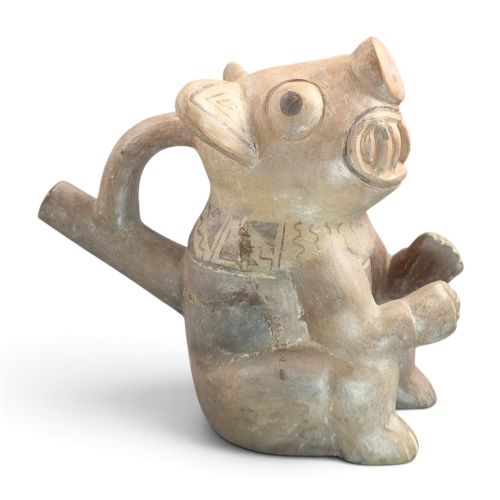
These terracotta ceramic pitcher examples span ancient vessels to Victorian earthenware, offering robust forms for functional pouring or display.
Terracotta Ceramic Pitcher
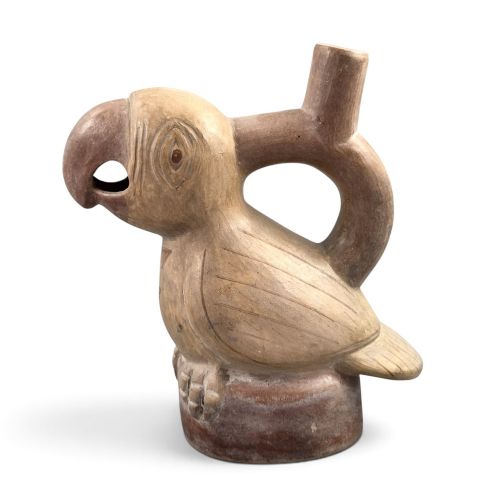
A terracotta ceramic pitcher encompasses an array of earthenware and pottery vessels designed for pouring liquids or serving as decorative ewers across multiple centuries. Buyers searching for a terracotta ceramic pitcher encounter everything from ancient pre-columbian ornithomorphic forms to seventeenth-century dutch slipware and nineteenth-century aesthetic style jugs.
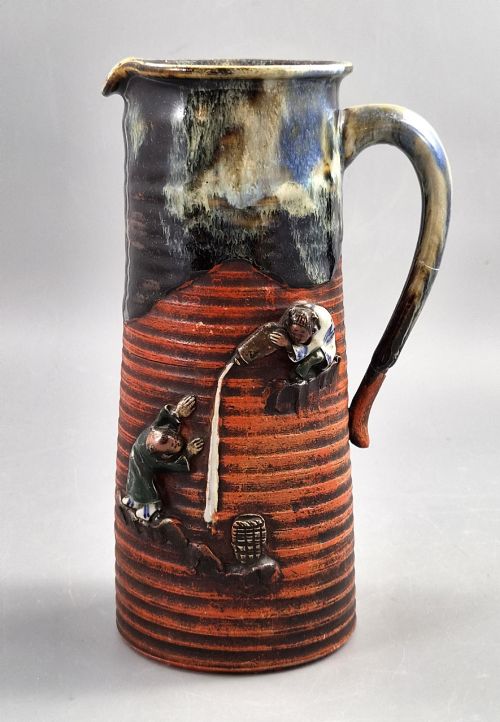
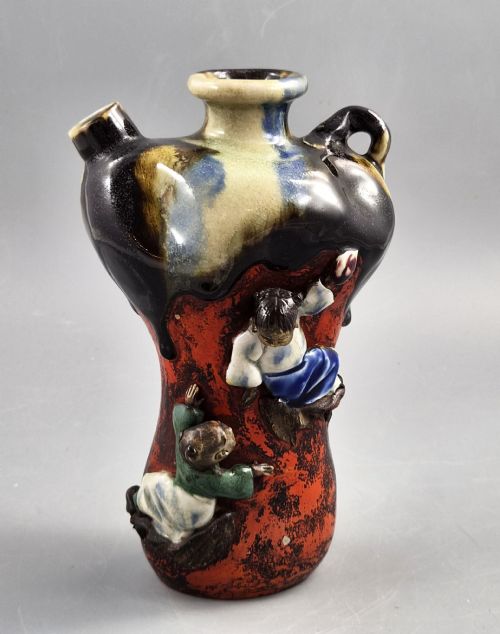
The selection ranges from pre-sixteenth century ancient vessels and seventeenth-century walnut oil pots to nineteenth-century victorian neoclassical wine jugs and turn-of-the-century japanese sumida gawa pieces. French country and regency chinoiserie styles also appear, alongside austrian pottery ewers and masons jugs.
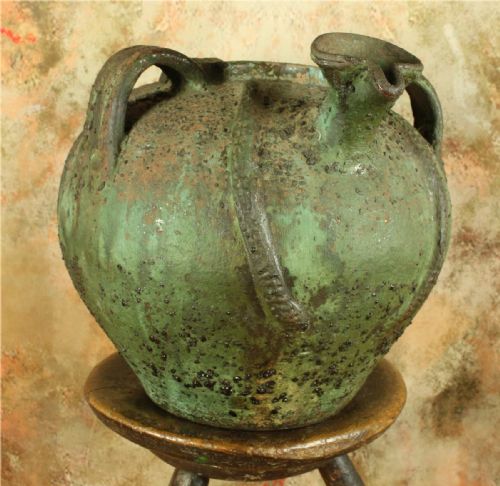
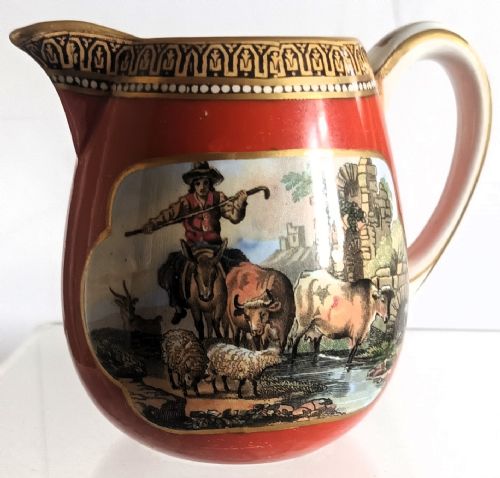
Most pieces function primarily as pitchers, jugs, vases, or decorative ewers, utilising materials such as earthenware, terracotta, stoneware, and porcelain. The form often adapts to specific regional traditions, from english pratt-ware cream jugs to large three-handle olive jugs.
What Varies in Quality
Quality rests in the crispness of the modelling and the stability of the clay body, particularly on ancient pieces where surface integrity matters deeply. The execution of decorative elements, such as hand-painted enamel, applied figural scenes, or raised gold decor, distinguishes standard production from finer studio or factory work.
The preservation of original surface treatments, including historical glazes, slip patterns, and mounted metal elements like pewter lids, determines the overall integrity of the piece. Consistency in the potting and the clarity of regional stylistic traits also divide simpler utilitarian wares from exhibition-grade decorative ewers.
Terracotta Ceramic Pitcher Retail Price Guide 2026
Typical asking prices for terracotta ceramic pitcher among the pieces listed under this phrase on Sellingantiques today, from the lower quarter to the upper quarter. They describe what is for sale here now, not the wider market.
A three-handle walnut oil pot proves that eighteenth-century olive farmers took serious teamwork just to pour breakfast.
Frederic Goldscheider·Doulton Slater·Inoue Ryosai·Royal Crown Derby·Masons
The Terracotta Ceramic Pitcher Glossary
- Terracotta
- A porous, unglazed or glazed fired earthenware clay of a brownish-red colour. It forms the structural body for many early and decorative vessels.
- Slipware
- Pottery decorated with a liquid clay mixture applied before firing to create surface patterns. This technique appears frequently on seventeenth-century dutch pieces.
- Ewers
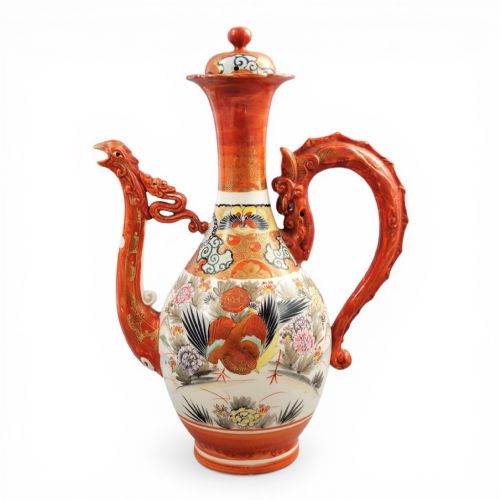
- Large jugs or pitchers featuring a wide spout and handle, traditionally used for pouring water or wine. Many Victorian and Continental examples served a purely decorative purpose.
- Ornithomorphic
- Shaped or moulded in the form of a bird. Ancient pre-columbian vessels often utilise this zoological motif.
- Pratt-ware
- A type of English earthenware characterised by multi-coloured underglaze decoration in blue, ochre, brown, and green. It is common on nineteenth-century cream jugs.
Terracotta Ceramic Pitcher: Frequently Asked Questions
How do I clean an old terracotta pitcher?
Dust gently with a dry, soft cloth to remove surface particles without disturbing porous clay or delicate glazes. Avoid submerging antique earthenware in water, as trapped moisture can damage the historic body.
Can I use these jugs for liquids?
Most antique pieces function best as decorative displays rather than daily tableware due to hairline fractures or degrading interior glazes. Assess the interior surface carefully before introducing any liquids to historic earthenware.
What defines a Victorian neoclassical wine jug?
These nineteenth-century vessels draw direct inspiration from classical Greek and Roman metalwork, often translating ancient vessel shapes into ceramic or combining them with pewter hardware. Relief moulding and formal symmetry dominate the design.
What is Sumida Gawa pottery?
Sumida Gawa refers to Japanese pottery produced around Tokyo in the late nineteenth and early twentieth centuries, known for heavily textured glazes and high-relief figures. Pieces often depict lively narrative scenes or folklore.