


Terracotta Afghan Carpet
A terracotta afghan carpet brings warmth and deep tribal tradition into a room through rich red hues and enduring regional weaving methods.
Terracotta Afghan Carpet
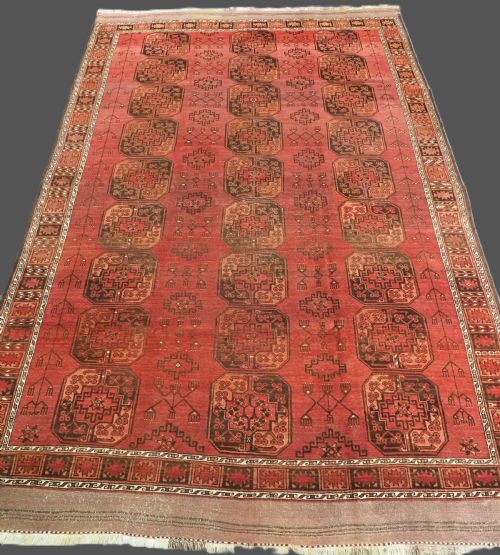
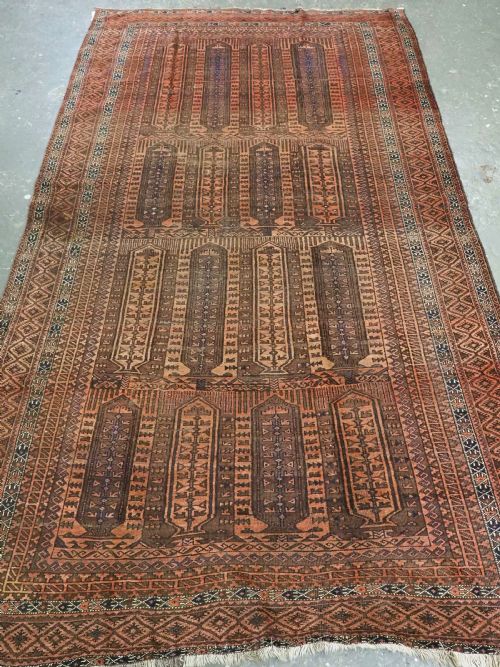
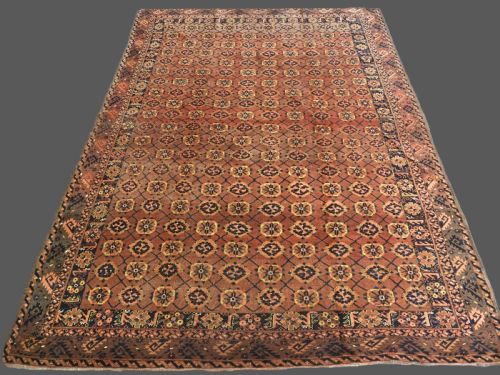
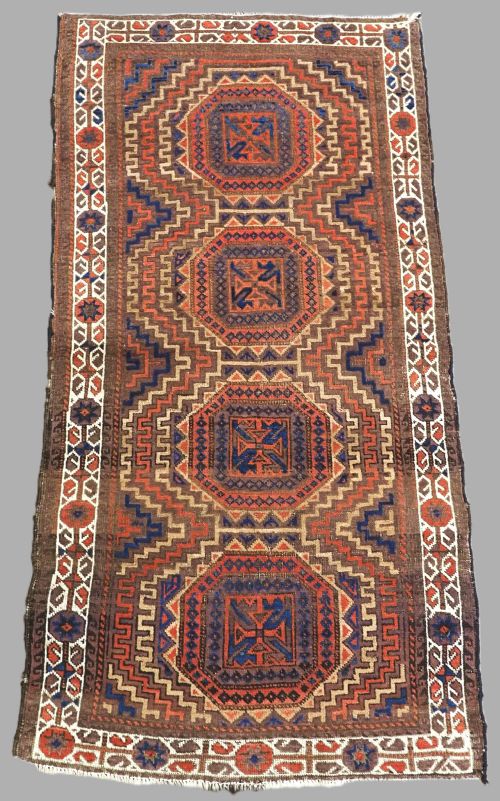
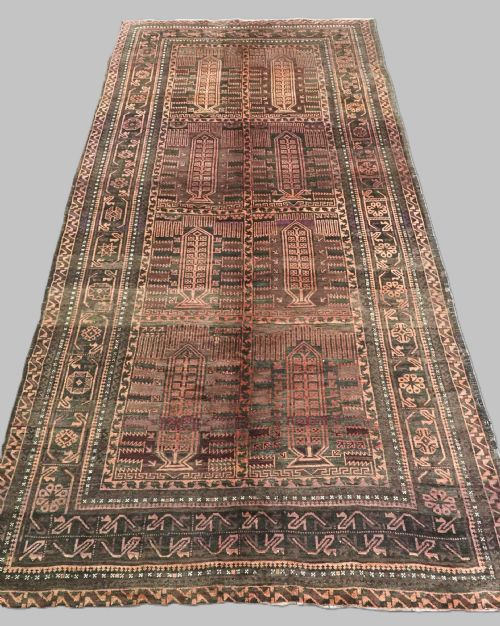
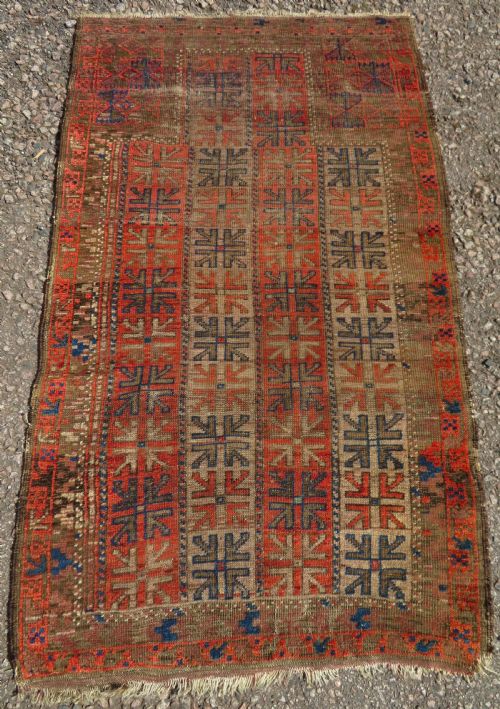
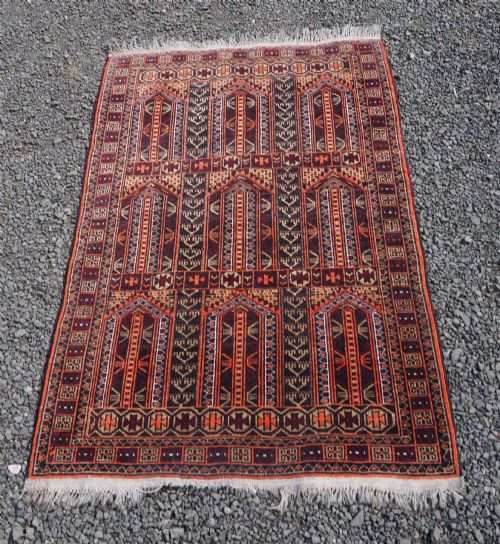
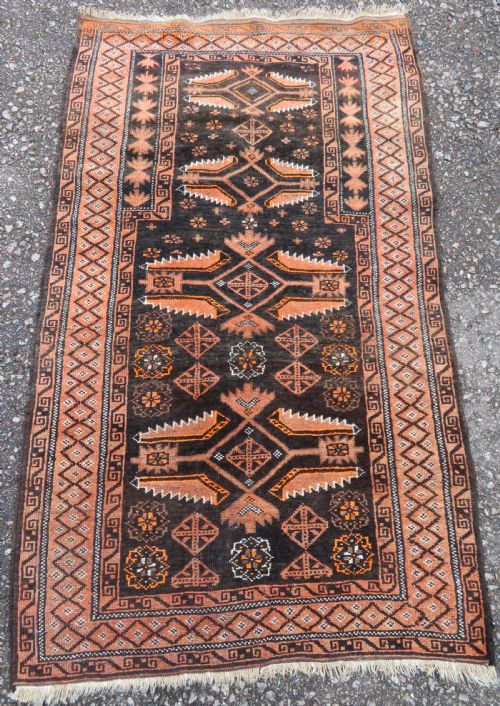
A terracotta afghan carpet represents a rich tradition of tribal and village weaving originating from nineteenth and early twentieth century Central Asia. When you search for this phrase, you encounter authentic pieces fashioned by nomadic and settled groups including Turkmen, Baluch, and Timuri makers. The selection spans various formats from expansive room-sized main carpets down to smaller prayer rugs, runners, and utility bags.
These floor coverings frequently display distinct repeating motifs such as guls, kalam donneh, and mosque designs arranged across warm red and terracotta grounds. The pieces recorded here date predominantly from the late nineteenth century up to the 1930s, capturing a period when natural and hand-spun materials dominated local production. Each surviving textile reflects the specific heritage of Afghan village life and tribal migration patterns.
Materials and construction methods
The foundation and pile of these textiles rely primarily on hand-spun wool, often supplemented by goat hair and cotton for structural strength and resilience. Artisans utilised natural dyes to achieve deep terracotta, red, and golden tones that mellow gracefully over decades of use. Certain examples incorporate flatweave kilim bands or supplementary weftwork decoration alongside traditional knotted pile construction.
Nomadic and village workshops produced these carpets on portable or floor looms using techniques passed down through generations. The integration of durable wool and sturdy foundations ensured the survival of these rugs through heavy domestic use in tents and village houses. Variations in wool quality and dye saturation reflect the local resources available to weavers across different regions of Afghanistan.
Materials recorded across current pieces comprise hand-spun wool, natural dyes, cotton, goat hair, and structural kilim flatweave bands.
Assessing quality in antique tribal carpets
Quality in these textiles rests upon the fineness of the knotting, the stability of the foundation, and the complexity of the design layout. Finer wool preparation and tightly beaten wefts produce a dense, supple fabric that lies flat and withstands foot traffic over generations. The clarity and balance of traditional motifs, such as turreted guls or precise pencil box borders, distinguish master weavers from standard village production.
The depth and brilliance of the natural dyes also dictate the visual hierarchy of the piece, with richly variegated terracotta tones holding greater aesthetic appeal than flat or muddy colour application. Overall condition, structural integrity, and the crisp preservation of intricate prayer mihrabs or animal figures further separate extraordinary examples from routine survivals.
The Terracotta Afghan Carpet Glossary
- Gul
- A primary octagonal or gabled medallion motif frequently repeated across Turkmen and Baluch tribal carpets. These emblematic designs often identify the specific clan or tribe responsible for the weaving.
- Kalam Donneh
- A repeating pattern resembling a curved almond or paisley shape, commonly found on western afghan baluch carpets. It translates visually into rhythmic rows across the terracotta field.
- Mihrab
- The arched architectural niche depicted on prayer rugs, symbolising the direction of prayer. Weavers often shape this feature with stepped or double outlines.
- Kilim
- A flatwoven textile produced without a raised pile by tightly interweaving warp and weft strands. These structures appear both as independent pieces and as decorative bands on pile carpets.
- Timuri
- A regional nomadic and village grouping from western Afghanistan known for producing durable wool rugs. Their work frequently shares stylistic elements with neighbouring Baluch tribal weaving.
Terracotta Afghan Carpet: Frequently Asked Questions
How do I clean an antique wool rug?
Gentle surface vacuuming without a rotating brush roll removes everyday dust and loose dirt without damaging the delicate antique wool pile. Professional specialist cleaning remains essential for deep washing to protect natural dyes and fragile foundations.
Water exposure should be kept minimal during routine maintenance to prevent the hand-spun fibres from shrinking or distorting. Promptly blot accidental liquid spills with a clean, dry white cloth rather than rubbing the affected area.
Are these carpets suitable for heavy hallway traffic?
Many sturdy room-sized main carpets and runner formats were originally built to endure decades of practical domestic use in busy households. The resilient combination of hand-spun wool and sturdy goat hair or cotton foundations handles moderate walking traffic well.
Placing a breathable, high-quality underlay beneath the textile prevents slipping and cushions the fibres against premature wear from hard subfloors. Delicate prayer rugs or fragile flatweaves, however, benefit from placement in lower-traffic areas to preserve their structural integrity.
How can I tell a Baluch rug from a Turkmen rug?
Turkmen carpets, such as those made by the Ersari and Kizil Ayak groups, typically feature structured geometric layouts dominated by repeating guls in deep red and terracotta colourways. Their formats often tend toward larger room sizes and formal tribal symmetry.
Baluch and Timuri pieces generally present smaller formats, darker palettes incorporating indigo and brown alongside terracotta, and distinct motifs like the kalam donneh or prayer mihrabs. Their origins in western Afghanistan impart a more intimate, village-level character to the weaving.
What causes the varied tones in natural dyed wool?
Natural dye vats derived from local plants, roots, and insects absorbed unevenly into hand-spun wool batches over the course of preparation. This organic inconsistency creates subtle shifts in shade known as abrash, adding visual depth and movement across the terracotta field.
Exposure to natural sunlight over generations further mellows the palette, creating soft secondary tones that chemical dyes cannot replicate. These gentle tonal variations serve as a reliable indicator of genuine antique age and traditional craftsmanship.