
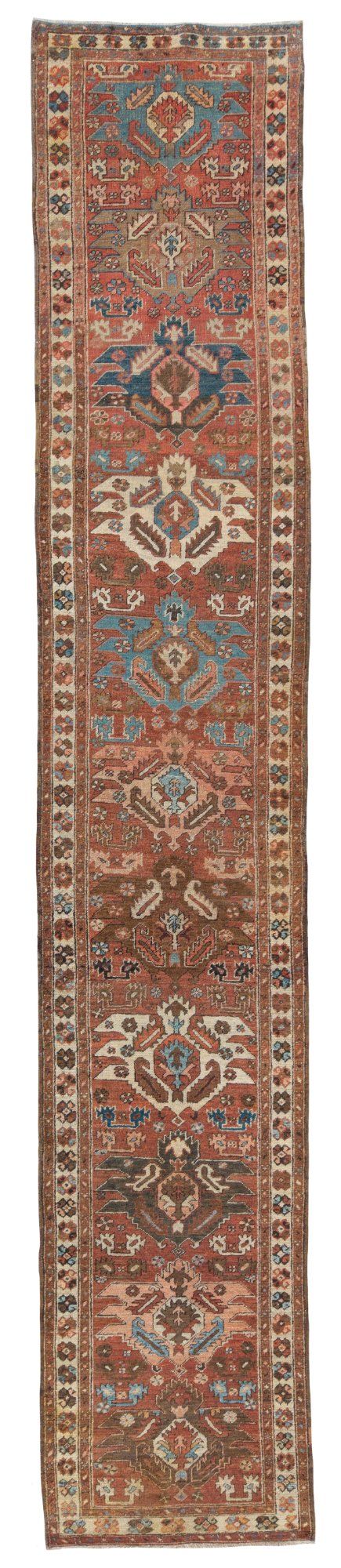
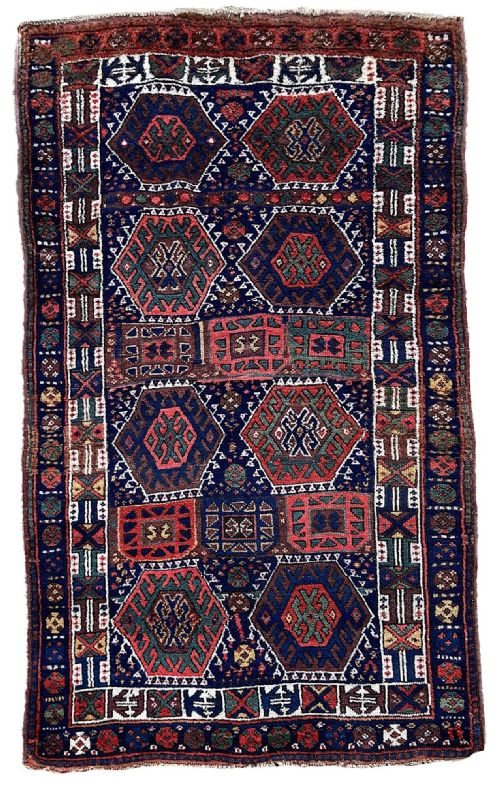


Antique Village Wool Carpet
An antique village wool carpet brings grounded regional character to a room through traditional motifs and sturdy weave structures.
Antique Village Wool Carpet
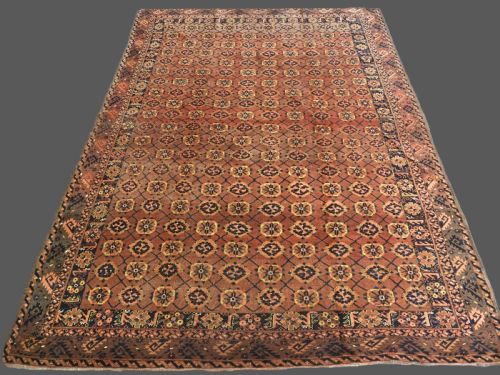
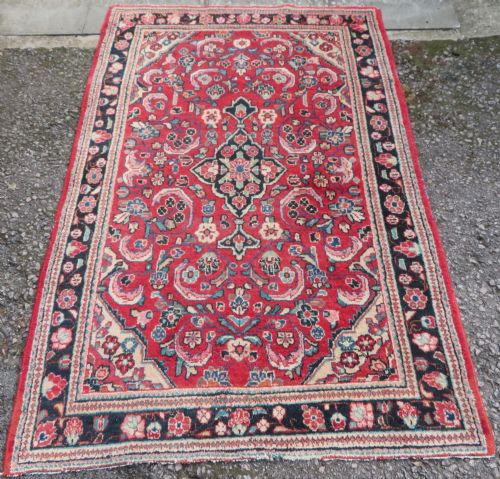
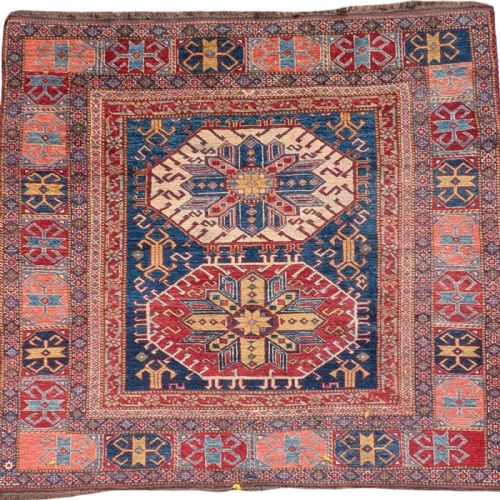
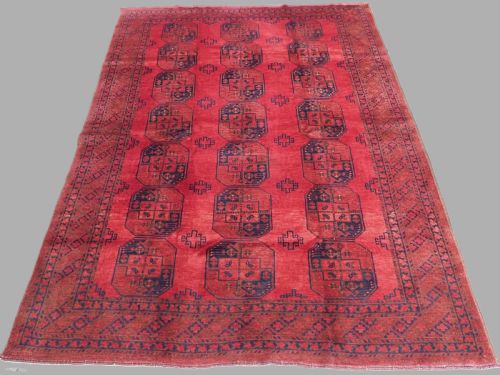
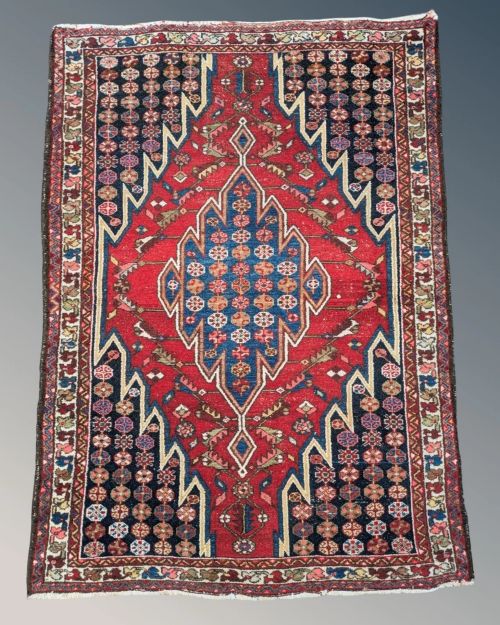
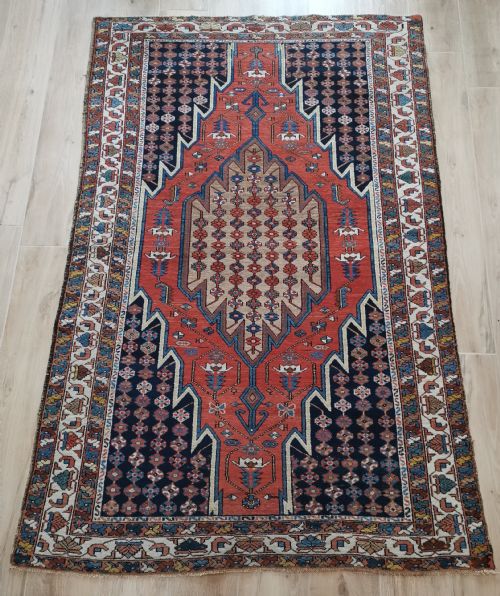
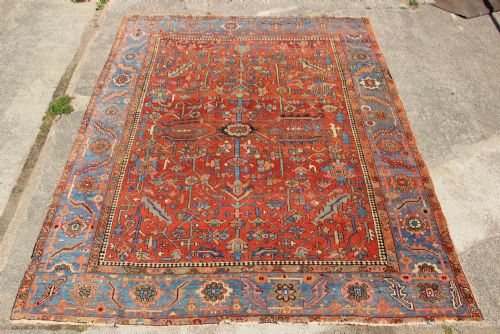
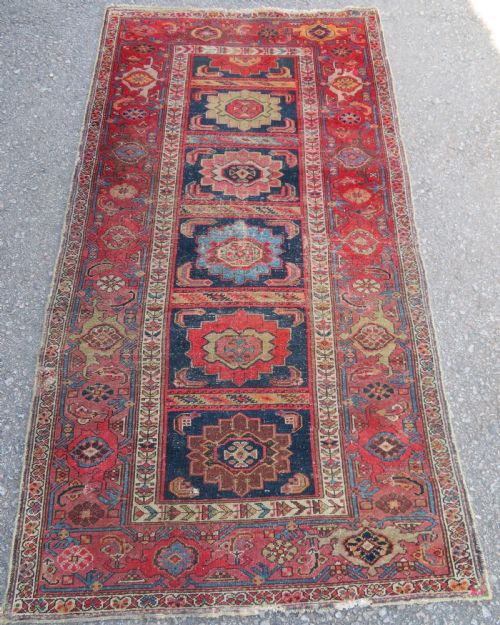
When searching for an antique village wool carpet, buyers encounter woven floor coverings originating from tribal and regional weaving centres across Persia, the Caucasus, Anatolia, and Afghanistan. These pieces range from compact scatter rugs and prayer rugs to longer runner formats and larger carpets woven for domestic spaces.
The selections span production periods from the nineteenth century through the early decades of the twentieth century, including styles attributed to traditions such as Bakshaish, Mazlaghan, Hamadan, Malayer, and Afghan tribal workshops. Each piece reflects the specific aesthetic vocabulary of the village or tribe where it was produced.
The most common formats on this page are hand-knotted village rugs and carpets displaying geometric medallions, all-over field patterns, and traditional tribal designs passed down through generations.
Materials and construction
These textiles are constructed primarily using hand-spun wool for the pile, providing a dense and resilient surface designed for daily wear. Natural dyes supply the warm reds, blues, and earth tones characteristic of older village production.
Foundations typically incorporate cotton warps and wefts that anchor the wool knots securely, creating a stable structure that supports the long-term integrity of the rug.
Kilim ends and flatwoven borders frequently terminate the ends of these pieces, protecting the main knotted field from fraying and showing the secondary techniques employed by village weavers.
Materials recorded across the inventory include hand-spun wool pile, cotton warps, and traditional natural dyes applied to formats ranging from small prayer rugs to large carpets.
Assessing quality
Quality in these textiles rests upon the fineness of the wool, the clarity of the natural dye palette, and the precision of the village design execution. Softer, more lustrous hand-spun wool retains its handle and colour better over time than coarser fibres.
The structural integrity of the cotton warp and foundation determines how well the carpet maintains its shape and handles foot traffic across decades of use. Tightly packed knots and secure side selvages contribute directly to the longevity of the piece.
The Antique Village Wool Carpet Glossary
- Warp
- The vertical threads stretched lengthwise on the loom before weaving begins. The pile knots are tied around these foundational threads.
- Weft
- The horizontal threads passed alternately over and under the warp threads after each row of knots. This binds the structure together firmly.
- Prayer Rug
- A smaller rug format featuring a central mihrab or arch design. These pieces were traditionally used for daily devotional prayer.
- Kilim End
- A flatwoven section of warp and weft threads at the ends of a rug. This technique prevents the knotted pile from unravelling.
- Natural Dyes
- Colourants derived from plant, insect, and mineral sources rather than synthetic chemicals. They produce rich, nuanced tones that age gracefully.
Antique Village Wool Carpet: Frequently Asked Questions
What is an antique village wool carpet?
An antique village wool carpet is a hand-knotted floor covering produced by rural weavers using traditional local designs and materials. These pieces reflect the distinct cultural styles of specific tribal and village regions rather than city-based workshops.
They combine practical utility with artistic expression, utilising durable wool pile and natural colourants to withstand generations of domestic use while retaining their regional aesthetic.
How were village rugs used historically?
Historically, these rugs served as functional floor coverings, sleeping mats, and seating surfaces within traditional village and nomadic homes. Their thick wool construction provided essential insulation against cold floors.
Specific formats like prayer rugs held designated ceremonial uses in daily life, while larger carpets defined central living spaces and displayed the wealth or weaving skill of a household.
How do I care for an antique wool rug?
Living with an antique wool rug requires regular gentle vacuuming without the beater bar engaged to prevent fibre damage. Rotating the rug periodically ensures even wear from foot traffic and sunlight exposure.
Professional cleaning tailored to handmade textiles helps maintain the natural lanolin in the wool and preserves the stability of the cotton foundation over time.
How can I tell different regional styles apart?
Regional styles are distinguished by their specific colour palettes, medallion structures, and geometric or floral motifs. For instance, Bakshaish carpets often show large-scale geometric designs, while Hamadan and Malayer pieces frequently employ distinct overall patterns and boteh motifs.
Examining the knot density, end finishes, and structural materials provides further clues to connect a rug to its specific Anatolian, Caucasian, or Persian origin.