


Tekke Turkmen Bag
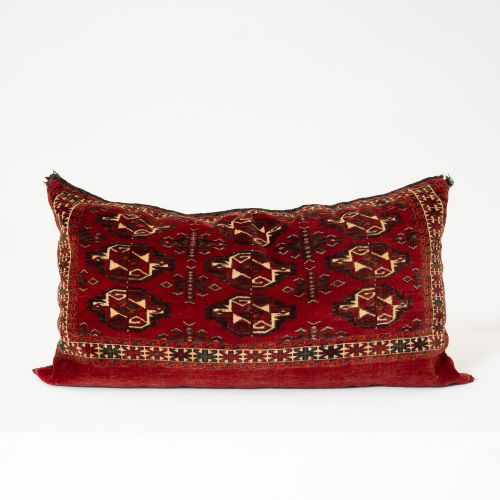
A tekke turkmen bag brings tactile Central Asian nomadic heritage into a room, offering finely knotted wool and rich tribal history.
Tekke Turkmen Bag
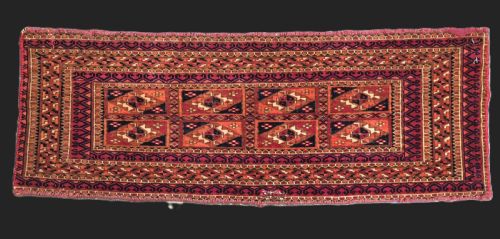
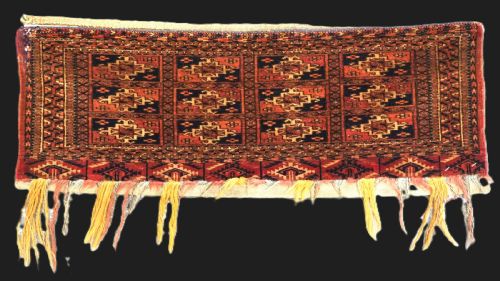
When searching for a tekke turkmen bag, a buyer encounters utilitarian Central Asian tribal weavings such as chuvals, torbas, kap, mafrash, and khorjin. These functional textile items served nomadic households as storage sacks, bedding bags, and saddle bags.
The selections available here range widely in period from the eighteenth century through the nineteenth century and into the early twentieth century. Most examples meet the eye as fragmentary or complete carpet-faced storage sacks displaying traditional tribal motifs.
Collectors frequently encounter chuval faces and torbas originating from Turkmen tribes in Turkmenistan and the Merv Oasis. These woven artefacts document the domestic artistry and nomadic lifestyle of Central Asian tribal groups.
Materials and Techniques
The construction of these tribal weavings relies primarily on wool foundations and piles, often supported by cotton and linen elements. Weavers utilised natural dyes to achieve deep red grounds and contrasting ivory or dark details across the textile surfaces.
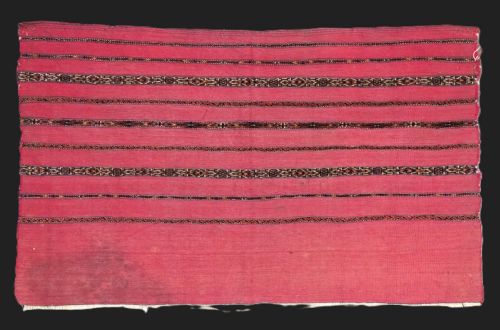
Makers employed precise knotting techniques alongside plain weave backs and mixed techniques for functional items like saddle bags. The handling of natural materials produced dense structures designed for daily camp life and enduring utility.
Original hanging loops still attached to these storage bags reveal how nomads secured their belongings inside dusty tents.
Defining Quality and Execution
Quality in these nomadic textiles emerges from the density of the weave and the precision of the drawing. Fine knotting counts and crisp execution of gul patterns distinguish superior examples from standard utility work.
The presence of original plain weave backs, hanging loops, and complete structural integrity elevates an artefact. Colour fidelity achieved through natural dyes and balanced composition further separate exceptional pieces from ordinary survivals.
The Tekke Turkmen Bag Glossary
- Chuval
- A large storage bag used by nomadic tribes for bedding and household goods. These pieces frequently feature rows of primary guls.
- Torba
- A smaller storage bag traditionally hung inside a yurt. They display careful tribal designs across their rectangular faces.
- Gul
- A primary medallion motif repeated across Turkmen carpets and bags. Different tribal groups utilised distinct gul patterns for identification.
- Mafrash
- A rectangular storage container or compartment piece used in nomadic transport. They often exhibit banded or panelled tribal designs.
- Khorjin
- A traditional paired saddle bag used for transport on animals. Complete pairs joined by a central slit are particularly sought after by collectors.
Tekke Turkmen Bag: Frequently Asked Questions
What is a chuval used for?
A chuval functioned as a large storage sack for bedding and heavy household belongings within the nomadic tent. Families utilised these durable bags to keep possessions organised and protected from the ground.
Over time, many of these storage pieces were separated from their plain weave backs. Collectors today typically encounter the decorative face alone as a wall hanging or collector's textile.
How do I identify a torba?
A torba is a smaller storage bag compared to a chuval, characterised by a rectangular format intended for hanging inside a nomadic dwelling. They display characteristic tribal medallions across the face.
These smaller sacks often feature refined drawing and careful wool knotting. Their manageable dimensions make them accessible examples of nineteenth century tribal weaving.
What does gul mean on these bags?
A gul is a repeated octagonal medallion motif that forms the primary decorative structure of Turkmen tribal weaving. Each pattern identified specific tribes and lineages.
Variations such as Salor guls or Aina guls help specialists attribute pieces to particular maker groups. Reading these motifs provides insight into the heritage of Central Asian nomadic textiles.
How should I care for a textile?
Caring for an antique textile requires protection from direct sunlight to prevent natural dye fading. Gentle vacuuming through a mesh screen helps remove dust without stressing the wool pile.
Keeping the weaving in a stable environment avoids moisture damage to the cotton and wool fibres. Proper mounting relieves tension on fragile historical structures.