

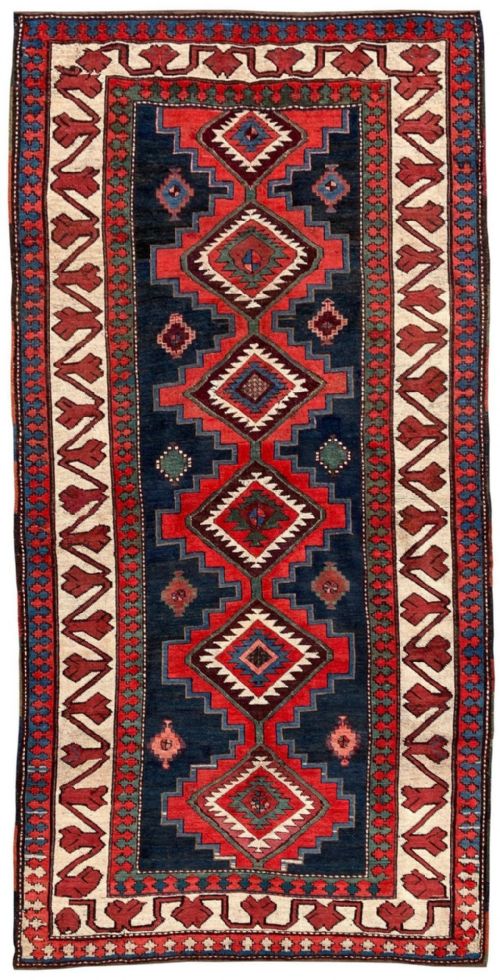
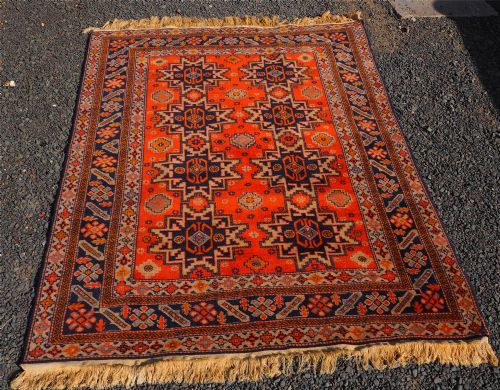
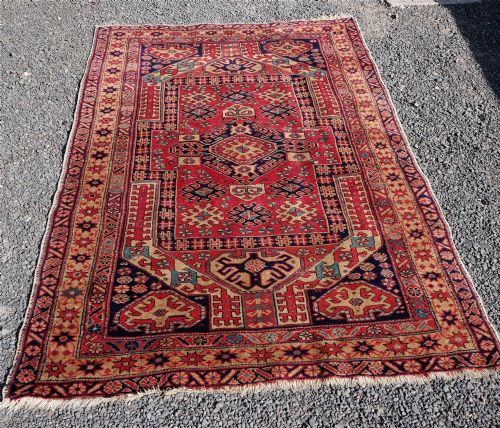
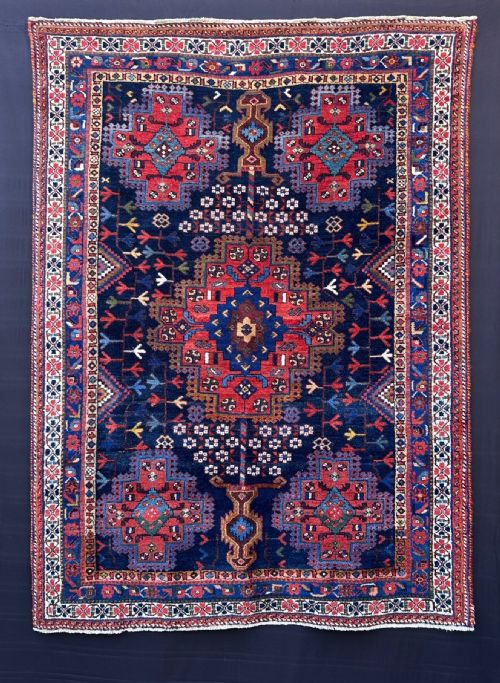
Wool Tribal Weaving
These wool tribal weaving pieces are nomadic and village textiles carrying generations of regional pattern, offering textured depth to an interior.
Wool Tribal Weaving
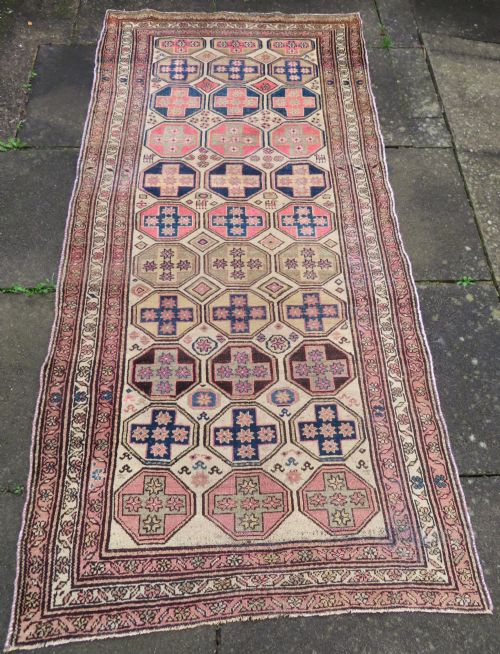
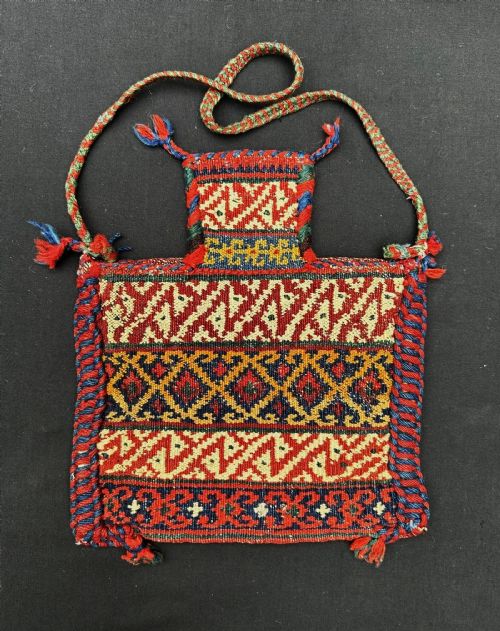
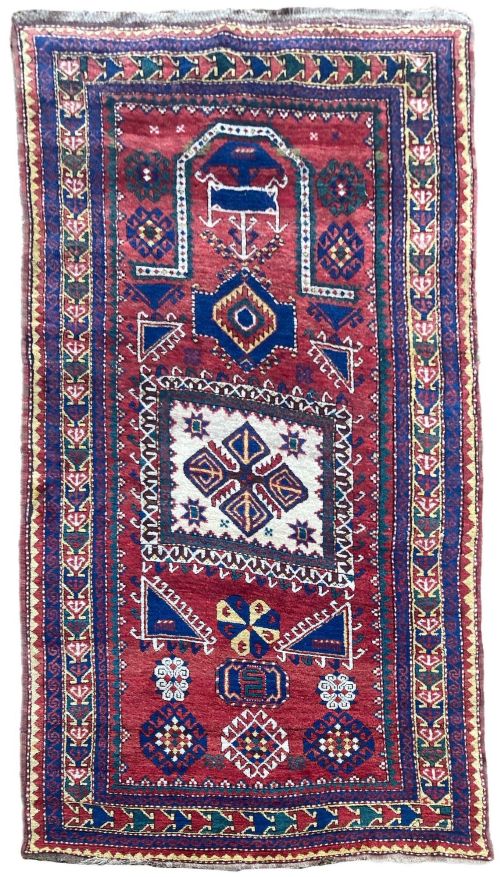
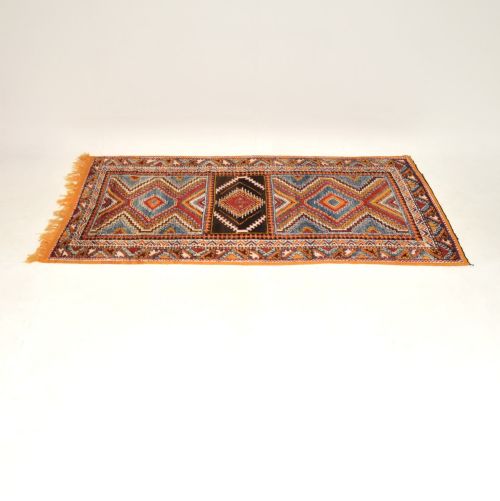
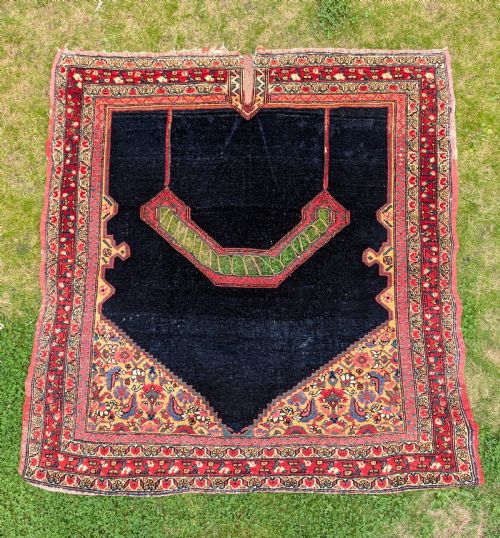
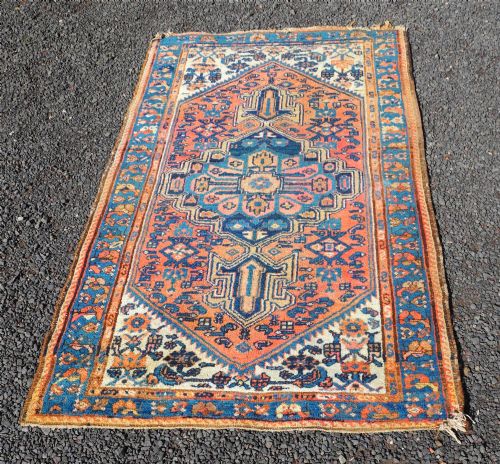
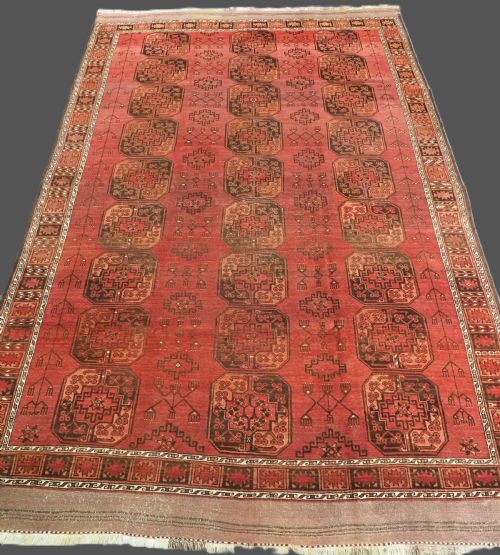
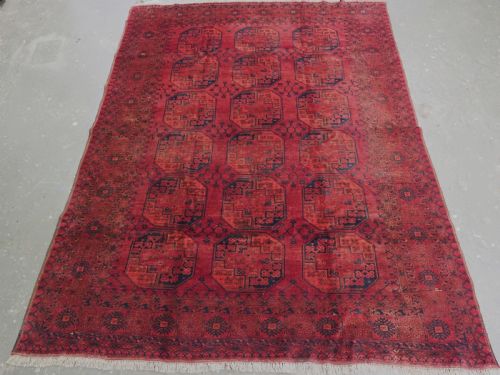
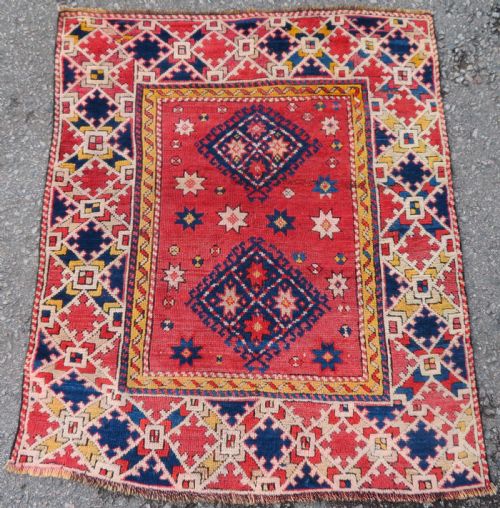
A wool tribal weaving brings together floor coverings, wall hangings and utilitarian carriers produced by nomadic confederacies and village communities. When browsing wool tribal weaving, buyers encounter formats ranging from large carpets and prayer rugs down to saddle covers, storage bags and salt bags.
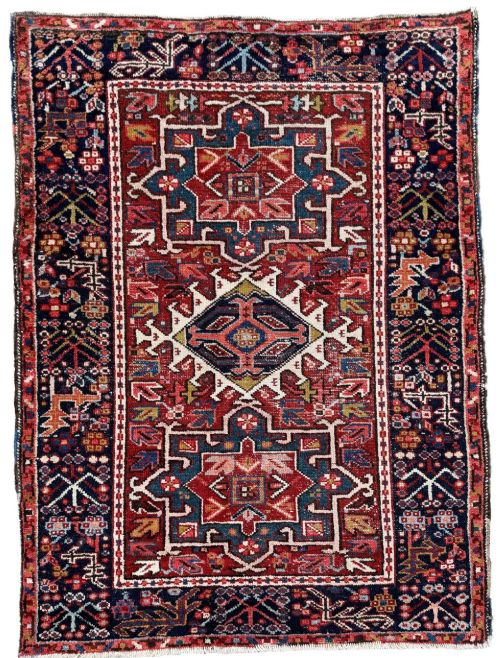
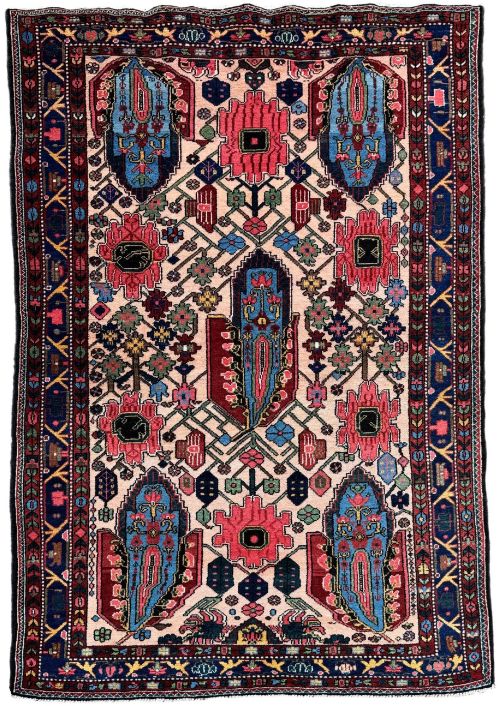
The selection on this page centres upon pieces originating from Persian, Caucasian, Turkmen, Anatolian and Central Asian traditions. These works span the nineteenth century and the early decades of the twentieth century, reflecting the specific weaving dialects of tribes such as the Afshar, Qashqai, Khamseh, Kazak, Ersari and Baluch.
Many examples manifest as area rugs or kilims, whilst smaller bagfaces and tent bands demonstrate the portable artistry central to nomadic life. Each format preserves local motifs, geometric medallions and tribal symbols handed down through family workshops.
Materials and construction
The foundation of wool tribal weaving relies on hand-spun wool for pile and structure, frequently supported by cotton warps andwefts in specific regional variants. Natural dyes extracted from plants and minerals provide the palette, creating tonal variations across the surface over decades of exposure.
Weavers knot or flatweave the wool by hand on portable horizontal looms set up in camps or stationary village frames. Additional elements such as glass beads sometimes embellish functional carrier bags, while flatweave kilim techniques produce lighter, reversible textiles.
Listings incorporate Persian, Caucasian, Turkmen, and Anatolian traditions executed in wool, cotton, hand-spun wool, and natural dyes.
Judging quality and integrity
Quality in a wool tribal weaving rests on the density of the knotting, the handling of the wool grease, and the vibrancy of the natural dyes. Superior examples exhibit precise symmetry in tribal medallions alongside balanced proportion in the border guards.
The condition of the wool pile and the integrity of the selvedges dictate desirability among collectors. Original structure, minimal restoration and harmonious abrash where dye batches shift organically elevate the status of a textile.
The Wool Tribal Weaving Glossary
- Abrash
- Variation in colour within a single field of a rug, caused by changes in dye batches or hand-spun wool lots. This uneven shading is characteristic of natural dyeing.
- Kilim
- A flatwoven carpet or rug produced without a pile by tightly interweaving warp and weft strands. These textiles often feature sharp geometric patterns.
- Saddle bag
- A paired utility bag woven by nomads to be draped over pack animals for transport. Surviving fragments often include individual bagfaces or complete storage pouches.
- Warp
- The vertical threads stretched tightly on a loom before weaving begins. The pile knots are tied around these foundational cords.
- Weft
- The horizontal threads passed alternately over and under warp threads to secure the knots in place. In flatweaves, the weft creates the visible pattern.
Wool Tribal Weaving: Frequently Asked Questions
How do I identify a tribal rug?
Tribal rugs typically display geometric medallions, asymmetric tribal motifs, and rich natural colour palettes rather than the curved court designs found in city carpets.
Look closely at the wool quality and irregular border arrangements, which point towards nomadic or village production rather than mass manufacture.
Where were these textiles made?
These pieces originate from nomadic confederacies and village settlements across Persia, the Caucasus, Anatolia, Turkmenistan, and Central Asia.
Each geographic region developed distinct weaving structures, colour combinations, and symbolic motifs tied to specific tribal groups.
How should I care for antique wool?
Protect antique wool textiles by keeping them out of direct sunlight and using a breathable underlay beneath floor rugs.
Vacuum gently without a rotating brush roll, and consult a specialist textile conservator for professional cleaning when necessary.
What is a bagface?
A bagface is the decorative front portion of a utilitarian nomadic storage sack that has been separated from its plain wool back.
These panels were preserved because their intricate weaving and symbolic patterns functioned effectively as small decorative wall hangings or cushions.