





Ethnic Wool Rug
An ethnic wool rug brings authentic tribal geometry, nomadic storytelling and centuries of textile heritage directly to a room.
Ethnic Wool Rug
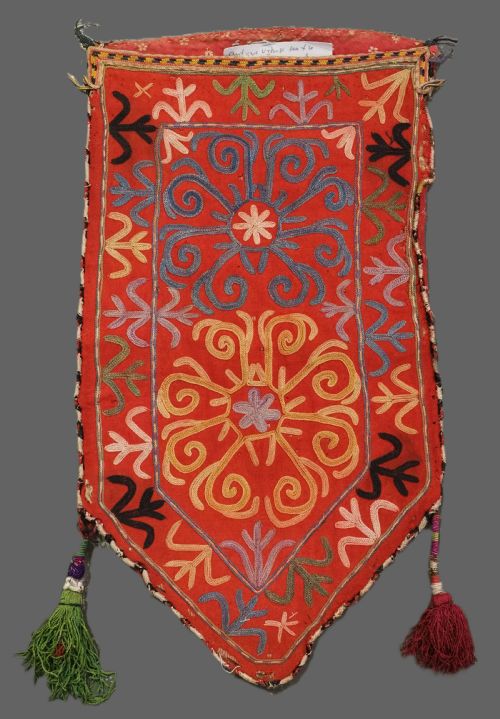
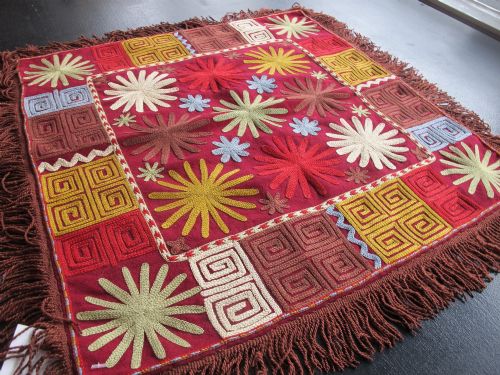
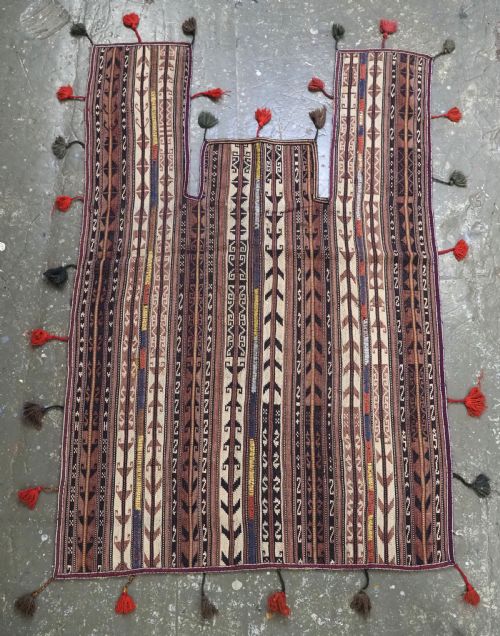
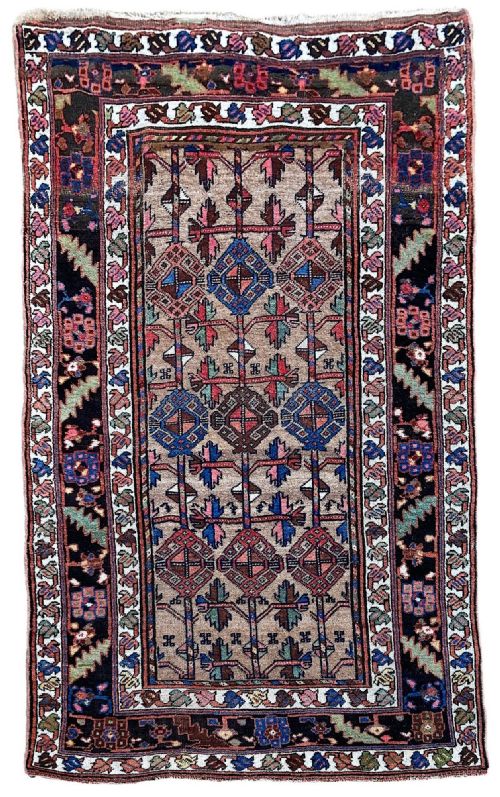
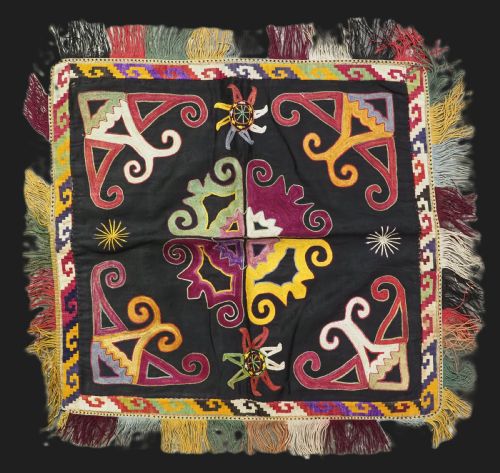
An ethnic wool rug encompasses hand-knotted carpets, flat-woven kilims, embroidered dowry pieces and tribal bag faces originating from Central Asia, Persia, Turkey and the Caucasus. These textiles served practical and ceremonial purposes in nomadic tents and village homes, functioning as floor coverings, wall hangings, animal trappings and cushions.
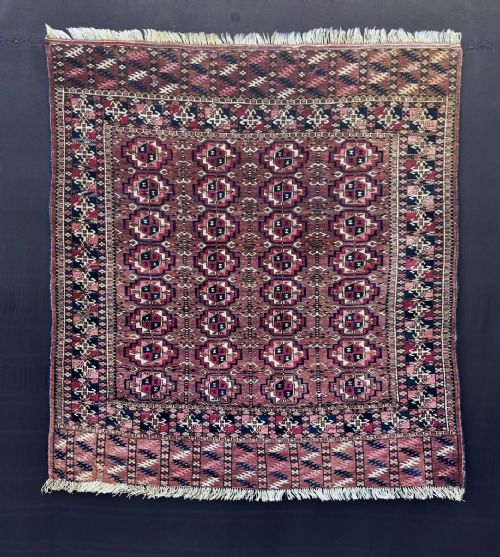
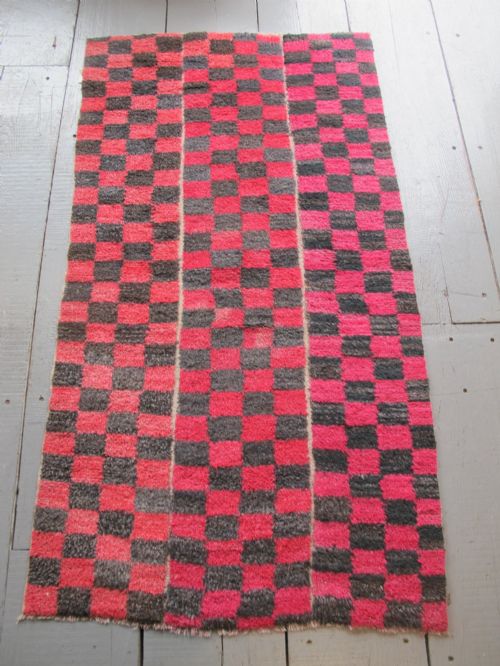
The selections encountered here frequently include Anatolian, Persian, Kurdish and Turkmen tribal formats alongside Uzbek embroideries and Tibetan meditation rugs dating from the nineteenth and early twentieth centuries. Rugs, runner rugs, and cushion conversions dominate the inventory, displaying bold graphic medallions, geometric repeats and traditional motifs.
Makers ranged from nomadic women weaving from memory on portable vertical looms to village artisans crafting textiles for specific tribal rituals, weddings and yurt decoration. Each piece reflects the distinct visual language and cultural traditions of specific tribal groups such as the Lakai, Yomut, Teke, and Afshar.
What varies in quality
Quality rests upon the fineness of the weave, the integrity of the structural wool, and the complexity of the tribal design. Pieces exhibiting tight knotting, clear graphic geometry, and well-preserved natural dyes occupy the upper tier of the range.
The distinction between ordinary utility items and exceptional tribal works lies in the balance of proportion, the intricacy of secondary borders, and the vitality of the surviving pile or embroidery. Condition of the edges and original selvedges also influences the integrity of the piece.
The inventory records regional styles from Central Asia, Anatolia, Persia, and the Caucasus, including specialised Tibetan meditation rugs.
The Ethnic Wool Rug Glossary
- Kilim
- A flat-woven carpet or rug produced without a pile by tightly interweaving warp and weft strands. These textiles often feature sharp geometric patterns and lightweight portable formats.
- Chuval
- A large storage bag face produced by Turkmen tribes, featuring characteristic guls and decorative field designs. They were originally used inside yurts for household possessions.
- Torba
- A smaller storage bag or hanging piece made by nomadic groups for domestic organisation. These smaller trappings display concentrated tribal motifs and fine craftsmanship.
- Guls
- Octagonal or medallion motifs repeated across Turkmen and Central Asian carpets. Each tribal grouping utilised distinct variations of these primary design elements.
Ethnic Wool Rug: Frequently Asked Questions
How were tribal rugs originally used?
Nomadic and village communities utilised these textiles as functional floor coverings, sleeping mats, horse blankets, and storage bags inside tents and yurts.
They also held significant ceremonial value, featuring heavily in weddings, dowries, and community rituals where status and tribal identity were displayed.
How do I care for an antique wool rug?
Regular gentle vacuuming without a rotating brush roll prevents dust accumulation in the wool pile. Professional cleaning tailored for antique textiles ensures natural dyes remain stable.
Keeping the rug away from prolonged direct sunlight preserves the original tones of the wool and natural pigments.
How can I identify different tribal origins?
Specific tribes utilised distinct colour palettes, structural materials like goat hair or hand-spun wool, and recurring geometric symbols such as cloud bands or guls.
Studying the border arrangements and weaving structures helps attribute pieces to regions including Anatolia, the Caucasus, Persia, and Central Asia.