

Small Red Carpet
A small red carpet brings grounded warmth and rich pattern to a room, drawing the eye with enduring regional artistry.
Small Red Carpet
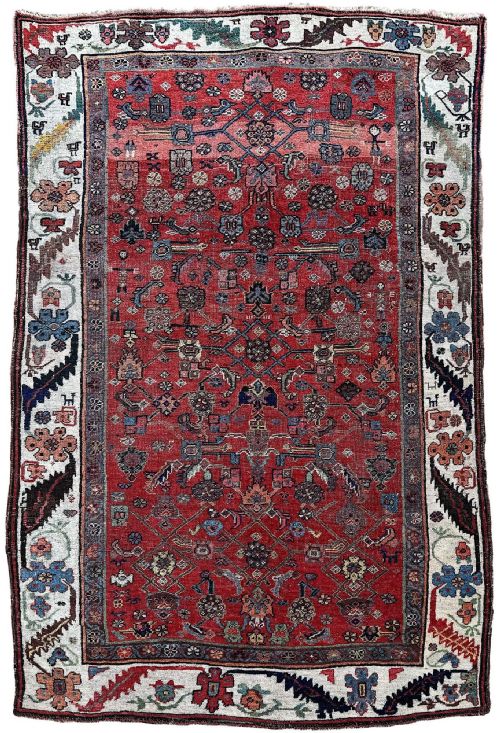
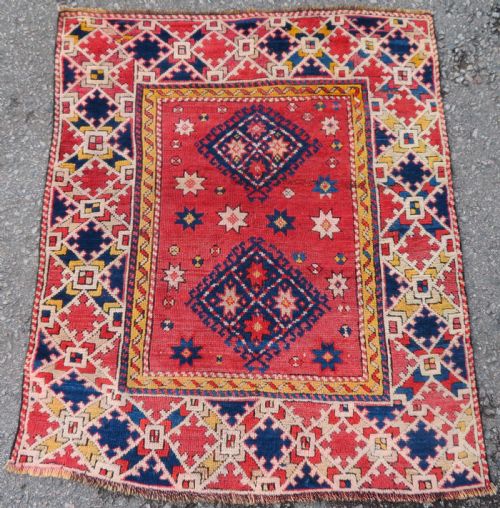
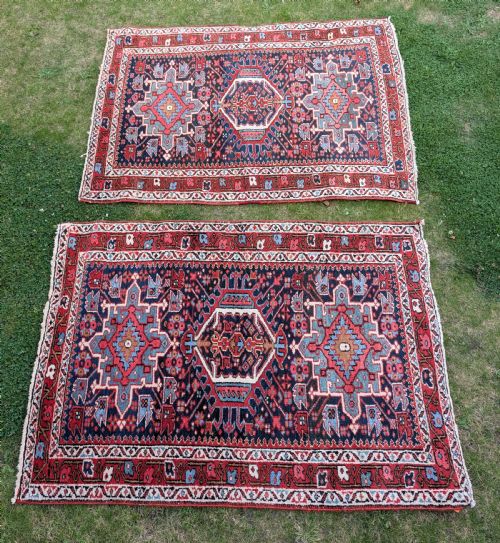
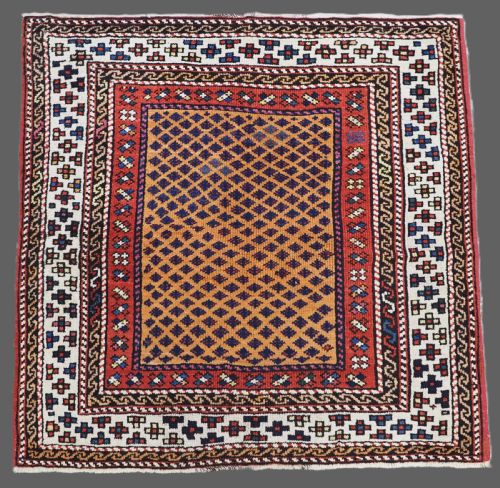
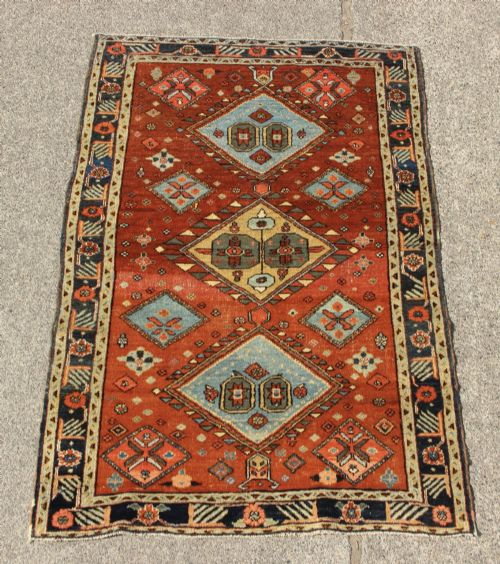
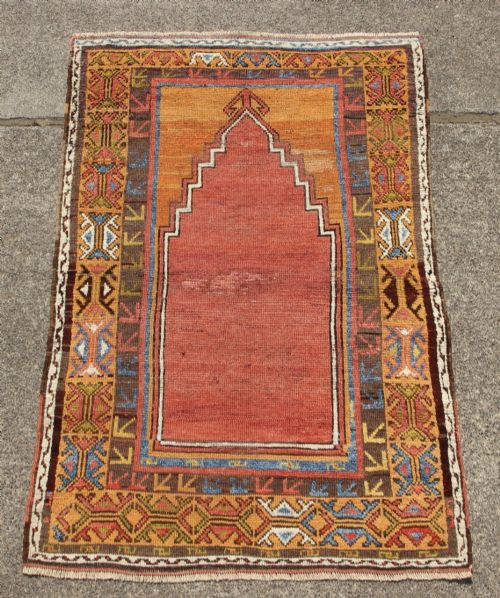
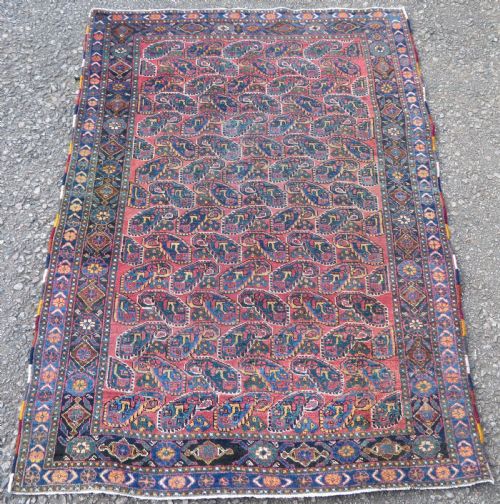
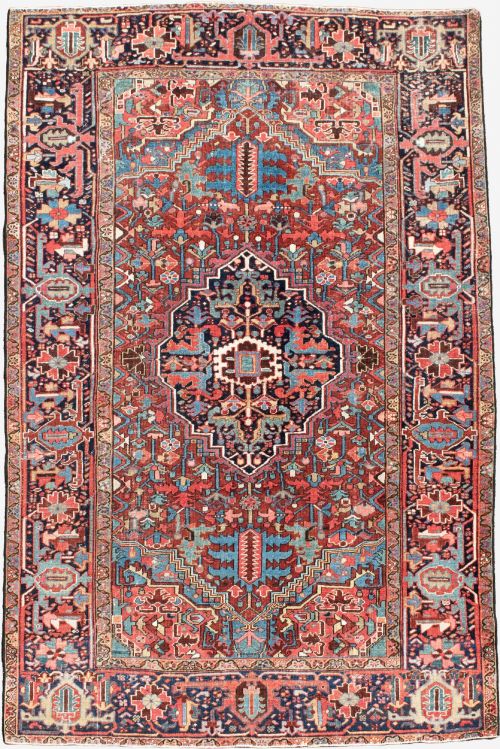
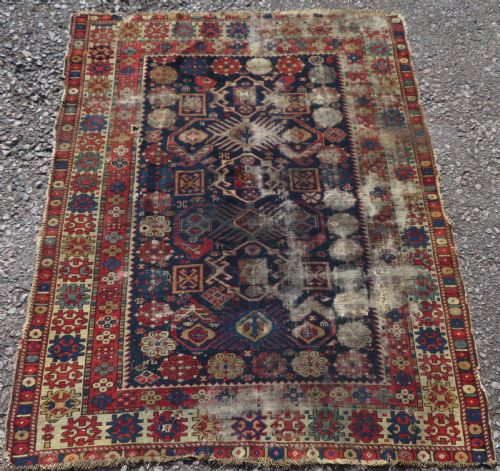
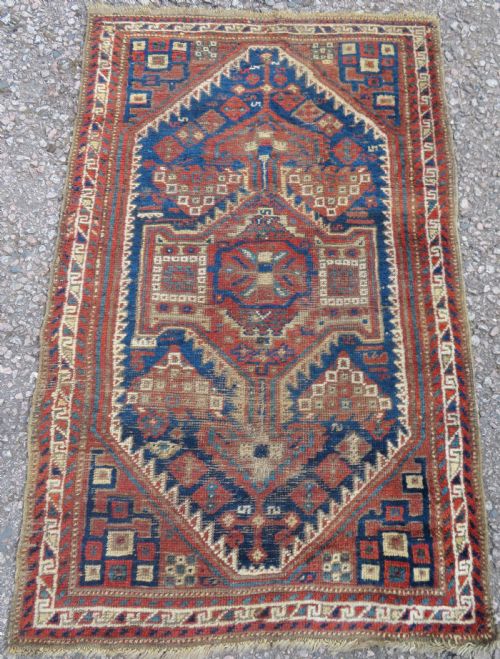
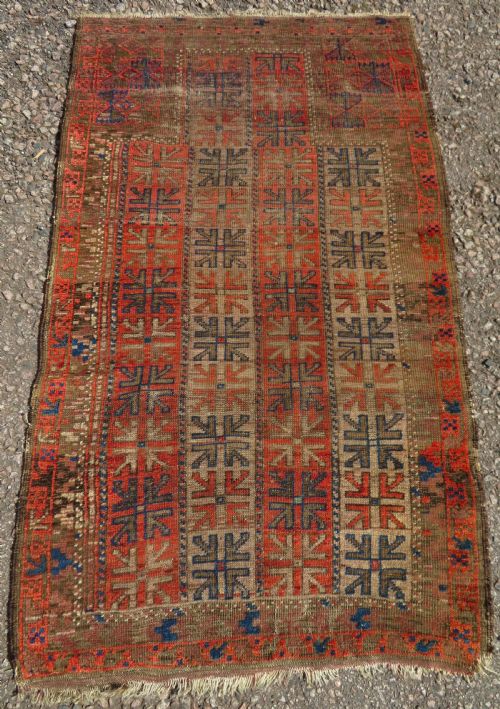
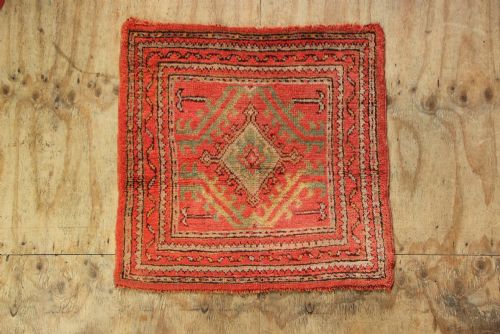
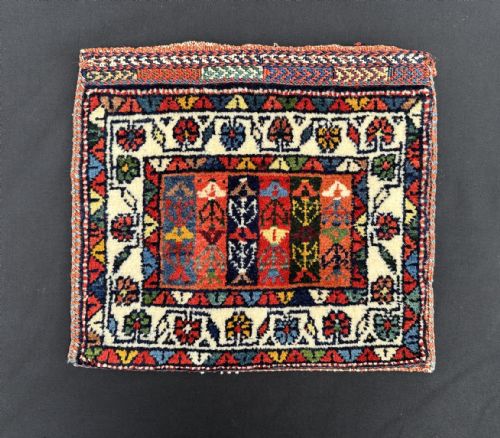
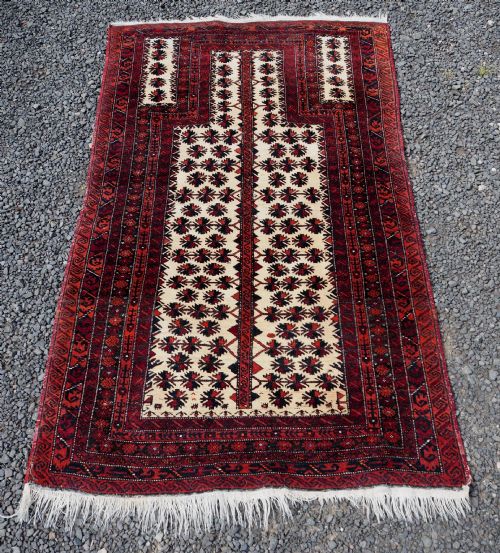
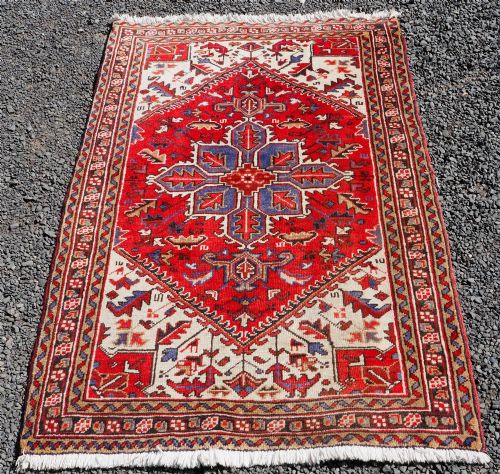
A small red carpet encompasses woven floor coverings and village textiles predominantly rendered in crimson and madder tones. When searching for a small red carpet, buyers encounter hand-knotted tribal and regional examples originating from Persia, Turkey, the Caucasus, and Central Asia. These compact pieces serve as accent rugs, prayer mats, and hearth rugs rather than expansive room-sized coverings.
The selection ranges from nineteenth-century village rugs to early twentieth-century tribal weaves. Examples include Persian Heriz, Afshar, and Baluch pieces alongside Turkish Bergama and Turkmen tent trappings. Each piece reflects the specific weaving traditions and knotting techniques of its maker and origin.
How they were made
These textiles rely on wool, cotton, and natural dyes to build structure and colour. Weavers utilised hand-spun wool for the pile and foundation, often pairing it with cotton warps in later village and city workshops. Natural dyes derived from plants and insects created deep reds, madder hues, and contrasting indigo details that soften gracefully over time.
The construction involves hand-knotting techniques tied onto vertical looms. Tribal weavers worked from memory or customary patterns to produce geometric medallions, prayer niches, and repeating guls. The density of the knotting and the quality of the wool determine the weight and drape of the textile.
Some Turkmen torba faces were made purely to store small treasures inside nomadic tents.
What varies in quality
The quality of a woven textile depends heavily on the handled materials and the precision of the knotting. Finer wools and saturated natural dye palettes elevate a piece, providing depth and resilience to the pile. Uniformity in the weave and clarity of the geometric or floral motifs separate standard village production from finer workshop examples.
Condition and integrity also define the upper tier of these pieces. Original edge bindings, complete borders, and minimal pile loss indicate careful preservation. The artistic vigour of the tribal design and the harmonious balance of the colour scheme ultimately distinguish exceptional textiles from simpler utility items.
The Small Red Carpet Glossary
- Gul
- A medallion or repeating octagonal motif often found in Turkmen and tribal weaving. These motifs typically denote specific tribal lineages and clans.
- Prayer rug
- A small textile featuring a mihrab or arch design indicating the direction of prayer. These rugs were traditionally used for personal devotion.
- Madder
- A natural red dye extracted from the roots of the Rubia tinctorum plant. It produces the characteristic deep red shades seen across many antique tribal carpets.
- Torba
- A small storage bag face produced by Turkmen tribes. These square or rectangular panels were hung inside tents and feature intricate geometric guls.
- Warp
- The vertical threads stretched on a loom that form the foundation of a rug. Weft threads are woven horizontally across these structural elements to secure the knots.
Small Red Carpet: Frequently Asked Questions
Where should I place a small red carpet?
These compact textiles work well in entryways, beside beds, or as accent pieces in sitting rooms. Their rich red tones anchor smaller spaces without overwhelming the floor plan.
Because they originate from diverse tribal traditions, they pair easily with both contemporary interiors and traditional period furniture.
How do I care for antique wool rugs?
Regular gentle vacuuming without a beater bar removes surface dirt and protects the wool pile. Professional cleaning by a specialist familiar with antique textiles prevents dye bleeding and fibre damage.
Keeping the textile out of direct, harsh sunlight preserves the natural dyes over decades of use.
How do I identify a tribal rug?
Tribal rugs typically feature geometric patterns, stylized animals, and repeating symbols rather than elaborate court designs. They are often asymmetric and reflect the personal expression of individual village weavers.
The materials usually consist of hand-spun wool and natural dyes that yield a slightly irregular, rustic charm.
What is a prayer rug?
A prayer rug is a smaller format textile distinguished by a central mihrab or architectural arch design. The weaver sat upon or knelt on the rug during daily devotions.
These pieces often display directional designs intended to be pointed toward Mecca when laid out.