
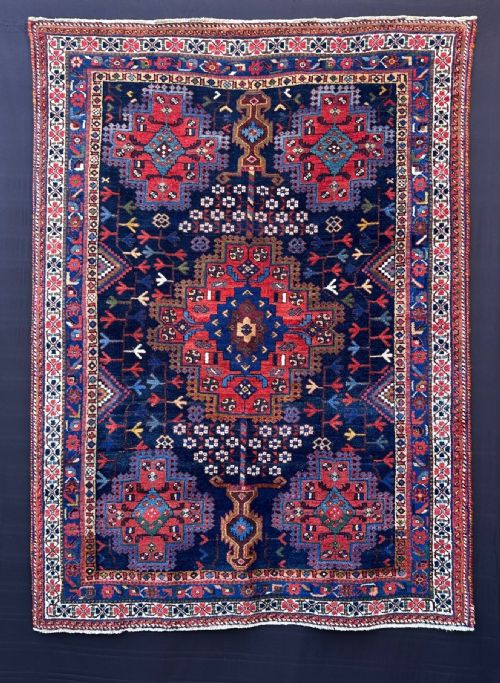


Nomadic Handwoven Carpet
A nomadic handwoven carpet brings the bold geometric patterns and rich tribal history of Persian and Central Asian weavers directly into a modern interior.
Nomadic Handwoven Carpet
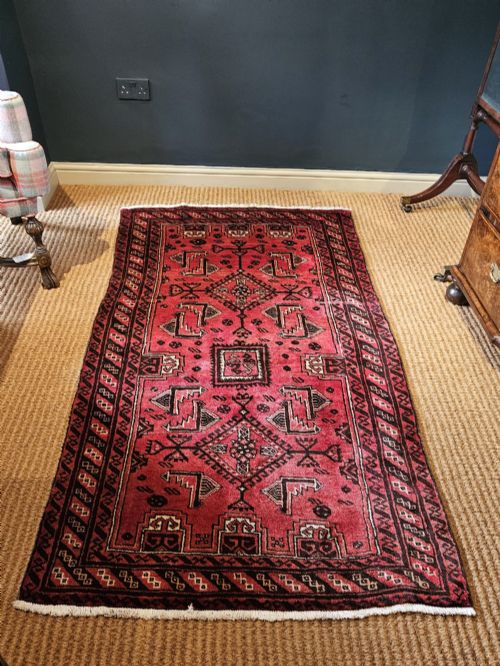
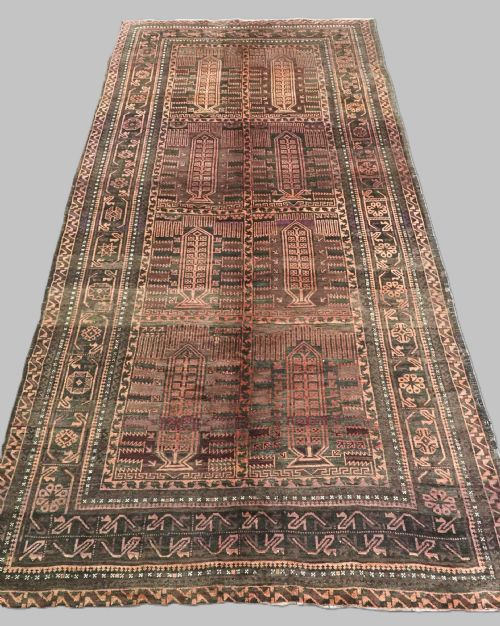
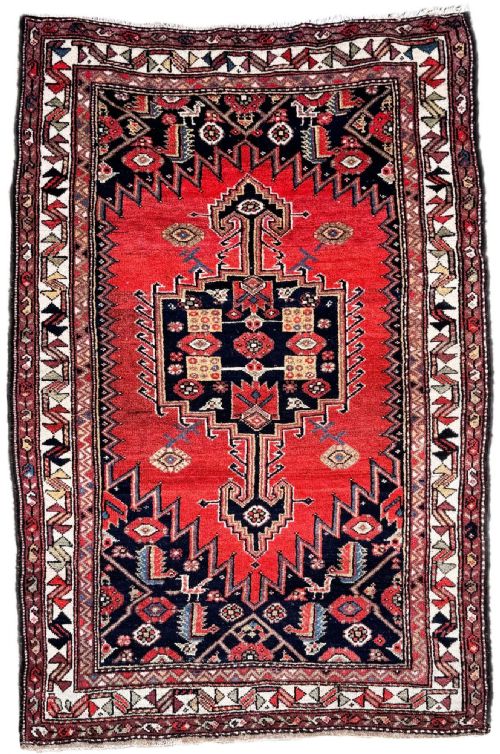
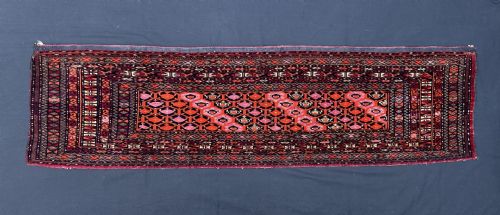
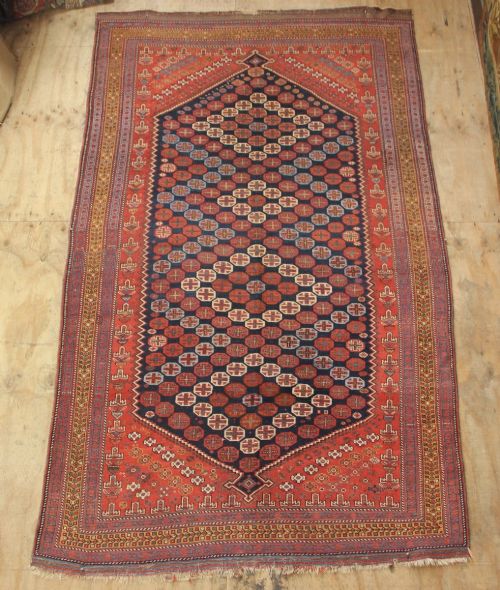
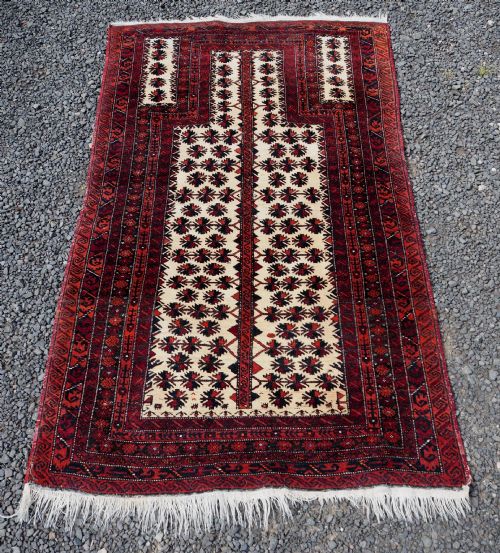
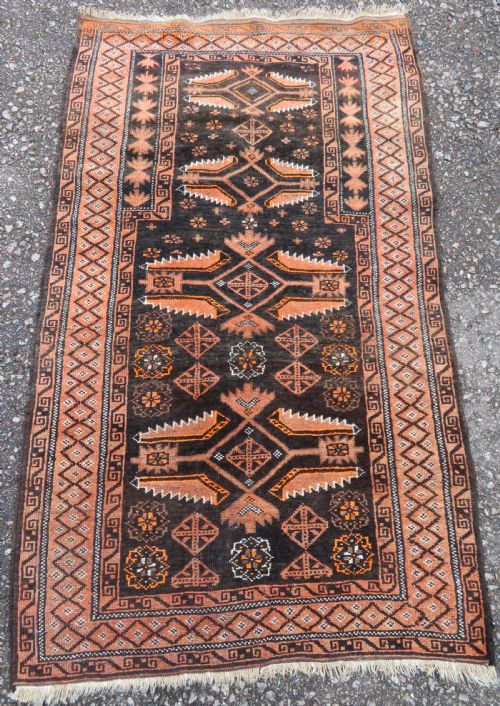
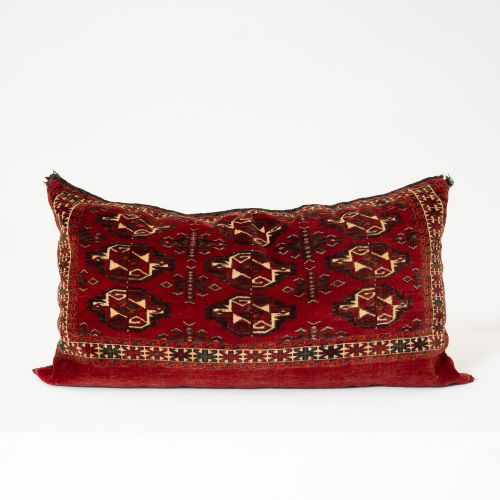
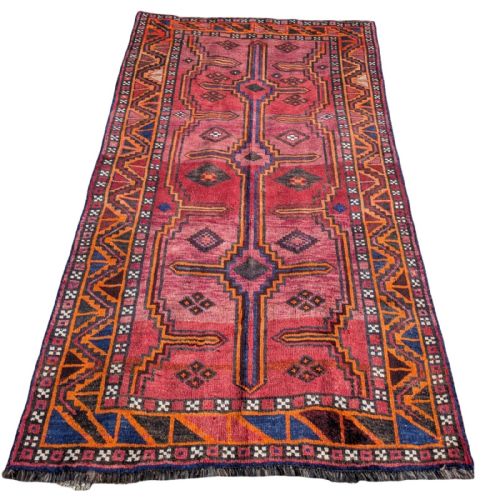
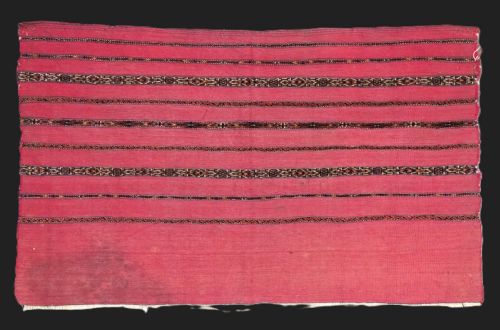
A nomadic handwoven carpet embodies the textile traditions of pastoral groups including the Baluch, Qashqai, Afshar, and various Turkmen tribes. These pieces range from floor rugs and long runners to utilitarian items such as storage bagfaces, saddle bags, and sofreh eating cloths.
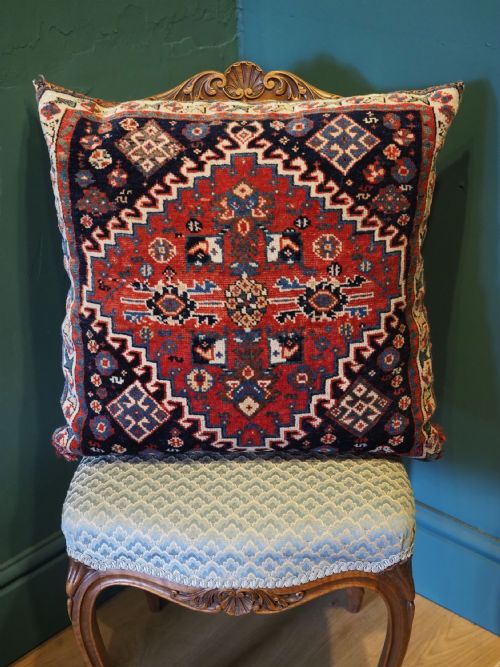
Buyers most frequently encounter smaller formats like scatter rugs and tribal cushions, alongside room-sized carpets dating from the late nineteenth century to the early decades of the twentieth century. Each region and tribe expresses distinct design vocabulary, from the characteristic 'pencil box' motifs of Baluch weavers to the recurring gul patterns of Turkmen groups.
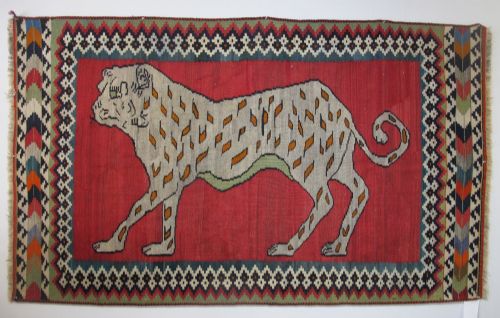
The aesthetic prioritises utility combined with symbolic motifs, often incorporating tree of life designs, geometric lattices, and animal forms. These textiles reflect the nomadic lifestyle through portable formats and robust structures designed for daily camp use.
Materials and construction
The primary structural material is wool, frequently hand-spun to create resilient pile and foundation yarns, sometimes supplemented by cotton warps or goat hair edges for added durability. Natural dyes provide the palette, yielding deep madder reds, indigo blues, and earthy yellows that age with characteristic depth.
Weavers utilise traditional upright or horizontal looms set up in camps or villages, knotting or flatweaving the wool by hand. The density of the weave and the handling of the pile vary according to regional habits and the intended function of the textile, whether a heavy floor covering or a finely detailed bagface.
Listings feature pieces spanning the late nineteenth century to the mid-twentieth century, predominantly utilising hand-spun wool and natural dyes.
Judging the execution
Quality rests in the precision of the hand-spun wool, the clarity of the natural dye palette, and the tightness of the knotting or flatweave structure. Finer examples display meticulous control over complex geometric layouts and balanced proportions.
Artistic vitality distinguishes exceptional weaving from standard production, visible in the confident placement of tribal motifs and the harmonious interaction of secondary colours. The integrity of the original edges and surviving kilim ends also contributes significantly to the standing of the piece.
Baluch Tribe·Qashqai Tribe·Afshar Tribe·Tekke Turkmen·Yomut Tribe
The Nomadic Handwoven Carpet Glossary
- Gul
- A primary octagonal medallion motif frequently repeated across Turkmen and Central Asian carpets. It often denotes specific tribal lineage and ancestry.
- Sofreh
- A utilitarian flatwoven or piled cloth used by nomadic groups for sharing meals or kneading dough. These pieces often feature minimalist or banded geometric layouts.
- Kilim
- A flatwoven tapestry textile produced without a raised pile. This technique is used for entire rugs as well as the protective end panels of carpets.
- Torba
- A small Turkmen storage bag designed for tent use, usually featuring a detailed face panel and a plain weave back. They were traditionally hung against yurt walls.
- Madder
- A natural red dye derived from the roots of the Rubia tinctorum plant. It provides the foundational crimson tones seen across many tribal rugs.
Nomadic Handwoven Carpet: Frequently Asked Questions
How do I identify a tribal rug?
Tribal rugs typically feature geometric motifs, asymmetrical designs, and rich natural dye colours rather than formal court patterns. They often incorporate symbols reflecting pastoral life and regional tribal heritage.
Examining the wool quality and the irregularities inherent in hand-spun materials helps confirm nomadic production rather than city or workshop manufacture.
What is the difference between a rug and a bagface?
A rug is woven as an independent floor covering or hanging, whereas a bagface is the decorative front of a utilitarian nomadic storage sack. Bagfaces are generally smaller and were originally part of larger composite items used for packing belongings during migration.
Collectors often frame or display bagfaces as compact textile art due to their concentrated design work.
Where were these carpets made?
These textiles originate from the tents, villages, and steppes of Persia and Central Asia, spanning regions inhabited by groups such as the Luri, Bakhtiar, and various Turkmen confederations. Weavers worked within specific geographic territories influenced by seasonal migration.
The local availability of materials like sheep's wool and plant dyes directly shaped the appearance of pieces from each specific area.
How should I care for an antique textile?
Protect the piece from direct sunlight to preserve the stability of natural dyes, and use a breathable underlay to prevent slipping and friction. Regular gentle vacuuming without a rotating brush helps remove embedded dust.
Professional cleaning by a specialist familiar with antique vegetable-dyed wool is recommended when deep maintenance becomes necessary.