





Red Oriental Wall Hanging
When searching for a red oriental wall hanging, buyers encounter tribal weavings and textiles originating from Central Asia, Persia, and the Caucasus.
Red Oriental Wall Hanging
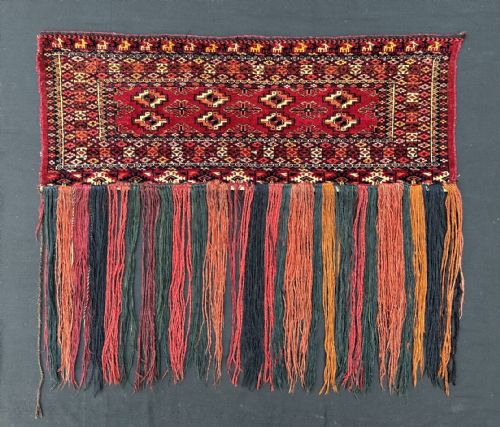
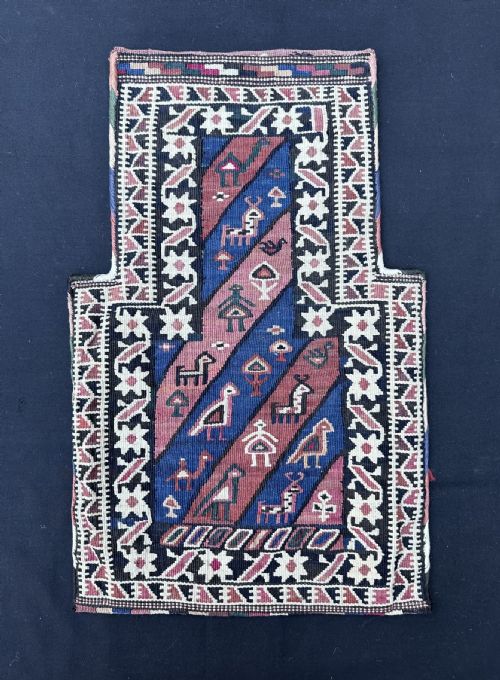
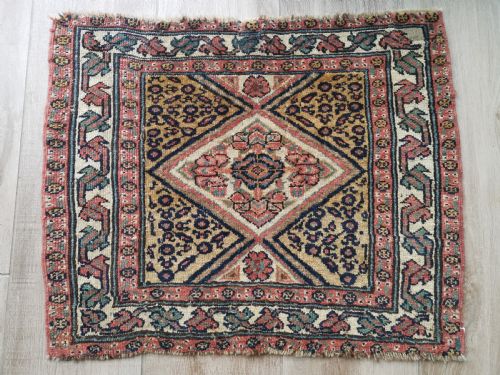
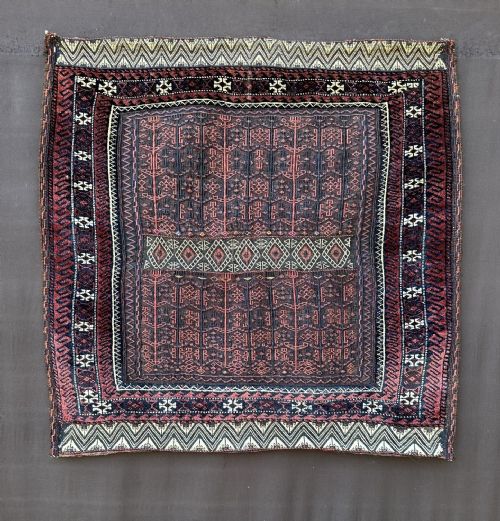
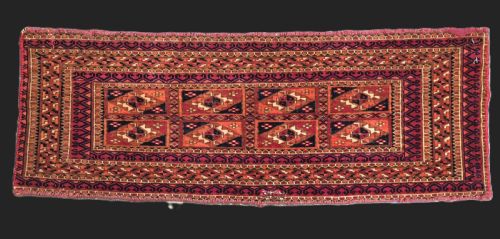
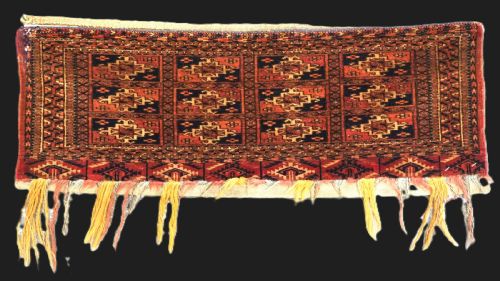
The pieces grouped under the search phrase red oriental wall hanging primarily consist of antique tribal bags, bagfaces, torbas, and small weavings produced by nomadic and village groups. Common forms include storage sacks, saddlebags, and tent trappings created for domestic use or dowries rather than direct display. Buyers frequently encounter fragments, complete bagfaces with hanging loops attached, or mounted textiles adapted for vertical presentation.
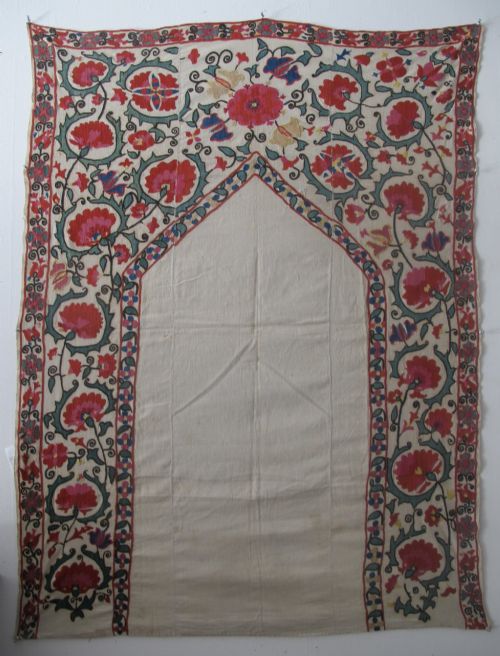
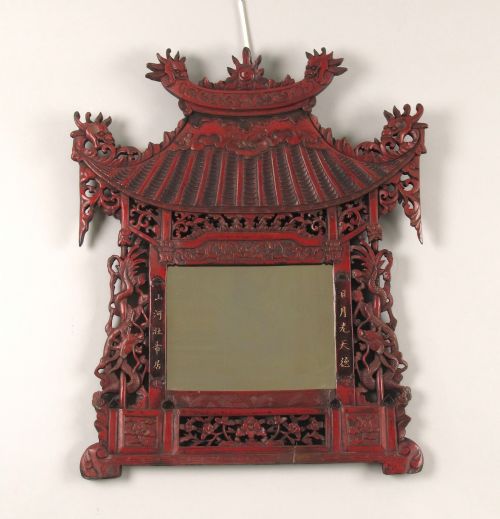
Geographically, the inventory spans Turkmenistan, Persia, Afghanistan, and the Caucasus, alongside embroidered suzanis and occasional carved wooden or lacquer wall elements. Tribal groups such as the Tekke, Yomut, Saryk, Ersari, and Baluch dominate the material, reflecting distinct regional weaving traditions. These items transition readily from functional nomadic gear to decorative wall pieces due to their striking layouts and rich dye palettes.
Materials and construction
Construction relies heavily on hand-spun wool foundations and pile, frequently supplemented by cotton and silk highlights in embroidered or flatwoven elements like suzanis and jajims. Artisans utilised natural dyes derived from plants and insects to achieve enduring red grounds, deep madder tones, and contrasting secondary hues. Wooden items incorporate hand-carved panels, while lacquer pieces utilise layered resin finishes over carved wood bases.
Weaving techniques vary by origin, ranging from symmetrical and asymmetrical knotting in pile rugs and torbas to supplementary weft-wrapping in sumac bagfaces and complex needlework in Rasht embroideries. Many storage bags and trappings retain original plain weave backs, hanging loops, or leather edges which demonstrate their original function before repurposing as wall decorations.
Factors determining quality
Quality in these textiles depends heavily on the fineness of the knotting or embroidery density, the clarity of the design motifs such as guls or architectural elements, and the depth of the natural dyes. Superior examples display precise geometry, well-balanced proportions, and minimal restoration, whereas coarser pieces show wider spacing or simplified motifs.
The handling of materials also dictates standing, with finely spun wool, glossy surfaces, and intact original finishes representing higher execution levels. For embroideries and lacquer items, the crispness of the needlework or carving and the preservation of the surface layer distinguish finer atelier or workshop production from standard domestic output.
The Red Oriental Wall Hanging Glossary
- Torba
- A small Turkmen storage bag traditionally used inside the nomadic tent for bedding or provisions. These pieces typically feature wide proportions and distinct primary guls.
- Chuval
- A large Turkmen tent bag used for household storage, often displaying multiple rows of major gul motifs. They frequently survive as cut faces intended for wall hanging.
- Suzani
- A large, decorative embroidered textile from Uzbekistan executed in silk or cotton on a cotton ground. Designs frequently incorporate floral vines, medallions, and architectural elements.
- Gul
- A repeated primary medallion motif characteristic of Turkmen and other Central Asian tribal carpets and bagfaces. Each major tribal group utilised distinct geometric gul variations.
- Jajim
- A brightly coloured flatwoven textile produced in narrow strips and joined together, often utilised as bedding or covers. They are frequently mounted for vertical display.
- Sumac
- A flatweaving technique where pattern-wefts are wrapped around the warp threads before the next pick, creating a ribbed surface texture. This method provides durability and structural firmness to saddlebags.
Red Oriental Wall Hanging: Frequently Asked Questions
What is a red oriental wall hanging?
These items are principally antique tribal weavings, storage bags, and embroidered textiles originating from Central Asia, Persia, and the Caucasus. They are adapted for interior display due to their striking red colour fields and intricate geometric patterns.
Most examples derive from nomadic or village traditions, encompassing formats such as torbas, chuvals, and suzanis created during the nineteenth and early twentieth centuries.
How were these tribal bags originally used?
Nomadic groups utilised these woven pieces as functional storage sacks, camel bags, saddlebags, and tent trappings to organise belongings within portable dwellings. Many formed part of a bride's dowry.
Items like torbas and chuvals held household items or bedding, while smaller bags carried specific items like spindles or salt.
How do I hang a textile safely?
Textiles require weight distribution across the entire top edge rather than localized pinning or nailing to prevent fibre distortion. Professional mounting often involves stitching the piece to a supportive fabric sleeve or backing.
Display locations should avoid direct, strong sunlight to protect natural dyes from fading over time.
How can I tell different tribal designs apart?
Tribal attribution relies on identifying specific primary motifs, such as the repeating guls characteristic of Tekke, Yomut, or Ersari weavers in Turkmenistan. Colour palettes, secondary borders, and structural weave types also provide clear regional indicators.
Comparing knot counts, wool characteristics, and edge finishes helps separate Caucasian work from Persian or Central Asian production.