

Tapered Leg Table
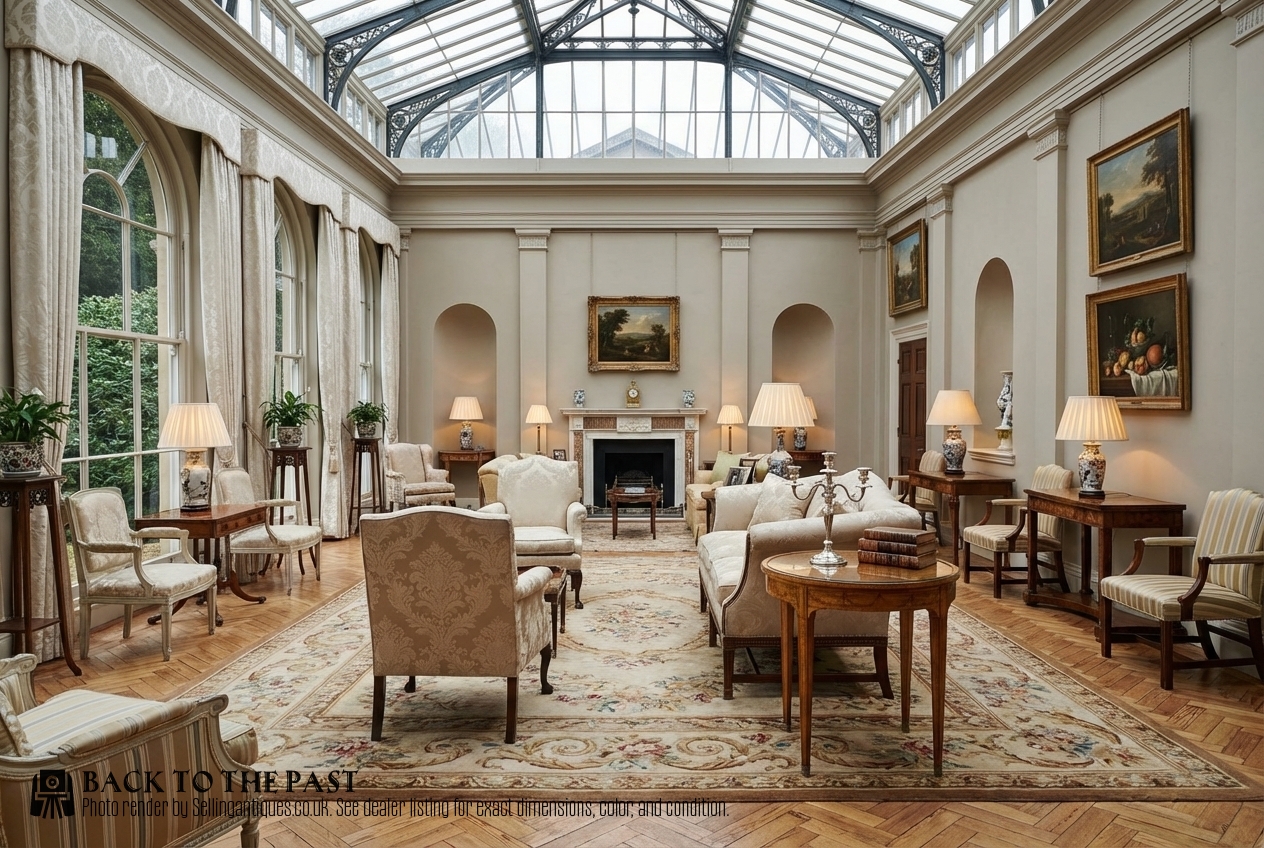
These tapered leg tables bring clean vertical lines and proportion to any room, offering versatile surfaces from grand dining to compact side storage.
Tapered Leg Table
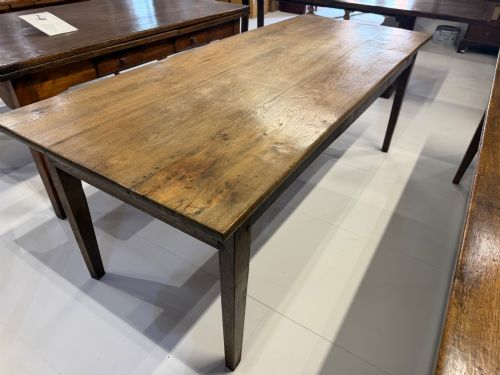
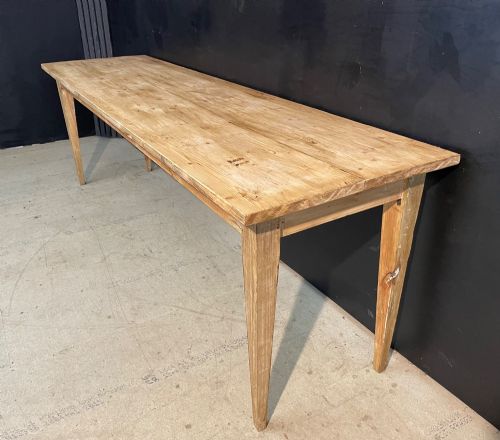
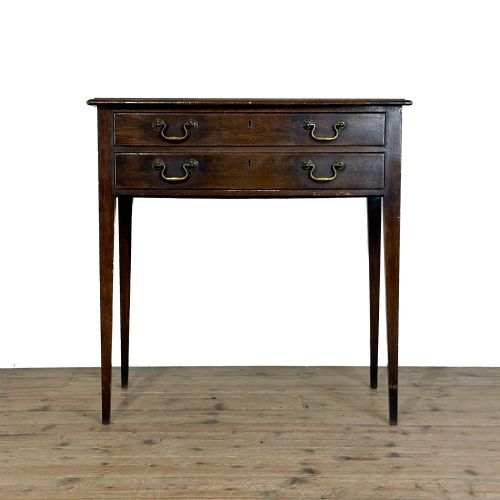
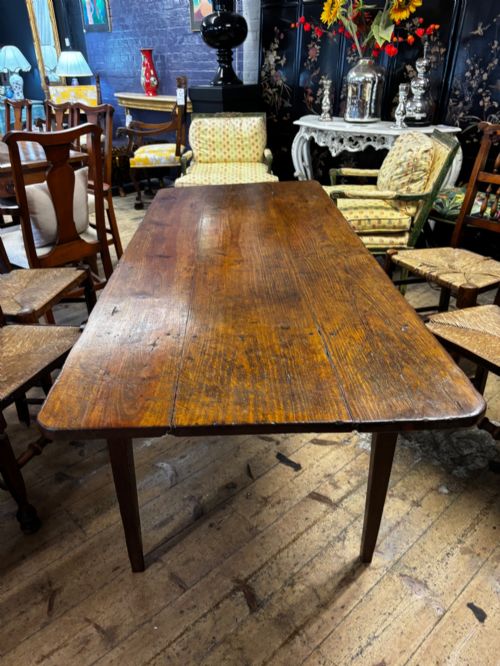
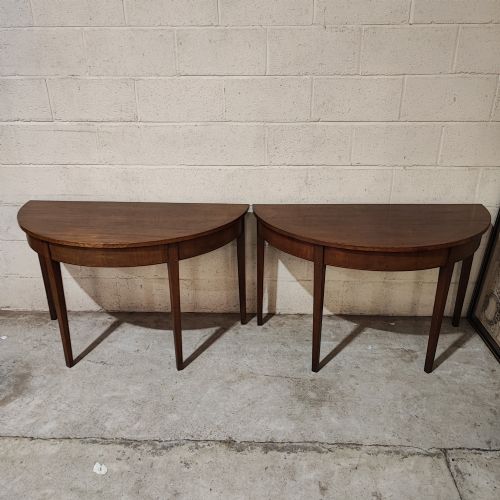
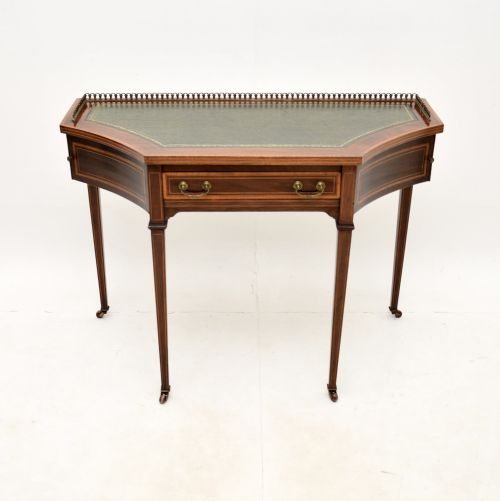
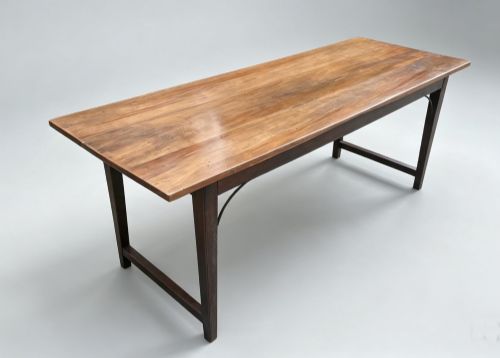
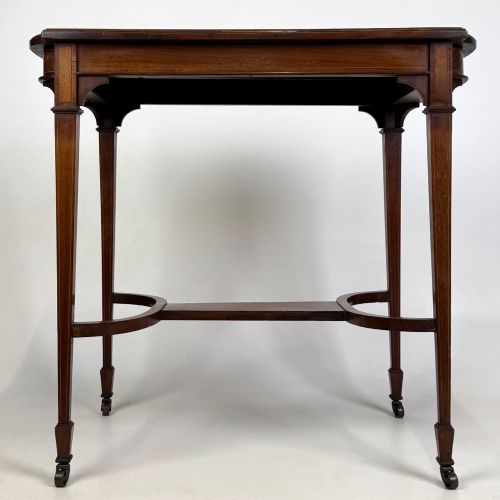
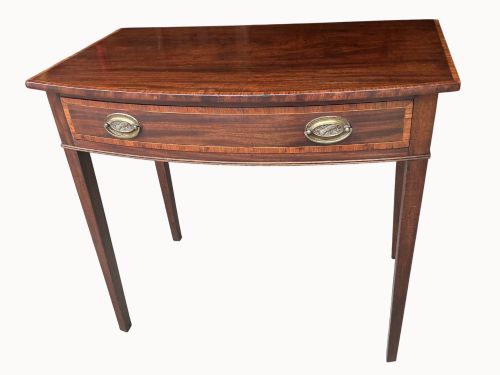
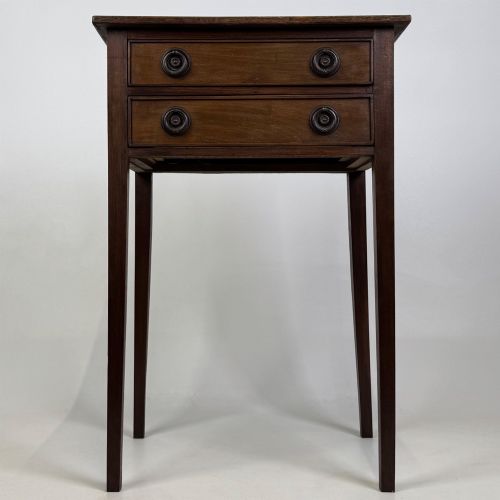
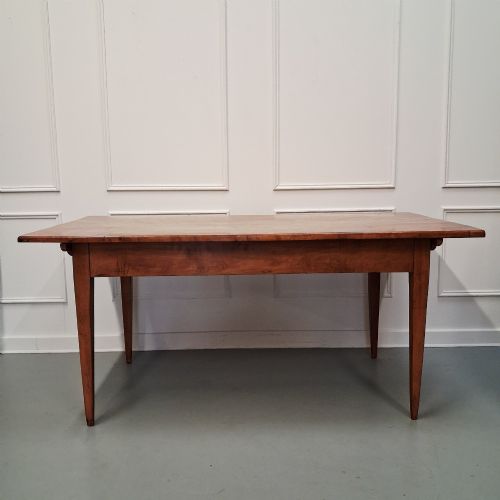
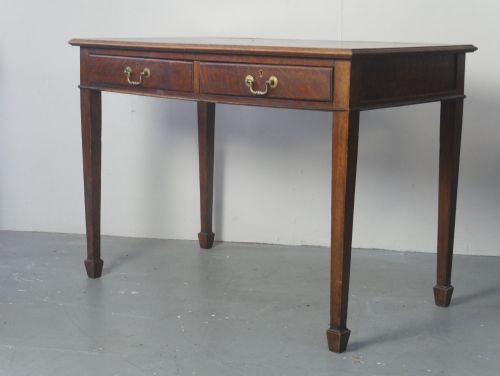
A tapered leg table encompasses diverse utilitarian and formal forms, ranging from expansive farmhouse and dining tables to intimate side tables, desks, and console tables. Buyers seeking this search phrase encounter pieces spanning the Georgian, Victorian, and Edwardian eras, alongside rustic farmhouse examples.
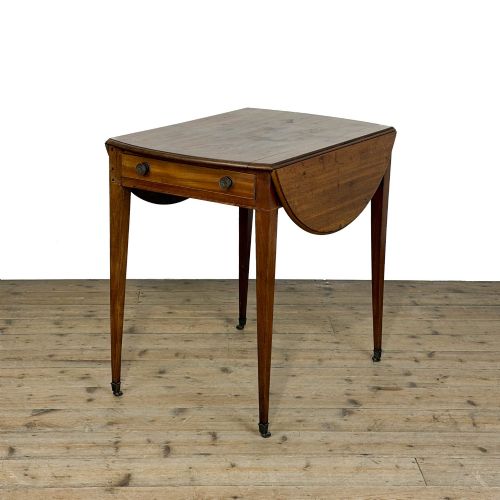
The selection on this page relies heavily on mahogany, oak, and fruitwood creations from the eighteenth and nineteenth centuries. Dining and kitchen tables share space with delicate pembroke tables, card tables, and writing desks resting upon those characteristic narrowing supports.
Originating predominantly from British and French traditions, these items showcase stylistic shifts from formal neoclassical design to country practicality. The structural constant remains the narrowing leg, which lightens the visual weight of timber furniture.
Materials and construction
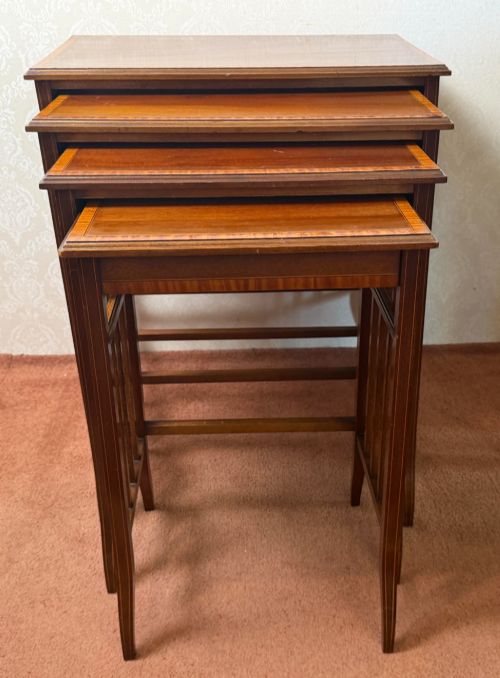
Cabinet makers utilised dense hardwoods like mahogany and walnut for formal pieces, often pairing them with contrasting inlay materials such as satinwood, boxwood, and brass. These timbers provided the structural stability required for slender supports.
Rustic and country variants relied on native oak, pine, cherry, and fruitwood to build sturdy dining and farmhouse tables. Carpenters joined these domestic woods using traditional methods suited to daily kitchen and dining use.
Tapered Leg Table Retail Price Guide 2026
Typical asking prices for tapered leg table among the pieces listed under this phrase on Sellingantiques today, from the lower quarter to the upper quarter. They describe what is for sale here now, not the wider market.
Materials span domestic oak and pine to exotic mahogany and satinwood, highlighting diverse regional European cabinet-making traditions.
Gradations of craftsmanship
Excellence in these tables rests upon timber selection and refinement of detail, distinguishing standard utility items from high workshop output. Figured mahogany veneers and precise cross-banding elevate formal console and card tables.
Structural integrity of the narrowing legs separates superior pieces from lesser examples, ensuring the base bears weight evenly without wobble. The crispness of inlaid borders and the harmonious grain matching across folding leaves signal skilled execution.
François Linke
The Tapered Leg Table Glossary
- Demi-lune
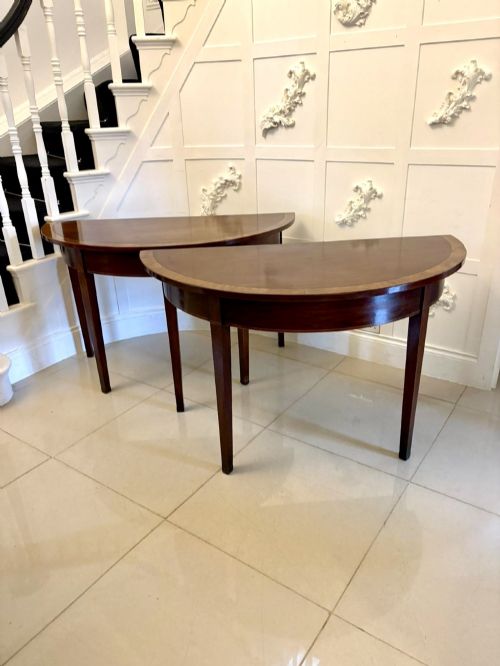
- A half-moon shape commonly utilised for console and card tables designed to sit flush against a wall. These tables often fold out or pair together to form a full circle.
- Pembroke table
- A small, versatile table featuring two hinged drop leaves on opposing sides. It frequently incorporates a single drawer and slender tapered legs.
- Cross-banding
- A decorative border of veneer laid with the grain running perpendicular to the main surface. This technique frames table tops and drawer fronts with contrasting timber.
- Lowboy
- A small seventeenth or eighteenth-century dressing or side table fitted with one or more drawers. It stands on relatively tall legs relative to its shallow body.
Tapered Leg Table: Frequently Asked Questions
How do I use a console table?
Console tables fit neatly against hallways or living room walls, providing a surface for lamps, mirrors, or decorative objects. Semi-circular variants can be pulled into the centre of a room when paired together.
Many demi-lune versions also feature folding tops that convert a slim wall console into a card table for evening gatherings.
What is a pembroke table used for?
A pembroke table serves as a flexible surface that expands when its drop leaves are raised. Historically utilised for writing or breakfasting, it works well in smaller rooms where permanent large furniture is impractical.
The drop leaves allow the table to sit compactly against a wall until extra surface area is required.
How do I date a mahogany table?
Dating relies on observing construction methods, timber choice, and prevailing furniture styles like Georgian or Edwardian. Eighteenth-century examples often display denser, heavily figured mahogany with hand-cut joinery.
Later nineteenth-century pieces may incorporate machine-sawn elements and different secondary woods behind the primary mahogany veneers.
Are farmhouse tables suitable for daily dining?
Farmhouse tables in oak, pine, or fruitwood were built for heavy domestic use and tolerate daily dining well. Their robust construction handles family meals while accommodating varied seating arrangements.
Periodic maintenance of the timber surface keeps these tables resilient against everyday kitchen activity.