



Swedish Neoclassical Bench
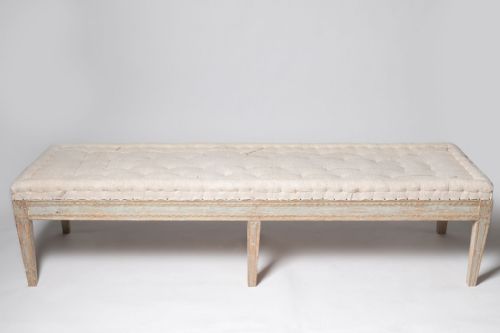
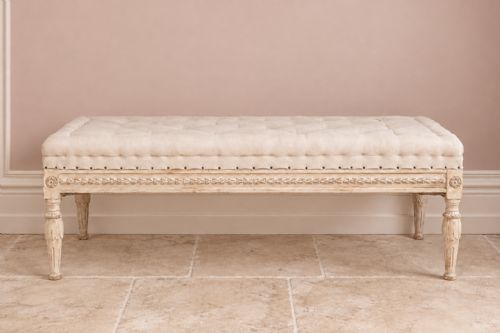
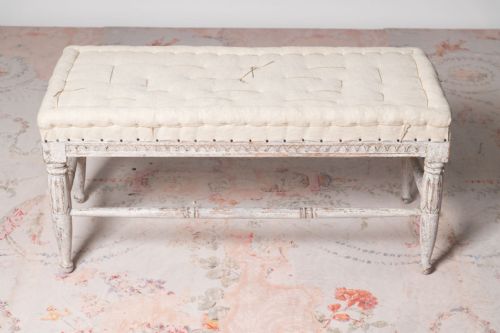
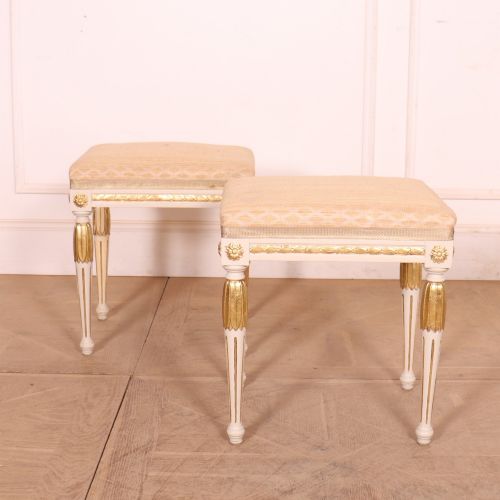
These Swedish neoclassical bench options bring restrained Nordic elegance to a room through clean lines and pale painted wood.
Swedish Neoclassical Bench
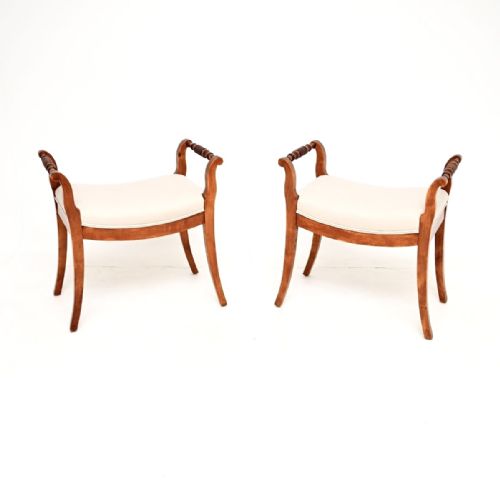
A swedish neoclassical bench search reveals seating forms spanning from the eighteenth century to the early twentieth century, encompassing items described as sofas, settees, and stools. The selection ranges from eighteenth century settees to pieces dating around nineteen hundred, reflecting long traditions of Scandinavian cabinet-making.
Buyers frequently encounter variations labelled as Gustavian, Gustavian neoclassical, Swedish Empire, and Swedish Grace styles. These forms often merge structural restraint with classical proportions, serving as functional seating or decorative focal points in domestic interiors.
How they were made
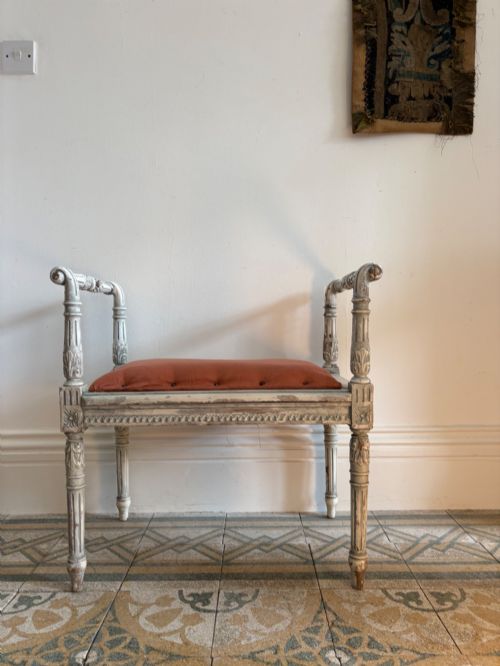
Maker construction relies heavily on wood types such as birch, alongside painted wood and giltwood surfaces that define the characteristic Scandinavian aesthetic. Carved details emerge on specific frames, showing traditional joinery and surface preparation.
Upholstery forms an essential component of these pieces, utilising fabrics like linen, silk, and cotton to cover seats and cushions. The combination of exposed painted timber and textured textile coverings reflects the dominant crafts of the period.
Swedish Neoclassical Bench Retail Price Guide 2026
Typical asking prices for swedish neoclassical bench among the pieces listed under this phrase on Sellingantiques today, from the lower quarter to the upper quarter. They describe what is for sale here now, not the wider market.
Some nineteenth century makers apparently believed that no Swedish bedroom was complete without an elongated birch stool for resting tired legs.
What varies in quality
Quality differences stem from the fineness of the wood carving and the crispness of the painted or giltwood finishes applied to the frame. Pieces featuring sophisticated neoclassical proportions and deliberate detailing demonstrate higher craftsmanship than simpler vernacular versions.
The integrity of the original structure and the choice of covering materials, whether fine silk or durable linen, influence the overall character of the piece. Surviving historical finishes hold distinct appeal for collectors seeking authenticity.
The Swedish Neoclassical Bench Glossary
- Gustavian
- The Swedish neoclassical style inspired by French design during the reign of King Gustav III. It is characterised by lighter proportions, straight tapered legs, and restrained classical ornamentation.
- Swedish Empire
- A Scandinavian adaptation of the French Empire style prevalent in the nineteenth century. This aesthetic favours darker woods like birch, bolder classical motifs, and occasional giltwood accents.
- Giltwood
- Wood that has been coated with thin gold leaf or powder. This technique highlights carved architectural details on frames.
- Settee
- A long upholstered seat with a back and arms, designed for multiple occupants. These forms are frequently found in eighteenth and nineteenth century Nordic interiors.
Swedish Neoclassical Bench: Frequently Asked Questions
How do I style a Swedish neoclassical bench?
Integrate these seats into hallways, bedrooms, or living spaces where their pale painted finishes can contrast against neutral or dark walls. They function well as standalone statement pieces or paired with complementary antique furniture.
Keep surrounding decor understated to let the classical proportions and carved wood details remain the focal point of the room.
What periods do these pieces come from?
The available examples span from the eighteenth century through the nineteenth century and into early twentieth century manifestations around nineteen hundred. Each era brings distinct shifts in ornament and finish.
Earlier pieces often align with the strict Gustavian movement, while later items embrace Swedish Empire or Swedish Grace interpretations.
How should I care for painted wood?
Maintain painted wooden surfaces by dusting them gently with a dry, soft cloth to prevent accumulation. Avoid harsh chemical cleaners that can strip or degrade historical paint.
Keep the timber away from direct sunlight and excessive moisture fluctuations to preserve the finish and underlying wood integrity.
What fabrics are used for upholstery?
Original and replacement coverings typically feature traditional textiles such as silk, linen, and cotton. These materials complement the lighter tones of the painted frames.
Selecting appropriate period-style fabrics helps maintain the historical character when conservation or reupholstery becomes necessary.