
Still Life Flower Painting
A still life flower painting brings botanical studies and vibrant arrangements into a room with enduring presence.
The Nature of Still Life Flower Painting
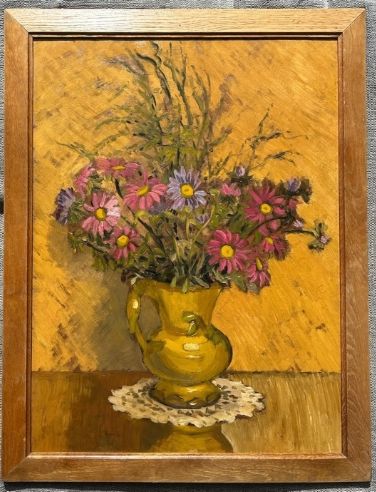
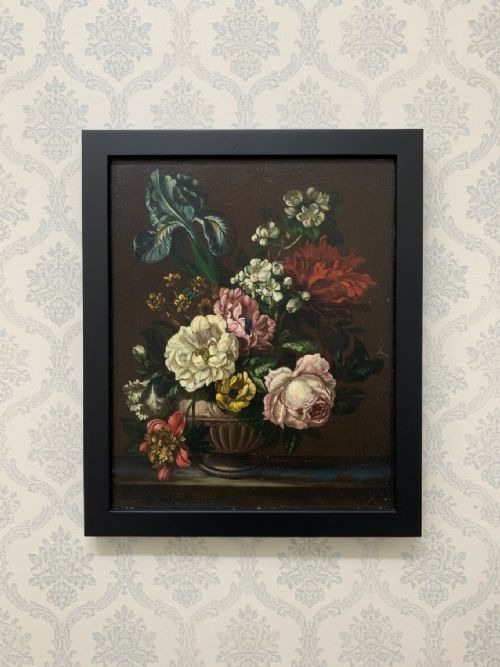
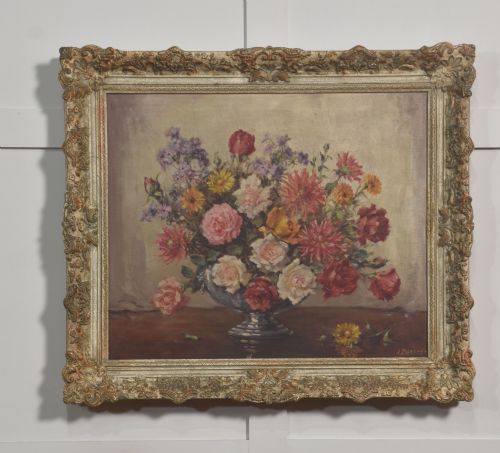
Still life flower painting captures arranged blooms, vessels, and natural objects across canvas, panel, metal, and paper supports. These works range from early eighteenth-century compositions to mid-twentieth-century interpretations, including Edwardian and traditional English and French school styles.
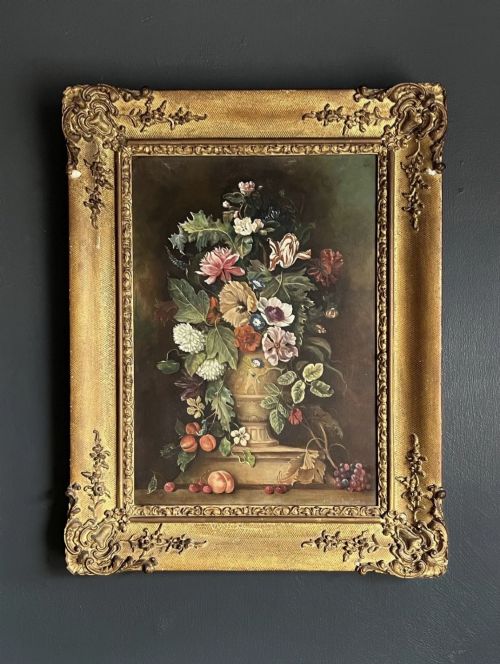
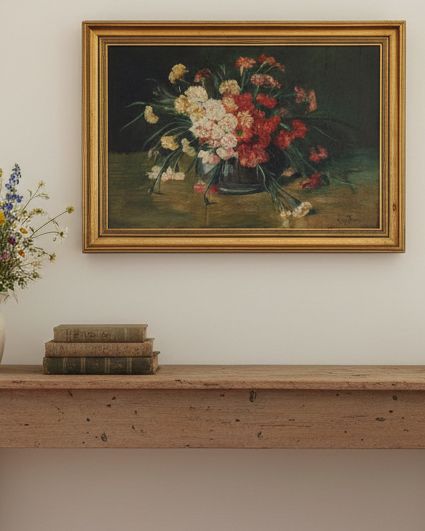
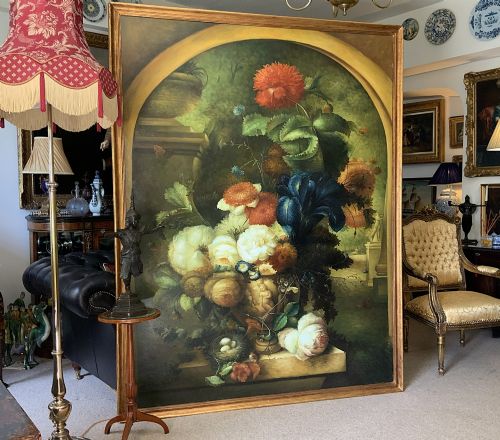
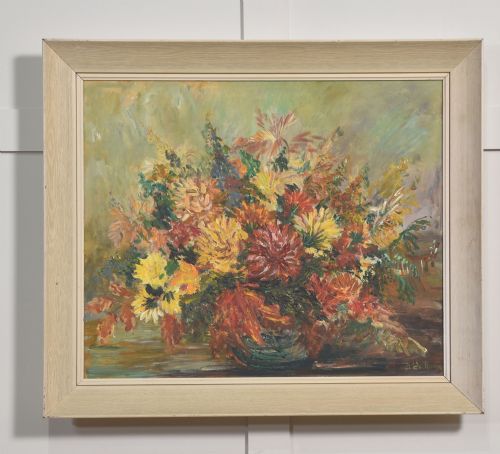
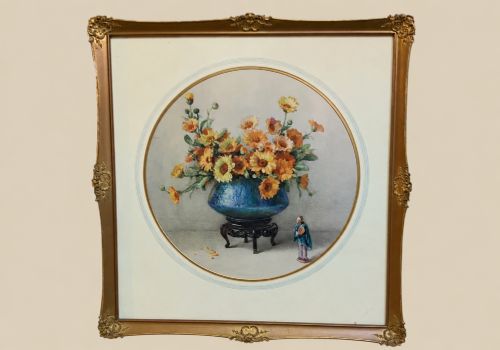
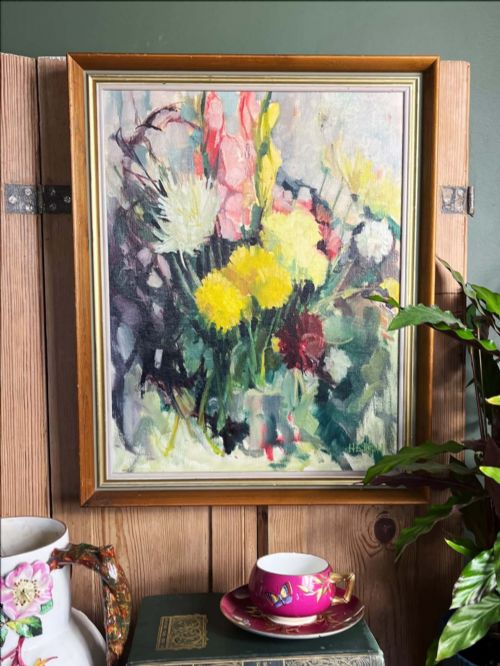
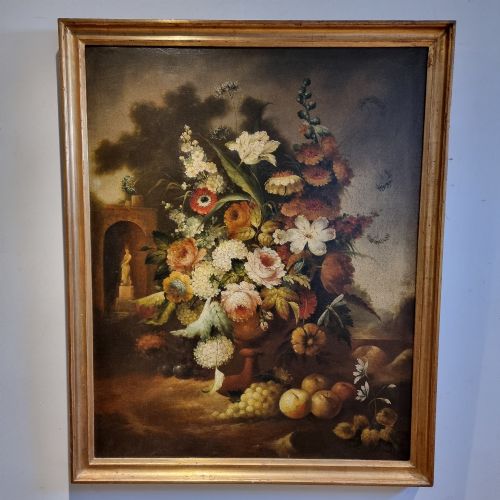
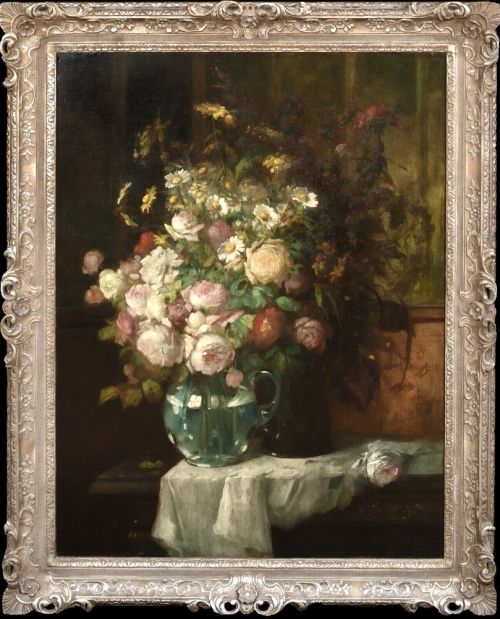
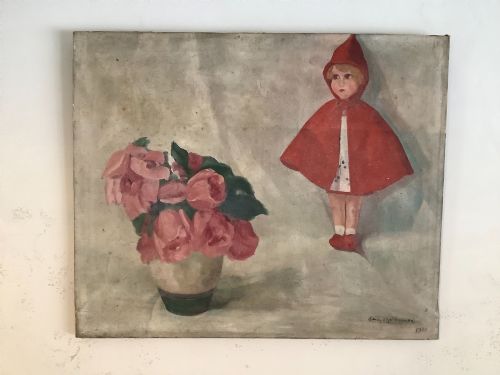
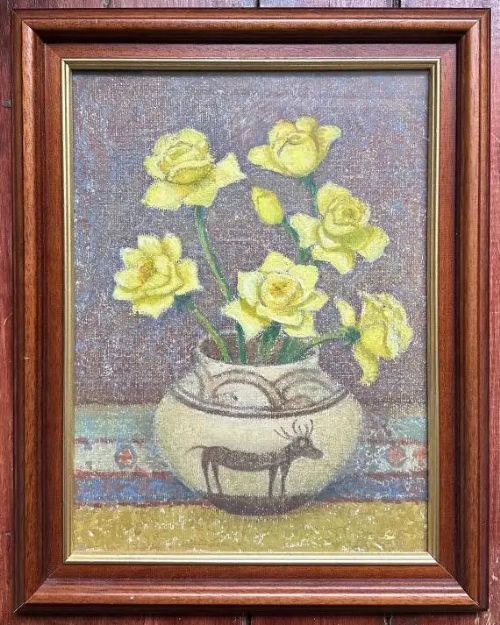
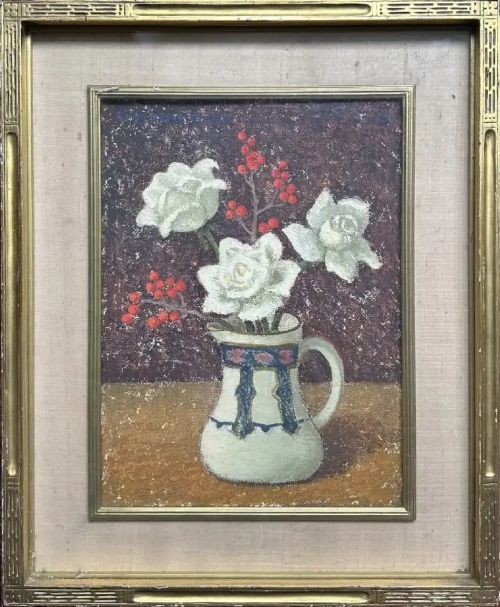
The most common examples on this page are oil paintings and watercolours depicting cut flowers in vases, bowls, and jugs, alongside occasional prints and oleographs. Subjects vary from simple studies of carnations and peonies to elaborate Dutch-style floral arrangements complete with insects and fruit.
Materials and Construction
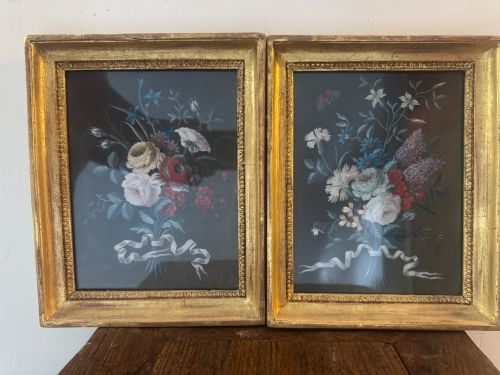
Artists painted these floral studies primarily in oil paint or watercolour, applying pigment to stretched canvas, wooden panels, metal panels, card, or heavy paper. Watercolours frequently appear under glass within protective mounts, while oil paintings often sit on canvas or board.
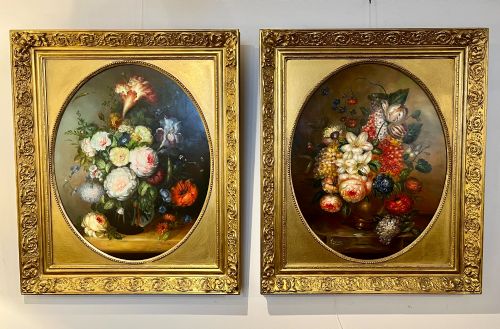
Many of these works are housed in period frames made of wood, gesso, and giltwood that complement the palette of the painting within.
Retail Price Guide 2026
Typical UK retail prices for still life flower painting, calculated from the Sellingantiques database of over a million retail prices indexed since 2003. This retail price guide relies exclusively on Sellingantiques data; no external sources or auction records are used, so the figures do not describe the wider market.
Several floral arrangements share table space with visiting butterflies, birds' nests, and stray domestic pets.
Distinctions in Quality
Quality in these floral works rests upon the confidence of the brushwork and the natural arrangement of light and shadow across the petals and leaves. Finer examples display a careful balance in composition and depth, rendering flora with distinct botanical accuracy rather than rigid symmetry.
The integration of the supporting vessel and background surfaces separates standard decorative works from more accomplished artistic studies. Period framing also contributes to the integrity of the piece, with original giltwood surrounds enhancing the overall visual weight.
Harold Clayton·Gertrude Hayes·Alice Macallan Swan·Henry Farmer·Albert E Jackson·Mary E Oddie·Phyllis I Hibbert·E M Davies·Isabelle Cohen·Giuseppe Pesci·M Clay·Charles-Gilles Dutillieu·Giuseppe Vincenzino·William Greaves·Olive Higginbottom·Simon Hardimé·Evelyn Chester·H C Mellor·Pauline Boumphrey
The Still Life Flower Painting Glossary
- Oleograph
- A type of chromolithographic print textured to imitate an oil painting. It uses oil-based inks applied to canvas or heavy paper.
- Gesso
- A plaster-like mixture applied to wooden frame mouldings as a smooth base for gilding. It allows for intricate, moulded decorative details.
- Giltwood
- Wood carved and coated with gold leaf or metallic powder. It provides a reflective, ornate border for traditional artworks.
- Watercolour
- A painting method where pigment is suspended in a water-soluble binder. It is traditionally applied to paper supports.
- Dutch Style
- An artistic approach emulating seventeenth-century Northern European floral painting. It emphasises rich detail, dark backgrounds, and diverse botanical species.
Frequently Asked Questions
What subjects appear in these paintings?
These works primarily depict cut flowers arranged in vessels such as jugs, bowls, and vases. Common floral subjects include carnations, peonies, roses, chrysanthemums, and wild blossoms.
Some compositions incorporate additional elements such as butterflies, birds' nests, fruit, and stoneware pottery to enrich the botanical scene.
How do I hang a still life painting?
Selecting a wall with balanced natural light helps prevent glare, particularly on oil paintings housed behind glass or within reflective giltwood frames. Ensuring the piece sits at eye level allows the detail of the brushwork to be appreciated.
Parks of heavier oil paintings on canvas require secure fixings into wall studs or appropriate masonry plugs to support the weight of the wooden frame.
How are different periods identified?
Dating relies upon stylistic cues, artist signatures, and the physical materials of the support and frame. Eighteenth-century examples often lean toward dark Dutch-style arrangements, while twentieth-century pieces adopt looser brushwork or brighter palettes.
Written inscriptions, maker labels on the reverse, and framing techniques offer further clues to the decade of creation.
How do I care for antique watercolours?
Watercolour paintings require protection from direct sunlight to prevent the pigments from fading over time. Maintaining a stable indoor environment away from excessive moisture protects the paper support and the surrounding mount.
Glazed pieces should remain sealed within their frames to keep dust and atmospheric pollutants away from the delicate paint surface.