



Sterling Silver Salt Dish
When you set out to acquire a sterling silver salt dish, you are choosing a piece of functional dining history shaped by skilled silversmiths.
Sterling Silver Salt Dish
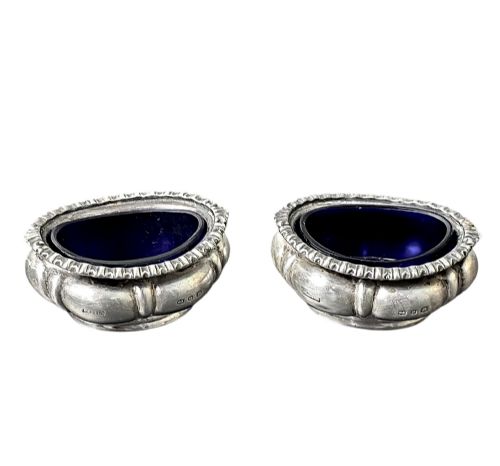
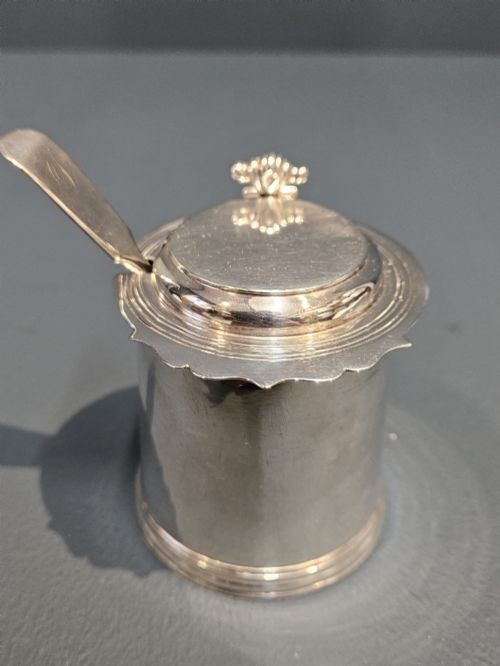
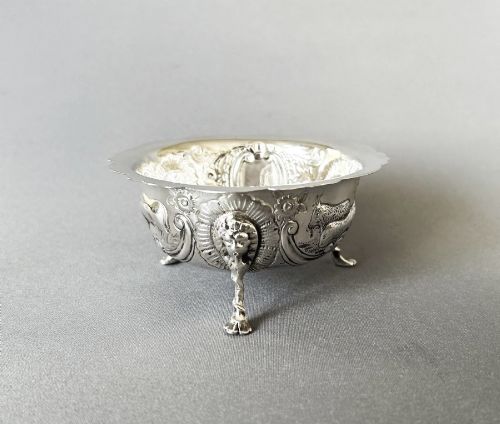
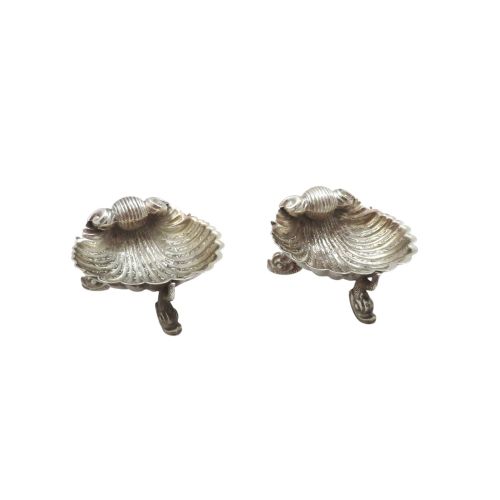
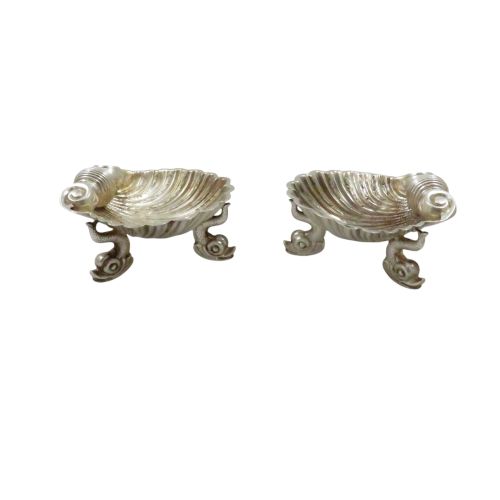
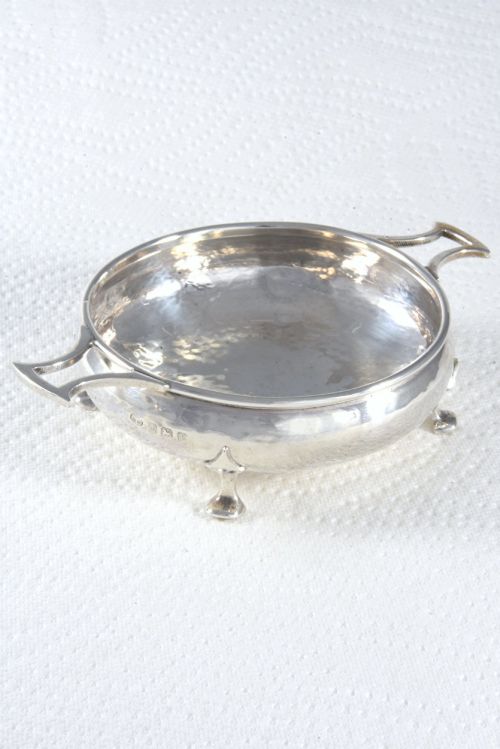
A sterling silver salt dish serves as a traditional table vessel designed to hold coarse salt for individual diners or communal placement. Collectors encounter varied forms ranging from early Georgian pedestal bowls to ornate Victorian shell designs resting on dolphin feet.
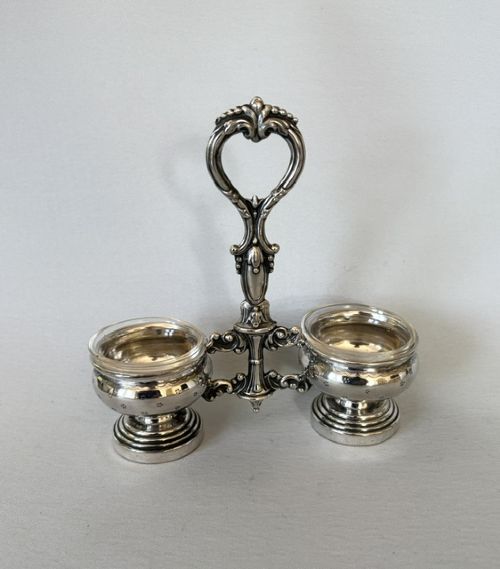
The pieces appearing on this page span several centuries, encompassing Georgian, Victorian, and Edwardian periods. Makers utilised robust sterling silver alongside Britannia silver, frequently pairing the metal with cobalt glass liners or gilt interiors.
Materials and construction methods
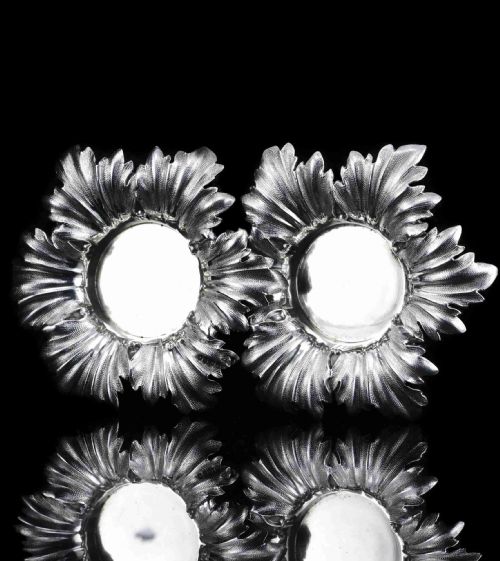
Silversmiths employed techniques such as casting, hammering, and detailed foliate chasing to create sturdy bodies and decorative motifs like naturalistic flowers or animal figures. Many examples incorporate removable cobalt glass liners that protect the silver from corrosive saline contents.
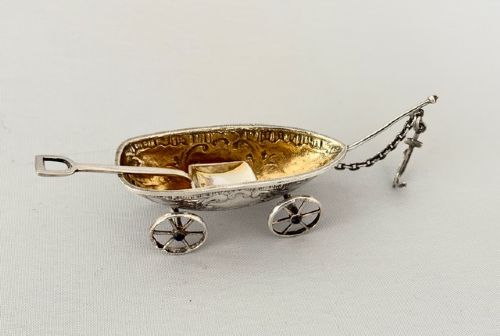
Higher grade pieces utilise vermeil or silver-gilt finishes on the interior surfaces to prevent tarnishing and staining from the salt. Assay office marks stamped into the silver confirm the purity of the metal and the year of manufacture.
Sterling Silver Salt Dish Retail Price Guide 2026
Typical asking prices for sterling silver salt dish among the pieces listed under this phrase on Sellingantiques today, from the lower quarter to the upper quarter. They describe what is for sale here now, not the wider market.
Distinctions in craftsmanship and design
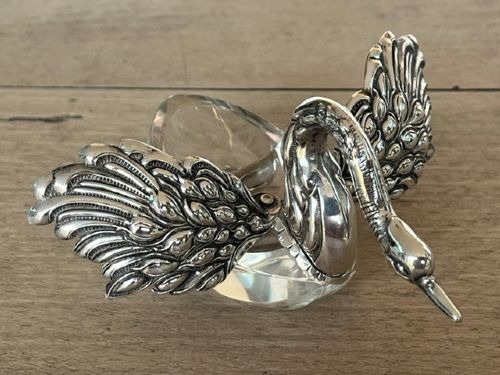
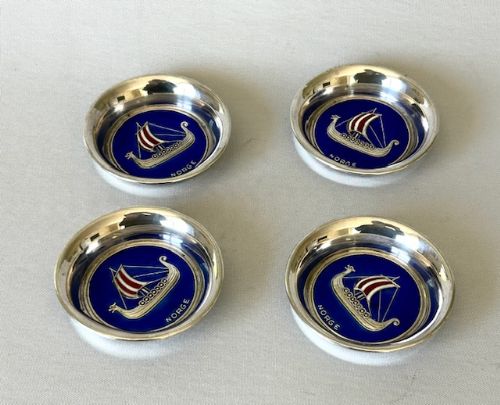
Quality rests upon the crispness of the chased decoration and the structural integrity of delicate elements like articulated boat hulls or feathered wings. Superior examples retain their original matching glass liners and retain well-defined maker marks without excessive wear from polishing.
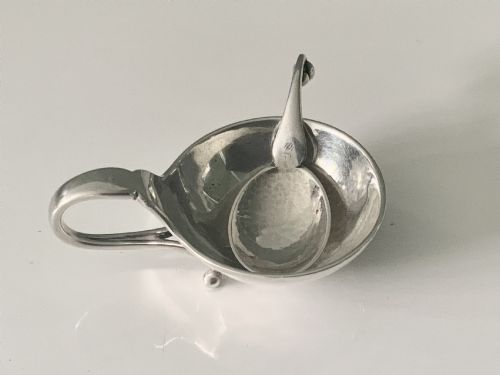
Form dictates distinction, moving from utilitarian tubs to sculptural novelties shaped like swans, wheelbarrows, or scallop shells. Matched pairs and complete sets command greater regard than isolated individual vessels.
S Blanckense·Georg Jensen·Barnards·William Bateman·Paul Storr·Edward Farrell·Thomas Smily·Vale Brothers and Sermon
The Sterling Silver Salt Dish Glossary
- Sterling silver
- An alloy consisting of ninety-two point five percent silver by mass, with the remainder composed of copper or other metals. This standard ensures durability while maintaining a bright metallic lustre.
- Britannia silver
- A standard of silver plate introduced in England, containing a higher purity of ninety-five point eight percent silver. Items bearing this standard often date from the early eighteenth century or later revival periods.
- Vermeil
- Sterling silver that has been coated with a thin layer of gold on the surface. This technique provides a rich golden interior while utilising silver for the underlying structure.
- Cobalt glass
- Deep blue coloured glass utilised to create removable liners for salt cellars. The dark hue provides a striking visual contrast against the polished silver exterior.
- Chasing
- A metalworking technique where the silversmith depresses the surface from the front with punches to create raised decorative designs. This method produces intricate surface textures without removing material.
Sterling Silver Salt Dish: Frequently Asked Questions
How were salt dishes used?
Dining traditions prior to modern salt shakers involved placing open salt cellars on the table for guests to pinch or spoon salt onto their plates. Wealthier households maintained distinct pedestal bowls while smaller vessels served individual places.
Servants filled these dishes with coarse sea salt before meals commenced. The inclusion of matching spoons facilitated clean extraction.
Why do many salts have blue glass?
Salt is highly corrosive and reacts chemically with silver over extended periods, causing pitting and dark staining. Cobalt glass liners acted as a protective barrier to preserve the metal.
The bright blue colour also created an appealing aesthetic contrast when viewed through open-work or pierced silver designs.
How do I date a silver salt?
British pieces typically feature hallmark stamps that include a date letter, a city mark for the assay office, and a lion passant indicating sterling standard. Cross-referencing these marks with historical registries reveals the exact year of production.
Stylistic cues such as Georgian rococo curves or Victorian naturalistic flower motifs further narrow the manufacturing era.
How should I clean silver salts?
Maintenance requires gentle washing with warm soapy water and a soft cloth to remove dust and residue. Harsh abrasive polishes wear away fine chased details and hallmarks over time.
Glass liners should be removed and washed separately to prevent moisture from becoming trapped against the interior silver surface.