
Sterling Silver Pot
When you search for a sterling silver pot, you encounter diverse domestic vessels spanning Georgian tea service staples to mid-century vanity jars.
Sterling Silver Pot
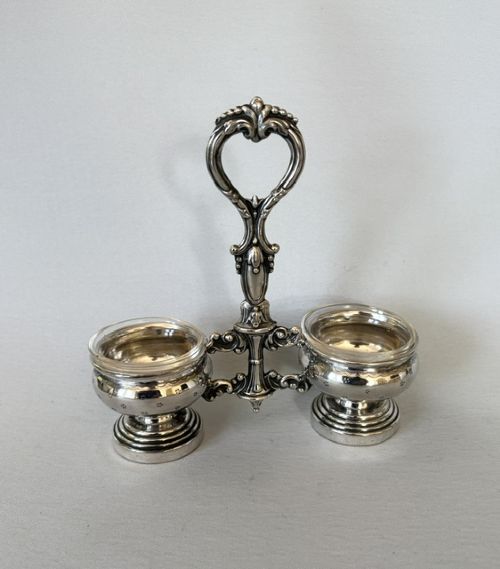
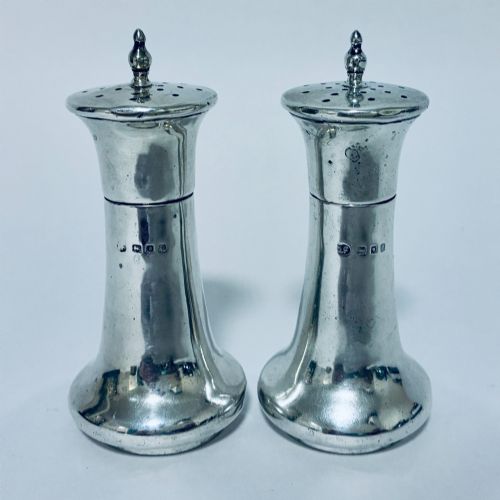
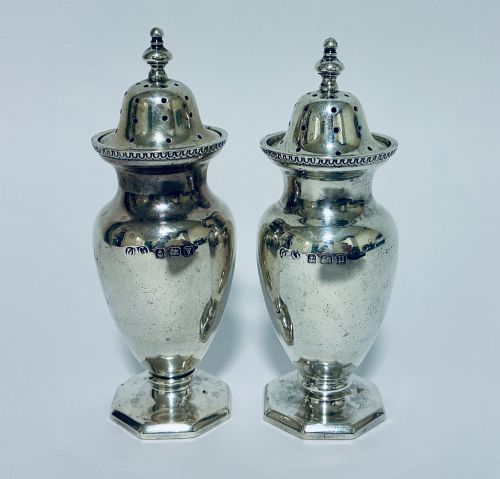
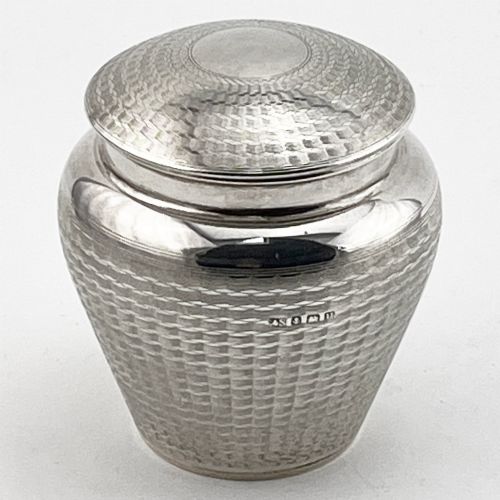
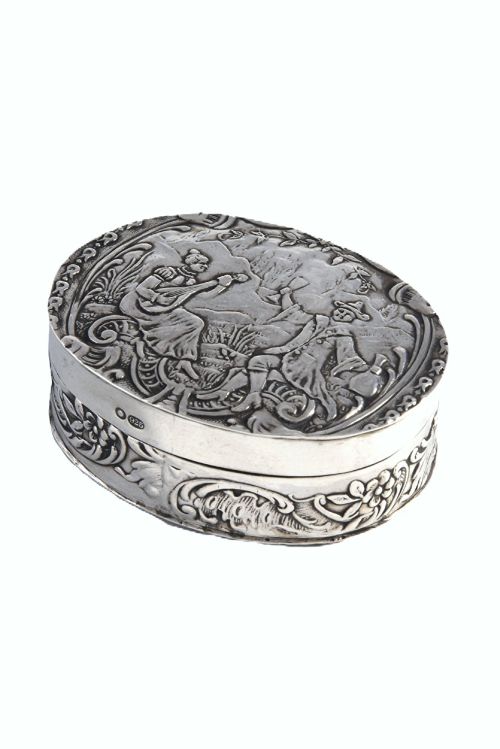
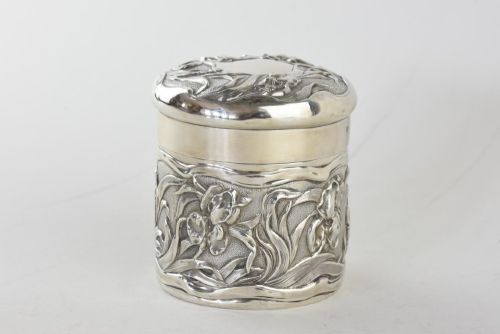
A sterling silver pot encompasses a vast array of domestic vessels designed for dining, dressing tables, and tea service. Buyers searching this phrase most frequently encounter mustard pots, condiment containers, trinket boxes, and tea services originating from the Victorian, Edwardian, and Art Deco periods.
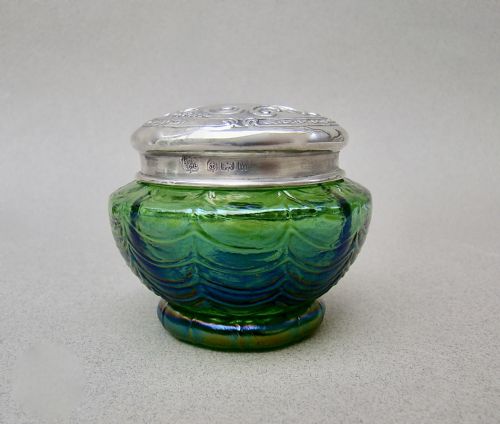
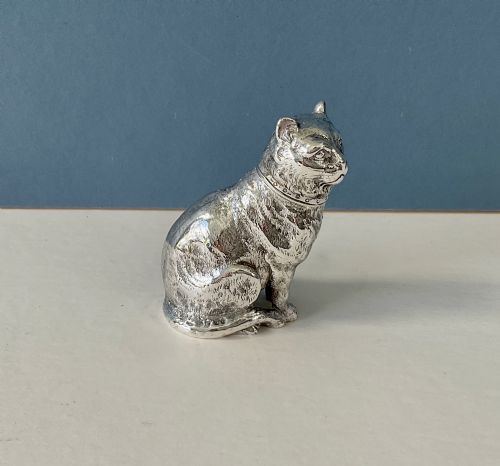
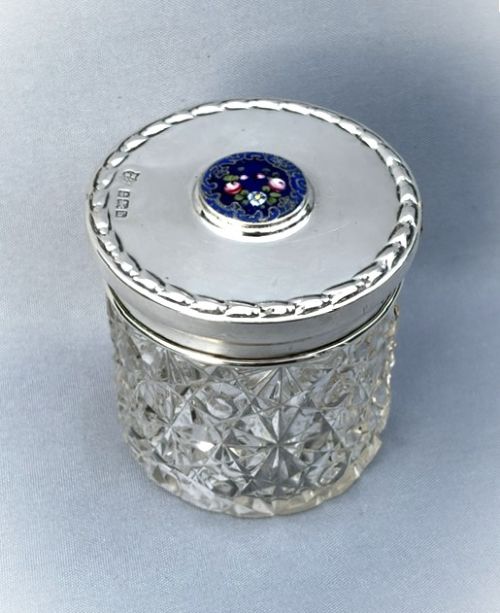
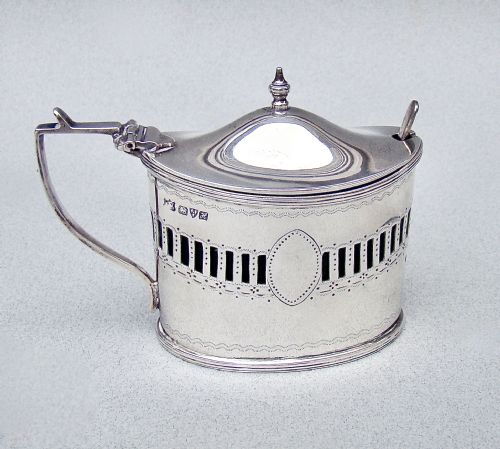
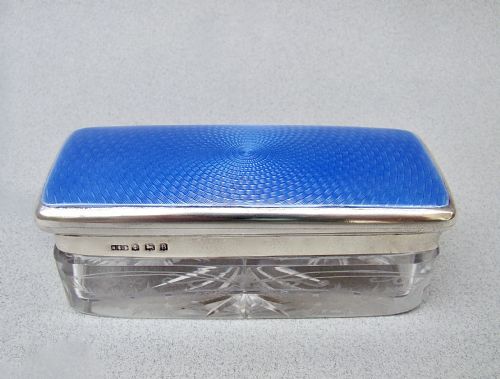
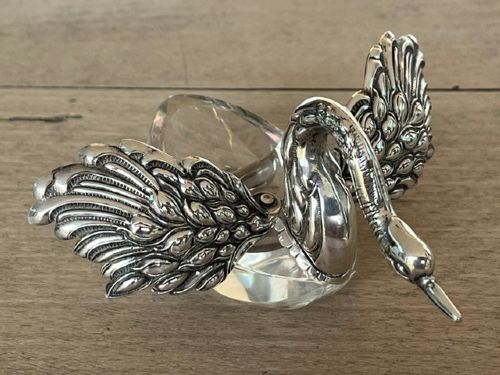
Tableware forms range from pierced mustard containers fitted with blue glass liners to novelty pepper pots shaped like animals and figures. Dressing table examples include cut glass vanity jars adorned with guilloche enamel lids and hinged pill boxes.
Materials and construction
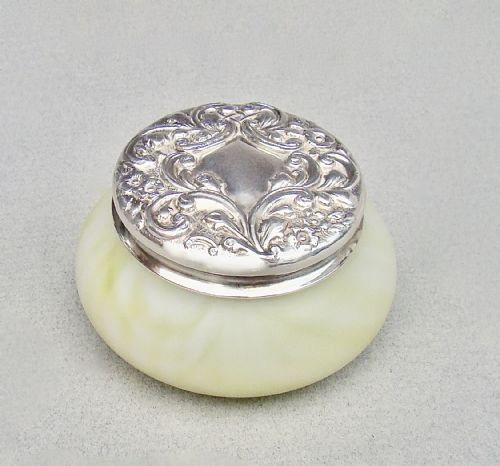
Silversmiths utilised sterling silver alongside contrasting materials such as cut glass, satin glass, and crystal body components. Enamelwork, particularly guilloche variants in blue, pink, and bronze, frequently decorates the lids of dressing table jars and trinket containers.
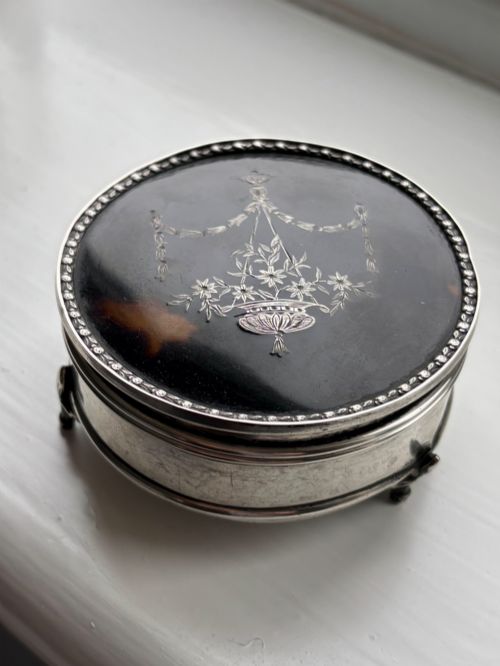
Interior components often incorporate cobalt or blue glass liners held within pierced or solid silver frameworks. Wood, velvet, and faux tortoiseshell provide internal lining or backing for specialised boxes, inkwells, and vanity containers.
Listings feature items from the Georgian period through to the mid-twentieth century, incorporating glass, enamel, and velvet elements.
Assessing craftsmanship
The distinction between standard vessels and exceptional examples rests upon the depth of repousse decoration, the crispness of chased detailing, and the integrity of hinges and closures. Pieces featuring hand-pierced geometric or floral lattice work demand high technical precision from the maker.
The inclusion of intact, original glass liners or undamaged guilloche enamel significantly elevates the standing of an item. Maker marks, assay office stamps, and date letters stamped clearly into the metal confirm the provenance and standard of the silver used.
A. J. Pepper & Co·Alfred Marston·Henry Clifford Davis·Frederick Brasted·Nathan & Hayes·Paul Storr·Richard Gurney·Charles & George Fox·William Neale·Robert Hennell·Robert Garrard·Peter and Anne Bateman·Hester Bateman·W Comyns
The Sterling Silver Pot Glossary
- Sterling silver
- An alloy consisting of a high percentage of silver combined with other metals to ensure durability in domestic objects.
- Guilloche enamel
- Decorative metalwork covered in translucent enamel over an engine-turned mechanical pattern.
- Repousse
- Metalworking technique where the silver is hammered into relief from the reverse side.
- Assay office
- A body responsible for testing the purity of precious metals and stamping official hallmarks.
- Cruet set
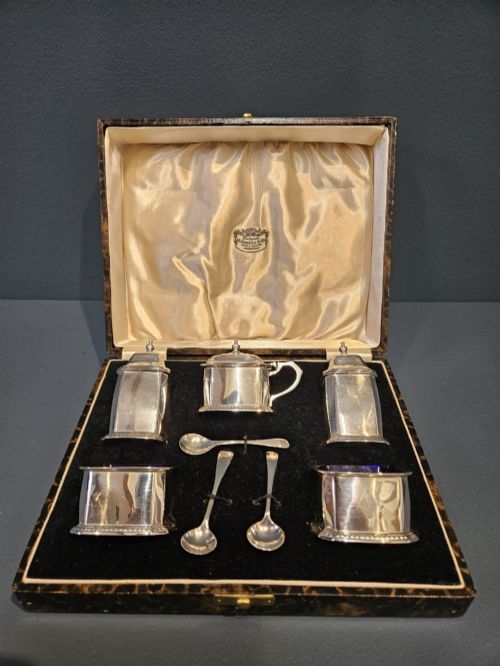
- A matched group of small condiment pots holding items such as mustard, salt, and pepper for the dining table.
Sterling Silver Pot: Frequently Asked Questions
How were mustard pots used?
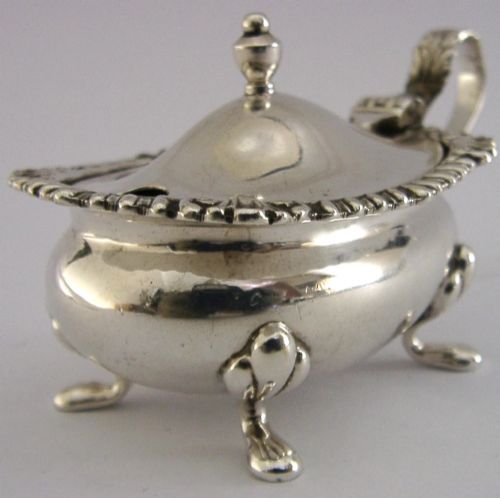
Mustard pots sat upon dining tables to hold prepared mustard, usually accompanied by a tiny spoon for serving.
They frequently featured blue glass liners inside pierced silver bodies to protect the metal from vinegar corrosion.
What is a vanity jar?
Vanity jars held cosmetics, powders, or small personal items upon dressing tables during the Victorian and Edwardian eras.
Their lids often displayed intricate enamelwork or tortoiseshell insets to match other accessories on the dressing tray.
How do I identify silver periods?
British pieces carry distinct hallmarks indicating the assay office, standard mark, and a specific date letter.
Comparing these stamps against official registry tables reveals the exact year and city of manufacture.
How do I clean silver pots?
Gentle washing in warm soapy water removes dust, while specialised silver polishes restore shine without harming delicate surfaces.
Care must be taken around glass liners, enamel sections, and velvet linings to avoid moisture damage.