



Turned Wooden Handle
A turned wooden handle brings tactile warmth to Georgian silver, brass bells, and mahogany furniture.
Turned Wooden Handle
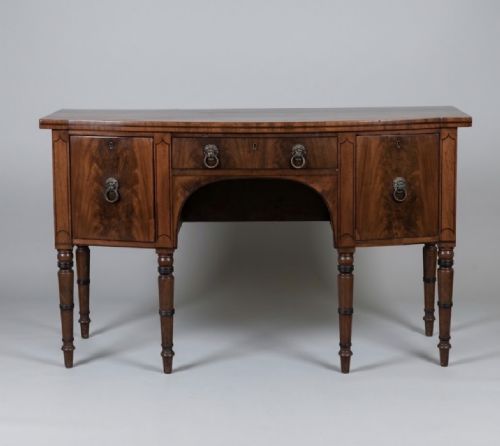
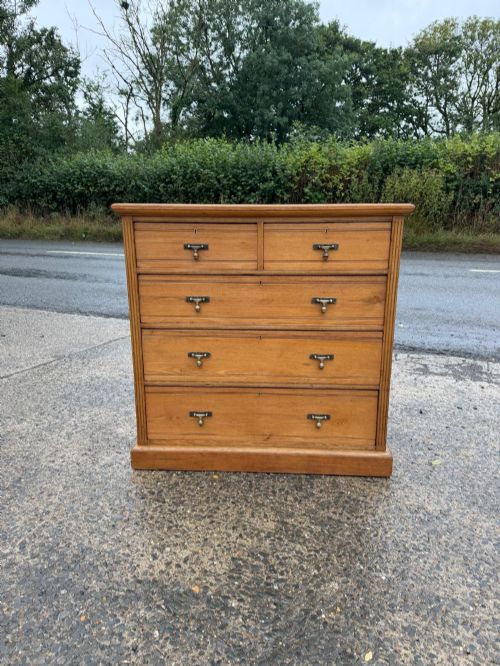
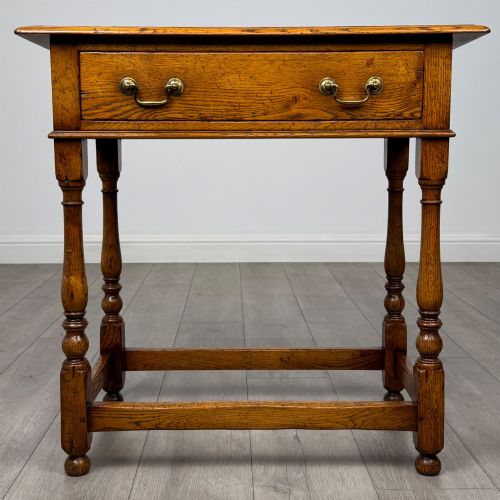
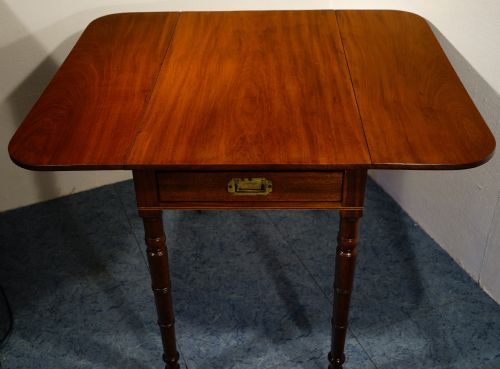
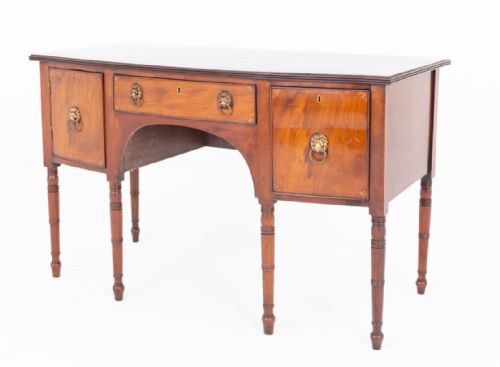
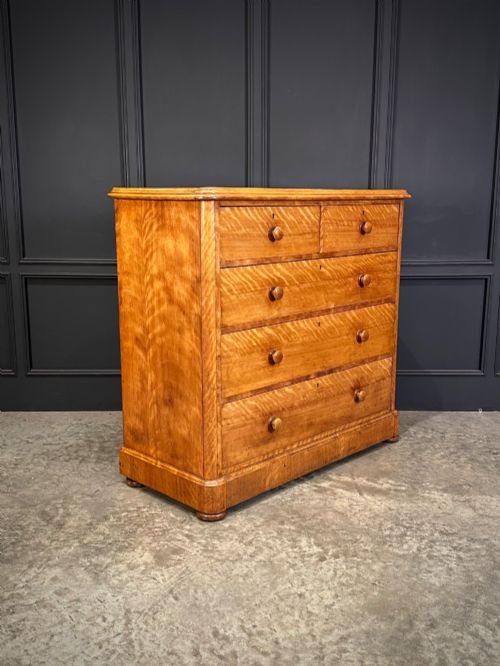
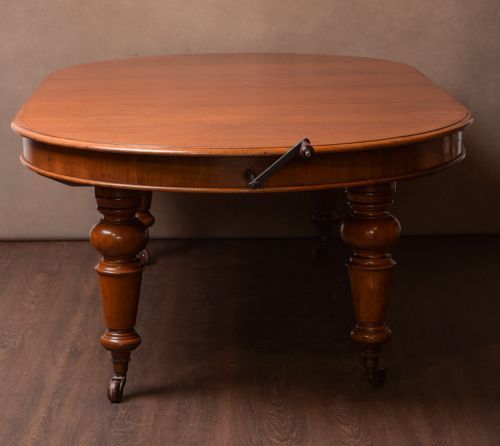
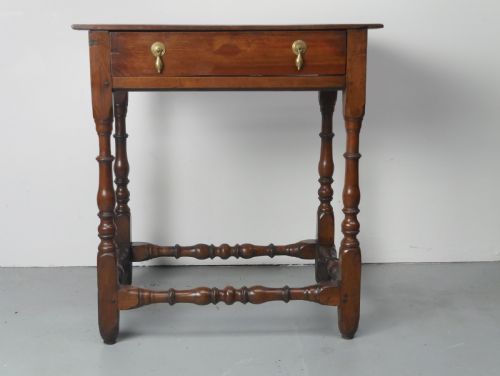
When you search for turned wooden handle, you encounter functional domestic objects and furniture hardware spanning the eighteenth, nineteenth, and early twentieth centuries. These pieces cross diverse forms, ranging from silver tea strainers and chocolate pots to sideboards, chests of drawers, and brass hand bells.
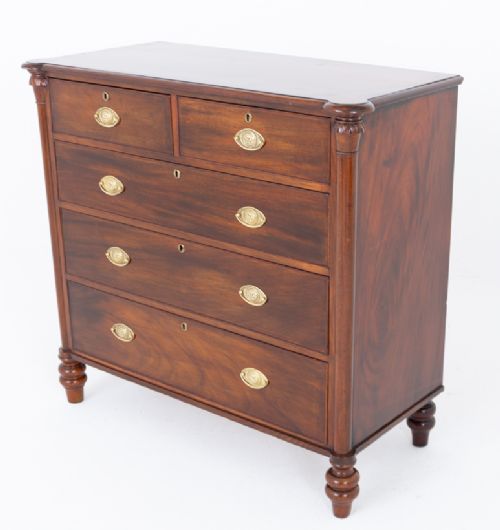
The version you are most likely to meet on this page is nineteenth-century mahogany furniture hardware or domestic metalware. Georgian and Victorian examples appear frequently, utilising dense hardwoods and polished brass components.
How they were made
The creation of these objects relies primarily on traditional woodworking and metalworking techniques. Turnery shapes the wood on a lathe, producing symmetrical grips for metal vessels, bells, and drawer fronts.
Makers combine timber with brass, copper, and silver. Mahogany, fruitwood, oak, and satinwood provide the turned elements, secured to metalware through sockets, pins, or threaded mounts.
What varies in quality
Quality in these pieces rests upon the crispness of the lathe work and the selection of the timber. Finely turned mouldings display precise profiles and smooth symmetry without splintering or coarse grain tearing.
The harmony between the turned wood and its metal or timber mount dictates the overall standard. Superior examples maintain tight, secure joints and retain their original surface patination over centuries of use.
F & J Smith
The Turned Wooden Handle Glossary
- Turnery
- The craft of shaping wood using a lathe. This technique produces rounded components like handles, knobs, and spindles.
- Cellarette
- A lockable container used for storing wine bottles. These pieces often feature fitted interiors and sturdy carrying handles.
- Treen
- Small handmade wooden domestic objects. Items in this category include turned strainers and small utilitarian vessels.
- Mahogany
- A durable tropical hardwood prized for its reddish-brown colour. Cabinet makers utilised this material extensively throughout the Georgian and Victorian periods.
- Patina
- The surface sheen developed through age and handling. Older wooden handles acquire a deep lustre that indicates long use.
Turned Wooden Handle: Frequently Asked Questions
What periods do these pieces cover?
The listings encompass items from the early eighteenth century through to the Edwardian era. Georgian and Victorian examples form the largest portion of the available selection.
Earlier seventeenth-century brassware with turned wooden elements also appears alongside later nineteenth-century furniture and domestic utensils.
How were turned wooden handles attached?
Makers typically secured wooden grips onto metal shafts using internal pins, glues, or threaded fittings. On furniture, turned wooden knobs fastened directly to drawer fronts with central screws.
Metal vessels like chocolate pots and tea strainers relied on insulated wooden sockets to protect hands from heat during use.
Which woods appear most frequently?
Mahogany remains the dominant timber across the furniture and larger accessory listings. Fruitwood, oak, satinwood, and pine also feature in specific regional and period pieces.
Turned components on smaller metalware occasionally utilise dense hardwoods shaped to fit narrow metal mountings.
How do I care for antique turned wood?
Maintain these pieces by keeping them away from direct sunlight and excessive moisture changes. Gentle dusting preserves the original surface without stripping the accumulated patina.
Avoid harsh chemical polishes that can degrade historical finishes and dry out the underlying timber.