

Sterling Silver Enamel Box
These small vessels fuse precious metal with vitreous colour, bringing pocket-sized artistry from the late Victorian period through the mid-century to the collector's desk.
Sterling Silver Enamel Box
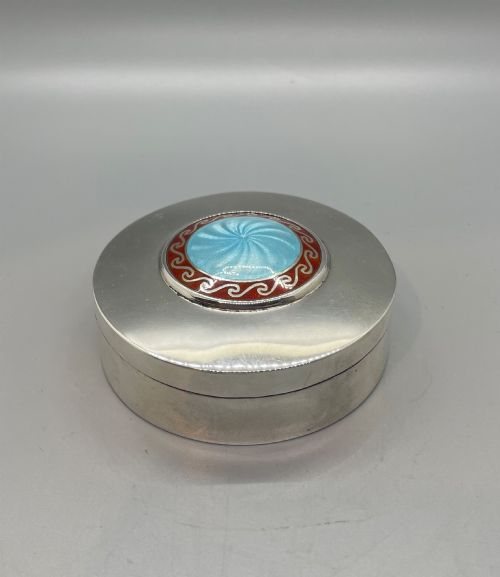
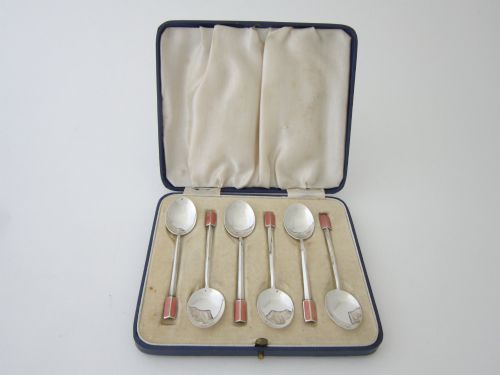
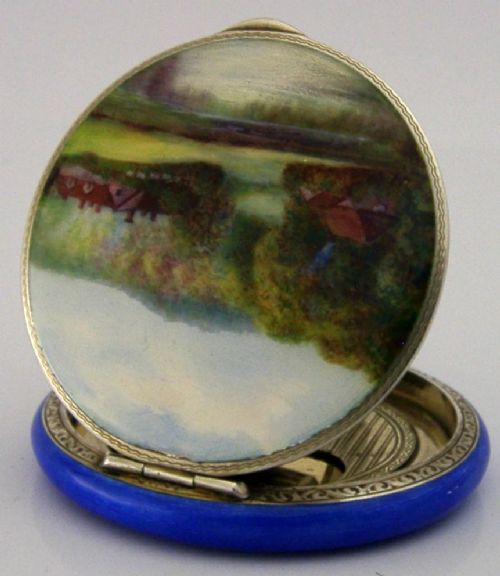
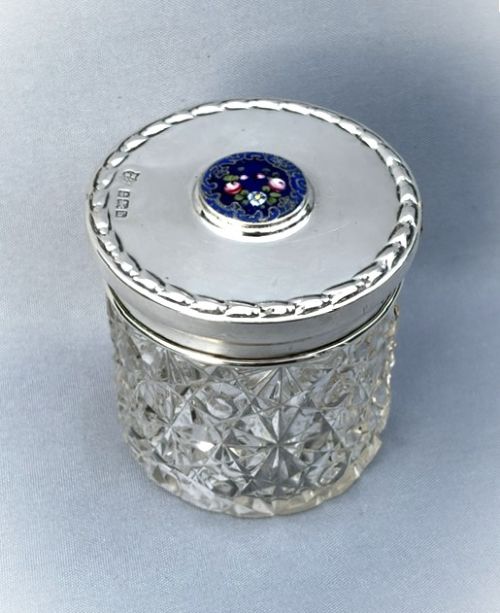
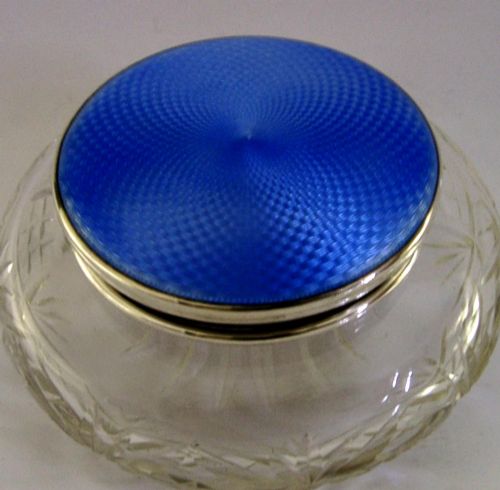
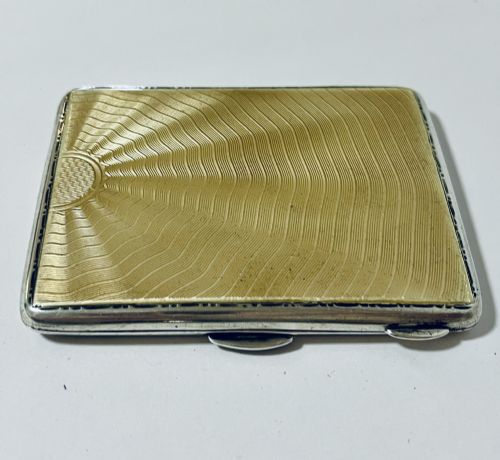
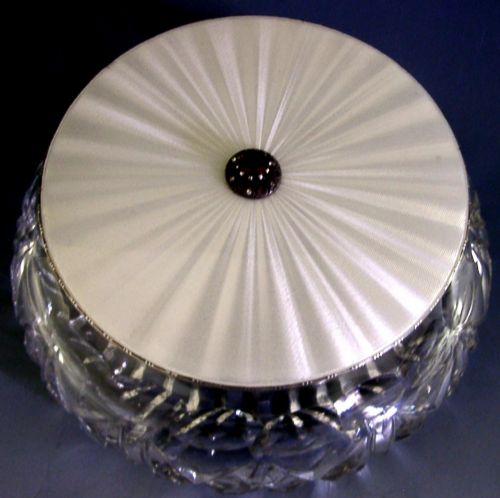
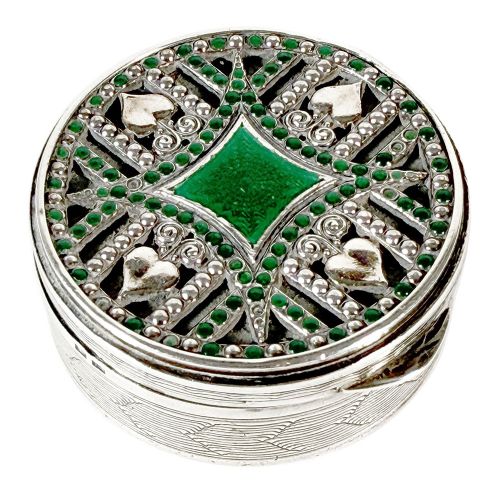
A sterling silver enamel box is a portable container designed for vanity, smoking or personal items, appearing in forms such as pill boxes, powder compacts, trinket pots, and dressing table jars.
The objects span from Victorian beginnings through Edwardian designs into Art Deco creations, reflecting shifting domestic habits and changing decorative tastes across the decades.
Examples originate from British workshops as well as continental European makers, often bearing hallmarks from Birmingham or London alongside foreign silver standards.
How they were made
Silversmiths formed the bodies from sterling silver, shaping sheet metal or pairing the silver mounts with cut, etched or cranberry glass and porcelain bases.
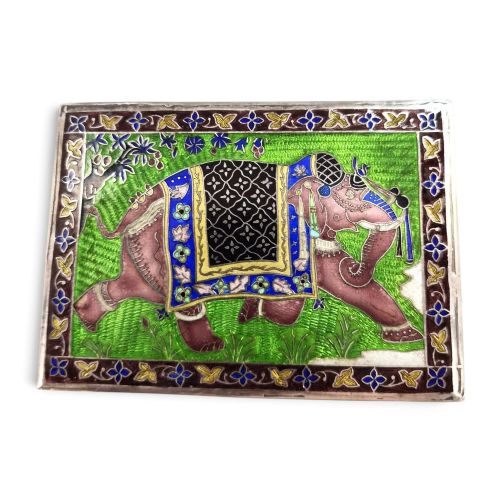
Vitreous enamel was applied as a powdered glass paste and fired in a kiln to fuse a permanent, glossy coating to the metal surface.
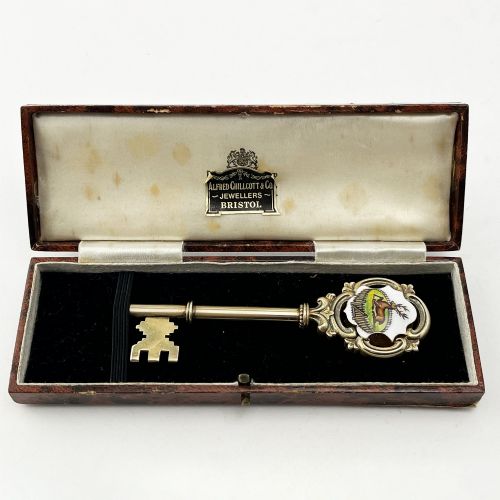
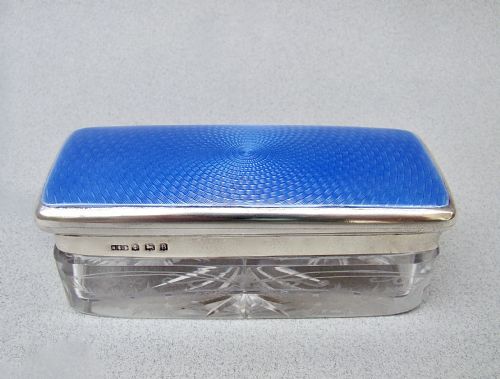
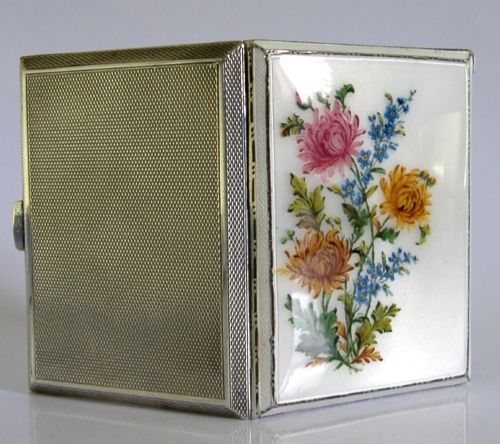
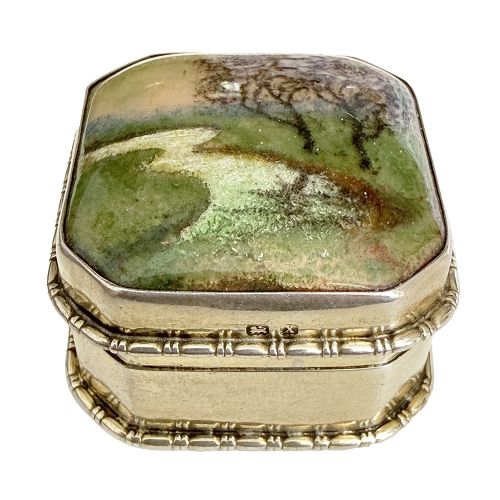
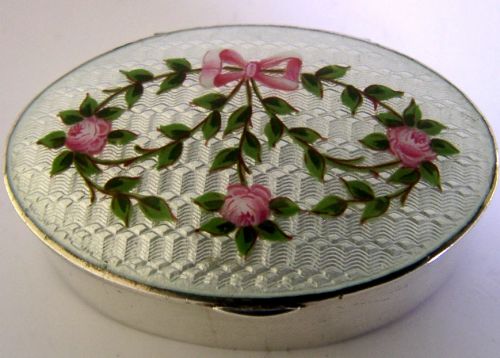
Engine-turning created geometric guilloche patterns beneath translucent enamel layers, while specialist artists occasionally hand-painted floral or animal motifs directly onto the surface.
Listings feature items spanning the Victorian, Edwardian, Art Deco, and Mid-Century Modern periods, incorporating cut glass, velvet, and sterling silver.
What varies in quality
The calibre of the piece rests upon the crispness of the engine-turned guilloche engraving and the depth and translucency of the fired enamel coat.
Sophistication of subject matter elevates certain examples, such as finely detailed hand-painted animals, jockey motifs, or specific club and military insignia.
Substantial weight in the silver chassis and the inclusion of fine internal gilding or silk linings mark out the superior productions of established workshops.
Henry Clifford Davis·Fleetwood Varley·George Adam Scheid·Henry Matthews·Sampson Mordan·Turner and Simpson Ltd·David Andersen
The Sterling Silver Enamel Box Glossary
- Guilloche Enamel
- Vitreous enamel applied over mechanical engine-turned metalwork. This technique allows light to reflect through the coloured glass in geometric waves.
- Vesta Case
- A small pocket box fitted with a rough striker base for holding match-safe matches. Victorian examples often featured engraved silver and enamel crests.
- Vinaigrette
- A small hinged container holding a perforated inner grille soaked in aromatic vinegar. These were carried during the nineteenth century to counteract unpleasant odours.
- Trinket Pot
- A small lidded jar or box intended for dressing tables to hold pins or small jewellery. They frequently combine glass bodies with enamelled silver lids.
- Sterling Silver
- An alloy consisting of ninety-two point five percent silver by mass and seven point five percent other metals. British pieces usually carry assay office marks confirming this standard.
Sterling Silver Enamel Box: Frequently Asked Questions
What were these boxes originally used for?
These small containers served practical daily functions in the pocket or on the dressing table, holding substances like dry cosmetics, pills, matches or tobacco.
Specific forms suited specific items, such as vesta cases for matches, compacts for powder, and jars for vanity dressings.
How do I date a silver and enamel box?
Dating relies primarily on the stamped hallmarks found on the silver mount, which indicate the assay office, standard, and year of manufacture.
Stylistic indicators such as Victorian naturalist motifs, Edwardian pastels, or Art Deco geometric guilloche provide additional chronological context.
How should I clean my enamel box?
Maintenance requires gentle cleaning with a soft, dry cloth to remove dust from the silver and glass surfaces.
Harsh metal polishes and chemical dips must be kept away from the enamel panels to prevent dulling or scratching the fired glass.
What is guilloche enamel?
Guilloche is a decorative technique where a machine cuts precise, repeating geometric patterns into the underlying metal before enamelling.
Translucent coloured glass is then fired over the engraving, creating a shimmering effect that shifts as the angle of light changes.