
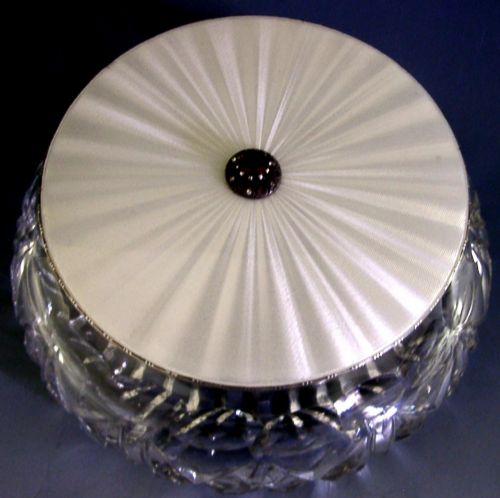


Silver Top Dressing Table Jar
A silver top dressing table jar combines a functional vanity container with precious metal craftsmanship, offering a glimpse into historical dressing rituals.
Silver Top Dressing Table Jar
A silver top dressing table jar serves as a vanity accessory designed to hold powders, perfumes, scents, or creams. These pieces appear frequently across Victorian, Edwardian, and Art Deco periods, capturing the shifting aesthetic tastes of dressing room culture.
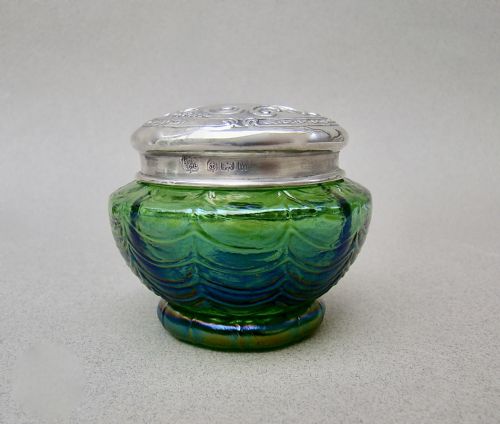
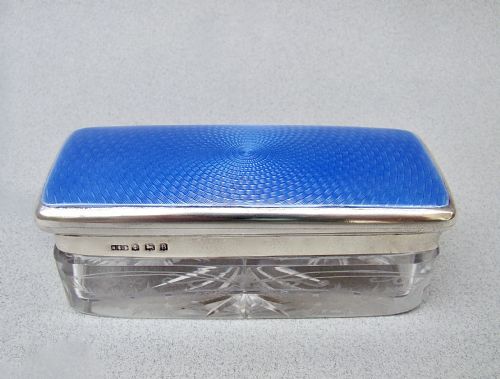
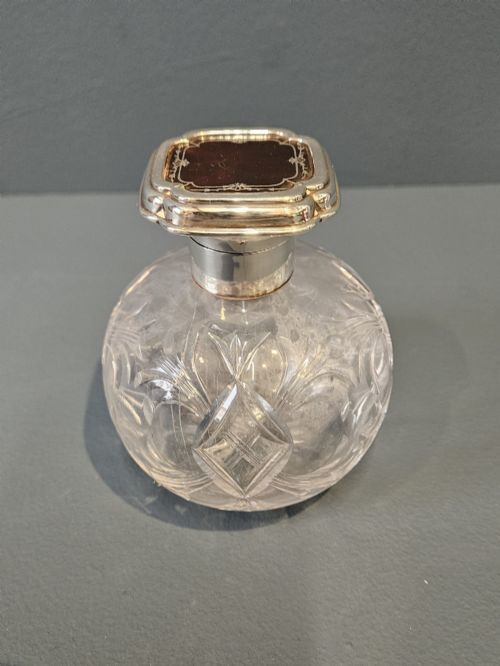
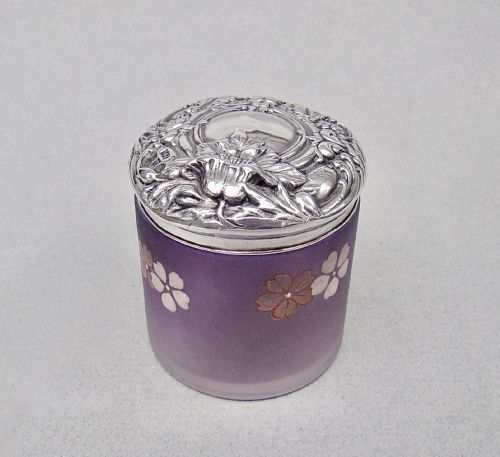
The objects take various forms, including round pots, heart-shaped boxes, tall scent bottles, and rectangular vanity containers. Buyers frequently encounter pieces featuring heavy cut crystal or moulded glass bases paired with hallmarked sterling silver lids.
Origins span British provincial assay offices like Birmingham and Sheffield, alongside continental European makers. Pieces range from simple utilitarian containers to elaborate matching sets intended for a complete dressing table arrangement.
Materials and Manufacturing Techniques
Craftsmen utilised heavy-weight glass bases, shaping them through deep cutting, moulding, or crystal production to catch the light on a dressing table. Bases also incorporate coloured glass variants such as cranberry, amethyst, and Kralik glass.
Lids and mounts consist of solid sterling silver, frequently shaped and decorated using techniques like engine turning, repoussé work, or smooth polished finishes. Artisans often integrated natural materials such as tortoiseshell or applied colourful guilloché and turquoise enamel directly onto the silver surface.
Listings demonstrate a strong representation of George V and Edwardian pieces, featuring cut glass bases paired with sterling silver and enamel lids.
Distinguishing Quality and Craftsmanship
Quality rests on the depth and precision of the glass cutting, where crisp facets on cut crystal signify superior manufacture over plain moulded glass. The weight and thickness of the silver lid further separate standard containers from finer luxury items.
Artistic execution on decorative elements distinguishes standard production from exceptional pieces. Intricate guilloché enamel patterns, well-preserved tortoiseshell inlays, and recognizable maker marks demonstrate higher artisanal skill.
A. J. Pepper & Co·Henry Clifford Davis·Barnsley & Co·Adie Brothers Ltd·Goldsmith's and Silversmith's Co
The Silver Top Dressing Table Jar Glossary
- Guilloche enamel
- A decorative technique involving precise mechanical patterns engraved beneath a translucent enamel layer. It frequently appears on Art Deco dressing table pieces.
- Sterling silver
- An alloy containing a high proportion of pure silver combined with other metals to ensure durability. British pieces bear assay office hallmarks confirming this standard.
- Cut crystal
- Glass containing lead oxide that increases its weight, brilliance, and clarity. It forms the heavy faceted bases of many vanity jars.
- Tortoiseshell
- The mottled shell material utilised for luxury container lids and inlays during the Victorian and Edwardian eras. It provides a rich brown and amber contrast to bright silver.
- Assay office
- An official body responsible for testing the purity of precious metals and stamping items with identifying hallmarked symbols. Towns like Birmingham and Sheffield maintained prominent offices.
Silver Top Dressing Table Jar: Frequently Asked Questions
What were dressing table jars used for?
These vessels held various cosmetic preparations, powders, salts, and perfumes required for daily grooming routines. They kept volatile scents contained while adding a decorative element to the bedroom.
Larger containers accommodated soaps or sponges, whereas smaller bottles preserved concentrated perfumes and colognes.
How can I identify the date of a silver lid?
British silver lids feature hallmarks that typically include a maker mark, a lion passant indicating sterling standard, an assay office symbol, and a date letter. These tiny stamped symbols allow precise identification of the year and city of manufacture.
Unmarked continental pieces rely stylistic indicators and glass characteristics for dating.
How do I care for silver and glass jars?
Regular dusting with a soft cloth keeps the glass and silver clean without abrasive wear. Care must be taken around enamel or tortoiseshell surfaces to avoid moisture damage.
Polishing silver requires a gentle cloth, avoiding contact with delicate glass bodies or inlaid organic materials.