


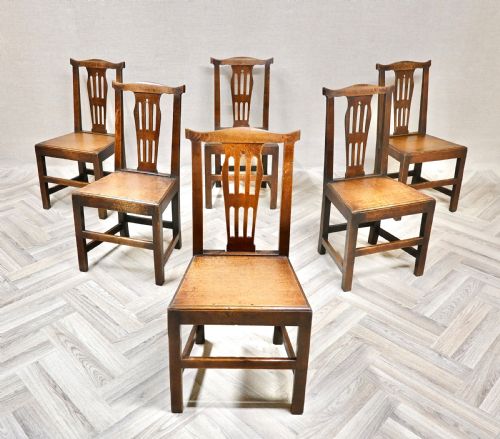
Splat Back Chairs
Splat back chairs bring substance and structure to a room through centuries of timber craftsmanship.
Splat Back Chairs
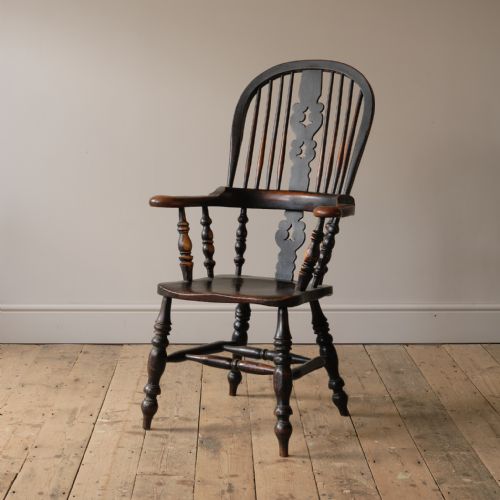
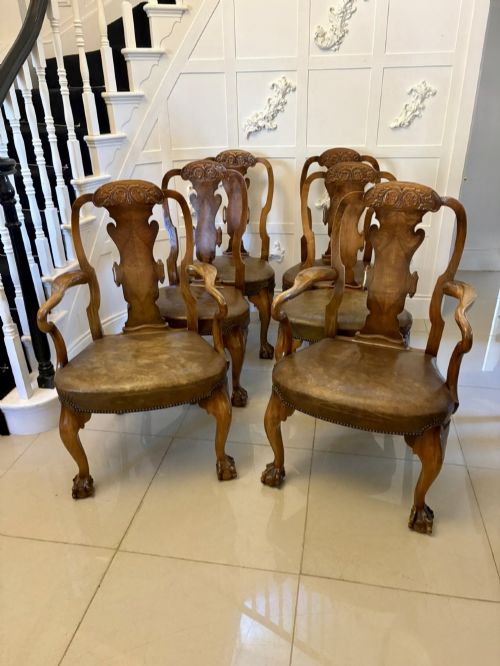
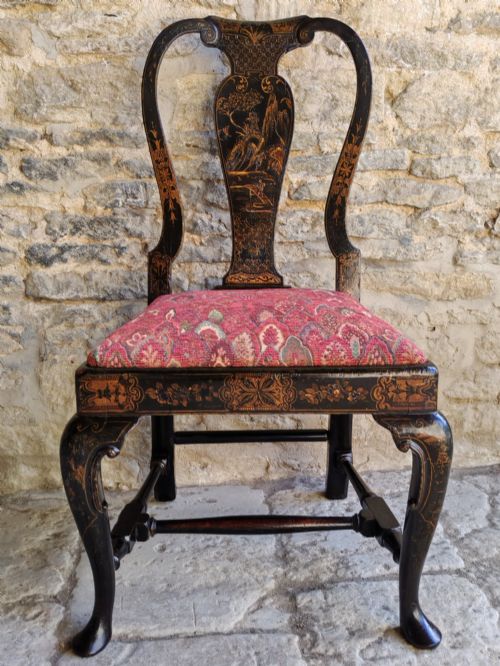
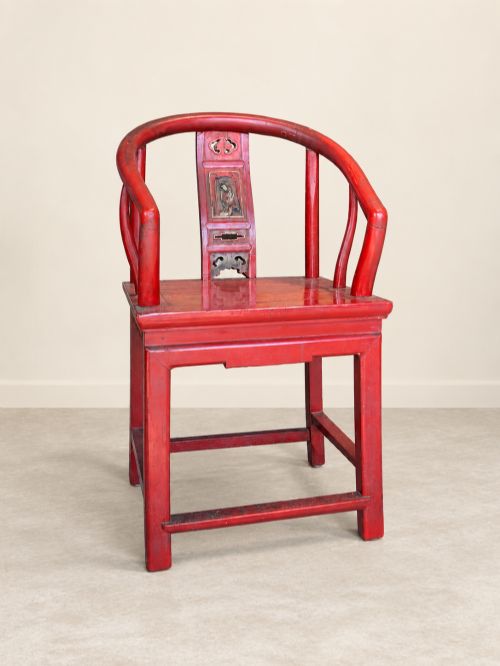
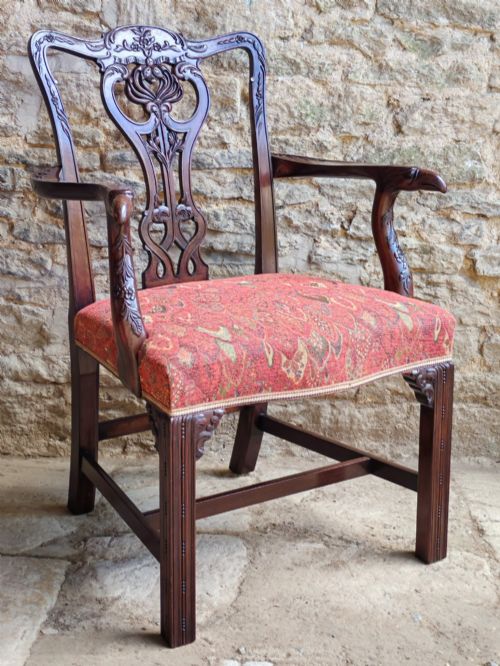
When you search for splat back chairs, you encounter a lineage spanning the eighteenth, nineteenth, and early twentieth centuries, encompassing dining chairs, side chairs, and armchairs. The form relies on a central vertical slat or splat connecting the seat to the top rail, visible in styles from Queen Anne and Chippendale to English Country and Victorian kitchen settings.
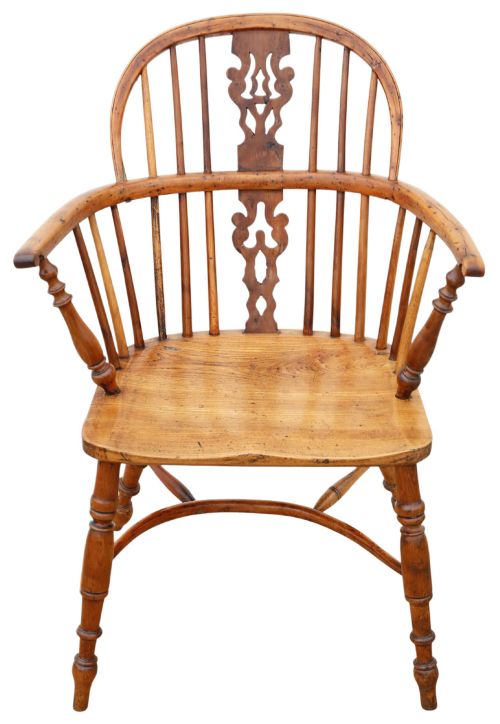
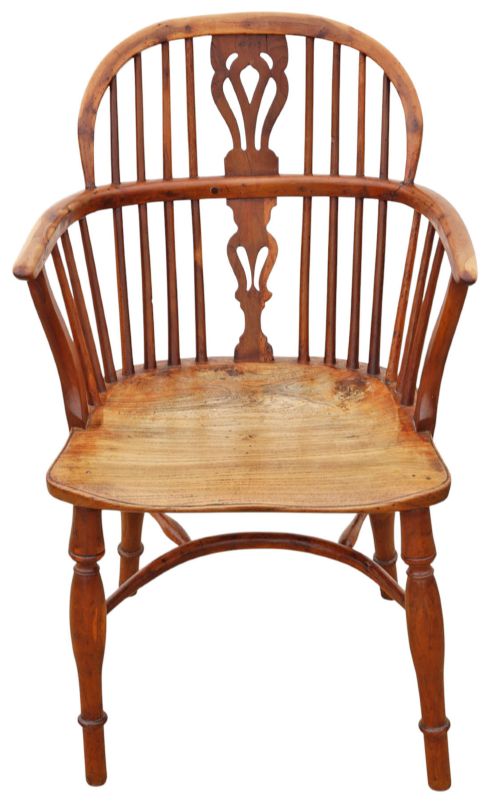
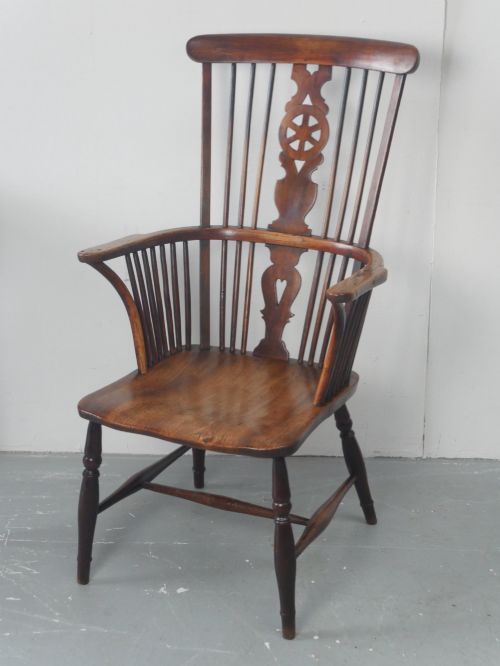
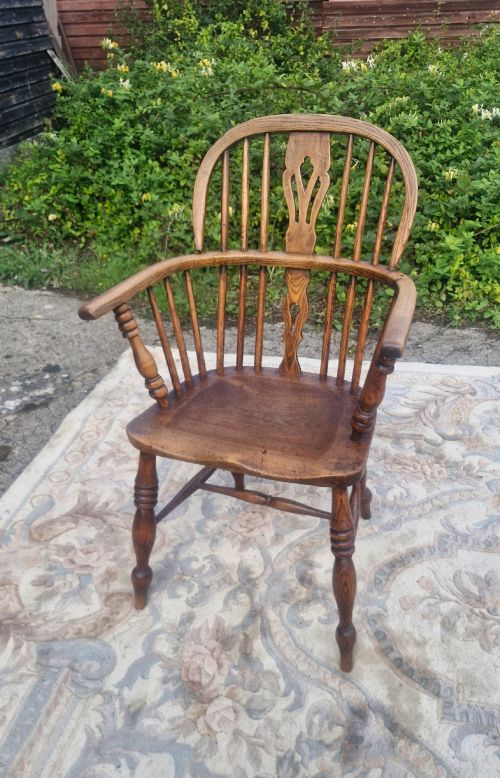
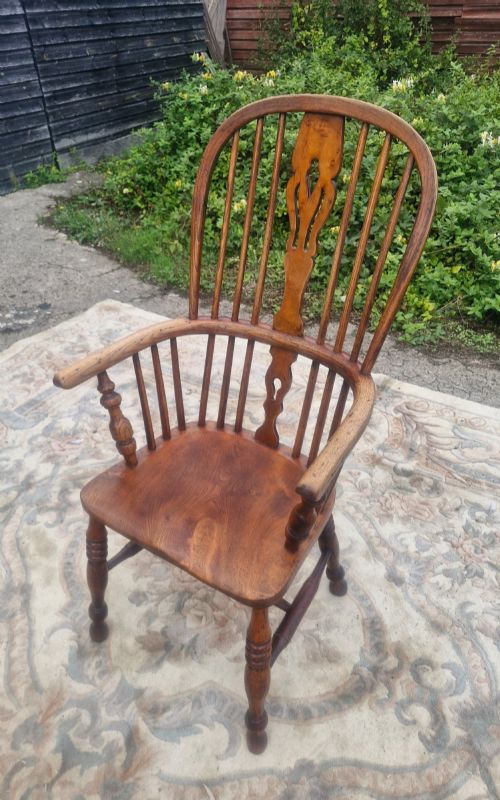
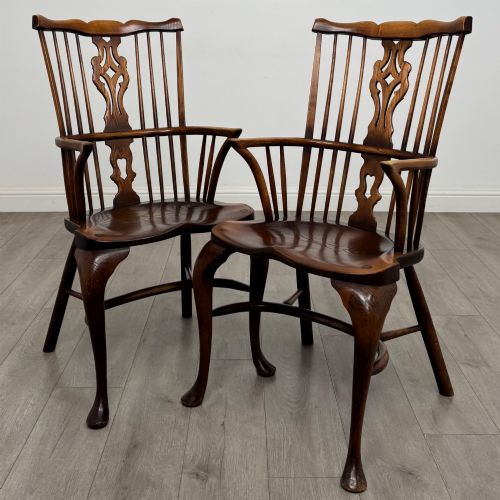
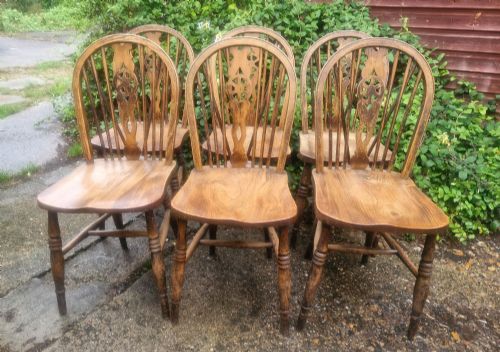
You are most likely to meet mahogany dining chairs from the Georgian and Victorian eras, alongside robust Windsor armchairs constructed from elm, ash, and yew wood. The selection ranges from single rustic country items to matched sets of six or ten for formal dining spaces.
Materials and Construction
Cabinet makers and country joiners utilised native hardwoods such as mahogany, walnut, oak, elm, ash, and yew, often combining timbers within a single Windsor frame to balance strength and flexibility. Seats were shaped from solid planks or fitted with rush and fabric, while splats were carved, pierced, or turned into vase, wheel, and wheel-sheaf profiles.
Joinery methods relied on traditional mortise and tenon joints, steam-bent components for hoops and arms, and robust turnings for legs and spindles. This construction allowed country vernacular pieces and formal revival dining chairs alike to endure heavy daily use over generations.
Listings feature eighteenth-century walnut and mahogany examples alongside nineteenth-century elm and ash Windsor chairs.
Craft and Proportion
Quality rests in the harmony of proportion, the depth of carving on the splat and crest rail, and the integrity of the timber selection. A superior dining chair demonstrates crisp joinery and carefully figured mahogany or burr walnut, whereas simpler utility chairs rely on honest, robust construction rather than ornate detail.
The distinction between everyday vernacular seating and formal parlour pieces lies in the refinement of the turning and the execution of the central splat. Master makers achieved fluid lines and balanced weight distribution that elevate standard seating into enduring examples of period design.
Charles Tozer·Howard and Sons
The Splat Back Chairs Glossary
- Windsor
- A traditional wooden chair built with a heavy solid wooden seat into which the legs and back spindles are directly joined. They frequently incorporate elm, ash, and yew.
- Carver
- An armchair, typically designed to match a set of dining side chairs and placed at the head of the table. They often feature generous elbow rests.
- Chippendale
- A style originating in the eighteenth century and revived later, known for intricate carved mahogany backs, cabriole legs, and elaborate interlaced splats.
- Vernacular
- Everyday objects made by local craftspeople using regional materials, prioritising utility and comfort over courtly or academic fashion.
Splat Back Chairs: Frequently Asked Questions
Are these chairs comfortable for daily use?
Period seating was designed for human proportions, offering contoured wooden seats, supportive arched backs, and supportive arm rests on carver models. Many eighteenth and nineteenth century chairs accommodate modern dining comfortably.
For extended sitting, upholstered or rush seat variants provide extra cushion, while solid timber versions offer firm, upright support.
What is a splat back?
A splat back incorporates a vertical wooden slat positioned in the centre of the chair back, running from the seat up to the top rail. This central element provides structural rigidity while offering a surface for decorative carving.
Makers shaped these splats into vases, urns, lyres, and geometric patterns depending on the prevailing style of the period.
How do I mix styles at a dining table?
Mixing period chairs around a dining table is a traditional approach, often achieved by pairing a set of simpler side chairs with a matching pair of carver armchairs at the head and foot. Similar wood tones or shared silhouettes help unify diverse pieces.
Matching timber species, such as mahogany or oak, ensures visual harmony even when the carved splats or minor decorative details vary.