





South Persian Khamseh Rug
A south persian khamseh rug delivers genuine tribal character through dense geometric patterns and rich natural dyes woven by nomadic confederacies.
South Persian Khamseh Rug
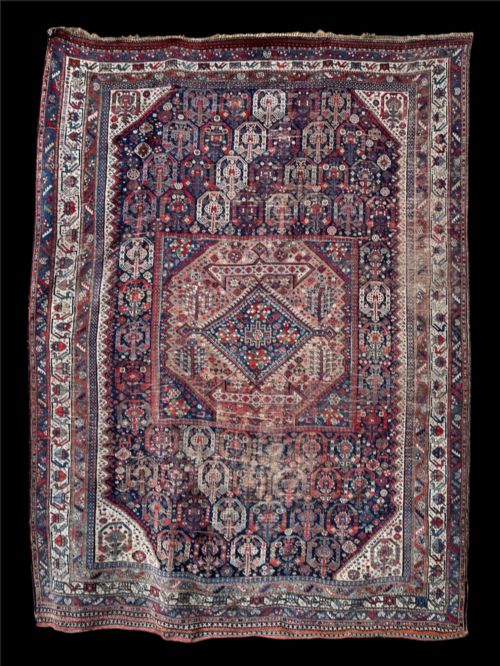
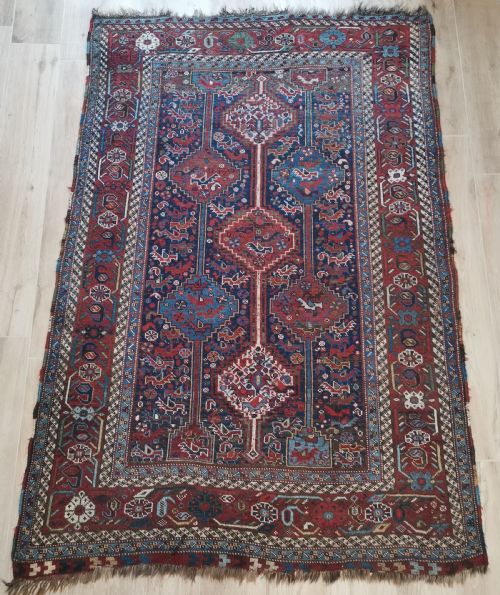
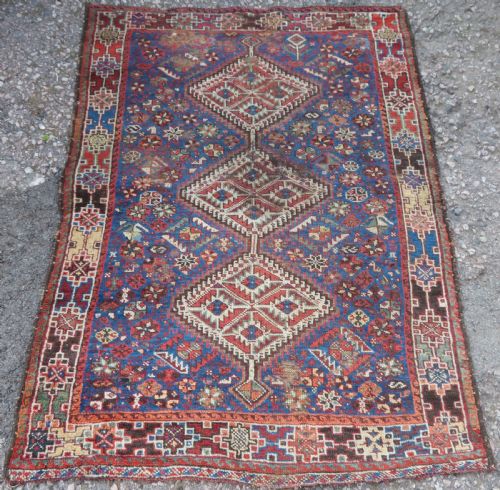
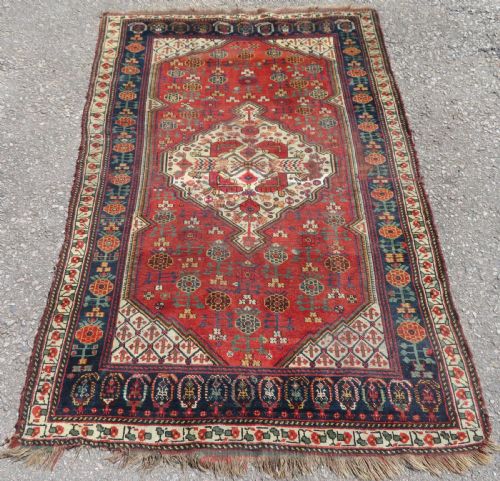
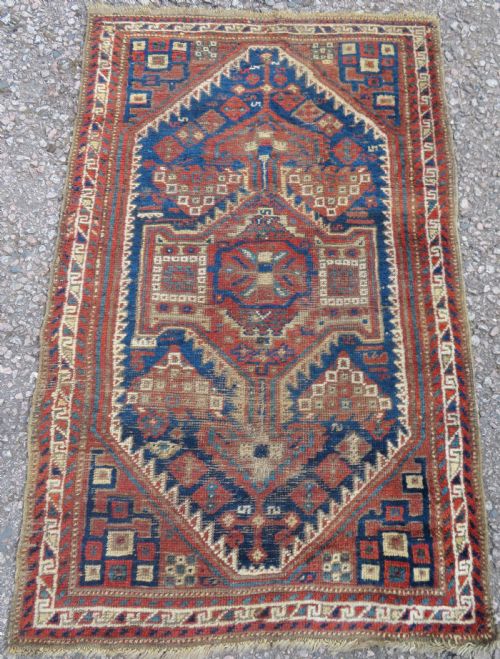
A south persian khamseh rug represents the textile artistry of the confederacy of tribes inhabiting south-west Persia. These pieces range from small nomadic saddlebags and intimate area rugs to grand tribal carpets woven during the late nineteenth and early twentieth centuries.
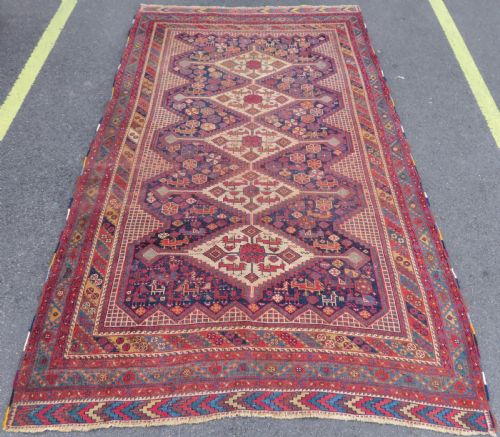
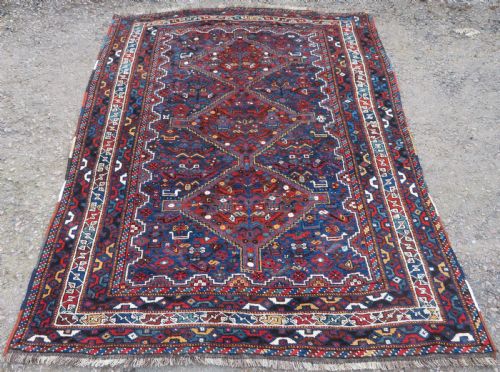
The format varies between standard rugs, long kelleh carpets, and complete or fragmentary khorjin saddlebags. Designs frequently incorporate iconic motifs such as repetitive birds, chicken figures, tree of life patterns, and triple medallions linked to specific sub-tribes like the Arab-Jabbareh, Baharlu, and Arab Ghani.
How They Were Made
Weavers utilised hand-spun wool for the pile, yielding a textured surface that accepts natural dyes with deep variation. Foundations typically employ cotton or wool warps and wefts, hand woven on portable tribal looms set up in camps.
The application of natural dyes produces a distinct palette that matures gracefully over decades. Hand knotting secures the dense wool pile, resulting in durable floor coverings and utilitarian transport bags designed for nomadic life.
South Persian Khamseh Rug Retail Price Guide 2026
Typical asking prices for south persian khamseh rug among the pieces listed under this phrase on Sellingantiques today, from the lower quarter to the upper quarter. They describe what is for sale here now, not the wider market.
Pecking chickens and tiny tigers occasionally wander across the geometric fields, reminding us that nomadic weavers stitched their daily landscape directly into the wool.
What Varies In Quality
Knot density and wool quality set examples apart, with finer pieces displaying crisper geometry in the tribal motifs. The purity and depth of the natural dye palette also dictate the visual strength of the weaving.
Completeness of original borders and the survival of intact side cords or flatweave ends influence desirability. Pieces retaining specific pictorial elements like animal figures or named sub-tribal attributions command greater attention from collectors.
The South Persian Khamseh Rug Glossary
- Khamseh
- A confederation of distinct pastoral and nomadic tribes in south-west Persia brought together during the nineteenth century. Their weavers combined Persian urban motifs with bold tribal geometries.
- Khorjin
- A traditional pair of woven saddlebags used by nomads for transport and storage. Surviving examples often appear as complete bags with backs or as single bag faces.
- Kelleh
- A long, narrow carpet format traditionally used in Persian domestic interiors. These elongated rugs suit specific architectural spaces better than standard rectangular proportions.
- Medallion
- A central ornamental design motif placed in the field of a rug. Khamseh examples frequently utilise single, double, or triple medallion layouts.
- Morghi
- A descriptive term for tribal carpets featuring repeating bird or chicken motifs across the field. These playful zoomorphic designs are highly sought after by collectors.
South Persian Khamseh Rug: Frequently Asked Questions
How do I identify a Khamseh rug?
Look for deep indigo and madder red grounds populated by geometric patterns, stylized birds, and star borders. These pieces originate from south-west Persian tribal confederacies and often display distinct sub-tribal motifs.
Examine the wool texture and hand-spun character, which reveal the nomadic weaving traditions of the nineteenth century.
Where were these rugs made?
These textiles were produced by nomadic and settled tribes across the Fars province in south-west Persia. Weavers belonged to various groups united under the Khamseh umbrella.
Camp locations shifted seasonally, influencing the spontaneous incorporation of local tribal iconography into each carpet.
Can I use an antique rug on the floor?
Most surviving examples possess durable hand-spun wool piles suitable for everyday placement in low-traffic areas. Placing a quality underlay beneath the textile prevents slipping and reduces fibre wear.
Rotate the rug periodically to ensure even exposure to foot traffic and natural light.
What do bird motifs mean?
Bird and chicken designs, sometimes called morghi patterns, represent prosperity and local wildlife observed by nomadic weavers. These zoomorphic elements enliven the geometric field with character.
Stylisation varies between subtle rows of birds and bold, heraldic figures arranged across the central medallion.