








Geometric Tribal Wool Carpet
A geometric tribal wool carpet brings rich colour and enduring regional designs to a floor.
Geometric Tribal Wool Carpet
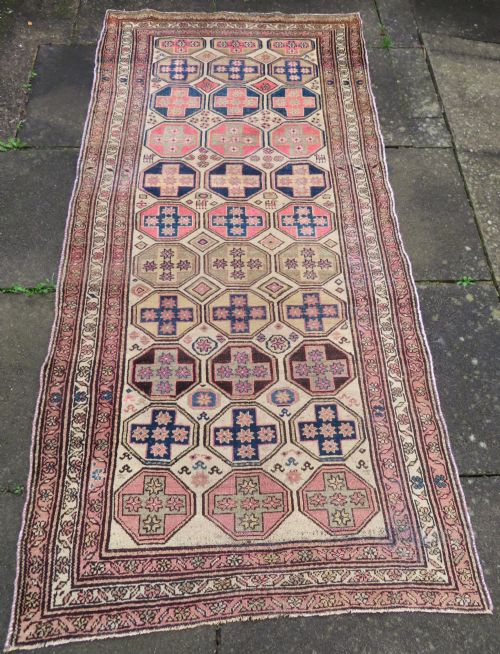
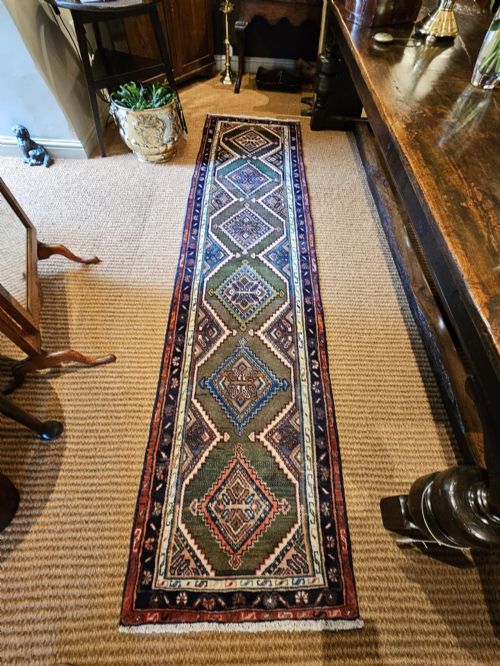
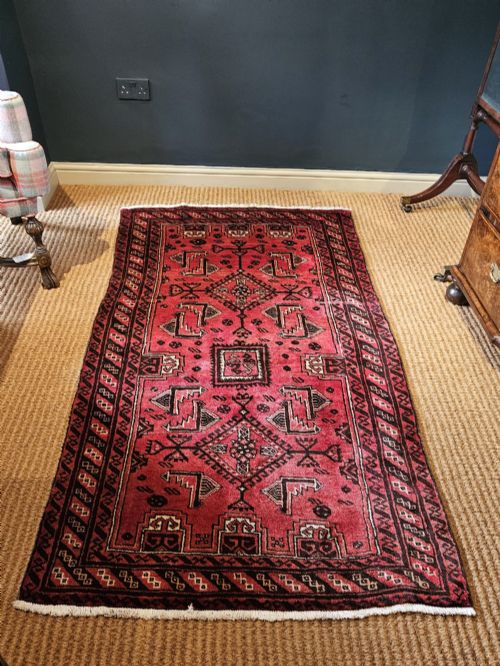
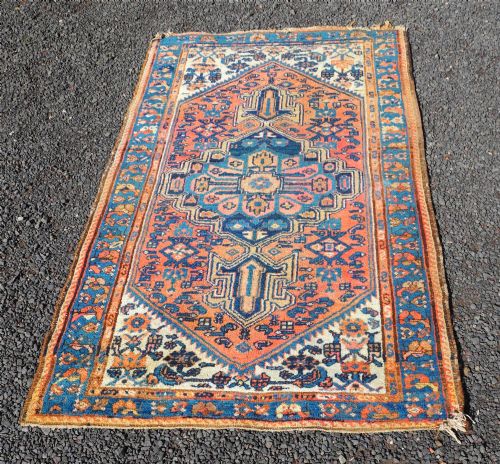
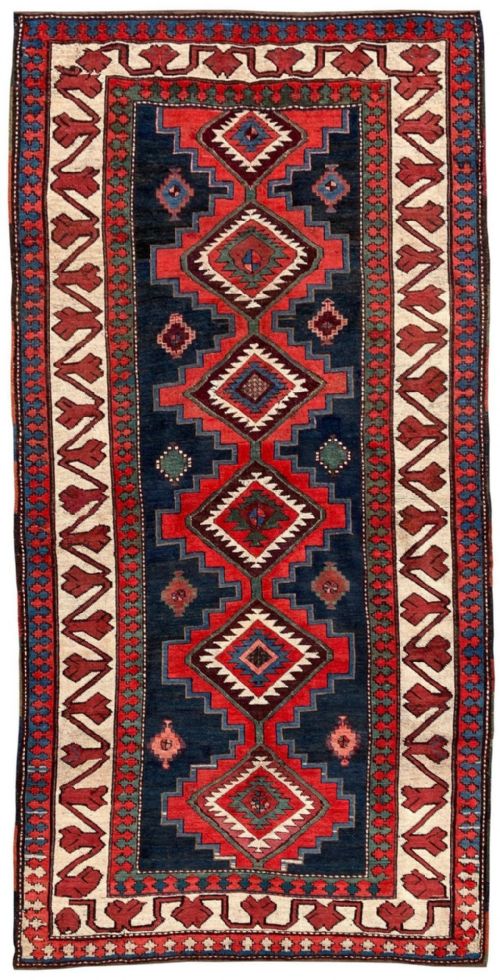
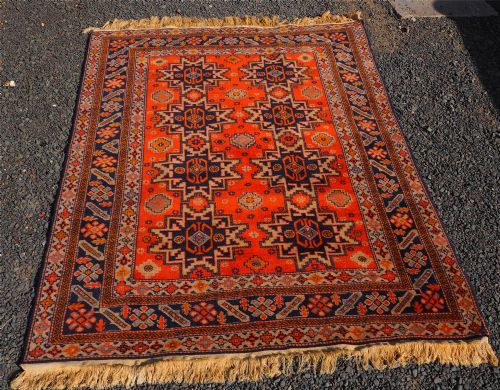
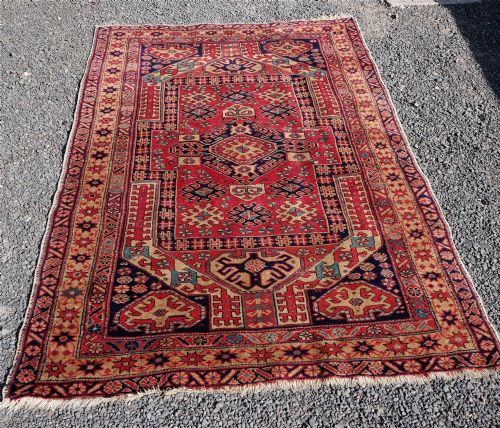
A geometric tribal wool carpet is a hand-knotted textile produced by nomadic or village weavers across regions such as Persia, the Caucasus, Anatolia, and Turkmenistan. When searching for a geometric tribal wool carpet, buyers encounter formats ranging from square area rugs and long hallway runners to small prayer rugs and saddle bag cushions. The pieces originate mainly from the nineteenth and early twentieth centuries, spanning periods from the eighteen-seventies up to the nineteen-thirties.
The aesthetic is defined by bold rectilinear motifs, medallions, and repeating tribal patterns rather than sweeping floral curves. Village weavers and tribal groups such as the Baluch, Afghan, Kurdish, Afshar, and various Caucasian tribes created these floor coverings for daily domestic use. Most examples met on this page showcase traditional village and nomadic weaving traditions adapted to room-sized carpets or narrow runners.
Materials and construction
These textiles rely predominantly on wool, hand-spun wool, pure wool, and occasionally camel wool for the pile, combined with cotton foundations in specific regional types. Weavers utilised natural dyes to achieve deep reds, olive greens, and mellow multi-coloured palettes that age with distinct character. The yarn is hand-knotted onto warp threads, creating a dense, durable pile designed to withstand generations of heavy foot traffic.
Village and nomadic production meant that looms were portable or set up locally, influencing the tighter tension and geometric rigidity of the patterns. The integration of hand-spun fibres produces subtle variations in texture and colour absorption across the surface of each rug. This traditional hand-knotting technique ensures the structure remains robust even as the pile softens over decades of use.
Listings feature wool, cotton, and natural dyes across nineteen-century and early twentieth-century village and nomadic formats.
Judging quality and character
Quality in these textiles rests upon the fineness of the knotting, the stability of the foundation, and the vibrancy of the dye palette. Tighter knots allow intricate geometric designs to remain crisp and well-defined, whereas looser weaves produce a softer, more relaxed line. The use of hand-spun wool and rich natural dyes elevates an example, giving the wool a lustrous handle that deepens in appearance over time.
The integrity of the edges, the completeness of the original borders, and the balance of the overall composition distinguish finer village and tribal weaving. Proportion and scale play significant roles, particularly in long runners and large carpets where symmetry is harder to maintain across the loom. An exceptional piece combines robust structural integrity with a harmonious distribution of regional motifs.
The Geometric Tribal Wool Carpet Glossary
- Prayer rug
- A small carpet featuring a mihrab or arch design indicating the direction of prayer, traditionally used for personal devotion.
- Runner
- A long, narrow carpet format designed specifically for hallways, corridors, and staircases.
- Natural dye
- Colourants derived from plants, insects, and minerals rather than synthetic chemicals, known for developing a soft patina.
- Gul
- A repeating medallion or octagonal motif frequently found in Turkmen and Baluch tribal weaving.
- Mihrab
- The arched niche design depicted on prayer rugs, representing the direction towards Mecca.
Geometric Tribal Wool Carpet: Frequently Asked Questions
How do I clean a wool carpet?
Regular gentle vacuuming without a beater bar removes surface dust and grit from the wool pile. Professional specialist cleaning is recommended for deep washing to protect the natural dyes.
Water and harsh chemical detergents should be avoided to prevent dye bleeding or fibre degradation. Promptly blotting liquid spills with a clean, dry cloth maintains the condition of the weave.
Where were these rugs made?
These textiles were produced by nomadic tribes and village communities across Persia, the Caucasus, Anatolia, and Turkmenistan. Each region developed distinct colour palettes and geometric motifs associated with specific groups like the Baluch or Kazak.
Weavers worked in domestic settings, passing down traditional patterns through generations rather than manufacturing in large urban workshops.
How do I place a runner?
Runners suit narrow spaces such as hallways, corridors, entryways, and alongside beds in a bedroom. Their elongated format directs movement and adds warmth to transitional areas in a home.
Using an appropriate underlay beneath the carpet prevents slipping and reduces wear on the wool foundation over time.