
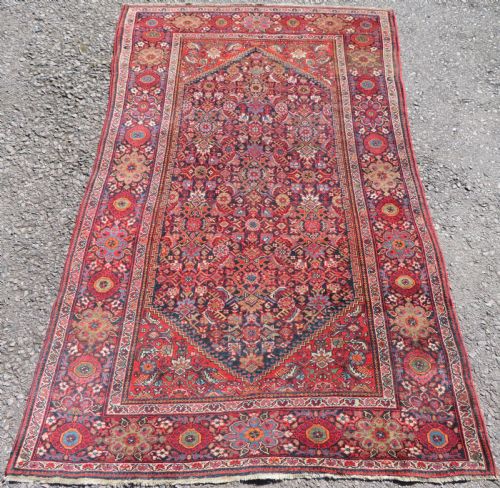


Handcrafted Wool Carpet
A handcrafted wool carpet anchors a room with texture and history, bringing the woven traditions of Persian, Turkmen, and Central Asian makers into a modern interior.
Handcrafted Wool Carpet
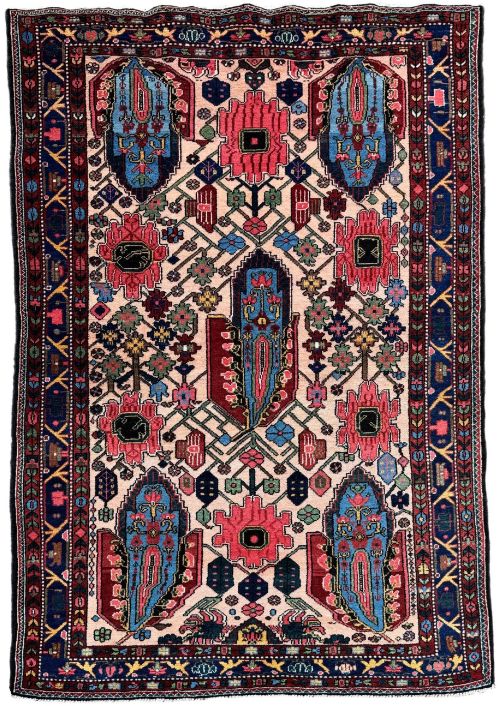
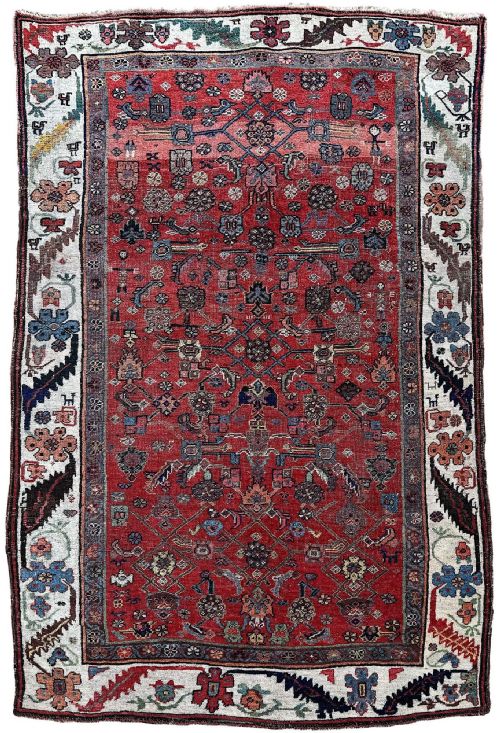
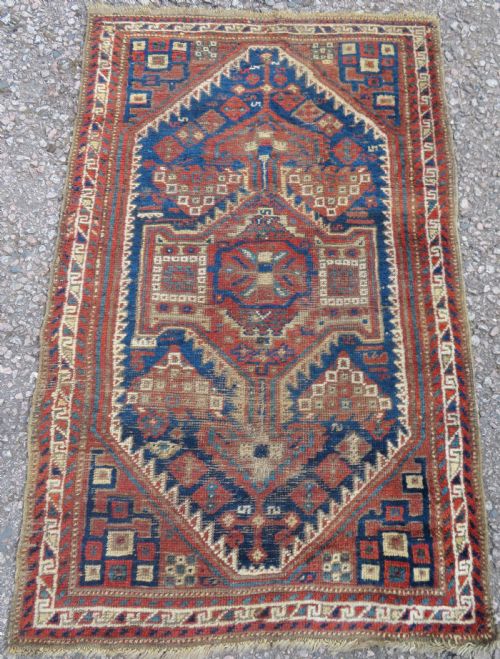
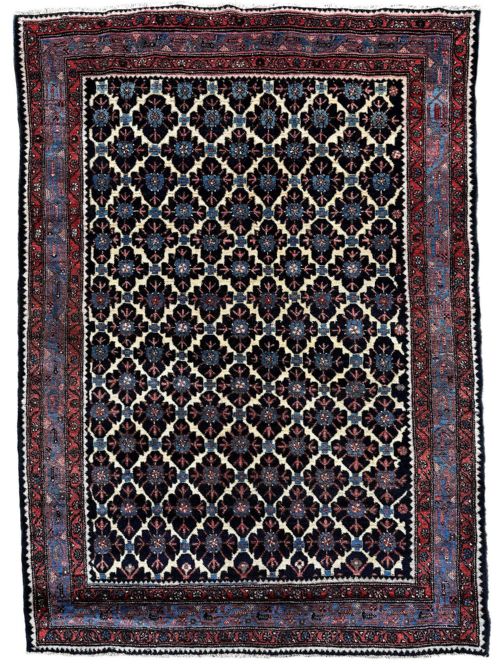
When you search for handcrafted wool carpet, you examine floor coverings and textiles originating from workshops and nomadic tribes across Persia, Turkey, Central Asia, and Portugal. The pieces span from the late nineteenth century through to the mid-twentieth century, encompassing regional formats from wide carpets to narrow runners and wall hangings.
The most common examples you encounter on this page are antique room-size rugs and smaller tribal pieces bearing traditional Persian and Central Asian motifs. These textiles served practical domestic roles in their regions of origin before finding appreciation among interior designers and collectors today.
Materials and Construction
Makers constructed these textiles predominantly from sheep wool, utilising cotton foundations for structural warp and weft threads in many workshop pieces. Certain specialised items incorporate silk highlights or feature chain stitch embroidery and needlepoint techniques on textile bases.
Nomadic and village weavers employed hand-knotting and flatweaving methods such as soumak and kilim construction, applying natural dyes to wool yarns. These traditional techniques yielded dense, resilient piles and durable flatweaves designed to withstand decades of daily use.
Handcrafted Wool Carpet Retail Price Guide 2026
Typical asking prices for handcrafted wool carpet among the pieces listed under this phrase on Sellingantiques today, from the lower quarter to the upper quarter. They describe what is for sale here now, not the wider market.
The inventory includes tribal storage bagfaces, Uzbek suzanis, and Portuguese needlepoint alongside classical Persian carpets.
Factors That Distinguish Quality
Knot density and structural integrity separate robust, finely executed carpets from simpler utility weaves. Tighter knotting allows for sharper delineation of intricate motifs such as the Herati pattern or regional geometric medallions.
The nuance and stability of the dye palette distinguish superior examples, where natural dyestuffs age gracefully into soft patinas. Wool quality and the careful preservation of original edge finishes and borders also determine the standing of an individual carpet.
The Handcrafted Wool Carpet Glossary
- Warp
- The vertical foundation threads stretched lengthwise on a loom before weaving begins. The fringe of a finished carpet typically consists of these exposed threads.
- Weft
- The horizontal threads passed alternately over and under the warp threads to bind the knots in place. Together with the warp, it forms the stable foundation of the textile.
- Soumak
- A flatweaving technique where decorative coloured yarns wrap horizontally over and under the warp threads in a herringbone pattern. This method creates a thicker, sturdier fabric than standard tapestry weaving.
- Kilim
- A flatwoven carpet or rug made without a pile by tightly interweaving warp and weft strands. These textiles are traditionally lighter and reversible.
- Herati
- A recurring floral and geometric motif featuring a central rosette enclosed by a diamond and flanked by curved leaves. It appears frequently in classical Persian weaving traditions.
Handcrafted Wool Carpet: Frequently Asked Questions
How do I clean an antique wool carpet?
Gentle surface vacuuming without a beater bar removes loose dirt from wool piles safely. Professional specialist cleaning remains essential for deep restoration to protect natural dyes.
Water exposure should stay minimal to prevent dye migration or wool shrinkage. Prompt attention to spills by blotting rather than rubbing preserves the integrity of the fibres.
Can I use these rugs in high traffic areas?
Traditional wool carpets possess natural lanolin that resists daily wear and repels minor stains effectively. Dense village and workshop weaves handle hallway and living room placement with ease.
Fragile needlepoint pieces or older tribal bagfaces require lighter use or wall placement. Placing a quality underlay beneath the carpet prevents slipping and reduces fibre friction against hard floors.
How do I identify tribal rugs from workshop pieces?
Tribal carpets display asymmetrical geometric designs, abrash colour variations, and coarser, spontaneous weaving structures. Nomadic makers relied on memory and local motifs rather than drawn cartoon templates.
Workshop carpets exhibit precise symmetry, refined floral curves, and consistent knot densities across the field. City centres such as Tabriz, Kashan, and Bidjar produced these formal designs under structured supervision.
What causes fading in antique carpets?
Extended exposure to direct sunlight breaks down natural and early synthetic dye compounds over decades. This environmental ageing creates the soft, faded reds and muted tones prized by many collectors.
Placing textiles away from intense southern windows protects the remaining pigment intensity. Even fading across a room-size carpet often indicates a uniform history of placement.