


Solid Silver Tea Set
When you search for a solid silver tea set, you encounter everything from full Georgian services to cased Edwardian teaspoons.
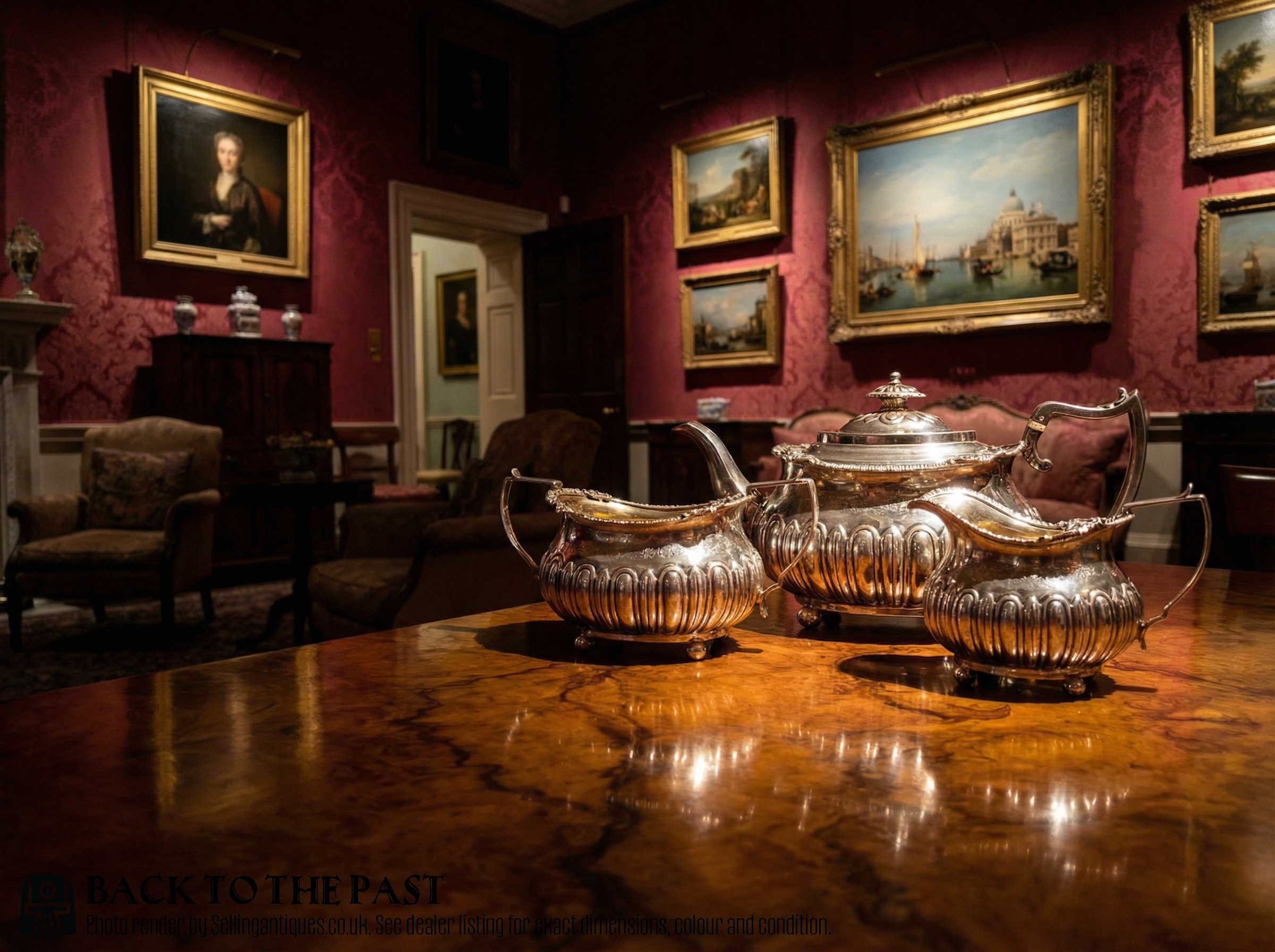
Solid Silver Tea Set
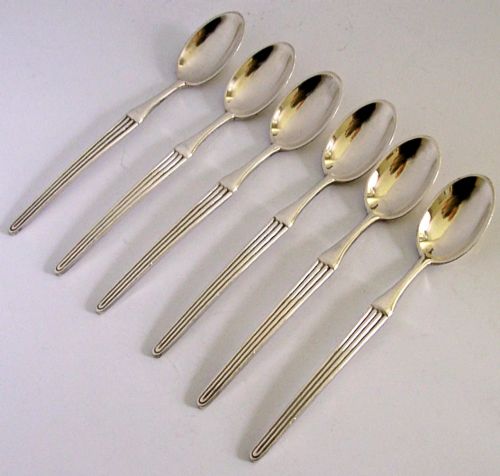
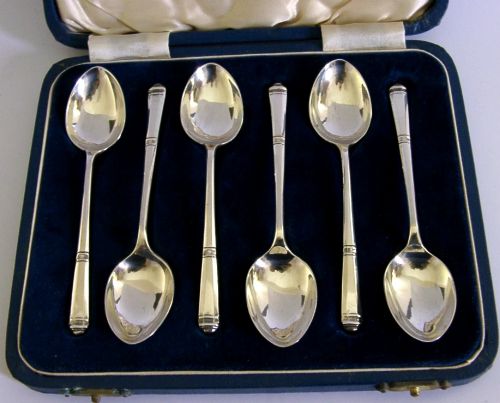
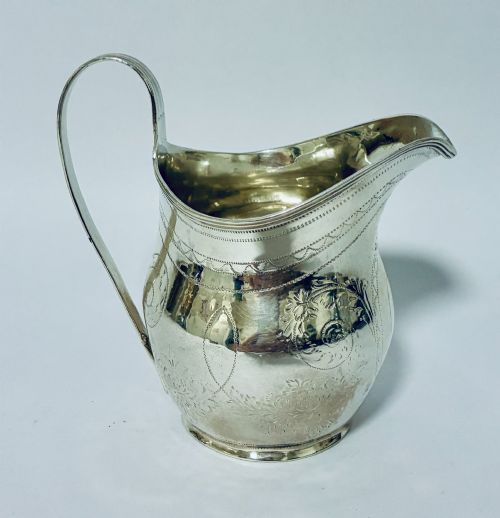
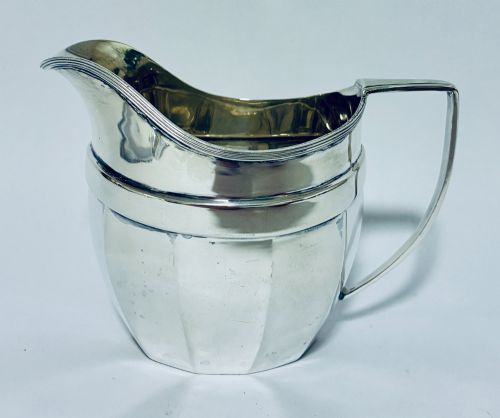
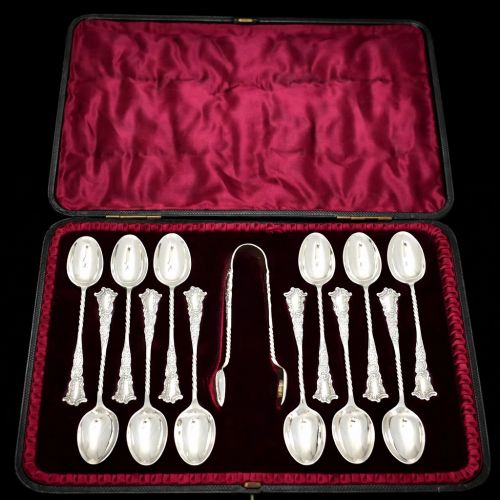
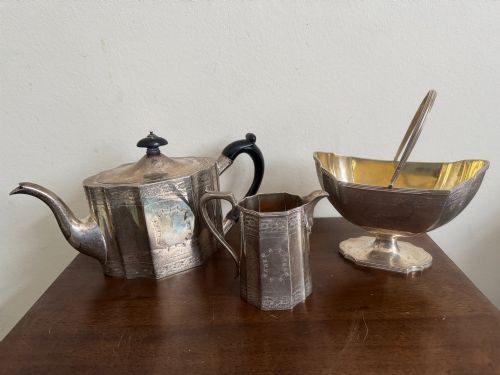
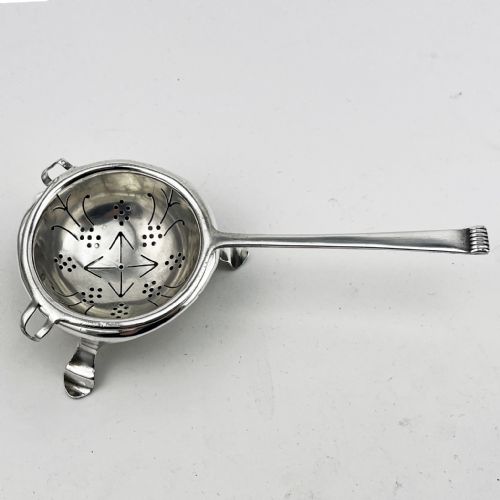
A solid silver tea set spans full multi-piece services comprising teapots, coffee pots, cream jugs, and sugar bowls alongside smaller cased sets of teaspoons, cake forks, and tea strainers. Full services frequently appear from the Georgian, Victorian, and Edwardian periods, while individual spoons and smaller accessories surface from the Art Deco era and mid-century years.
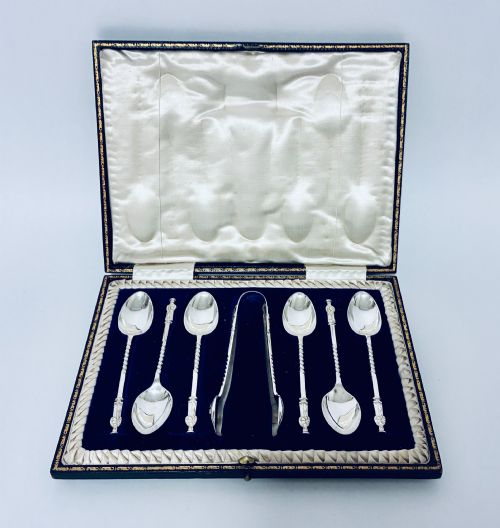
The evidence records complete tea and coffee services alongside specialised items like miniature dolls house sets, chocolate pots, and boxed spoon collections with matching tongs. Buyers encounter regional variations including Dutch, Ottoman, and French pieces, reflecting diverse domestic traditions in silver hollowware and flatware.
Materials and construction methods
Silversmiths constructed these pieces using sterling silver and solid silver, frequently incorporating chasing, embossing, and figural masks to ornament the surfaces. Makers utilised specialised materials such as velvet, leatherette, silk, wood, satin, shagreen, and Bakelite to line fitted presentation cases and form insulated handles.
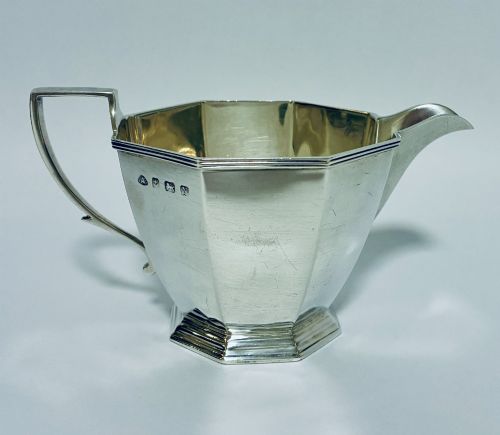
Techniques range from hand-chased acanthus leaf motifs and grape vine decorations on early pieces to clean geometric lines on later Art Deco examples. Makers employed casting, hammering, and engraving to shape hollowware vessels and stamp flatware.
Materials appearing across these collections include sterling silver, Bakelite, shagreen, velvet, and leatherette, utilised in both hollowware vessels and fitted presentation boxes.
Factors determining quality
Quality rests on the heaviness of the gauge, the crispness of chased details like floral chasing or figural masks, and the integrity of the original construction. Substantial weight in the metal and robust hinges on lids indicate superior manufacture.
Maker attribution elevates certain services, with renowned workshops such as the Barnard family, Robert Hennell, or Joseph Craddock producing hollowware distinguished by balanced proportions and deeply struck hallmarks. Presentation matters, with surviving fitted boxes lined in silk or velvet preserving the condition of the silver within.
Rait·Georg Jensen·Robert Stebbings·Joseph Craddock·Benjamin Smith·Charles Stuart Harris·John Walton·Josiah Williams and Co·David Landsborough Fullerton·J and J Maxfield Ltd·Philippe Berthier·Elkington·Barnard·Roberts and Slater·Robert Hennell·Lanson Ltd·Peter Gillois·George Fox
The Solid Silver Tea Set Glossary
- Sterling silver
- A silver alloy containing 92.5 percent pure silver and 7.5 percent other metals, usually copper, ensuring structural durability for hollowware and flatware.
- Chasing
- A metalworking technique where the silversmith pushes and displaces metal from the front using punches to create raised decorative designs such as leaves and scrolls.
- Hollowware
- Tableware items such as teapots, cream jugs, sugar bowls, and coffee pots that are formed as three-dimensional vessels rather than flat implements.
- Vermeil
- Sterling silver that has been plated with a thin layer of pure gold, appearing on specific antique French and international pieces.
- Hallmark
- A series of official marks stamped on precious metal items to indicate the standard of purity, the assay office, the maker, and the year of production.
Solid Silver Tea Set: Frequently Asked Questions
What pieces comprise a full tea set?
A standard service typically includes a teapot, a milk or cream jug, and a sugar bowl. Larger configurations incorporate a matching coffee pot and hot water kettle.
Additional accessories such as tea strainers, caddy spoons, and sugar tongs frequently accompany these primary vessels in fitted cases.
How do I care for solid silver?
Regular use prevents heavy tarnish accumulation, as natural oils from handling retard oxidation. Wash pieces in warm soapy water and dry them immediately with a soft cloth.
Avoid abrasive cleaners that wear away thin engraving and chased details over time.
How do hallmarks help date a set?
Assay office marks, standard marks, and date letters stamped into the metal provide precise records of origin and manufacture year. British pieces utilise specific letter punches corresponding to the operating year of the local assay office.
Consulting authorized date tables allows collectors to trace the exact year a teapot or spoon was registered.
Why are some tea sets cased?
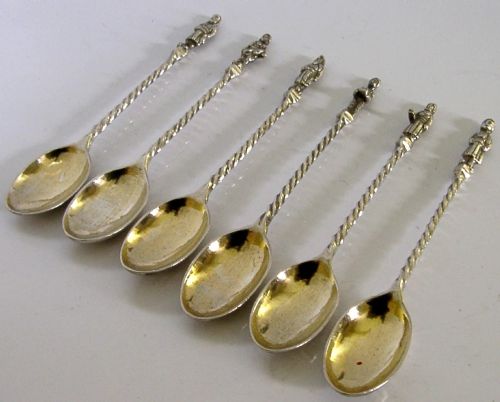
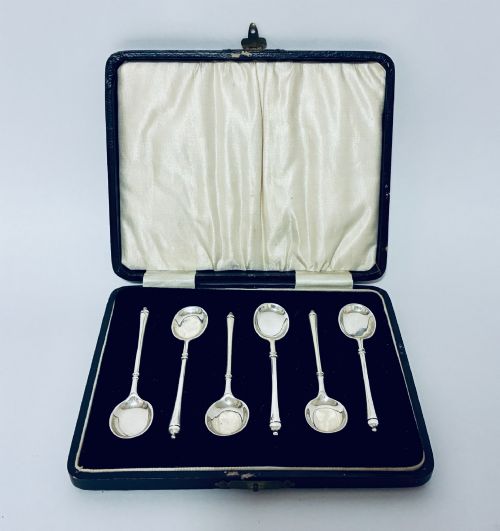
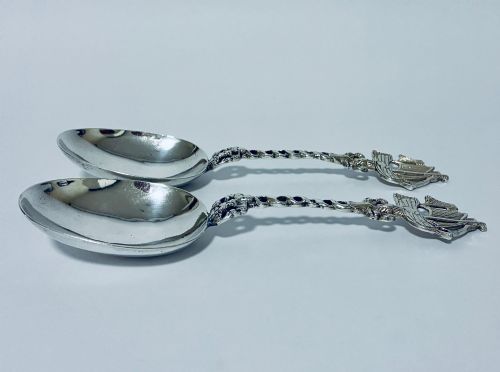
Smaller services, apostle spoons, and specialty flatware were manufactured specifically for presentation and safe storage. Fitted boxes lined in velvet, satin, or silk protected delicate items from scratching during transport.
Complete cased sets maintain higher collector interest because their original housing survives intact.