
Solid Silver Tableware
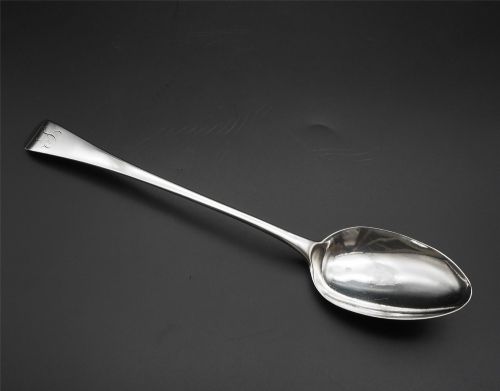
Solid silver tableware brings functional elegance to the dining table, encompassing everything from Georgian basting spoons to cased napkin rings.
Solid Silver Tableware
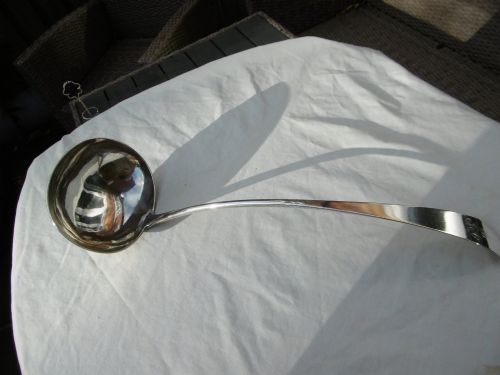
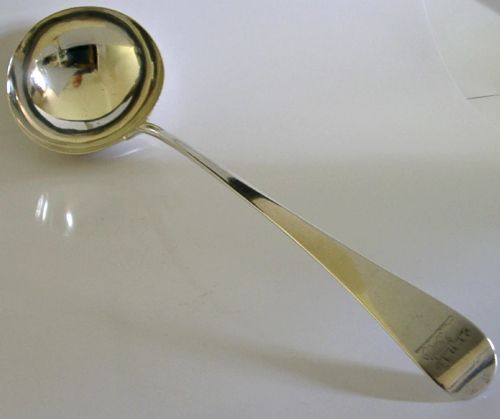
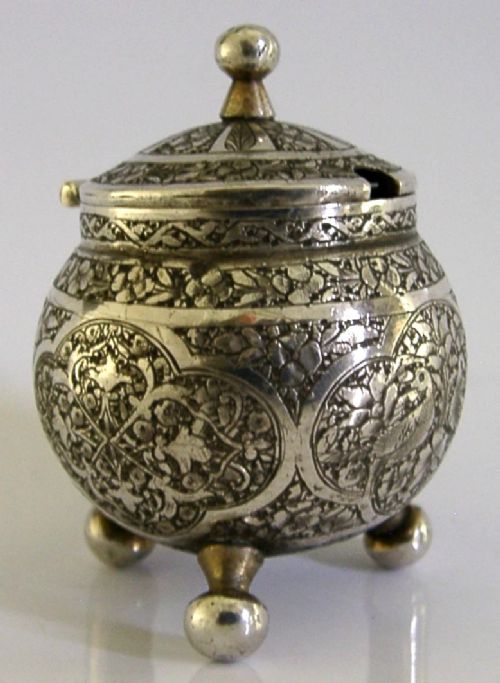
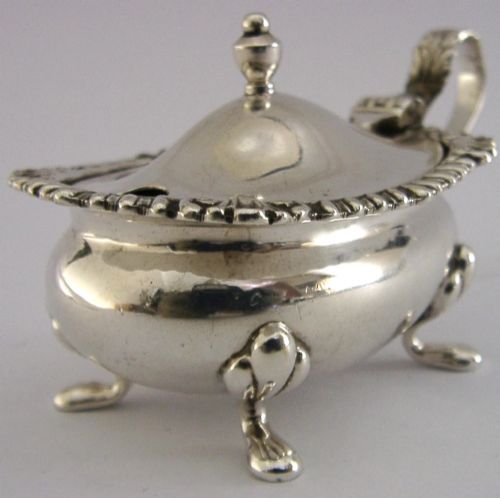
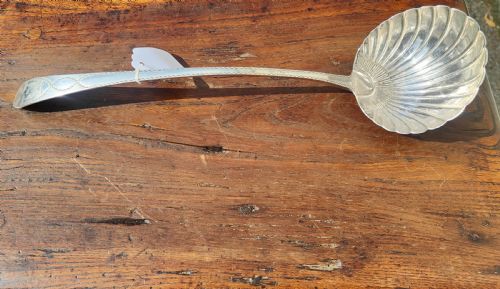
Solid silver tableware comprises functional and decorative dining accessories shaped from sterling silver, spanning centuries of British and international silversmithing. When searching for solid silver tableware, buyers encounter utilitarian items such as mustard pots, egg cruets, knife rests, and salt cellars alongside serving pieces like ladles and basting spoons.
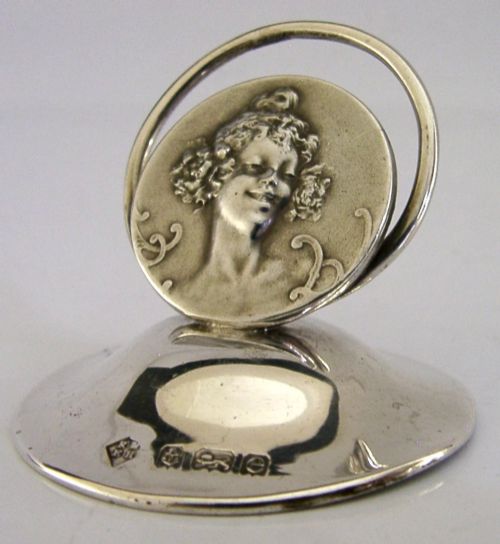
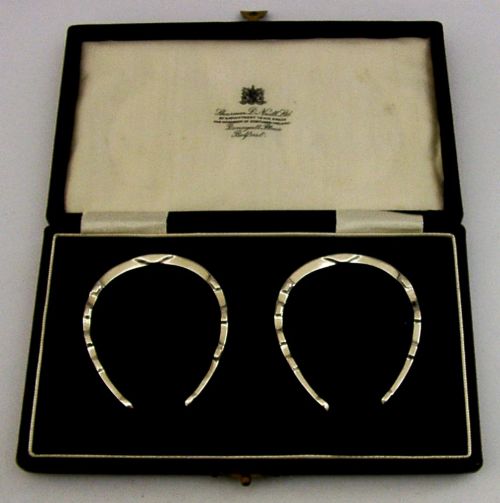
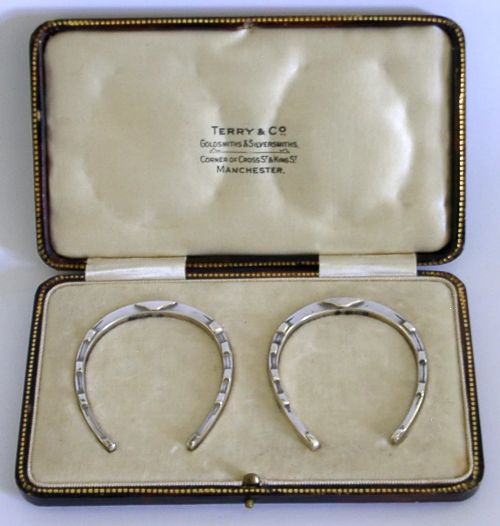
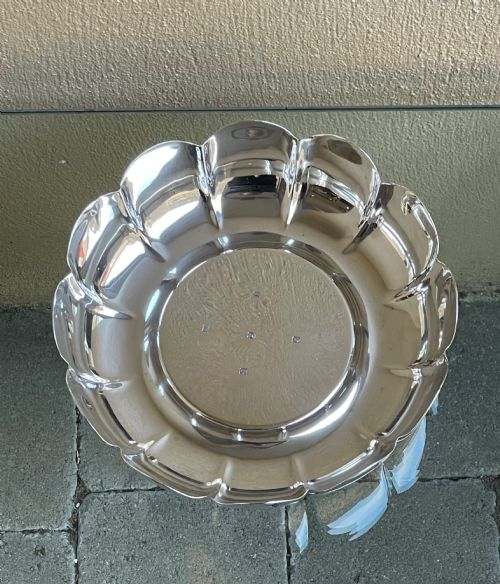
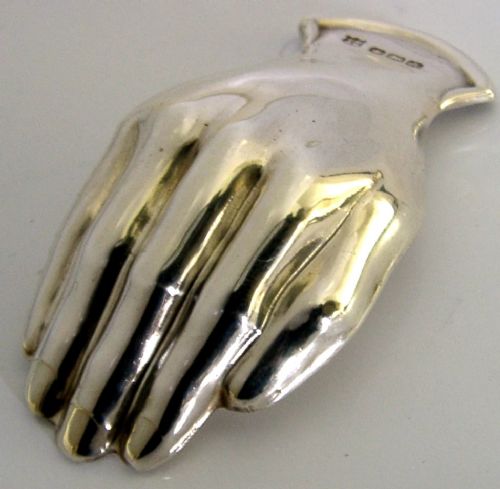
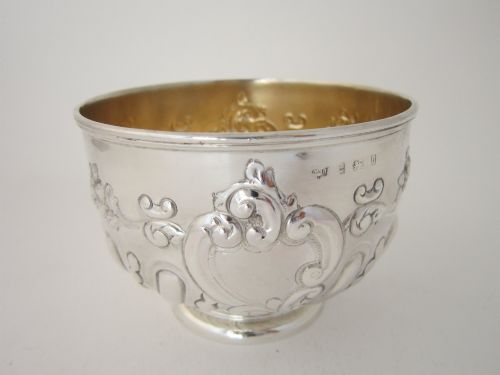
The selection frequently includes Georgian serving pieces, Edwardian bowls, and Art Deco toast racks, alongside cased sets of napkin rings from the 1920s and 1930s. Pieces range from plain domestic forms to novelty items shaped like horseshoes, hands, and owls, reflecting the changing tastes of dining culture across the Georgian, Victorian, and mid-century periods.
How They Were Made
Items of solid silver tableware were formed through traditional smithing techniques, including hammering, casting, and raising from sheet sterling silver. Makers often incorporated contrasting elements such as blue glass liners inside mustard pots or utilised velvet, silk, satin, and leatherette to line presentation cases.
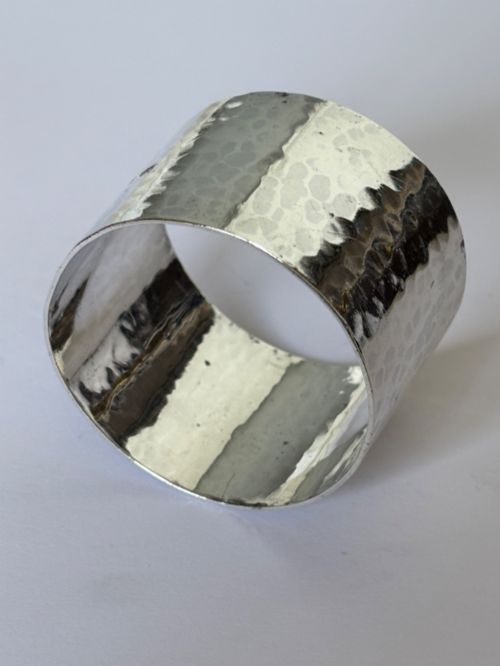
Surface decoration varied from simple hand-hammered textures associated with the Arts and Crafts movement to clean geometric lines characteristic of Art Deco design. Silversmiths applied gilding for decorative interior finishes on casters and cream jugs, while applied crests and engraved ciphers personalized individual pieces.
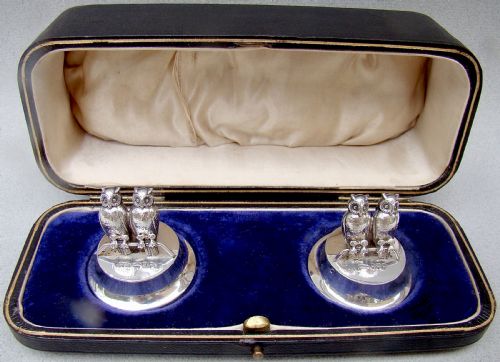
Dining tables of the past gained character from whimsical silver accessories, including tiny owl menu holders and miniature hand-shaped tea caddy spoons.
What Varies in Quality
The distinction between standard domestic items and superior examples lies in the weight of the silver used and the crispness of the maker's mark and assay office stamps. Heavier gauge metal resists denting during daily use and provides a balanced feel in the hand, particularly on larger serving spoons and salvers.
Design execution and finishing details separate ordinary production from distinguished workshop output. Finely modeled novelty pieces, such as menu holders or figural napkin rings, demonstrate greater sculptural skill than plain stamped iterations, while original fitted presentation cases add contextual completeness.
Hester Bateman·Albert Edward Jones·Levi and Salaman·R. E. Stone
The Solid Silver Tableware Glossary
- Sterling silver
- An alloy consisting of 92.5 percent silver and 7.5 percent other metals, typically copper, chosen for durability in tableware. This standard has governed British silver production for centuries.
- Caster
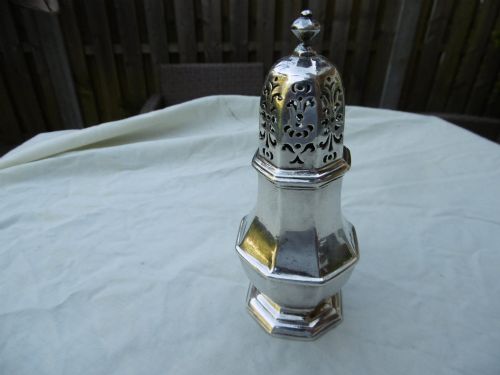
- A small perforated vessel used for sprinkling sugar, spices, or condiments over food. Early examples often feature octagonal bodies and pierced slip-on lids.
- Basting spoon
- A large kitchen or dining spoon designed for spooning juices over roasting meat. These pieces typically measure significantly longer than standard table spoons.
- Cruet set
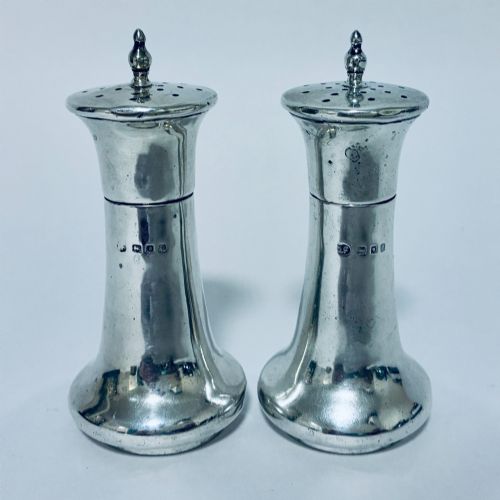
- A matched group of small containers designed to hold condiments like mustard, pepper, and salt at the table. They frequently incorporate glass liners and rest on fitted stands.
- Salver
- A flat serving tray raised on feet, used for presenting glasses or dishes. George II and later examples often feature heavily chased borders and engraved crests.
Solid Silver Tableware: Frequently Asked Questions
How do I clean solid silver tableware?
Clean silver using a dedicated silver polish and a soft cloth, avoiding abrasive pads that scratch the metal surface. Wash pieces in warm soapy water afterwards and dry them thoroughly to prevent tarnishing.
Items with delicate components, such as glass liners or fabric-lined cases, require separate care to protect non-silver materials from moisture and cleaning agents.
Are these pieces suitable for daily dining?
Solid silver tableware is robust enough for regular use, having been originally manufactured for active dining environments. Sterling silver is durable, though frequent washing and handling will develop a natural patina over time.
Delicate novelty items or pieces with delicate gilding are better reserved for occasional display or careful special-occasion use.
How do I identify the age of a piece?
British silver typically carries hallmarks indicating the assay office, the maker's mark, and a date letter corresponding to the year of manufacture. Comparing these stamped symbols against standard assay records reveals the exact year and location of production.
Stylistic indicators, such as Art Deco geometry or Georgian hand-hammered surfaces, also provide a broad chronological framework.