
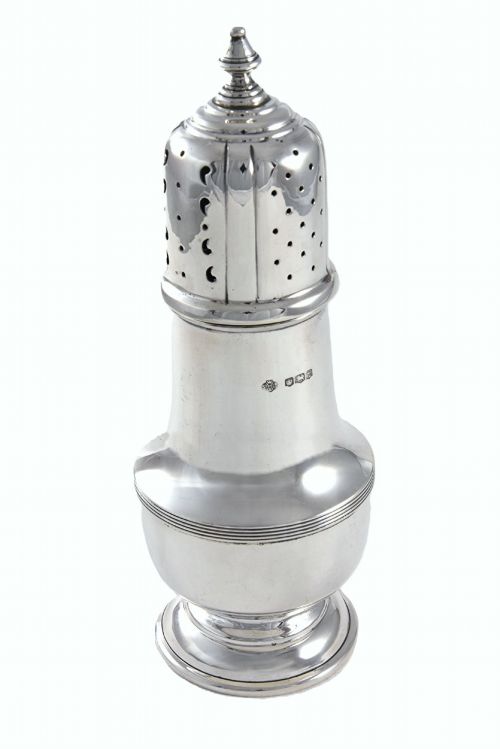


Solid Silver Shaker
A solid silver shaker brings functional elegance to table settings, ranging from tall sugar casters to playful novelty pepper pots.
Solid Silver Shaker
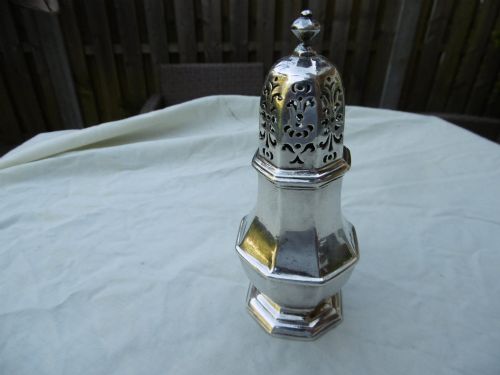
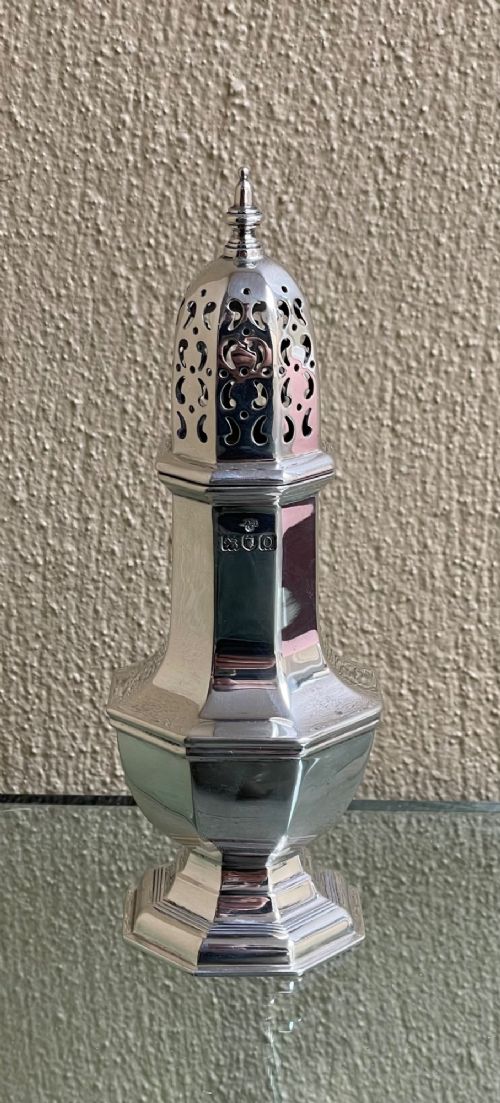
When searching for a solid silver shaker, buyers encounter a diverse selection of dining table tableware designed for sugar, pepper, and spices. These containers span multiple centuries, appearing frequently in Georgian, Victorian, and Edwardian iterations alongside later Art Deco designs.
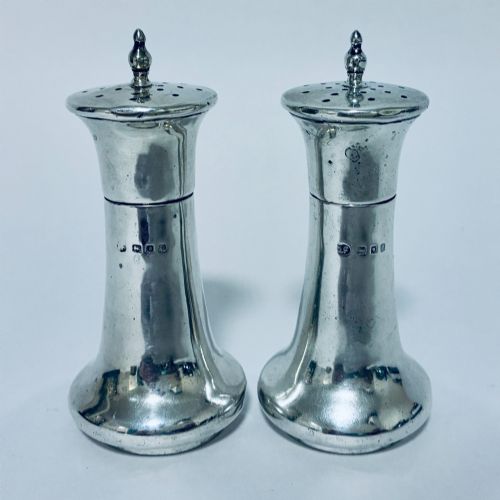
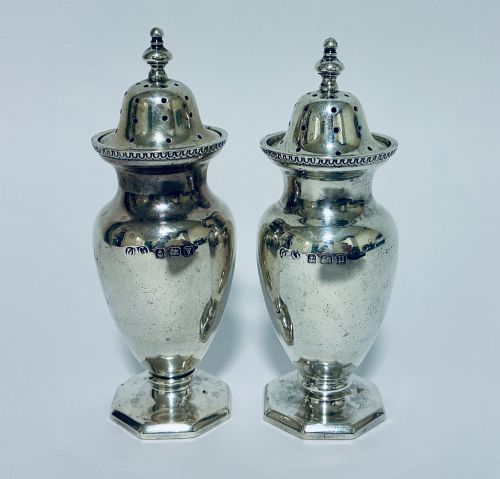
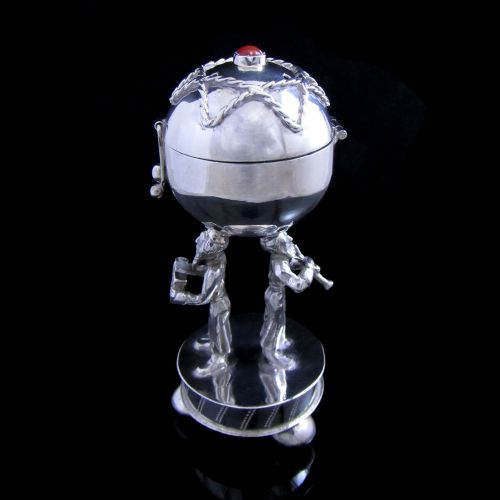
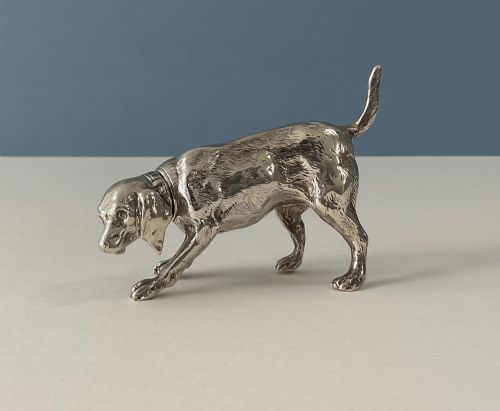
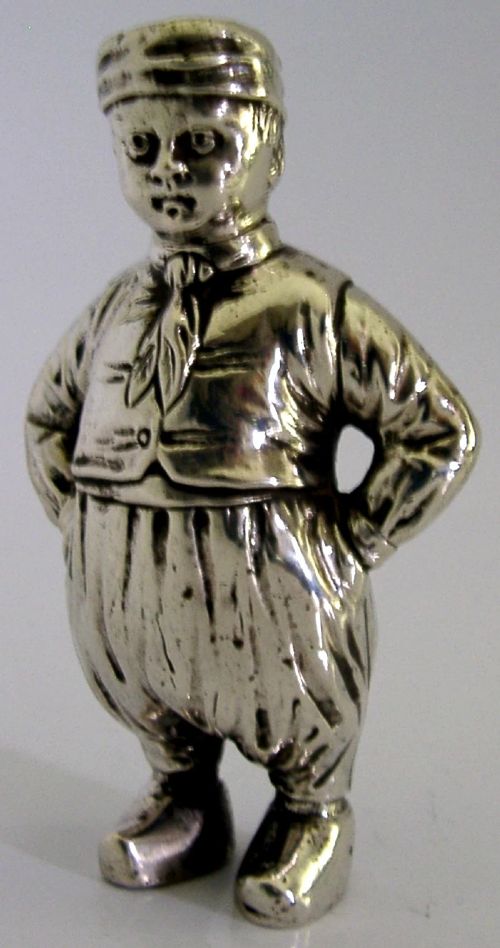
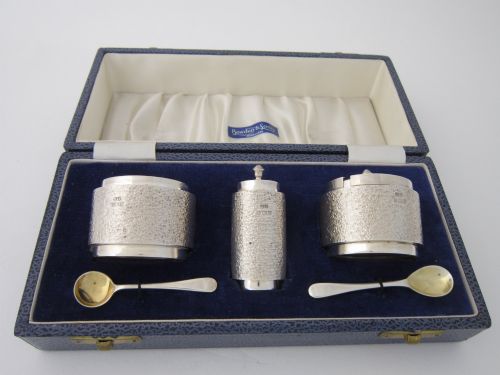
The assortment includes large sugar casters, known historically as muffineers, as well as smaller pepperettes and matched condiment sets. Novelty forms shaped like animals, birds, and architectural lighthouses also feature prominently among the table wares.
Originating from British workshops as well as continental makers utilising various silver purities, these pieces reflect changing dining rituals from formal eighteenth-century sugar dispensing to twentieth-century cocktail preparation.
How they were made
Silversmiths shaped sterling silver, 800 silver, and 833 silver using traditional methods of raising from sheet metal or casting. Pierced lids were carefully hand-cut or drilled to regulate the distribution of sugar grains or ground pepper.
Many examples combine heavy-gauge metal bodies with cut glass reservoirs, gilt interiors, or internal threaded collars to secure the removable tops safely during use.
Materials recorded across the archive include sterling silver, 800 silver, cut glass, and gold plate combined with velvet and silk.
What varies in quality
The distinction between standard table accessories and finer examples rests upon the weight of the metal and the crispness of the chasing or piercing. Heavier gauge silver retains structural integrity in the delicate perforations of the cap, ensuring the pattern remains sharp through generations of polishing.
Design complexity further separates standard production items from master silversmith commissions, particularly in sculptural novelty pieces where anatomical detail in animal forms or architectural precision in lighthouse shapes demonstrates superior workshop skill.
Stephen Adams·The Barker Brothers·Bricks And Sons·Roberts And Belk·Thomas Ross·Thomas Johnson·Charles Alchorne·Viners·Thomas Bamford
The Solid Silver Shaker Glossary
- Caster
- A small container with a perforated top used for sprinkling sugar or spices onto food. These vessels appeared in various sizes from the eighteenth century onward.
- Muffineer
- A larger type of sugar caster specifically intended for dusting hot muffins or toast. They typically feature a broad base and generous proportions.
- Pepperette
- A small shaker designed exclusively for ground pepper. These often form matching pairs for dining table service.
- Pounce pot
- An early container used to sprinkle powdered resin or cuttlefish bone onto handwritten ink to accelerate drying. They share a similar pierced lid mechanism with later shakers.
- Polygons
- Multi-sided geometric forms utilised in Art Deco tableware design. Shakers featuring these shapes display crisp, faceted edges.
Solid Silver Shaker: Frequently Asked Questions
How do I clean an antique shaker?
Use a soft microfiber cloth and a mild silver cleaning preparation designed specifically for precious metals. Avoid harsh abrasive pastes that can wear down hallmarks or delicate pierced details on the cap.
Rinse the piece thoroughly in warm water and dry immediately to prevent moisture from lodging in the pierced lid or internal threaded sections.
Were these always used for sugar?
Historical table shakers served multiple functions depending on their size and internal capacity. Large vessels functioned as sugar casters or muffineers, while smaller pots held pepper, spices, or pounce powder for writing.
Cocktail shakers emerged later in the twentieth century for mixing drinks, utilising heavier gauge silver and secure tight-fitting caps.
How can I tell the period?
Hallmarks stamped directly onto the silver body provide the most reliable indicator of origin and date. British pieces display town marks, maker's marks, and date letters that correspond to specific registry years.
Stylistic cues such as Georgian octagonal shaping, Victorian animal novelties, or Art Deco geometric polygons also help identify the manufacturing era.
Can I use them for daily dining?
Solid silver table pieces are durable enough for regular use provided they receive proper care and gentle hand washing. Modern table salt should not be left inside silver vessels for extended periods because it can pit the metal.
Emptying the contents after use and storing the shakers dry preserves the interior finish and prevents corrosion.