


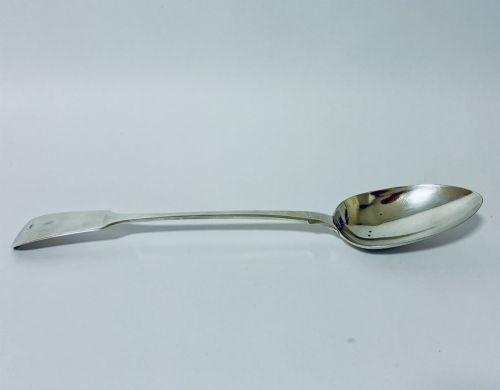
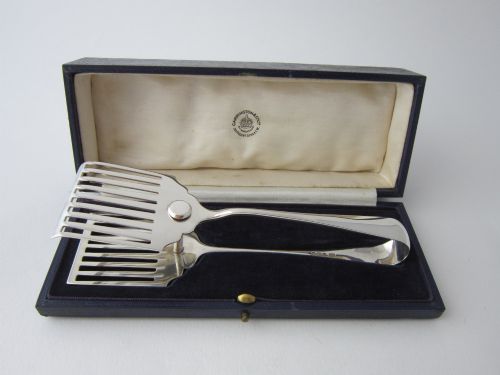
Solid Silver Server
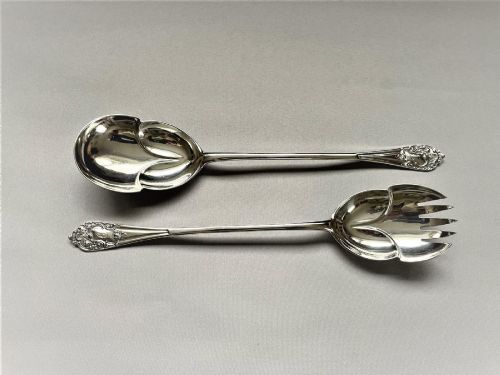
A solid silver server brings substantial weight and period craftsmanship to the dining table through specialised forms ranging from fish slices to salad sets.
Identifying Solid Silver Servers
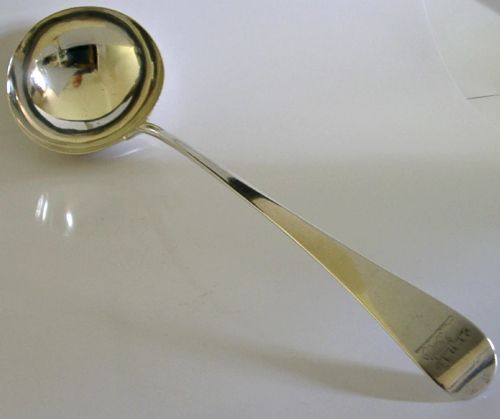
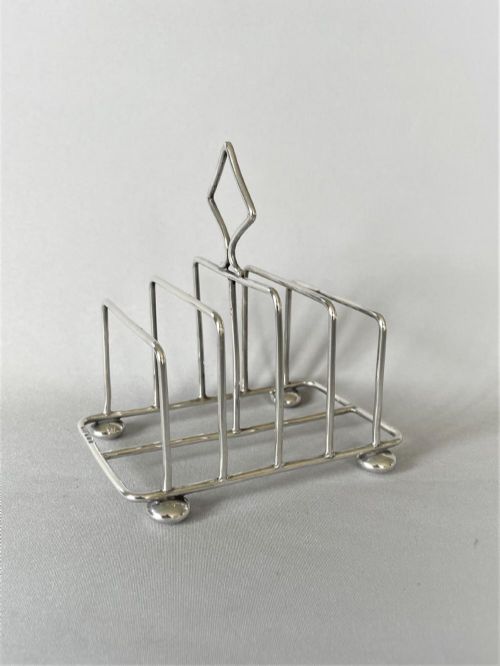
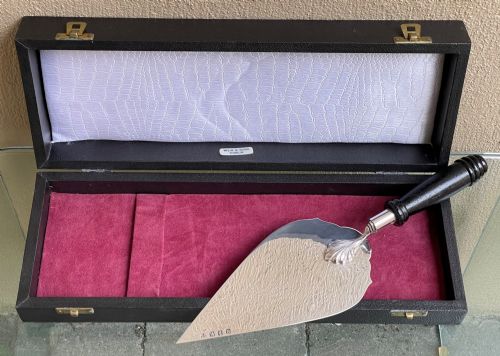
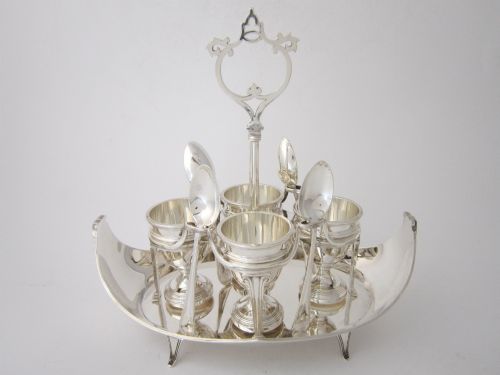
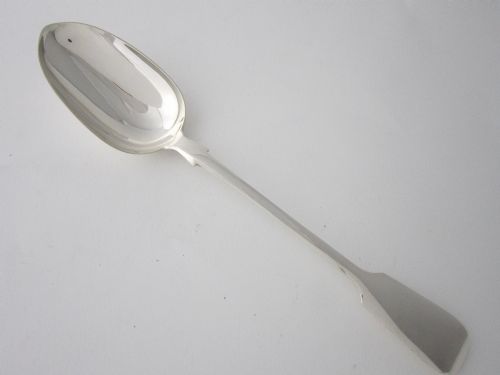
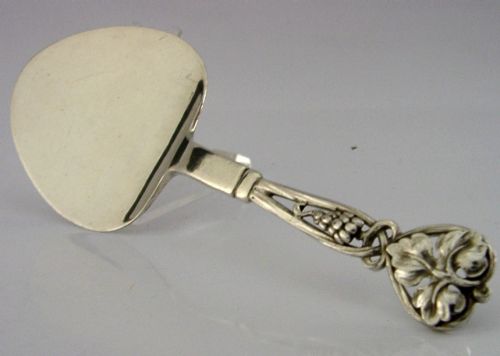
A solid silver server encompasses a diverse group of flatware and utensils designed for specific culinary tasks at the table. When searching this phrase, buyers encounter forms such as serving tongs, fish slices, cake servers, sardine forks, and salad sets spanning the Georgian, Victorian, and Art Deco periods.
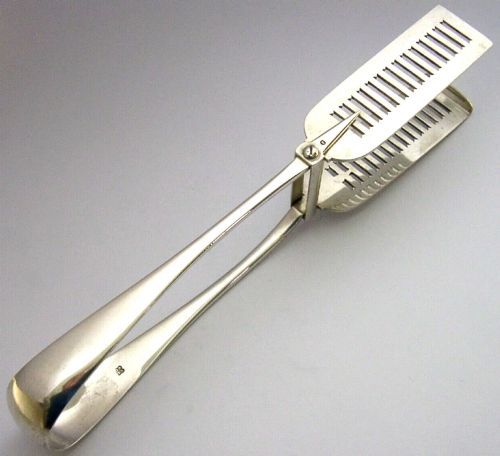
The most common versions met on this page include nineteenth-century English fish slices, Scandinavian salad servers, and Georgian serving tongs. These pieces originate from domestic workshops as well as international makers in Denmark, Germany, Norway, and America.
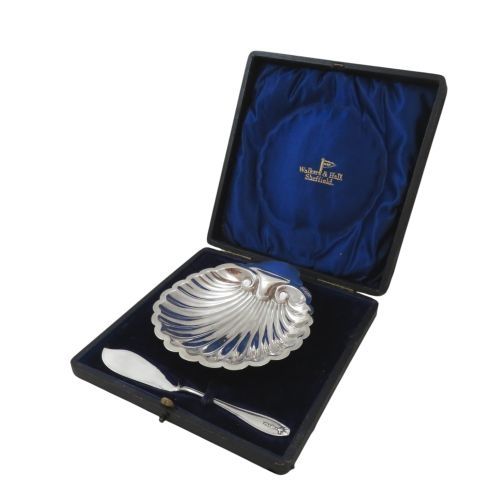
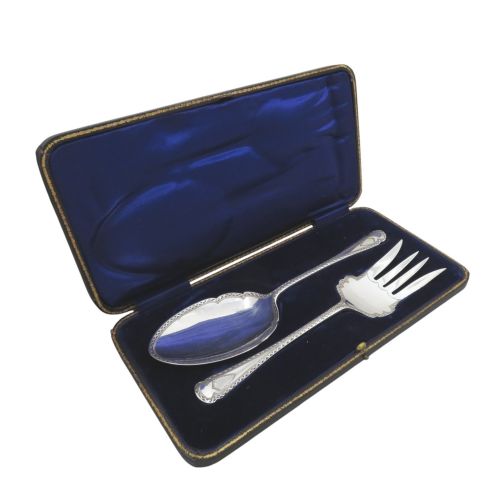
Objects range from single pierced serving spoons to matched cased sets intended for formal dining. Each variation reflects the prevailing dining customs and silversmithing standards of its respective decade.
Materials and Construction
Items are constructed from sterling silver or solid silver standards, utilising metal that provides both durability and a heavy hand-feel. Blades and bowls are frequently shaped through hammering, rolling, and cutting before receiving detailed surface decoration.
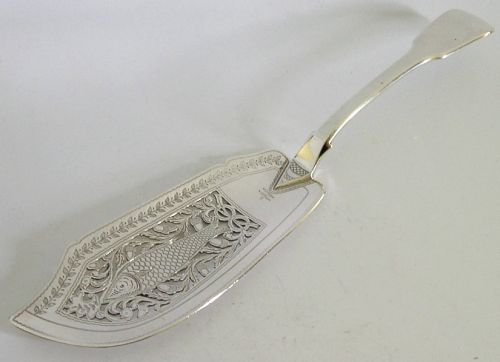
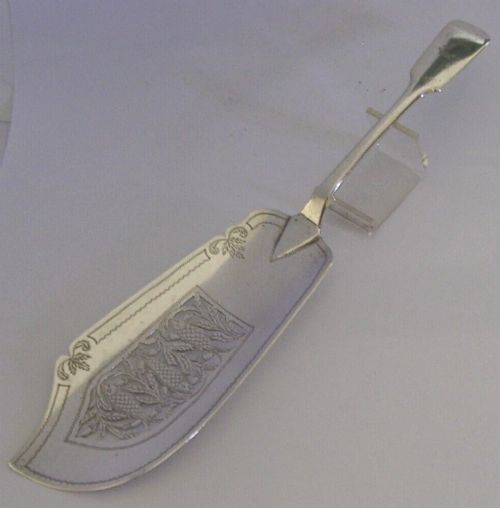
Piercing and engraving techniques create intricate openwork patterns on fish slices and pastry servers. Handles are formed either in solid metal with cast crests and patterns or paired with specialised forms like sardine forks and asparagus servers.
Retail Price Guide 2026
Typical UK retail prices for solid silver server, calculated from the Sellingantiques database of over a million retail prices indexed since 2003. This retail price guide relies exclusively on Sellingantiques data; no external sources or auction records are used, so the figures do not describe the wider market.
Assessing Quality and Execution
Quality rests upon the thickness of the silver gauge and the crispness of the chased or engraved decoration. Substantial weight in the hand distinguishes superior pieces from lighter utilitarian versions.
The precision of piercing work on fish slices and the depth of family crests or floral motifs indicate the skill of the silversmith. Maker marks and clear hallmarks further elevate a piece by confirming its provenance and standard of silver.
Georg Jensen·Wilkes Booth·Charles Boyton·Hukin & Heath·John Grinsell And Sons·Elizabeth Eaton
The Solid Silver Server Glossary
- Sterling silver
- A silver alloy containing 92.5 percent pure silver by mass, with the remainder consisting of other metals like copper for strength.
- Fish slice
- A broad, flat server featuring a pierced or engraved blade designed for lifting and serving fish portions at the table.
- Hallmark
- An official stamp applied to precious metals indicating the standard of purity, the assay office, and the date letter.
- Chasing
- A metalsmithing technique where designs are hammered into the front surface of the metal rather than cut away.
- Serving tongs
- A hinged utensil used for lifting items like sugar lumps or food portions without touching them by hand.
Frequently Asked Questions
What is a solid silver server used for?
These utensils serve specific foods at the dining table, including fish, cakes, salads, asparagus, and sardines. Each form matches the texture and shape of the dish it handles.
Larger servers like fish slices and salad sets were designed for formal entertaining in Georgian and Victorian households. They remain functional for modern dining or display as part of a silver collection.
How do I identify the date of a silver server?
British pieces feature hallmarks that include date letters corresponding to specific assay office records. Examining the style of engraving and the shape of the handle also helps narrow down the period.
Continental and American pieces often rely on maker marks and standard purity numbers like 800 or sterling rather than traditional date letters. Comparing stylistic markers such as Art Nouveau curves or Georgian crests aids in dating.
Are silver servers heavy?
Many antique servers possess a noticeable heft, often weighing well over one hundred grams due to the solid metal gauge used in their construction. Weight varies depending on the specific form, with fish slices and cased sets generally being the heaviest.
This substantial weight distinguishes solid silver pieces from plated alternatives. The balance of the handle relative to the server head provides comfortable handling during use.
How should I care for antique silver servers?
Regular use helps prevent tarnish from settling deeply into the recessed details of engraved or chased patterns. Hand washing with mild soap and warm water is recommended after use.
Storing pieces in anti-tarnish rolls or dry environments preserves the surface finish. A soft cloth and specialised silver polish should be applied sparingly to avoid wearing away fine hallmarks and details.