
Snap Top Side Table
A snap top side table combines a pivoting surface with a sturdy tripod base, designed for compact storage when not in use.
Snap Top Side Table
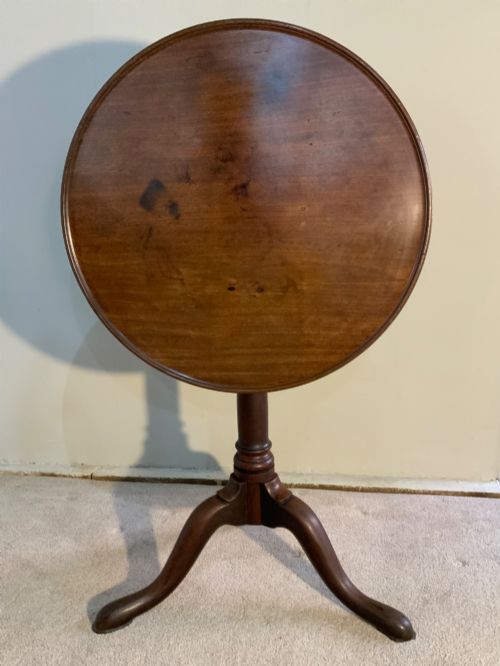
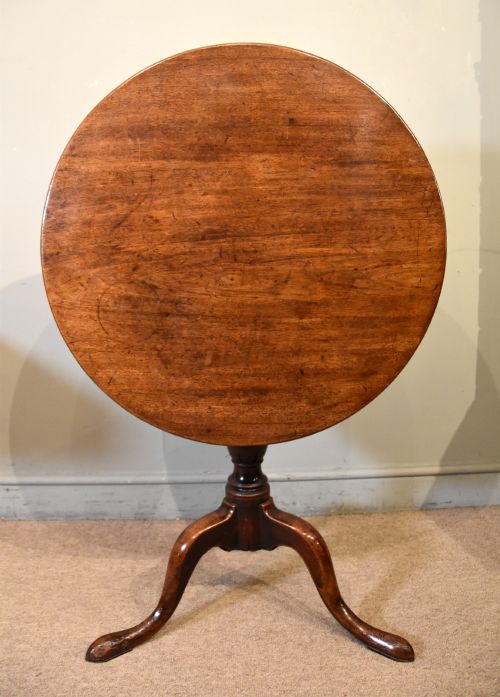
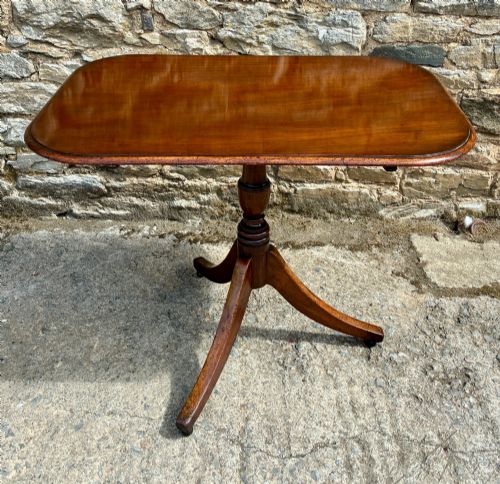
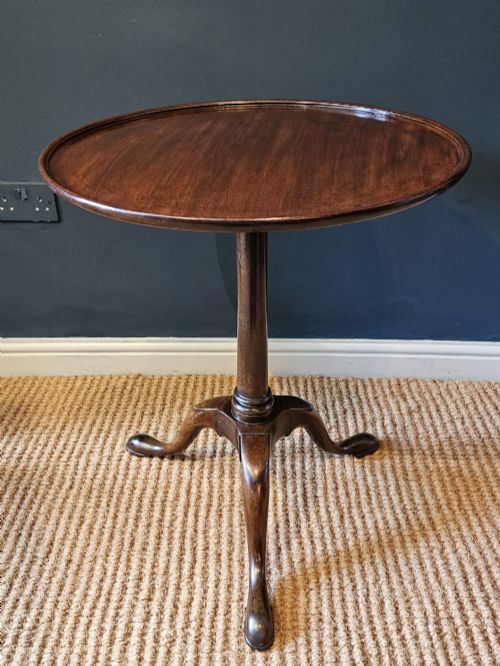
When you search for a snap top side table, you encounter compact occasional pieces primarily originating from the Georgian, Victorian, and Regency periods. These versatile items typically function as tea tables, wine tables, or lamp tables depending on their diameter and height.
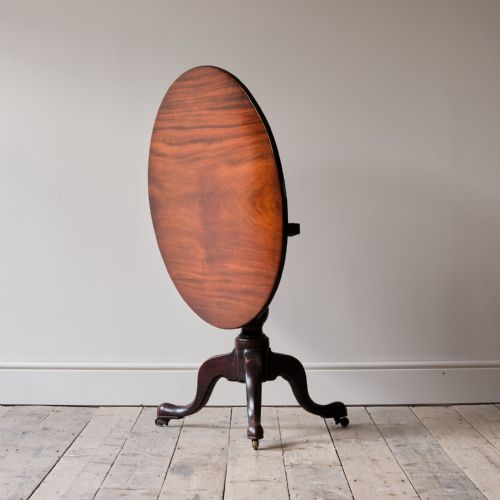
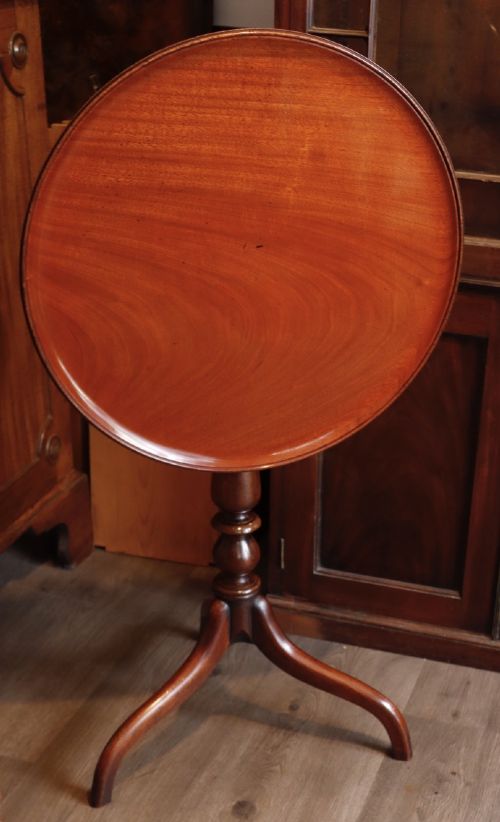
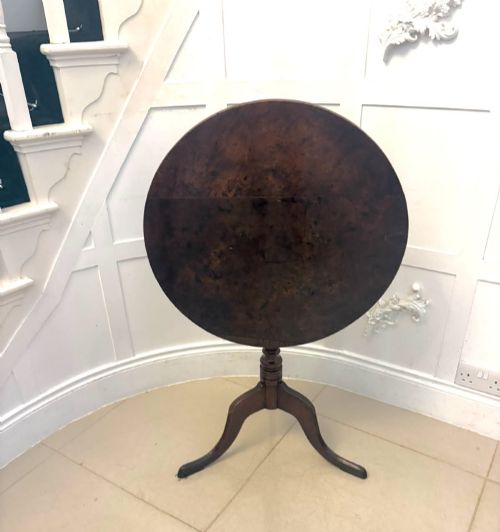
Most examples found here employ a clever pivoting mechanism that allows the wooden top to lock vertically against the pedestal. This clever design lets the furniture stand flat against a wall when floor space is at a premium.
Materials and construction
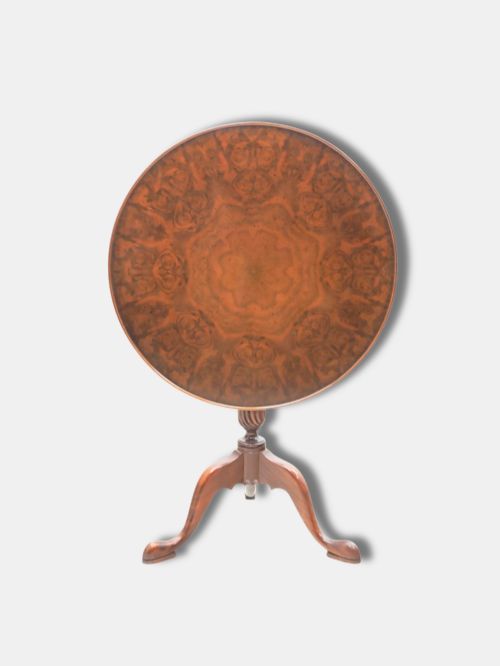
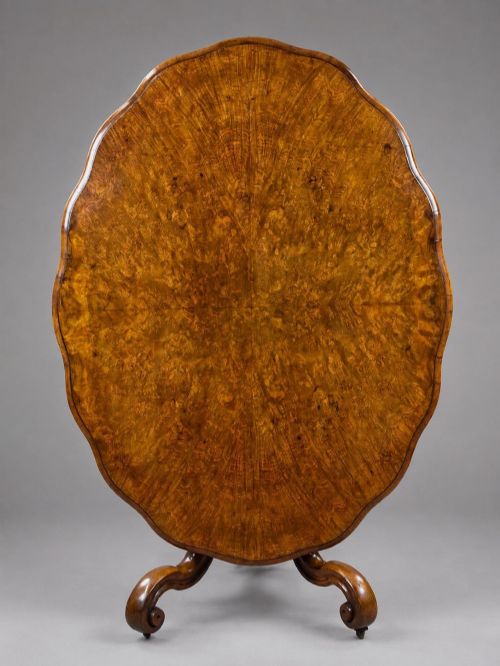
Cabinet makers relied heavily on dense timbers such as mahogany, oak, and walnut, often selecting figured veneers or burr walnut for decorative effect. Some regional pieces incorporate fruitwood, whilst exotic examples feature amboyna, ebony, or oriental lacquer.
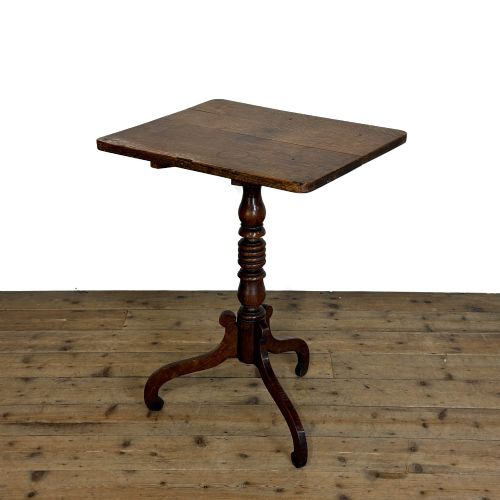
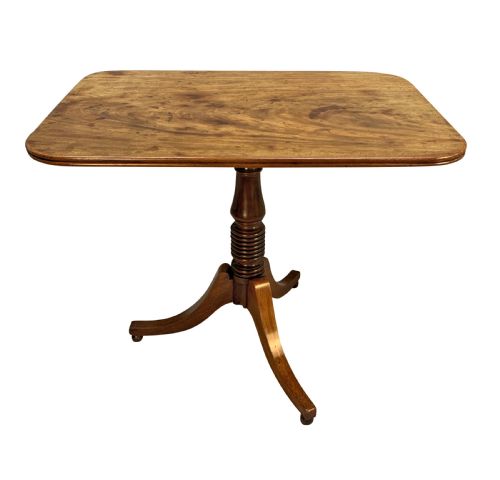
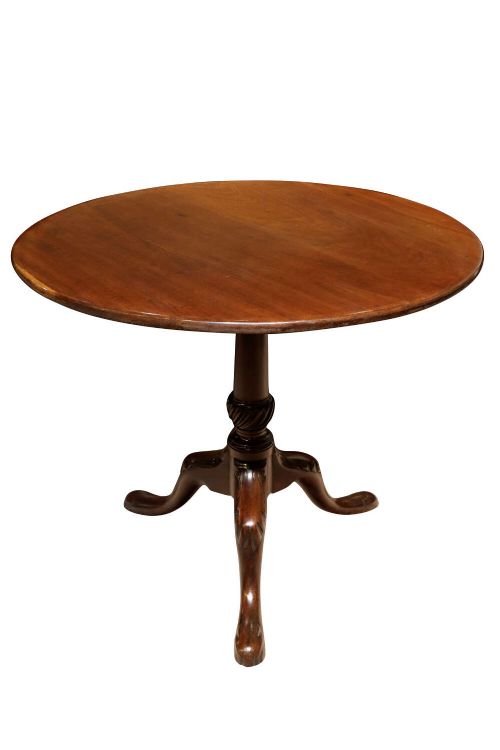
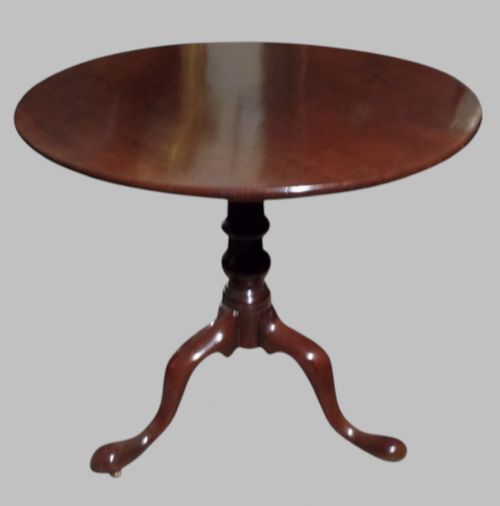
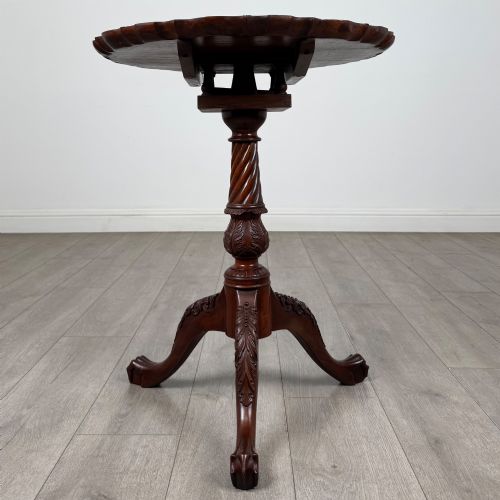
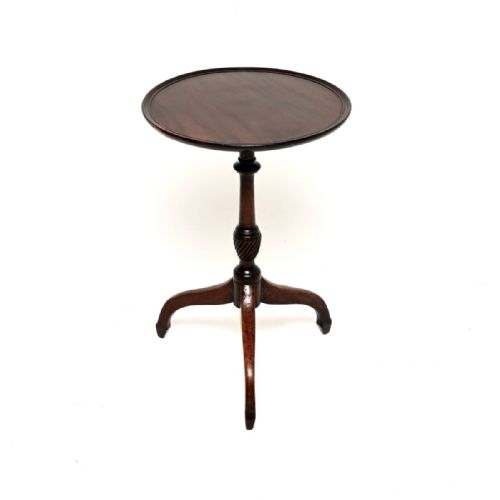
Support structures usually consist of a turned column rising from a three-legged tripod base, occasionally fitted with brass casters. Advanced specimens incorporate a birdcage mechanism beneath the surface, allowing the top to both rotate and tilt.
Table forms include occasional, tea, wine, and pedestal designs supported by tripod bases.
Assessing craftsmanship and finish
The distinction between standard examples and superior pieces rests in the selection of timber and the sophistication of the turning. Figured mahogany with rich grain patterns and finely carved tripod legs denote a higher grade of workshop production.
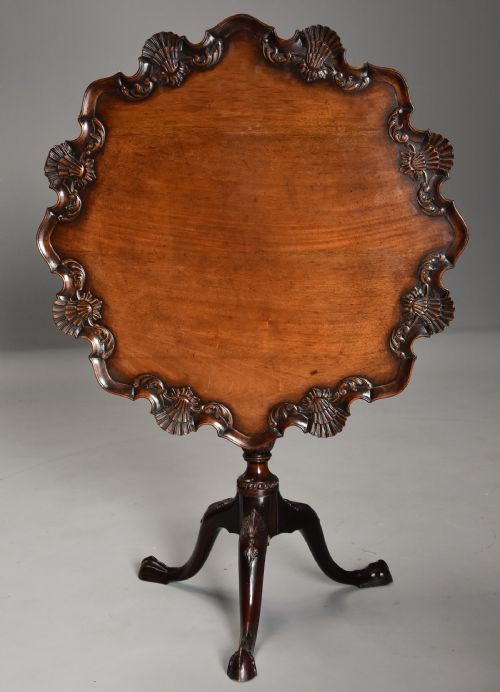
Mechanisms also dictate merit, as a smoothly operating birdcage or a snug snap-action catch demonstrates precise historical joinery. Subtle decorative details, such as piecrust borders or spiral twist columns, elevate the overall execution.
The Snap Top Side Table Glossary
- Tilt top table
- A table with a hinged surface that tips into a vertical position. This traditional mechanism was originally designed to save space in smaller rooms.
- Birdcage
- A wooden framework beneath the table top that enables it to rotate as well as tilt. This specialised assembly is typically found on finer Georgian examples.
- Tripod base
- A three-legged support structure commonly utilised on pedestal tables. It ensures stability on uneven historical flooring.
- Piecrust table
- A table with a raised, carved, and scalloped edge resembling pastry work. This decorative moulding requires considerable skill from the woodcarver.
Snap Top Side Table: Frequently Asked Questions
How do I date an old table?
Dating relies on observing the timber species, leg profiles, and the complexity of the undercarriage mechanism. Georgian pieces often display slender cabriole or tapered tripod legs, whilst Victorian versions tend to be heavier.
Examining the construction joints and hand-turned components provides further clues regarding the era of manufacture.
Where were these tables used?
These versatile items served primarily in parlours, drawing rooms, and libraries for holding tea equipment, books, or lamps. Their mobility allowed servants to move them easily around the home.
Today, they function effectively as bedside stands or compact display surfaces in modern living spaces.
What is a birdcage mechanism?
A birdcage is a small revolving wooden cage positioned between the table top and the central pillar. It permits the surface to spin independently of the base.
This sophisticated addition represents a high standard of eighteenth-century cabinet making.