
Small Wooden Desk
A small wooden desk offers a practical writing surface for compact rooms, bringing period character and traditional craftsmanship into daily use.
Small Wooden Desk
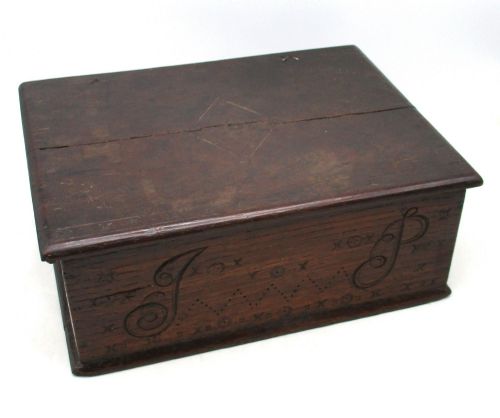
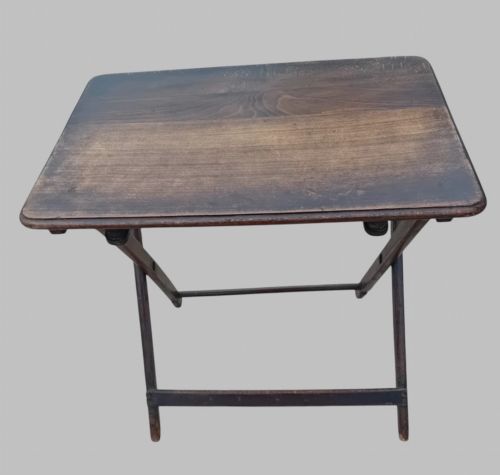
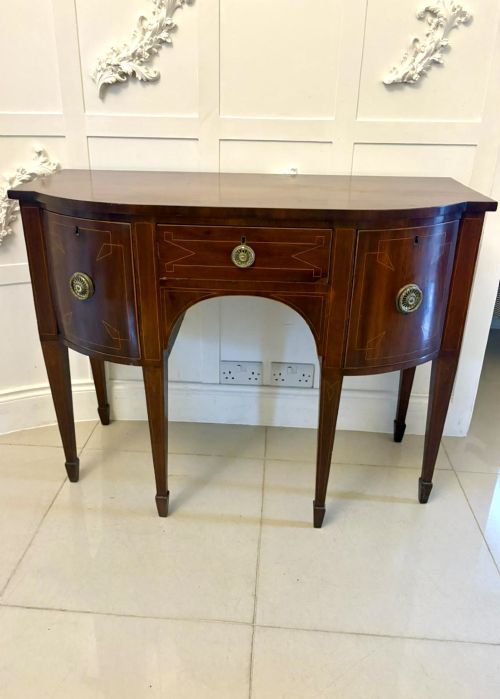
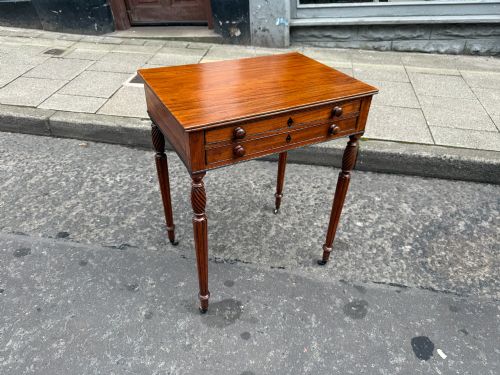
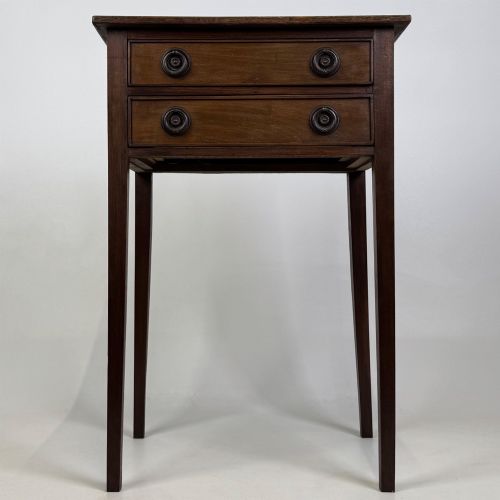
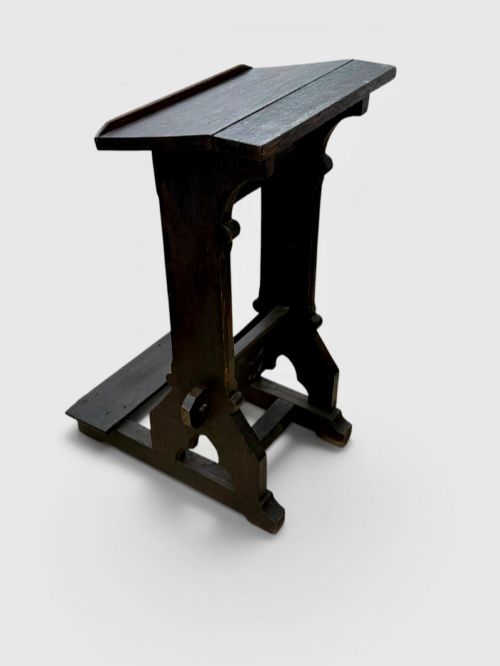
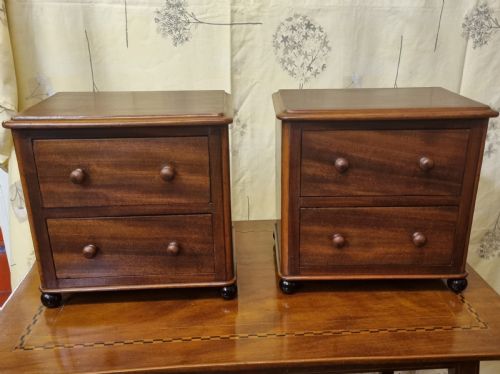
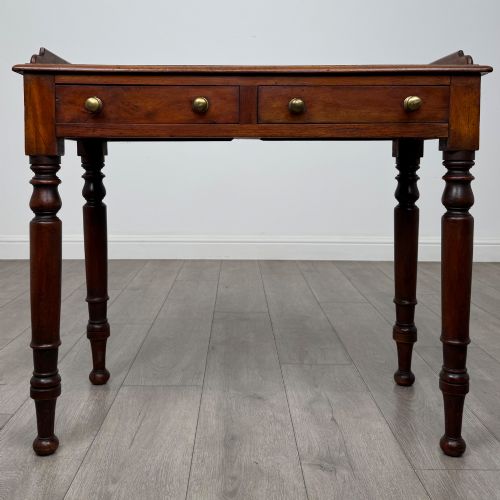
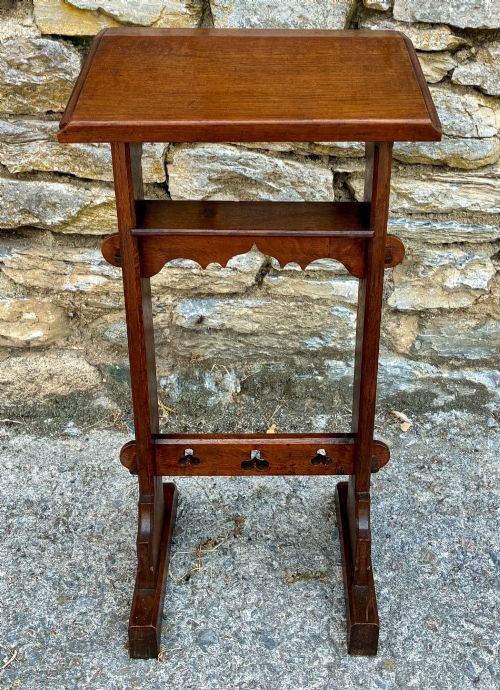
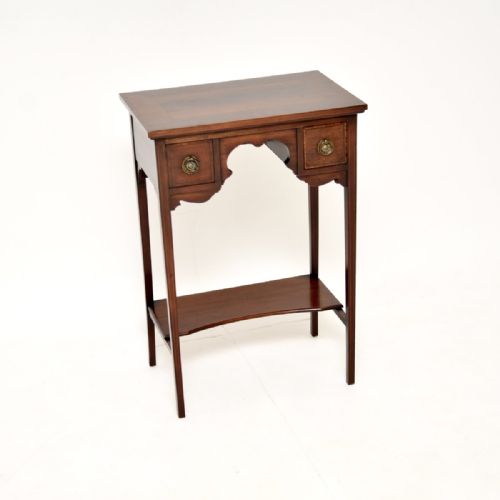
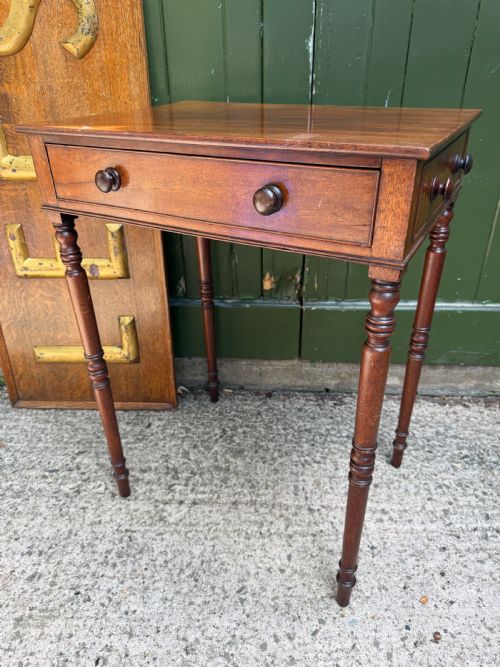
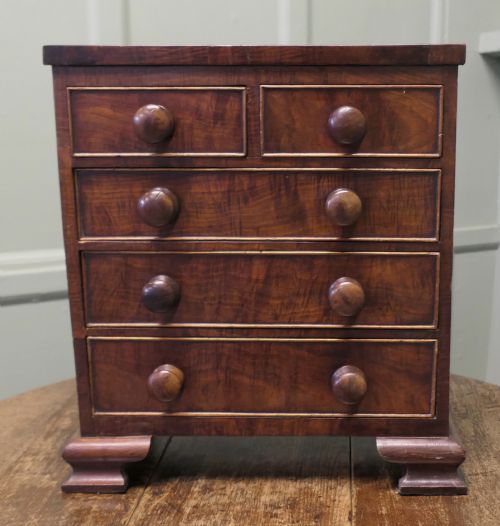
A small wooden desk encompasses writing tables, bureaus, and pedestal forms produced across Georgian, Victorian, and Edwardian periods. Buyers searching for a small wooden desk typically encounter compact mahogany and oak items designed for domestic studies and boudoirs.
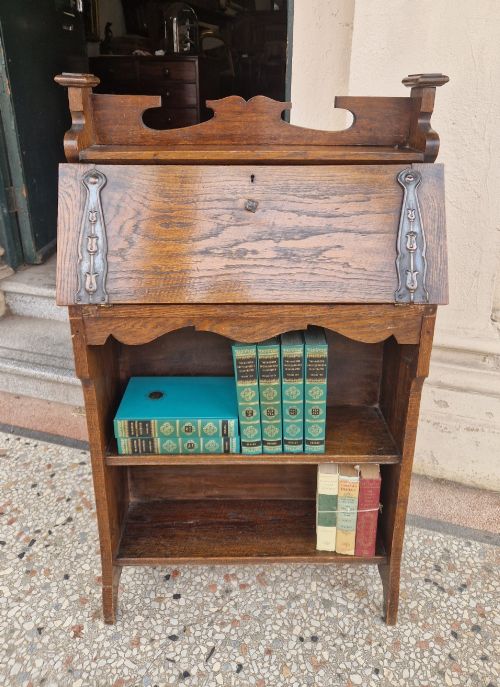
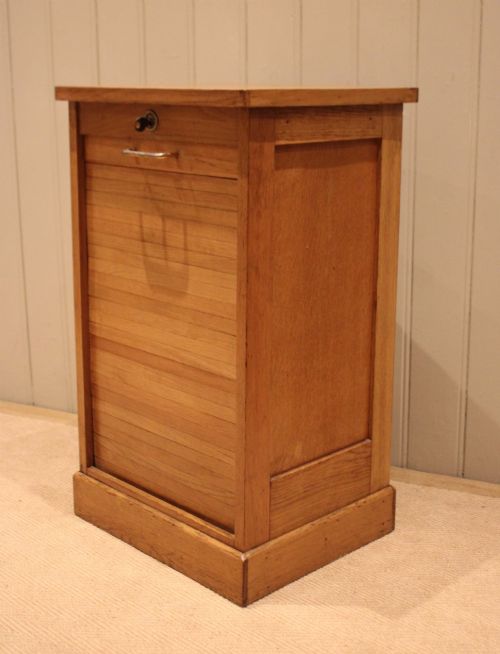
The selection ranges from George III writing furniture to Edwardian inlaid tables and early twentieth-century oak filing cabinets. These compact pieces reflect the changing domestic requirements of past centuries where workspace was strictly limited.
Distinctions in quality
Quality rests upon the selection of timber figure, the crispness of carved details, and the precision of inlaid veneers. Superior examples maintain original hardware and undamaged secondary timbers beneath polished surfaces.
Structural integrity and proportional balance separate standard utility pieces from fine cabinet work. The retention of original leather writing surfaces and working locks further distinguishes better examples.
Small Wooden Desk Retail Price Guide 2026
Typical asking prices for small wooden desk among the pieces listed under this phrase on Sellingantiques today, from the lower quarter to the upper quarter. They describe what is for sale here now, not the wider market.
A pair of carved Black Forest owls stands ready to guard your correspondence.
Gillows
The Small Wooden Desk Glossary
- Davenport
- A small compact desk featuring a sloping writing lid above a pedestal of drawers. This form became particularly popular during the nineteenth century for use in private sitting rooms.
- Bureau
- A writing cabinet featuring an angled fall-front that opens to reveal internal compartments and small drawers. These pieces provide concealed storage for correspondence and documents.
- Campaign style
- Portable furniture designed for military officers, incorporating folding frames, recessed brass handles, and robust joints. Beech and mahogany were frequently utilised for these adaptable items.
- Inlay
- A decorative technique where contrasting woods or other materials are inserted into prepared recesses within the primary surface. This method defines the ornamentation of many Georgian and Edwardian pieces.
- Pedestal desk
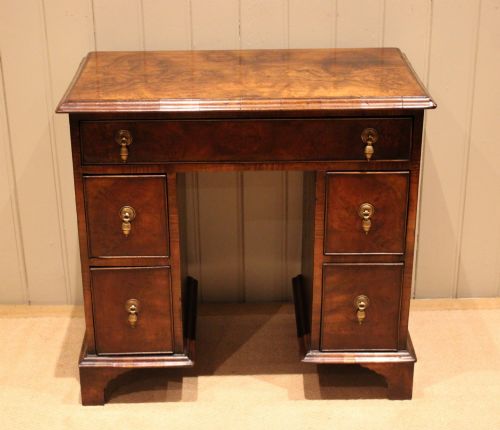
- A freestanding writing table supported by two banks of drawers rather than conventional legs. Smaller versions in burr walnut and mahogany appear in domestic settings.
Small Wooden Desk: Frequently Asked Questions
Where should I place a small wooden desk?
These compact pieces suit alcoves, bedrooms, or reception rooms where floor space is limited. Their finished backs often allow them to sit away from the wall in the middle of a room.
Ensure the writing height matches an appropriate chair, and keep them away from direct heat sources to protect the polished wood and timber movement.
How do I date a wooden desk?
Examine the construction methods, timber choices, and secondary woods used inside drawers. Hand-cut dovetails and vernacular woods generally point towards earlier Georgian or Victorian origins, while twentieth-century pieces show standardised machine production.
Style indicators such as spade feet, gallery rails, and brass handles also align with specific periods like the Regency or Edwardian eras.
How do I care for antique wood?
Maintain a stable room temperature and avoid placing the furniture in direct sunlight. Regular dusting with a dry lint-free cloth preserves the polished finish.
Apply traditional beeswax periodically to nourish dry timber, avoiding modern silicone sprays that can damage the historic polish.