



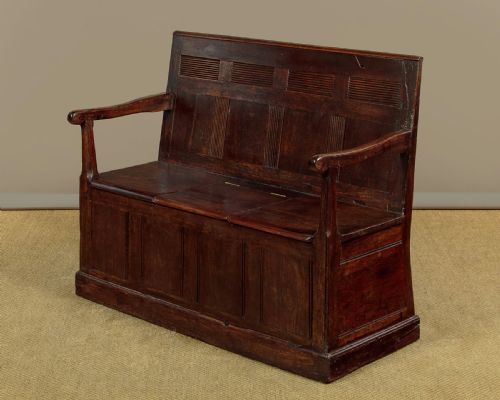


Small Welsh Coffer
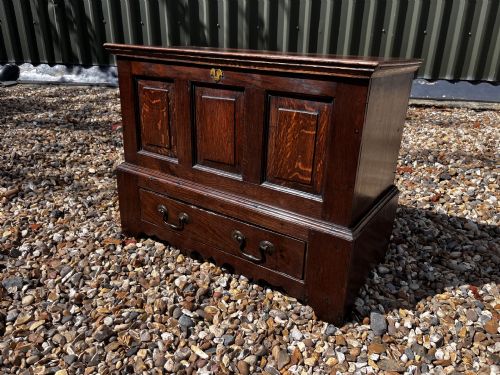
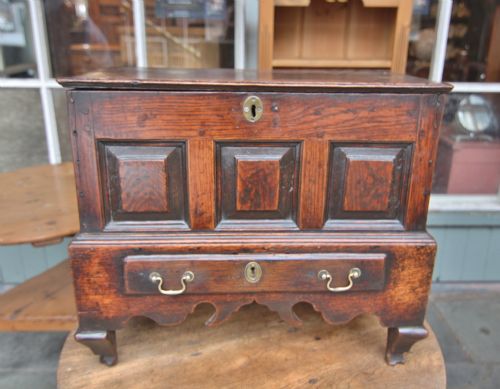
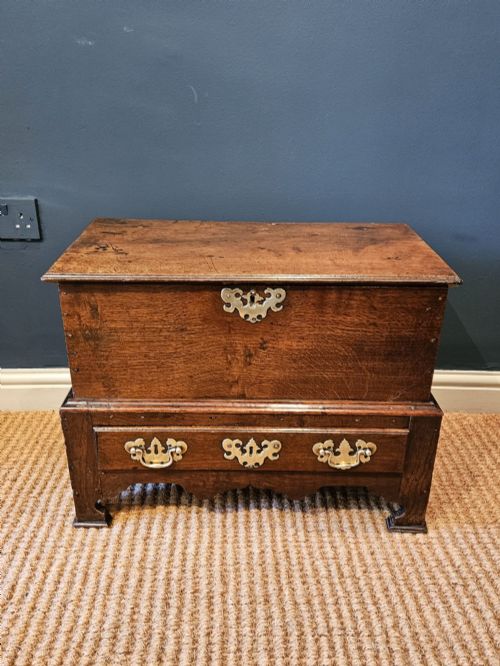
A small welsh coffer is a traditional miniature chest or coffer built for domestic storage, offering compact scale and regional character.
Small Welsh Coffer
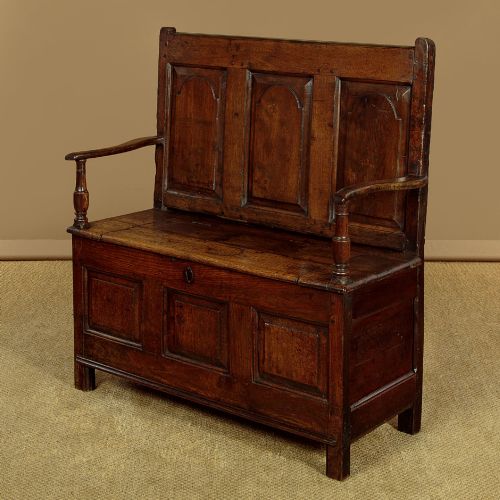
A small welsh coffer encompasses miniature storage chests, often known as coffer bach, alongside small box settles and artisan chests. These pieces span periods from the sixteenth century through the Georgian era and into the nineteenth century.
The version most commonly met on this page is the eighteenth-century oak coffer bach, typically constructed with regional vernacular styles reflecting Welsh cabinet-making traditions. Buyers encounter these miniature chests in formats ranging from plain plank construction to carved panels and inlaid details.
Formats also include small elm and pine examples, alongside box settles that combine seating with enclosed storage. Regional origins extend across south Wales and other local areas, maintaining compact proportions suited for domestic spaces.
How they were made
Joinery relies principally on native oak, joined using traditional frame-and-panel techniques alongside solid plank construction. Carpenters utilised timber inlay, fruitwood inlay, and carved decoration to articulate the fronts and lids of these small chests.
Secondary materials include pine, painted wood, and elm, with surfaces finished via plain timber ageing, historical paint, or applied decorative elements. Iron and brass fittings such as hinges and locks secure the lids and compartments.
Feet vary from simple extended stiles to turned feet supporting the body of the coffer.
Small Welsh Coffer Retail Price Guide 2026
Typical asking prices for small welsh coffer among the pieces listed under this phrase on Sellingantiques today, from the lower quarter to the upper quarter. They describe what is for sale here now, not the wider market.
Object forms include miniature chests, coffers, box settles, and artisan storage boxes with inlaid or carved decoration.
What varies in quality
Quality rests in the integrity of the original construction, the crispness of any carved or inlaid decoration, and the survival of surfaces without heavy modern intervention. Pieces retaining early feet, hinges, and timber patination hold greater character than those with extensive replacement parts.
Proportion and scale distinguish finer examples, particularly where miniature coffers maintain balanced dimensions and thoughtful joinery detail. The handling of regional vernacular traits, from panel layout to timber selection, dictates the distinction between standard artisan work and superior regional pieces.
The Small Welsh Coffer Glossary
- Coffer bach
- A traditional Welsh miniature chest or coffer, historically made as a gift or for domestic storage. These small pieces often feature lidded compartments and regional joinery.
- Box settle
- A small wooden bench incorporating a lidded storage box beneath the seat. This form combines seating with enclosed space.
- Vernacular
- Architecture and furniture built by local craftsmen using regional traditions and native materials rather than grand academic styles. These pieces reflect the practical needs of their local area.
- Inlay
- A technique where contrasting materials such as fruitwood or timber are inserted into recesses within the primary wood surface to create patterns. This decoration appears on panels and lids.
- Stiles
- The upright vertical members of a frame-and-panel construction that often extend downwards to form the feet of a coffer.
Small Welsh Coffer: Frequently Asked Questions
What was a coffer bach used for?
A coffer bach served as a domestic storage chest for precious items, documents, or textiles within the home. Families often commissioned or gifted these miniature pieces for significant life events.
Their compact size allowed them to sit on tables or desks, keeping valued possessions secure and accessible.
How do I date a small welsh coffer?
Dating relies on examining construction methods, timber characteristics, and stylistic details such as panel carving or joinery. Seventeenth-century examples often display simpler plank or heavy panel construction.
Later eighteenth and nineteenth-century pieces introduce turned feet, refined inlay work, and alternative timbers like pine or elm.
Are these coffers made entirely of oak?
While oak is the predominant native timber used across the majority of these pieces, other materials appear in the records. Makers utilised pine, elm, and fruitwood for inlay or secondary components.
Painted surfaces also occur on select nineteenth-century pine and artisan examples.
Where were these pieces made?
These pieces originated in Welsh workshops and domestic settings, reflecting regional vernacular styles distinct to areas such as south Wales. Local carpenters adapted metropolitan trends into smaller, practical forms using native woods.
This regional independence creates the characteristic appearance found across the surviving items.