
Small Victorian Tea Table
A small victorian tea table brings functional elegance and rich timber tones into a compact domestic space.
Small Victorian Tea Table
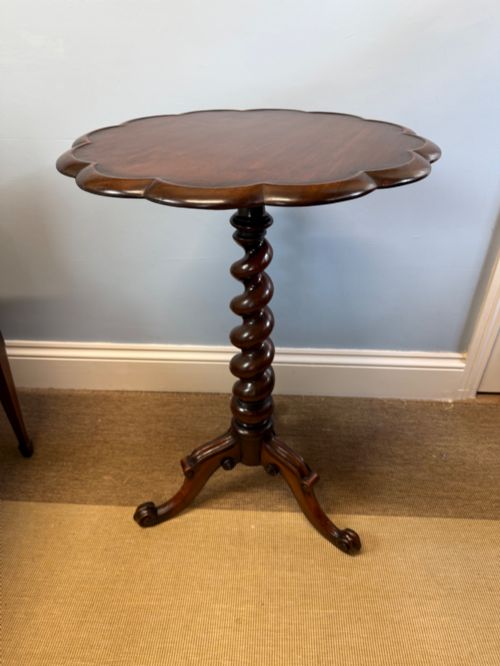
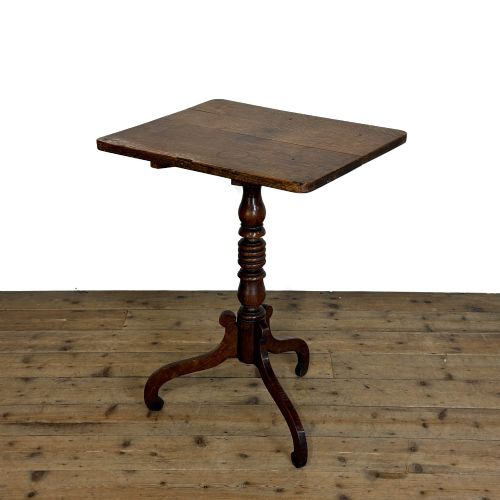
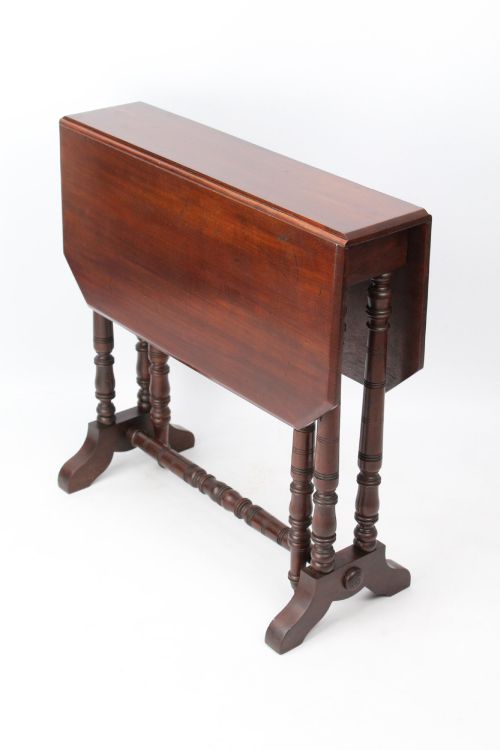
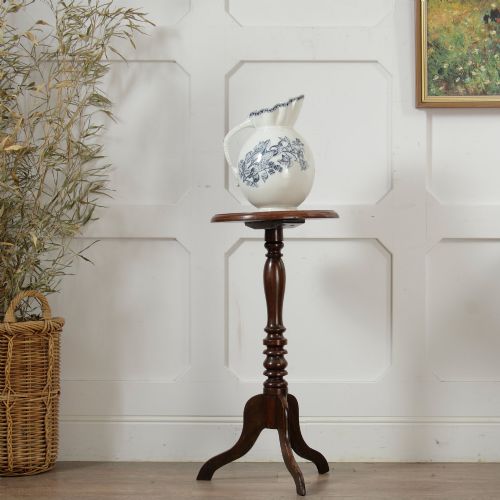
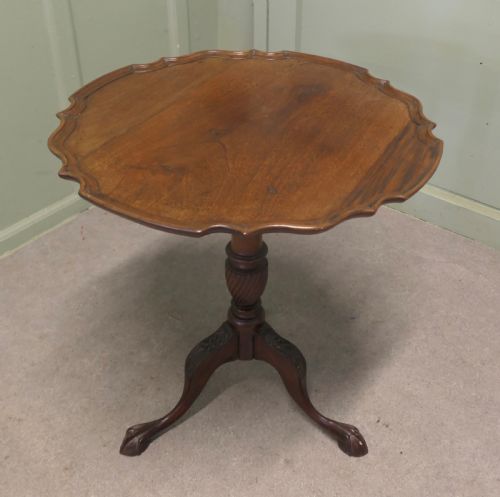
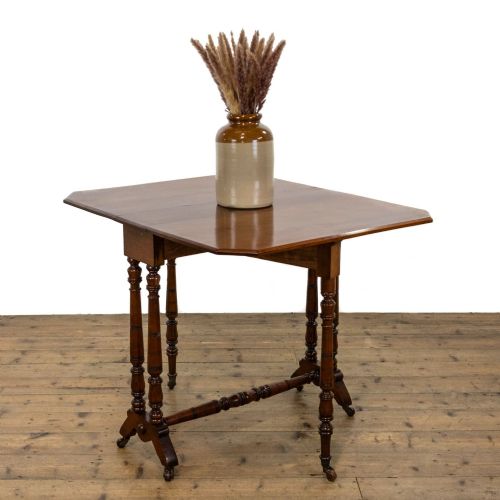
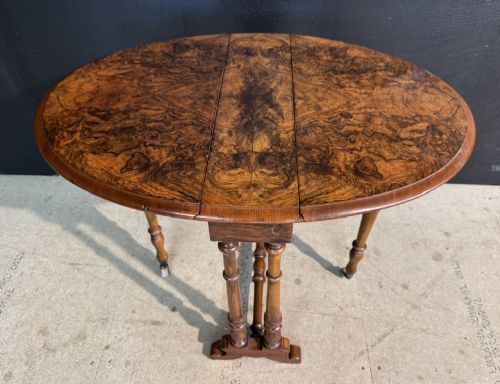
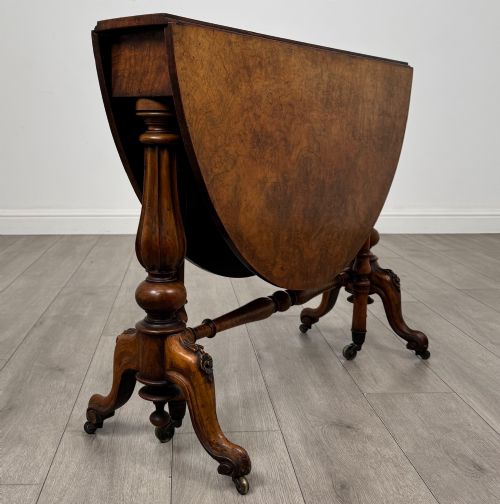
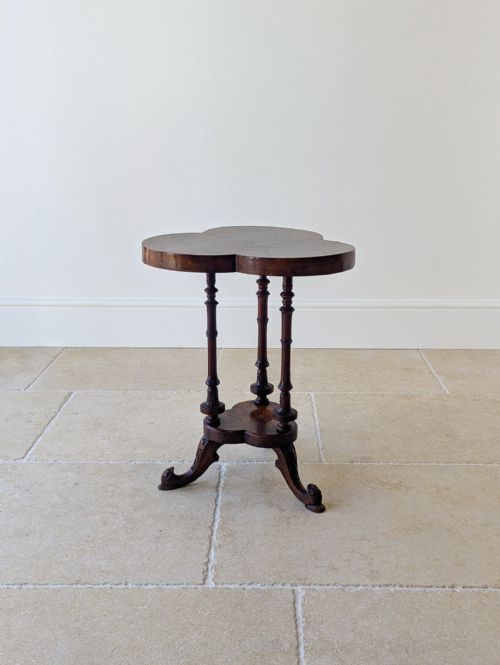
A small victorian tea table functions primarily as a versatile occasional surface, appearing frequently in forms such as the drop-leaf Sutherland table, the pedestal wine table, or the tripod dish-top design. These pieces originate predominantly from the nineteenth century, spanning periods from the 1860s through to the turn of the twentieth century under Victorian, Arts and Crafts, and Aesthetic Movement influences.
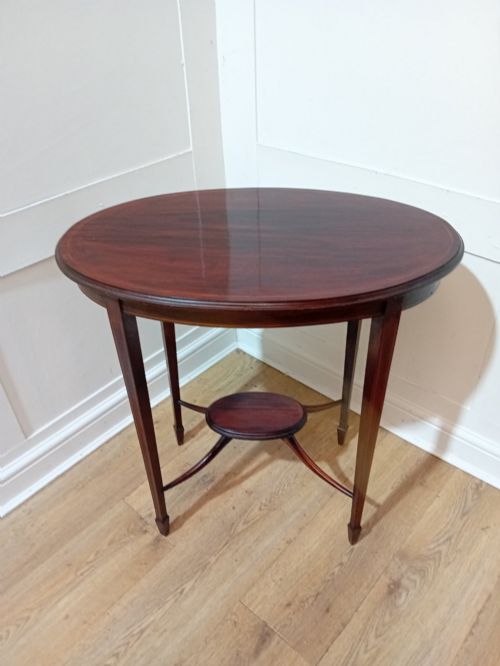
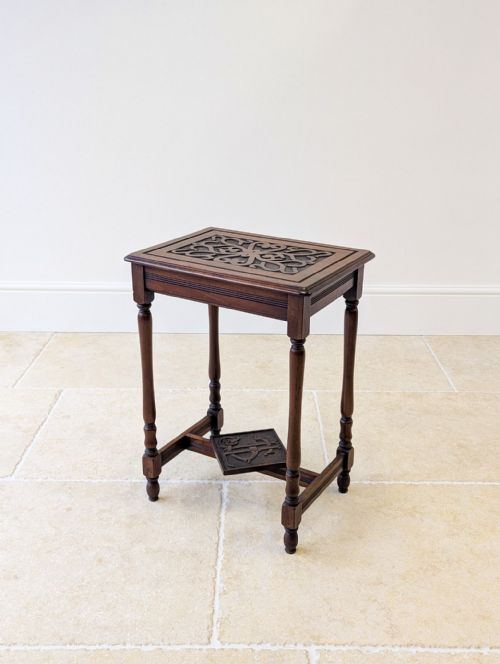
Buyers will encounter various incarnations designed for flexible use in nineteenth-century parlours and drawing rooms, ranging from folding tables and tilt-top pedestals to shaped kidney tables and inlaid lamp stands. The selection leans heavily towards movable, space-saving furniture rather than heavy dining suites.
The materials reflect the cabinet-making preferences of the Victorian era, utilising dense hardwoods and decorative veneers to achieve both durability and visual warmth within domestic interiors.
How they were made
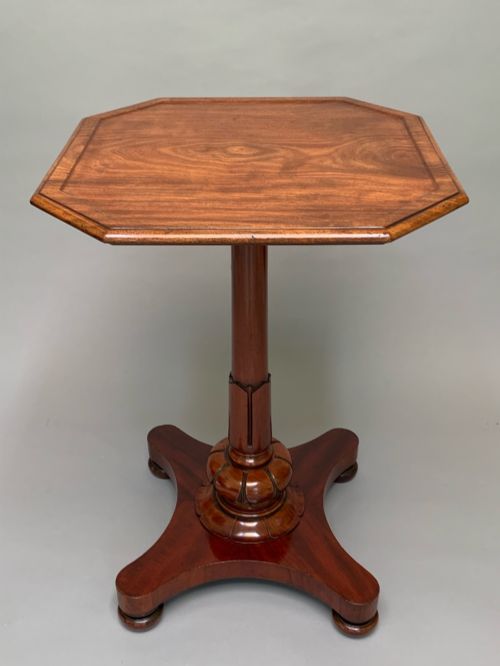
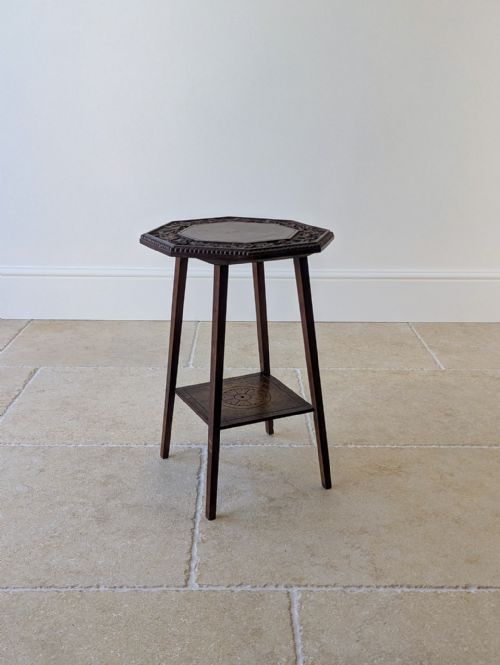
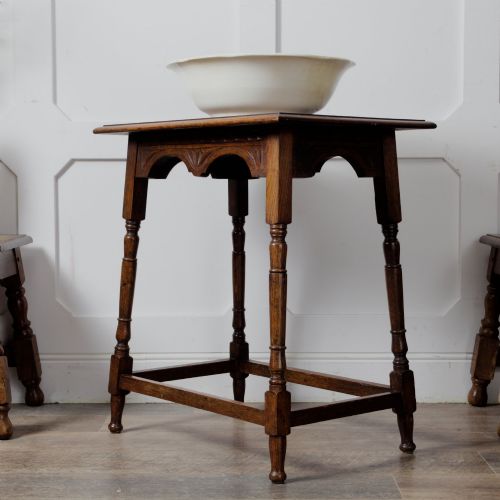
Makers utilised solid timbers such as mahogany, oak, and rosewood for structural integrity, shaping pedestals, legs, and frames with turned, carved, or tripod supports. Drop-leaf and tilt-top mechanisms required precise joinery to ensure folding leaves and pivoting tabletops operated smoothly.
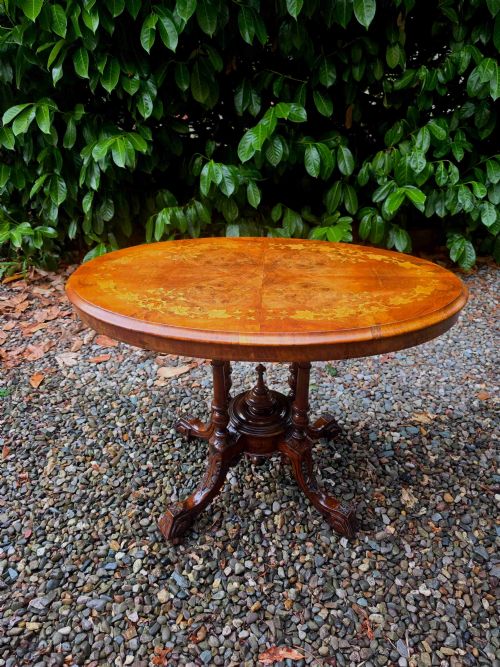
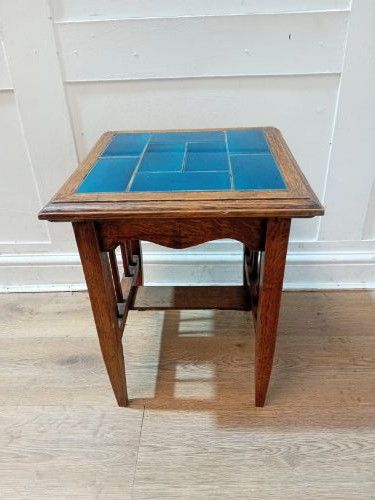
Surface decoration relied heavily on burr walnut veneers, wood inlay, and marquetry, which provided rich natural figuring across tabletops. Brass mounts and ceramic elements occasionally added functional or decorative contrast to the timber frames.
Some tiny walnut tables are built so small they are affectionately termed baby tables, proving Victorians loved miniatures just as much as we do.
What varies in quality
The standard of timber selection and veneer matching defines the upper tier of these pieces, where burr walnut or figured mahogany displays complex, unblemished grain across the surface. Lesser examples utilise simpler, plain-sawn woods with less dramatic natural patterning.
Construction details such as the crispness of hand-carved elements, the tightness of wood inlay, and the stability of mechanical drop-leaf hinges distinguish superior workshop output from more utilitarian production.
Jenks & Woods
The Small Victorian Tea Table Glossary
- Sutherland table
- A narrow drop-leaf table with deep leaves and a slender gateleg frame designed to fold flat when not in use. It gained immense popularity during the Victorian period for compact drawing rooms.
- Tilt top
- A tabletop mounted on a pivoting mechanism and a birdcage catch, allowing it to tilt vertically for storage against a wall. This mechanism is frequently found on nineteenth-century tripod and pedestal wine tables.
- Burr walnut
- A highly prized wood veneer harvested from the irregular growths of a walnut tree, yielding swirling, knotty grain patterns. Cabinet-makers utilised it on prominent surfaces to showcase natural decoration.
- Aesthetic Movement
- A late nineteenth-century design style emphasising visual beauty over narrative meaning, often featuring ebonised finishes, geometric inlays, and stylized decoration.
- Tripod table
- A small freestanding table supported by a central pillar resting on three splayed feet. This form ensures stability on uneven floorboards.
Small Victorian Tea Table: Frequently Asked Questions
What is a small victorian tea table used for?
These versatile pieces served originally for serving afternoon tea, holding lamps, or displaying decorative items in nineteenth-century reception rooms. Their compact proportions made them easily movable around the home as daily requirements shifted.
Today, they function brilliantly as bedside stands, lamp tables, or occasional surfaces beside a sofa, fitting neatly into modern rooms that require period character without bulk.
How do I identify a Sutherland table?
A Sutherland table is immediately distinguished by its exceptionally narrow central frame and two very deep drop leaves that extend nearly to the floor. When the leaves drop, the table stands almost flat against a wall.
Look underneath for the pivoting gatelegs that swing out to support the extended flaps. This clever folding mechanism differentiates them from standard Pembroke or gateleg tables.
What woods were used for these tables?
Mahogany and walnut form the vast majority of surviving examples, often enhanced by highly figured burr walnut veneers on the main surfaces. Oak appears frequently in pieces associated with the Arts and Crafts movement.
Less common timber varieties such as rosewood and burr yew also feature in select pieces, showcasing the diverse material palette available to nineteenth-century cabinet-makers.
How do I care for antique wood tables?
Protect the polished timber surfaces by avoiding direct placement near heat sources or strong sunlight, which can dry out nineteenth-century veneers and fade the rich colour. Use coasters and mats to prevent moisture rings.
Apply a gentle, appropriate wax polish sparingly to nourish the wood and maintain its natural lustre without building up heavy chemical residues.