


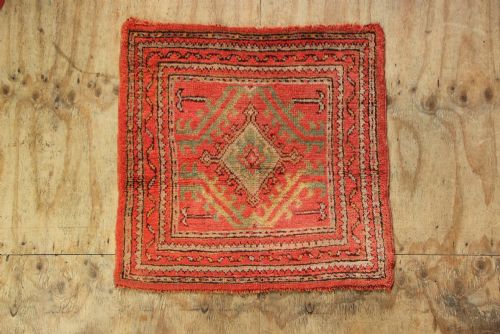
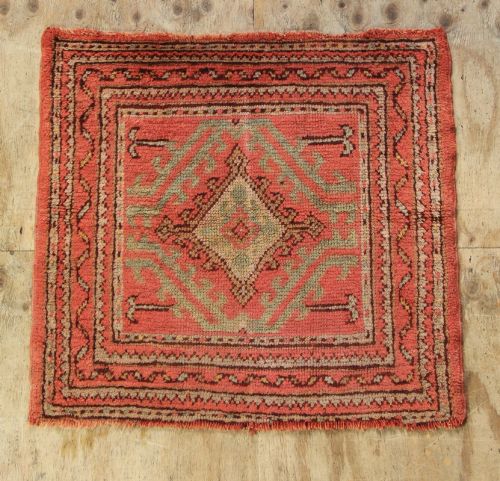


Small Turkish Wool Carpet
When hunting for a small turkish wool carpet, you encounter woven pieces shaped by generations of Anatolian village traditions.
Small Turkish Wool Carpet
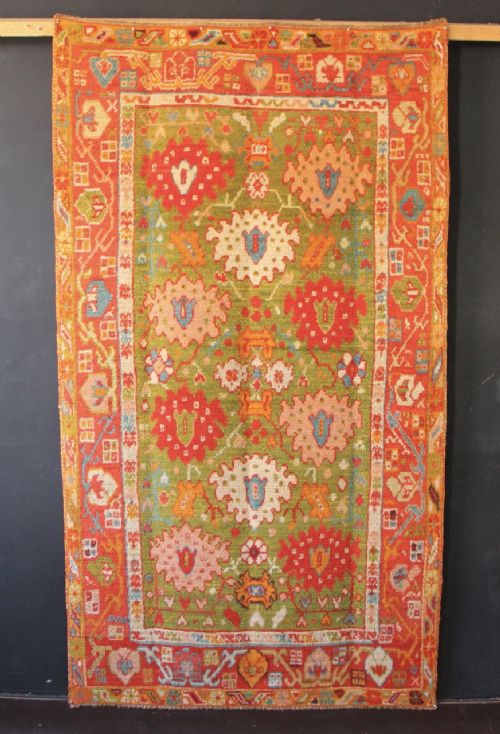
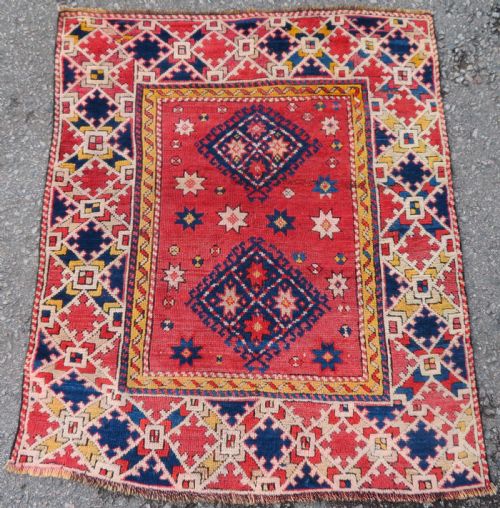
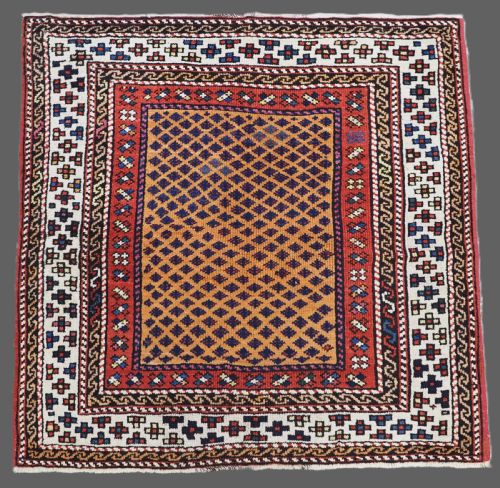
A small turkish wool carpet represents regional weaving traditions spanning from the early nineteenth century through the early twentieth century. These domestic floor coverings and prayer mats originate from specific weaving centres including Bergama, Konya, Oushak, Kirsehir, and Yahyali.
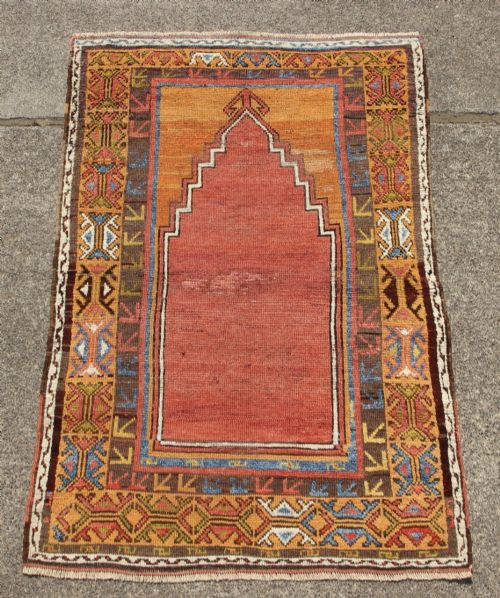
Makers utilised traditional formats such as square mats, village rugs, and mihrab prayer designs. The selection relies heavily on Anatolian regional aesthetics, reflecting Ottoman and tribal influences in domestic formats.
Materials and construction
Weavers constructed these pieces predominantly using wool, hand-spun wool, and cotton foundations. Natural animal fibres form the pile, whilst cotton frequently provides structural stability in warp and weft threads.
The making process involves hand-knotting techniques executed in village and regional workshops across Anatolia. Artisans applied local dyeing traditions to colour the wool before executing geometric and medallion patterns.
Small Turkish Wool Carpet Retail Price Guide 2026
Typical asking prices for small turkish wool carpet among the pieces listed under this phrase on Sellingantiques today, from the lower quarter to the upper quarter. They describe what is for sale here now, not the wider market.
Village weavers occasionally inserted accidental asymmetry into star medallions, leaving a permanent fingerprint of the human hand at the loom.
Quality variations
Quality differences depend on the density of the knotting and the precision of the geometric or floral layout. Finer examples display crisper definition in star medallions, lattice frameworks, and prayer niches.
The selection of wool also dictates standard, with hand-spun variations offering superior tactile depth and lustre. Furthermore, integrity of the original borders and symmetry of the village design elevate the standing of a piece.
The Small Turkish Wool Carpet Glossary
- Mihrab
- The prayer niche design found in traditional rugs, indicating the direction of prayer towards Mecca. This architectural motif often dominates the upper section of prayer rugs from centres like Konya and Kirsehir.
- Medallion
- A central ornamental motif set within the field of the carpet. Star and geometric variations appear frequently across regional village types.
- Warp
- The vertical threads stretched lengthwise on the loom that form the structural foundation of the carpet. Cotton is commonly utilised for this purpose in later nineteenth and twentieth century pieces.
- Weft
- The horizontal threads passed across the warp threads to hold the knots in place. Together with the warp, they create the foundational grid of the textile.
Small Turkish Wool Carpet: Frequently Asked Questions
Where were these small carpets made?
These textiles originate from various regions and villages across Anatolia, including Bergama in the west, Konya in central Anatolia, and Oushak.
Each weaving district developed distinct design vocabularies, colour palettes, and knotting structures passed down through local communities.
How do I identify a prayer rug?
Prayer rugs feature a distinct pointed arch or mihrab shape at one end of the field, designed to represent the prayer niche in a mosque.
Historically, worshippers placed these mats on the floor with the apex pointing toward Mecca during daily prayers.
What is the difference between village and town rugs?
Village rugs typically exhibit bolder geometric patterns, spontaneous design variations, and thicker hand-spun wool suited for domestic insulation.
Town rugs from centres like Oushak often display more formal, balanced floral layouts and refined weaving techniques intended for urban markets.
How should I care for an antique wool carpet?
Protect the textile by vacuuming gently without a rotating brush roll, and keep it out of direct sunlight to prevent fading of natural dyes.
Professional cleaning tailored for antique wool textiles ensures the longevity of the hand-spun fibres and structural integrity.