


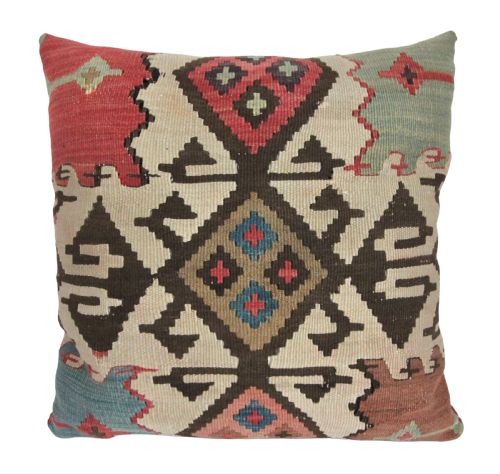


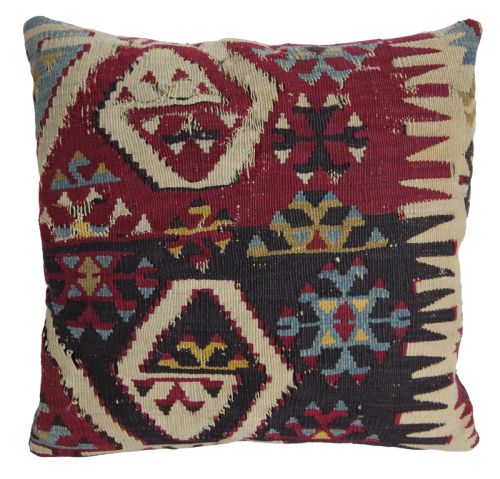


Rustic Red Turkish Rug
A rustic red turkish rug brings genuine Anatolian warmth into a room, offering tactile tribal character built from hand-spun wool.
Rustic Red Turkish Rug
A rustic red turkish rug represents centuries of nomadic and village weaving traditions originating from Anatolia. These pieces span periods from the nineteenth century through to the nineteen-thirties, showing deep local heritage in every weave.
Buyers will encounter several distinct forms on this page, including traditional pile rugs, kilim rugs, and smaller kilim cushions adapted from larger flatweaves. Village and tribal pieces dominate the selection, each carrying the distinct visual language of regional makers.
How they were made
Makers utilised natural materials such as wool and hand-spun wool, often combined with cotton foundations to ensure structural integrity. These traditional fibres provide the characteristic weight and resilient texture seen across Anatolian rugs and cushions.
Weavers employed regional techniques specific to districts like Bergama, Melas, and Esme, producing both flatwoven kilims and thicker pile carpets. The reliance on hand-spun yarn gives the wool its varied surface texture and ability to absorb rich red dye.
Rustic Red Turkish Rug Retail Price Guide 2026
Typical asking prices for rustic red turkish rug among the pieces listed under this phrase on Sellingantiques today, from the lower quarter to the upper quarter. They describe what is for sale here now, not the wider market.
Materials recorded across these listings consist entirely of wool, cotton, and hand-spun wool.
What varies in quality
Quality in these textiles depends heavily on the integrity of the weave and the depth of the wool preparation. Pieces with tightly packed hand-spun wool display superior longevity and a more satisfying handle underfoot.
The sophistication of the tribal design and the clarity of the red colouration distinguish the finer examples from simpler village work. Strong regional characteristics and well-preserved structures mark the upper tier of the range.
The Rustic Red Turkish Rug Glossary
- Kilim
- A flatwoven carpet or rug produced without a pile by tightly interweaving warp and weft strands. This technique creates a lightweight textile historically used for floor coverings and wall hangings.
- Pile
- The upright yarn loops or knots that form the soft upper surface of a carpet. Traditional pile rugs offer greater thickness and warmth compared to flatweaves.
- Warp
- The vertical foundation threads stretched tightly on the loom before weaving begins. These parallel strands support the entire weight and structure of the rug.
- Weft
- The horizontal threads passed alternately over and under the warp yarns to lock the design in place. Hand-beating the weft creates a dense and durable fabric.
Rustic Red Turkish Rug: Frequently Asked Questions
How do I clean a rustic red turkish rug?
Gentle surface brushing and occasional professional specialist cleaning help preserve the delicate hand-spun wool fibres without stripping their natural oils.
Avoid harsh chemical detergents and excessive water immersion, which can damage cotton foundations and alter the traditional red dyes.
Can I use these rugs in high traffic areas?
Sturdier pile carpets and tightly woven village rugs handle moderate hallway or living room traffic quite well.
Softer flatwoven kilims and cushions suit lighter use spaces where their distinctive textures remain protected from heavy wear.
How do I identify an older Anatolian weave?
Examine the reverse side for irregularities in the hand-spun wool and variations in the yarn thickness. These minor inconsistencies point towards traditional village production methods rather than industrial manufacture.
What causes the distressed look on some rugs?
Decades of daily use, natural foot traffic, and gentle fading of the red wool create a genuine aged patina over time. This natural softening of the textile enhances the rustic charm inherent in older tribal pieces.