





Antique Oriental Throw Rug
These antique oriental throw rug selections bring genuine tribal character and folk art heritage into your home through woven and embroidered textiles.
Antique Oriental Throw Rug
When you search for an antique oriental throw rug, you encounter a variety of nomadic textiles repurposed into floor coverings, wall hangings, and decorative cushions. The items appearing under this heading range from village rugs and prayer rugs to embroideries and bag faces originating from Central Asian and Anatolian regions.
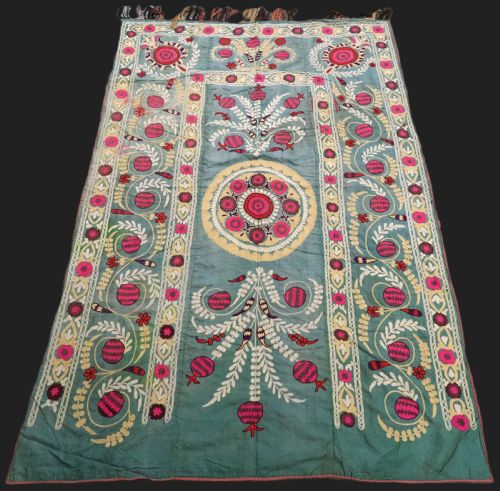
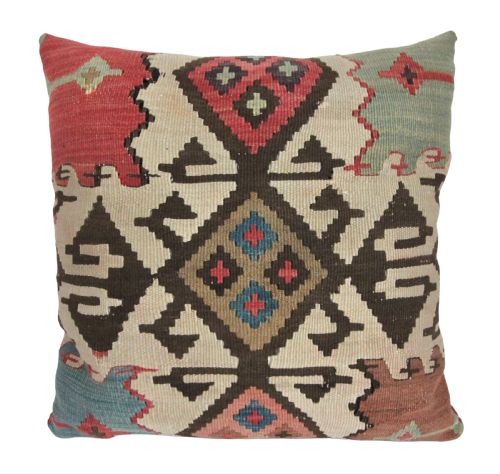
The pieces you are most likely to meet on this page include kilim cushions and suzani embroideries created across the nineteenth and early twentieth centuries. These textile forms derive from traditional tribal weaving practices found in regions such as Uzbekistan and Turkey, reflecting centuries of indigenous folk art design.
Makers utilised local motifs and geometric patterns suited to nomadic life, transforming utilitarian items into decorative pieces for modern interiors. The selection encompasses diverse formats, from small Baluch rug cushions to larger embroidered covers and traditional village carpets.
How these textiles were constructed
The materials recorded in these pieces consist primarily of wool, cotton, and silk, often utilising hand-spun wool for durability in tribal carpets and flatweaves. Embroideries feature silk thread worked onto cotton or silk grounds, sometimes utilising a black or red cotton foundation.
Weaving and embroidery techniques combine flatweave construction with intricate needlework, seen particularly in suzani bed covers and tribal bag faces. Artisans created these items by hand, employing traditional dyeing and stitching methods passed down through generations in Central Asian and Anatolian communities.
Antique Oriental Throw Rug Retail Price Guide 2026
Typical asking prices for oriental throw rug among the pieces listed under this phrase on Sellingantiques today, from the lower quarter to the upper quarter. They describe what is for sale here now, not the wider market.
Nomadic weavers frequently repurposed storage sacks into cushions, ensuring that even a humble bag face found a comfortable retirement.
What separates the finer examples
Quality in these textiles depends on the fineness of the hand-weaving, the complexity of the embroidery work, and the integrity of the natural materials used. Finer examples display precise execution in motifs and robust construction in the base fabrics.
The distinction between standard village pieces and superior examples lies in the vibrancy of the dye work and the preservation of the original ground material, whether cotton, wool, or silk. Greater skill in needlework and tighter knotting or weaving elevate certain cushions and rugs above others.
The Antique Oriental Throw Rug Glossary
- Kilim
- A flatwoven carpet or rug produced in countries of the former Persian Empire and Anatolia. These pieces lack a pile and are often utilised today as decorative cushion covers.
- Suzani
- A type of embroidered tribal textile made in Tajikistan, Uzbekistan, and other Central Asian nations. They typically feature bold floral motifs stitched in silk thread on a cotton or silk ground.
- Bag face
- The decorative front portion of a nomadic storage bag, woven by tribal groups and frequently preserved as an independent cushion today.
- Prayer rug
- A small carpet featuring a mihrab design, traditionally used by Muslims for daily prayers. These rugs originate from village workshops and nomadic communities in Turkey and surrounding regions.
Antique Oriental Throw Rug: Frequently Asked Questions
How do I use these cushions?
These textile cushions work well as decorative accents on sofas, armchairs, or beds, adding texture and colour to a room. Their nomadic patterns complement both traditional and contemporary interiors.
Position them where they receive light use to preserve the delicate hand-stitched silk embroidery and antique wool flatweaves.
Where do these textiles originate?
The pieces originate primarily from Central Asian and Anatolian regions, reflecting the craft traditions of nomadic and village communities. Common geographic sources include Uzbekistan, Turkey, and Afghanistan.
Each region developed distinct weaving methods and design motifs, from Kurdish bag faces to Uzbek suzani embroideries.
Are these items antique?
The selection includes pieces dating from the nineteenth and early twentieth centuries, encompassing periods such as the eighteen-fifties through the nineteen-twenties. These dates reflect the estimated production era of the original textiles.
Many items combine older fragments or repurposed materials with traditional crafting techniques from the specified era.
How do I care for antique textiles?
Protect antique wool and silk textiles from direct sunlight to prevent fading of natural dyes over time. Gentle surface cleaning or professional textile conservation is recommended.
Avoid abrasive washing methods that might damage hand-spun wool, cotton grounds, and delicate silk embroidery threads.