
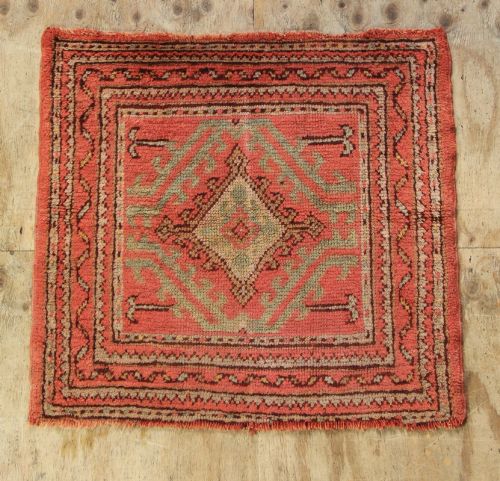


Small Turkish Carpet
A small turkish carpet brings centuries of Anatolian village weaving and regional woolcraft directly into modern domestic spaces.
Small Turkish Carpet
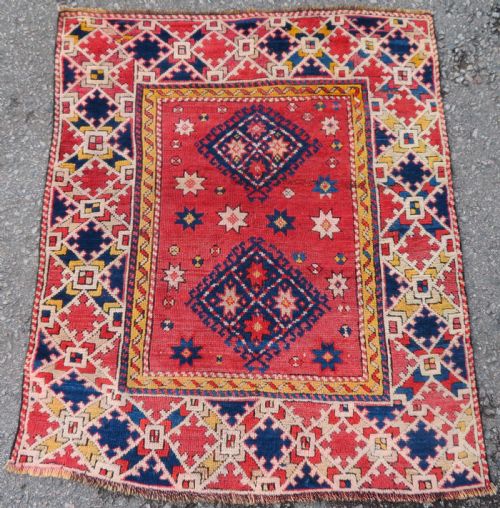
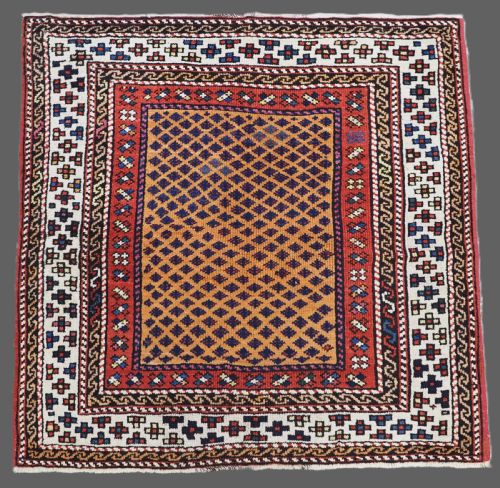
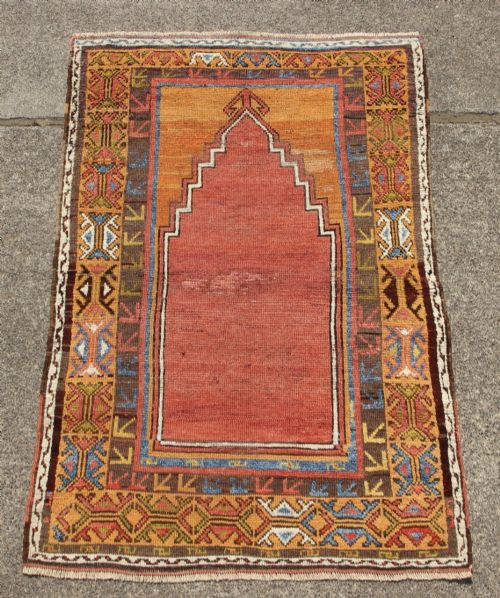
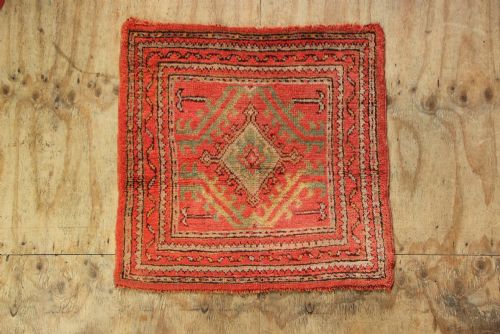
A small turkish carpet represents historical textile traditions originating from Anatolian regions, towns and nomadic settlements. When searching for a small turkish carpet, buyers encounter formats ranging from compact village mats and square formats to prayer designs and narrow runners.
The pieces available trace their origins to specific weaving centres including Bergama, Konya, Oushak, Kirsehir and Milas. These smaller floor coverings served functional domestic purposes in local households before finding their way into contemporary collections.
Materials and construction
Weavers utilised natural sheep wool, hand-spun wool and cotton foundations to construct these floor coverings on vertical looms. Silk elements also appear occasionally in specific prayer formats from the historical repertoire.
Dyes derived from local plants and minerals coloured the wool yarns before hand-knotting techniques secured the pile to the warp and weft threads. This traditional construction method produced dense, durable textiles designed for decades of daily use.
Small Turkish Carpet Retail Price Guide 2026
Typical asking prices for small turkish carpet among the pieces listed under this phrase on Sellingantiques today, from the lower quarter to the upper quarter. They describe what is for sale here now, not the wider market.
Several village weavers tucked small personal amulets or subtle weaving errors into the borders to ward off the evil eye.
Distinctions in quality
Quality in these textiles depends upon the precision of the knotting, the balance of the composition and the integrity of the wool. Finer examples display greater clarity in regional medallion and lattice motifs, alongside harmonious colour palettes derived from natural dye sources.
The condition of the original selvedges and ends influences the standing of a piece within the broader range. Strong structural preservation combined with expressive tribal designs elevates certain village rugs above standard decorative formats.
The Small Turkish Carpet Glossary
- Prayer rug
- A textile featuring a distinct mihrab or arch design at one end, traditionally oriented towards Mecca during daily worship.
- Mihrab
- The architectural arch niche depicted on prayer rugs, representing the direction of prayer in Islamic design.
- Warp
- The vertical threads stretched tightly on the loom that form the structural skeleton of the rug and terminate in visible fringes.
- Weft
- The horizontal threads passed alternately over and under the warp threads to bind the knots securely in place.
- Medallion
- A central ornamental design motif placed in the field of the carpet, often circular, star-shaped or geometric.
Small Turkish Carpet: Frequently Asked Questions
Where were these small carpets made?
These pieces were produced across various provinces and villages of Anatolia, including traditional weaving centres such as Bergama, Konya and Oushak.
Each region developed distinct geometric patterns, colour palettes and border arrangements tied to local tribal or town traditions.
How do I care for an antique wool rug?
Regular gentle vacuuming without a rotating brush roll prevents dust accumulation within the wool pile.
Professional specialist cleaning is recommended when necessary to protect the natural fibres and historical dyes.
What is the difference between a village rug and an Oushak?
Village rugs typically feature bolder geometric patterns and heavier tribal characteristics woven by independent makers.
Oushak carpets often display larger-scale floral or medallion designs originating from organised urban workshops.
Can these rugs be placed in high traffic areas?
Traditional wool and cotton construction provides natural durability suitable for moderate daily use.
Placing a proper underlay beneath the piece reduces friction and prevents slipping on hard floors.