

Small Oak Desk
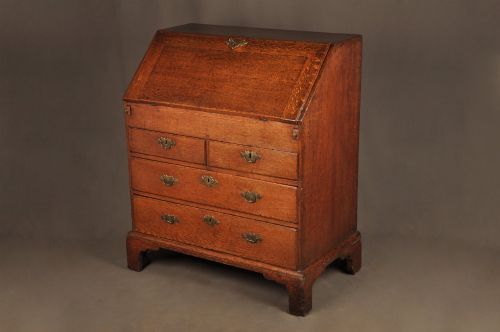
A small oak desk offers compact practicality and sturdy timber grain, spanning simple provincial writing tables to fitted Edwardian bureau forms.
Small Oak Desk
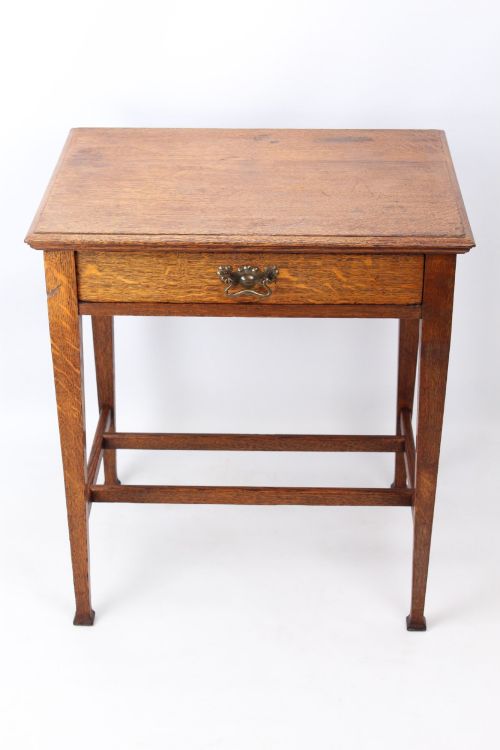
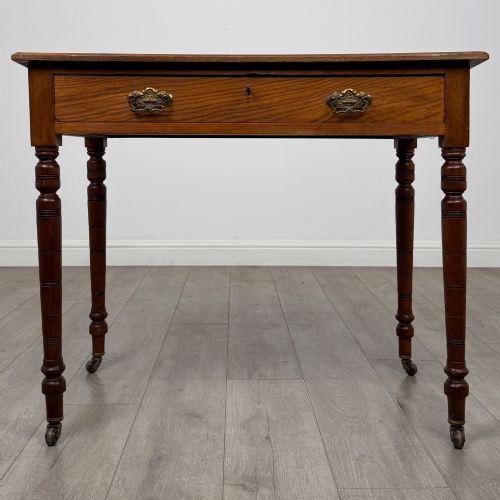
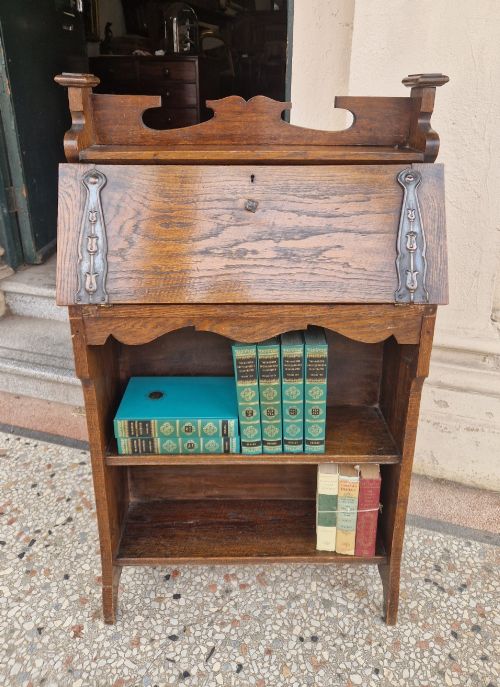
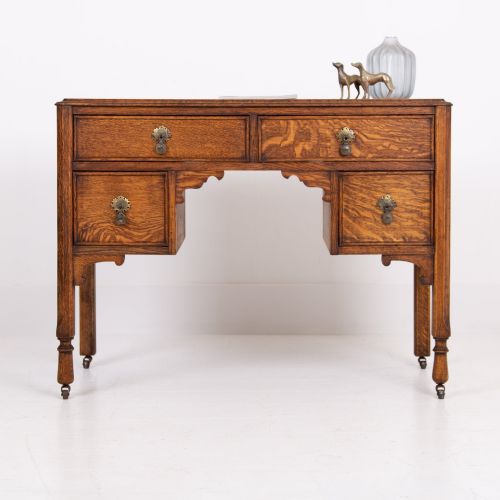
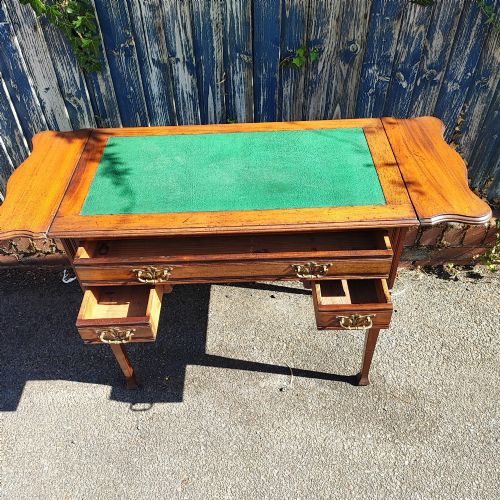
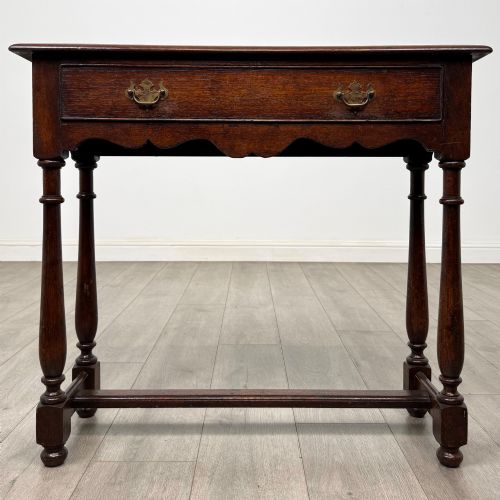
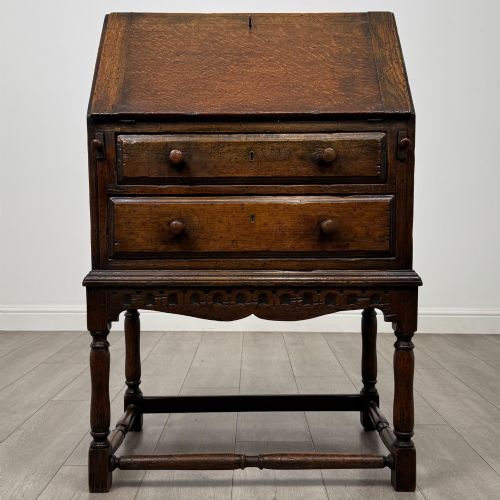
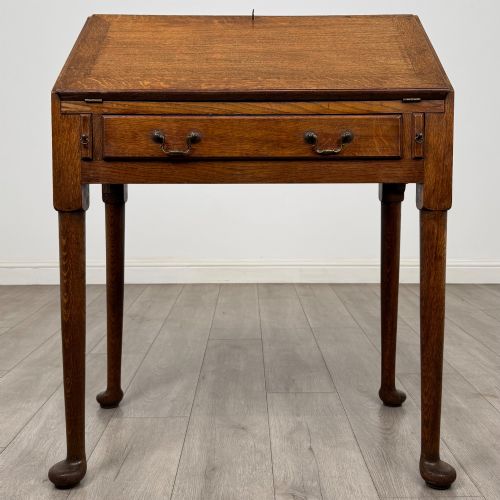
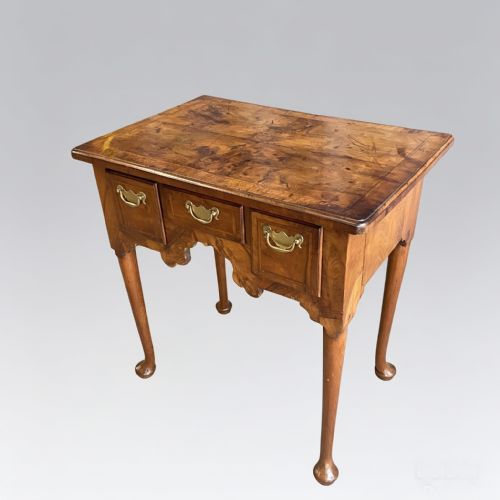
A search for a small oak desk reveals a diverse array of compact writing furniture, ranging from early country bureau boxes to later Edwardian study tables. Buyers encounter forms including slope-front writing desks, side tables with drawers, pedestal units, and drop-flap writing surfaces.
The material record spans centuries of British and continental joinery, with pieces originating across the seventeenth, eighteenth, nineteenth, and twentieth centuries. Edwardian and Victorian iterations appear frequently alongside earlier Georgian and seventeenth-century examples.
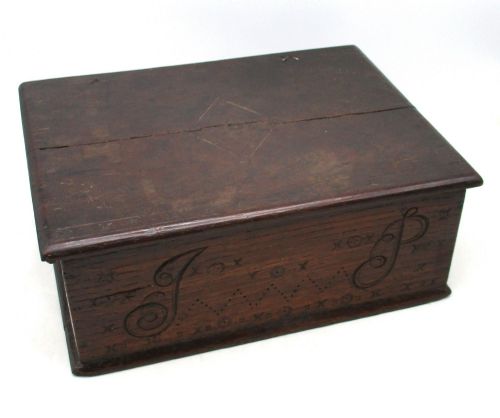
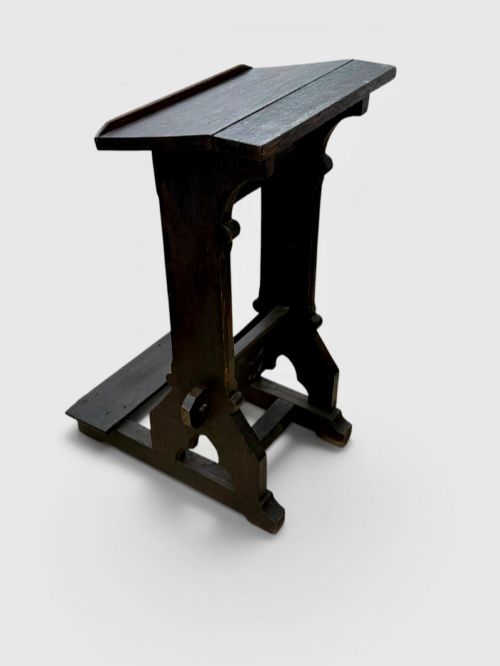
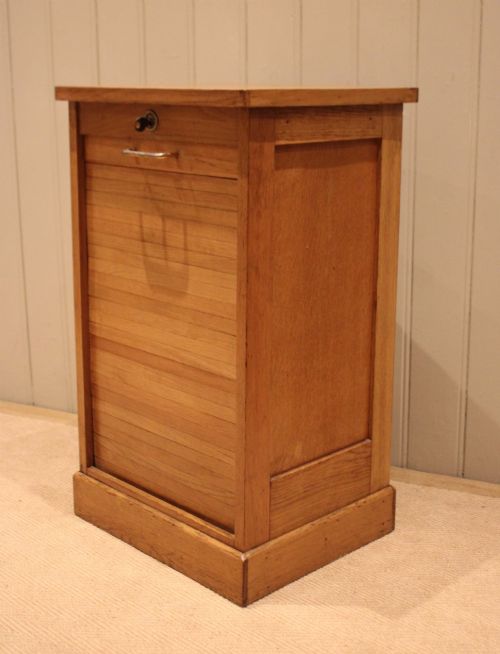
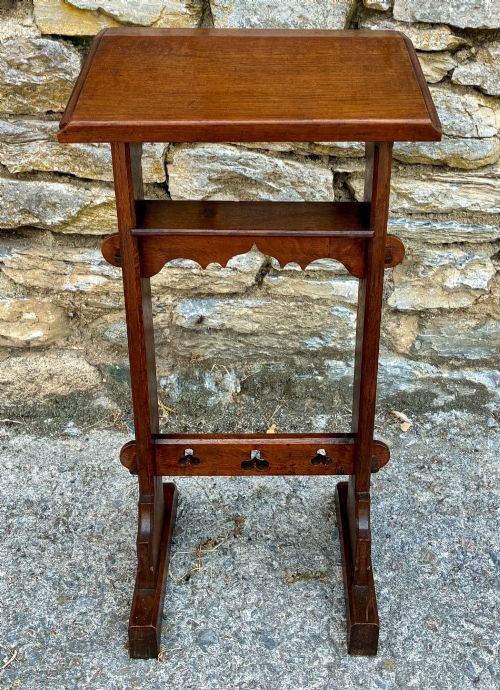
Beyond standard writing tables, the category encompasses related workspace items such as table cabinets, filing drawers, document boxes, and prayer desks. These domestic and institutional pieces share a modest footprint and solid timber construction suited for constrained spaces.

Craftsmanship and Proportion
Quality rests in the precision of the joinery, the selection of figured timber such as pollard oak, and the retention of original fittings like period brass handles. Superior examples maintain balanced proportions and crisp, hand-carved detailing without compromising structural integrity.
The sophistication of the interior fitments, including secret compartments, pigeonholes, and fitted small drawers, distinguishes finer bureaux and writing cabinets from simpler utilitarian tables.
Small Oak Desk Retail Price Guide 2026
Typical asking prices for small oak desk among the pieces listed under this phrase on Sellingantiques today, from the lower quarter to the upper quarter. They describe what is for sale here now, not the wider market.
Listings feature oak desks spanning the 17th Century up to the Edwardian period, incorporating brass, leather, and iron elements.
Arthur Simpson of Kendal·Maples and Co
The Small Oak Desk Glossary
- Bureau
- A writing desk featuring a sloping lid that opens to reveal internal compartments and small drawers. This form provides a concealed workspace when closed.
- Davenport desk
- A compact pedestal writing desk featuring a sloping top and drawers opening to one side. It gained popularity during the Georgian and Victorian periods for domestic letter writing.
- Kneehole desk
- A desk featuring a central recess for the user's legs, flanked by pedestals of small drawers. Georgian and Victorian examples frequently utilise solid oak construction.
- Pollard oak
- Timber taken from the upper branches of pollarded trees, exhibiting a dense, clustered grain pattern. Cabinet makers valued this decorative wood for veneers and small surfaces.
- Document box
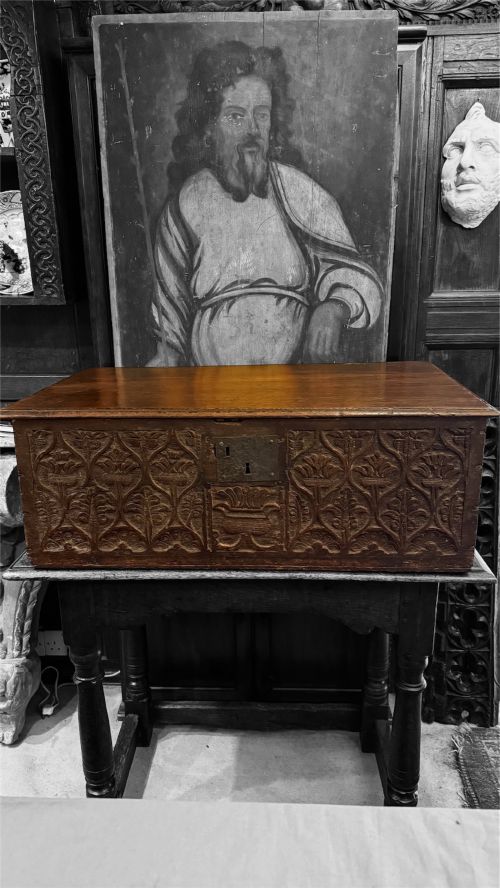
- A portable wooden chest used for storing papers and valuables before the widespread use of fitted desks. Early examples feature pegged joints and carved decoration.
Small Oak Desk: Frequently Asked Questions
How do I date a small oak desk?
Dating relies on examining construction methods, such as hand-cut dovetails, timber selection, and hardware styles. Stylistic indicators like Edwardian Arts and Crafts carving or Georgian bracket feet also help place a piece in its correct period.
Secondary woods and drawer linings offer further clues. Earlier seventeenth and eighteenth-century pieces often display pegged joints and uneven hand-planed boards, whereas later Victorian and Edwardian examples show more uniform machine assistance.
What is the difference between a bureau and a writing table?
A bureau incorporates a sloping hinged lid that covers an internal arrangement of small pigeonholes and letter drawers. This design allows the user to conceal correspondence and paperwork when not in use.
A writing table offers an open, flat top surface for working, sometimes accompanied by one or more frieze drawers beneath. These tables prioritise immediate surface utility over enclosed compartment storage.
How should I care for an antique oak desk?
Maintain a stable indoor environment away from direct heat sources and strong sunlight to prevent the timber from drying out or splitting. Dust regularly with a dry cloth and apply occasional high-quality wax to nourish the grain.
Avoid liquid polishes containing silicone, which can penetrate the pores of the oak and damage the historic finish over time. Leather inserts require specific, gentle leather balms to keep the hide supple.
Where were these small desks used historically?
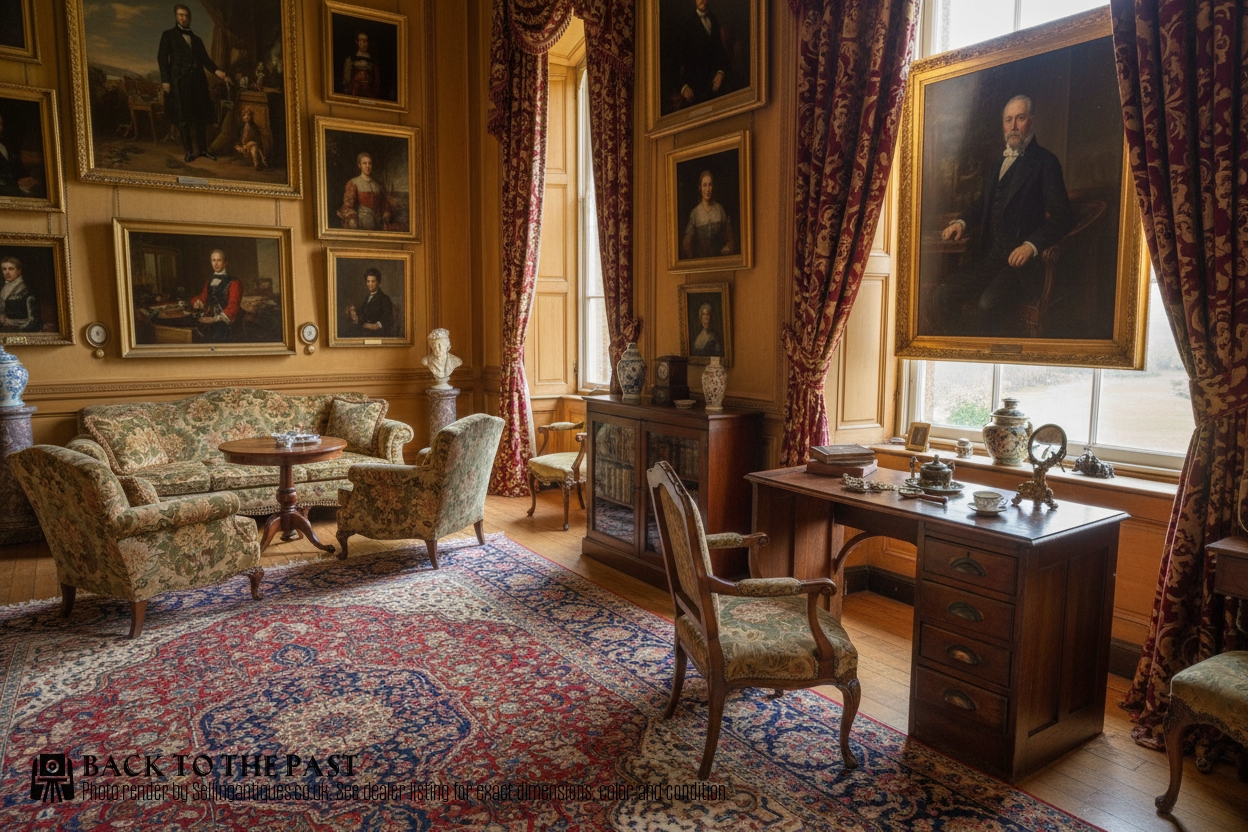
These compact desks served private domestic spaces, including bedrooms, drawing rooms, and small studies, where full-sized library furniture proved too large. They accommodated personal correspondence, household accounts, and diary writing.
Institutional settings such as vicarages, offices, and surgeries also utilised smaller writing tables, prayer desks, and filing cabinets to manage daily documentation efficiently.