




Antique School Desk
These heavy-timbered and metal-framed survivors carry the ink-stained grain of past classrooms, offering buyers sturdy character and genuine institutional history.
Antique School Desk
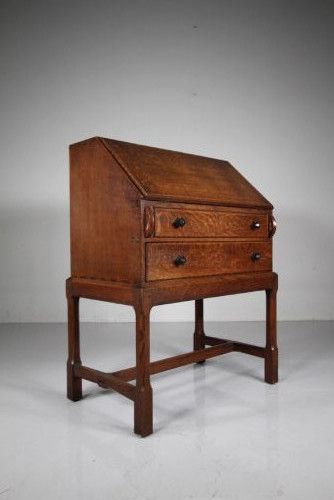
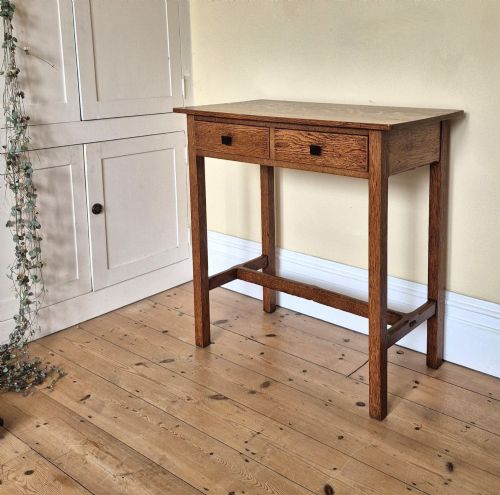
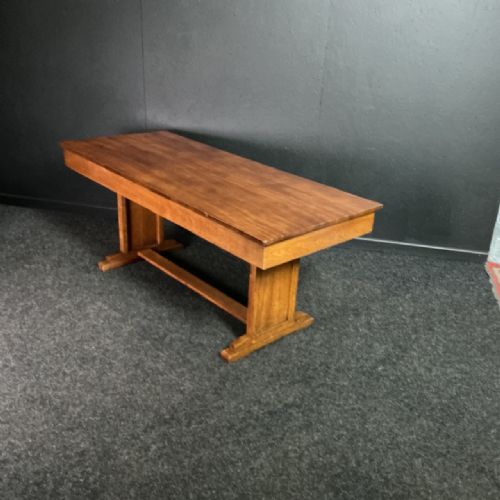
When searching for an antique school desk, a buyer uncovers utilitarian writing furniture built for heavy daily use in classrooms, public institutions, and schoolrooms across the centuries. The pieces met here range from compact single children's seats and folding pine designs to double oak benches and substantial master's or clerk's writing tables.
The version most commonly encountered on this page combines practical storage with fixed or hinged wooden writing surfaces, frequently incorporating cast iron frames or robust wooden benches. These surviving examples span periods from the Georgian era through the Victorian period, Edwardian years, and into the early twentieth century, reflecting the shifting needs of educational spaces.
Materials and construction methods
The construction of an antique school desk relies heavily on durable domestic timbers such as oak, pitch pine, elm, and deal, chosen for their ability to withstand generations of heavy pupil use. Joinery techniques prioritize absolute strength, utilising robust fixings, mortise and tenon joints, and sturdy framing to support hinged writing slopes and integrated seating.
Metal components play a vital structural role, with cast iron utilised for folding mechanisms, rigid leg supports, and drop-in inkwell collars, while brass fittings secure lids and latches. This combination of dense wood and industrial metal created pieces designed to endure decades of institutional wear without losing structural integrity.
Institutional furniture in the archive spans from the Georgian era through the Victorian period and into the early twentieth century.
Evaluating quality and provenance
Quality in an antique school desk is determined by the integrity of its original timber, the complexity of its folding or lifting mechanisms, and the survival of maker marks or institutional stamps. Pieces produced by specialist educational furnishers display superior joinery and thoughtful ergonomics compared to basic utilitarian workshop output.
The presence of original hardware, such as brass inkwell lids, cast iron frames bearing foundry details, and matching attached seating, elevates a piece significantly. Furthermore, genuine surface patination - accumulated through decades of ink spills, carved initials, and daily classroom use - separates compelling historic examples from later reproductions or overly restored items.
Geo M Hammer and Co Ltd London
The Antique School Desk Glossary
- Pitch pine
- A resinous North American pine variety known for its dense grain and durability, frequently utilised in nineteenth-century school furniture.
- Cast iron
- An alloy of iron and carbon poured into moulds to create rigid, durable structural frames and folding leg mechanisms for school desks.
- Clerk's desk
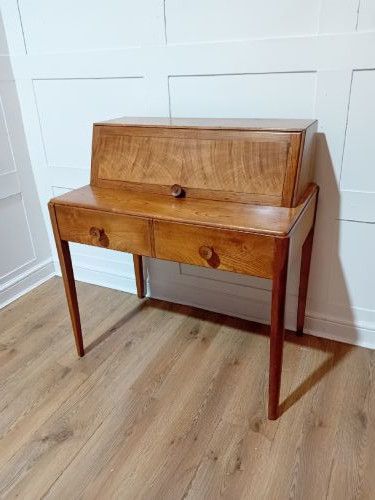
- A tall sloping writing surface designed for standing or high stool use, often fitted with drawers and pigeonholes for document storage.
- Inkwell
- A small recessed container, typically made of glass, ceramic, or brass, set into the desktop to hold liquid ink for dip pens.
- Patina
- The deep surface sheen and cumulative wear developed on wood and metal over decades of handling and use.
Antique School Desk: Frequently Asked Questions
What woods were used for school desks?
Makers relied on sturdy domestic and imported timbers that could endure heavy institutional handling. Oak, pitch pine, elm, and deal appear most frequently across these pieces.
These woods were selected for their strength, resistance to splitting, and ability to hold up against decades of daily pupil use and ink spills.
How do I date an old school desk?
Dating relies on examining construction methods, ironmongery, and timber choices. Victorian examples often feature heavy cast iron frames and pitch pine, while Georgian pieces show simpler joinery in solid oak or elm.
Maker stamps, patent dates, and specific design configurations for folding seats also provide clear chronological markers for individual pieces.
Were these desks made for children or teachers?
The listings include both forms, serving different functions within the historical classroom. Children's examples often incorporate attached benches, folding seats, and sloping hinged lids with inkwells.
Master's or clerk's desks stand taller, offering large flat or sloping surfaces with drawers underneath for paperwork rather than shared pupil seating.
How do I fit an antique desk into a modern home?
These compact pieces adapt well to modern living as writing stations, hallway consoles, or functional bedroom desks. Their narrow proportions and built-in storage make them practical for smaller study spaces.
Pairing a vintage child's desk with a small chair or utilising a double desk as a characterful workspace brings industrial and educational history into daily use.