

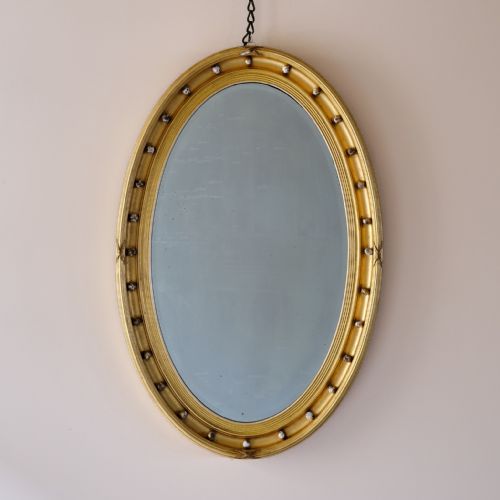


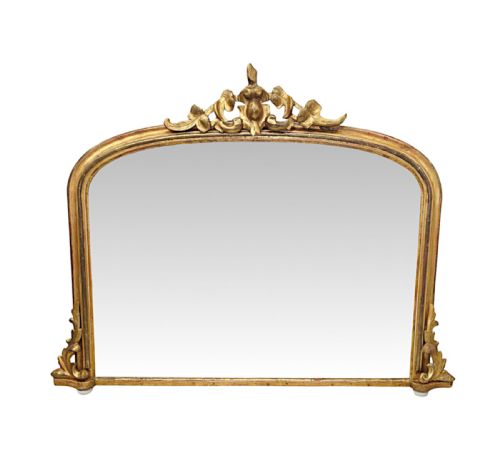

Small Gilt Mirror
A small gilt mirror brings concentrated light and reflective depth into a room without dominating the wall space.
Small Gilt Mirror
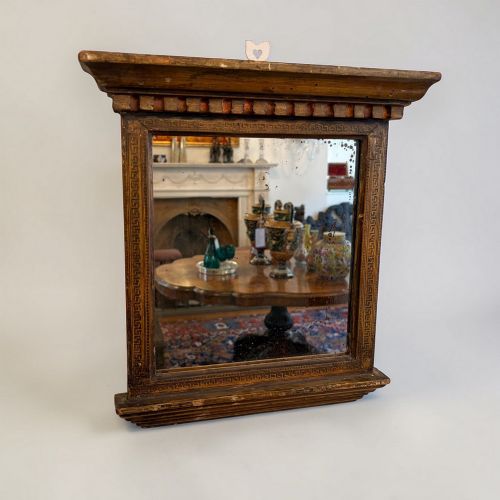
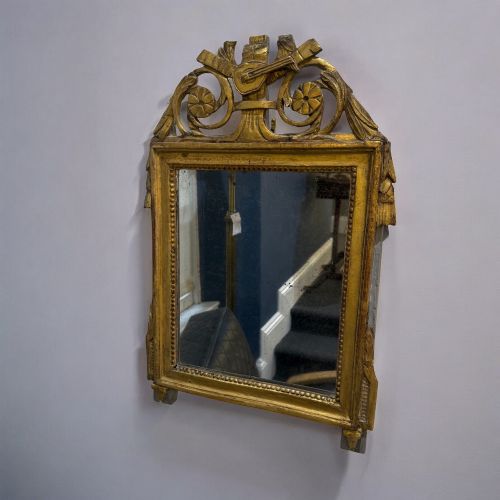
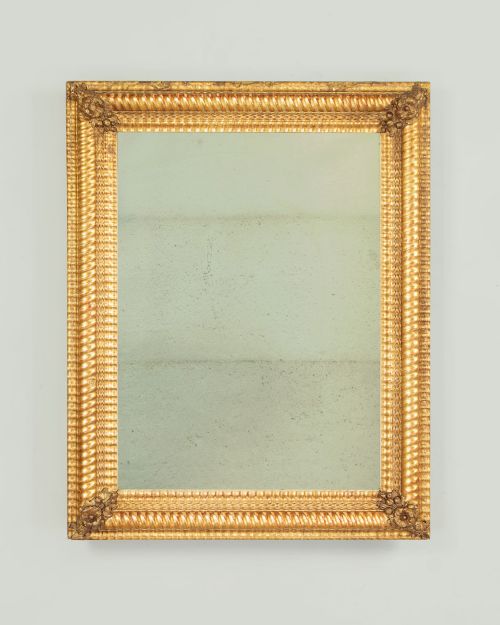
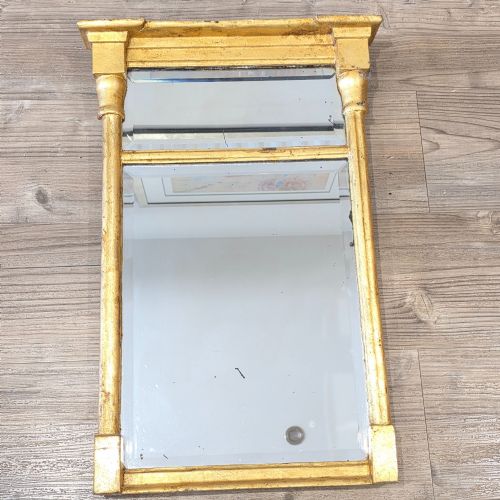
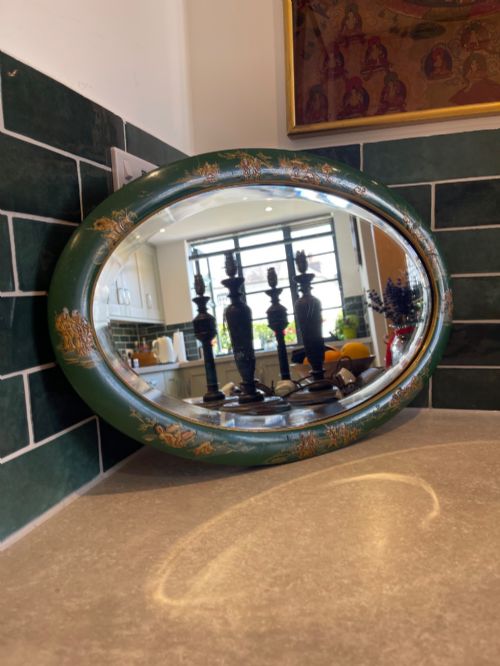
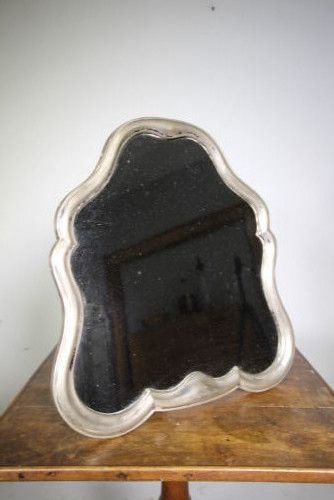
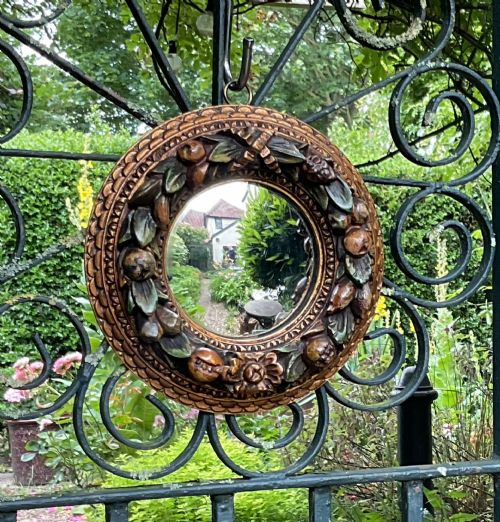
A small gilt mirror serves as a functional and decorative focal point, originating primarily from eighteenth, nineteenth, and early twentieth-century workshops. Buyers seeking a small gilt mirror encounter diverse forms including convex bubble glasses, architectural pier glasses, and ornate cartouche shapes.
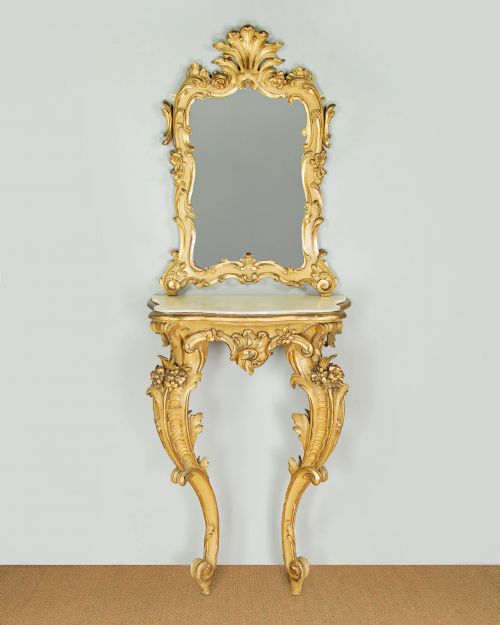
The selection ranges from Regency convex designs and Victorian wall mirrors to French Rococo and Italian Florentine carvings. These pieces function well in halls, above small mantelpieces, or as part of a grouped gallery arrangement.
Compact proportions define these objects, allowing them to fit narrow wall spaces where larger furniture or art cannot go. Their historical contexts span Georgian restraint through to flamboyant revival styles.
Materials and Techniques
Wood serves as the foundational substrate, utilising timber such as sycamore, pine, or ebonised wood carved into intricate frames. Gesso, a mixture of plaster of Paris and glue, is applied over the wood to build up relief details and floral motifs.
Gold leaf or silver gilt is then laid over the prepared surface, sometimes utilising water gilding techniques that allow for burnishing to a brilliant shine. Mirror glass plates, occasionally original with foxed spots or bevelled edges, complete the construction.
Materials documented across the inventory include giltwood, gesso, ebonised wood, painted wood, and traditional mirror glass.
Quality and Craftsmanship
The crispness of the hand-carved wooden elements and the depth of the gesso relief distinguish superior examples from simpler moulded versions. Finer pieces retain their original gilding with subtle variations in tone, whereas lesser items often show flat, uniform modern paint or crude repairs.
The integrity of the glass plate matters significantly, with older silvering displaying natural oxidation and soft reflections that enhance period character. Structural soundness in the joinery of the frame and the retention of original backboards indicate higher workshop standards.
The Small Gilt Mirror Glossary
- Giltwood
- Timber that has been coated with gold leaf or gold paint. This technique creates a rich, reflective metallic surface popular in traditional frame making.
- Gesso
- A plaster-like preparation spread over wood or canvas to act as a smooth base for painting or gilding. It allows craftsmen to model sharp relief details.
- Convex mirror
- A spherical mirror that curves outward, providing a wide-angle panoramic view of the room. These are often called butler's mirrors or sorcerer's mirrors.
- Pier mirror
- A tall, narrow mirror designed to hang on the wall space between windows. They frequently incorporate lower consoles or match nearby furniture.
- Foxed plate
- Mirror glass that exhibits speckled brown or grey spots due to the degradation of the silver backing over time. This ageing process confirms great age.
- Cartouche
- An ornamental tablet or panel frame, often with scrolled edges, resembling a rolled-up piece of paper. Italian Rococo examples frequently utilise this shape.
Small Gilt Mirror: Frequently Asked Questions
Where should I hang a small gilt mirror?
These pieces suit narrow wall spaces between doors or windows, above small console tables, or as vanity mirrors in bedrooms. Their compact dimensions allow them to reflect light into darker corners.
Avoid placing them in direct, harsh sunlight or damp environments like unventilated bathrooms to protect the delicate gilt surface and historical glass plates.
How do I identify the period of a mirror?
Examine the style of the carving, the construction of the wooden frame behind, and the characteristics of the glass plate. Regency pieces often feature circular convex formats with ball-turned frames, while Georgian examples display intricate fretwork.
Later Victorian and Edwardian items tend to use heavier machine-made elements and standard rectangular or oval proportions with floral composition.
What is a convex mirror used for?
Historically, convex mirrors allowed people to monitor activity across a large room from a single vantage point. Their curved glass gathers light from multiple angles to brighten interior spaces.
They function purely as decorative accents rather than functional mirrors for close-up grooming due to the distortion of the curved reflection.