


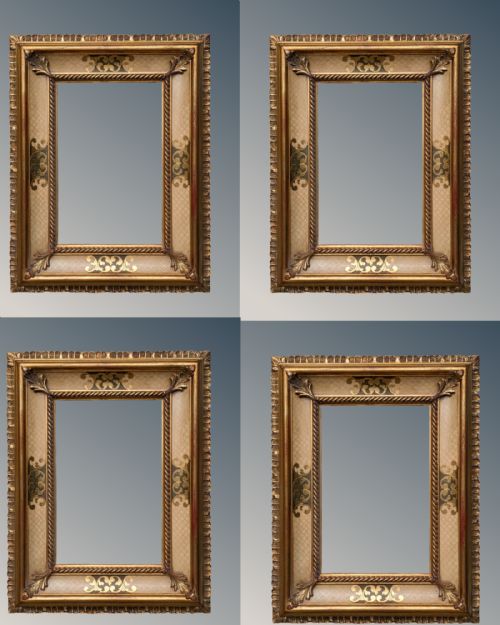


Gilded Florentine Mirror
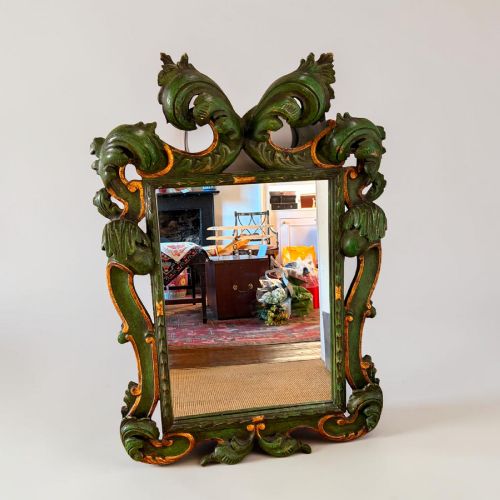
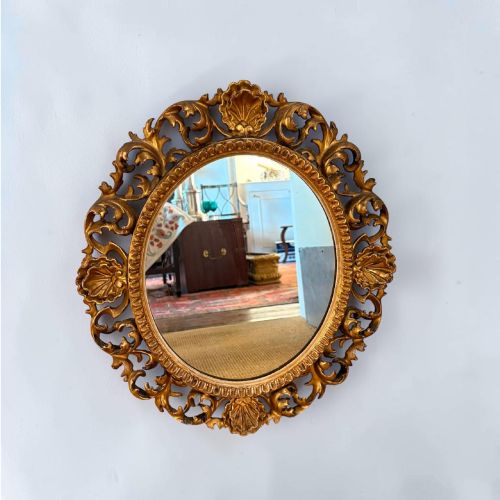
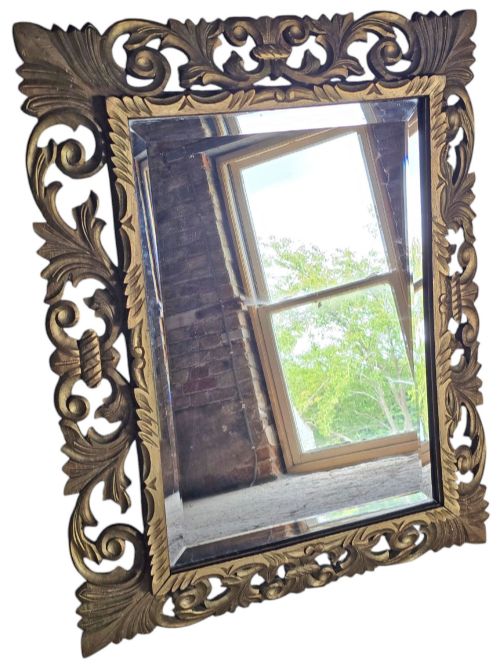
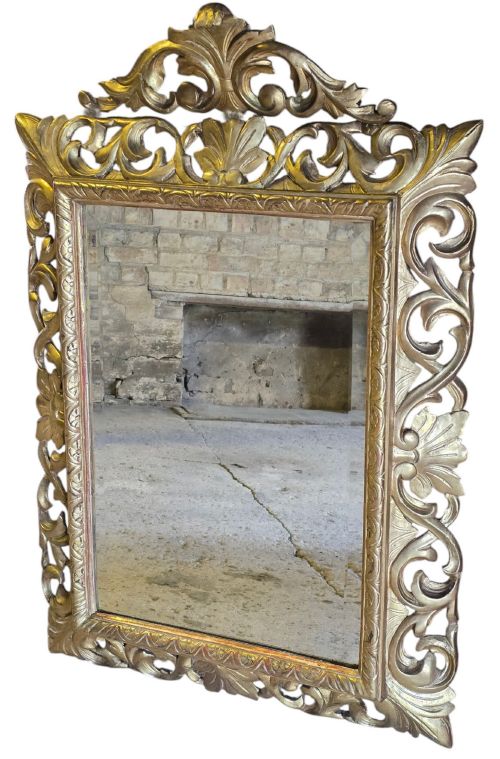
A gilded florentine mirror brings warmth and ornate Italian craftsmanship into a room through carved giltwood and gesso details.
Gilded Florentine Mirror
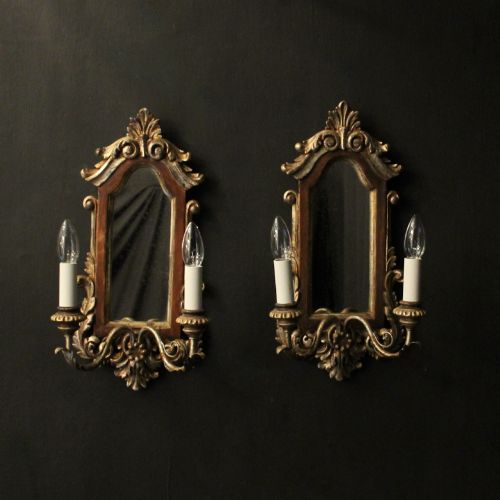
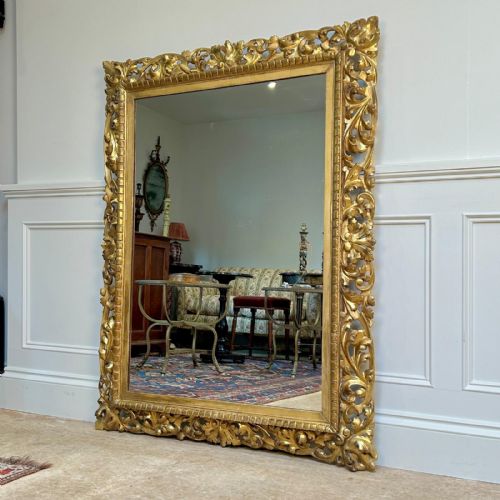
When you search for a gilded florentine mirror, you encounter ornate wall hanging pieces originating primarily from Italy across the eighteenth and nineteenth centuries. The selection ranges from compact oval formats to large overmantle statement pieces and twin arm girandoles designed to hold candles.
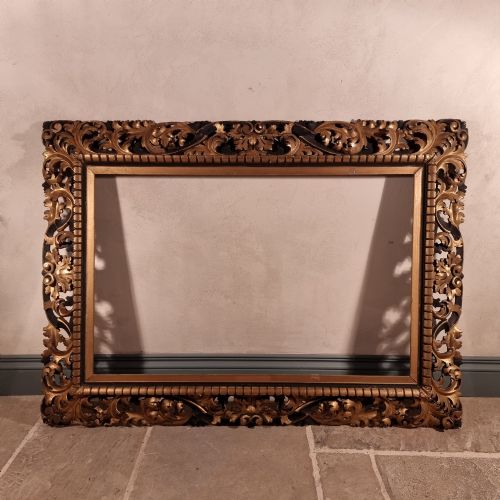
The most common examples you meet on this page date from the nineteenth century, though late eighteenth century specimens and twentieth century revivals also appear. Forms include cushion mirrors, picture frames adapted for glass, and console mirrors featuring integrated shelves under the frame.
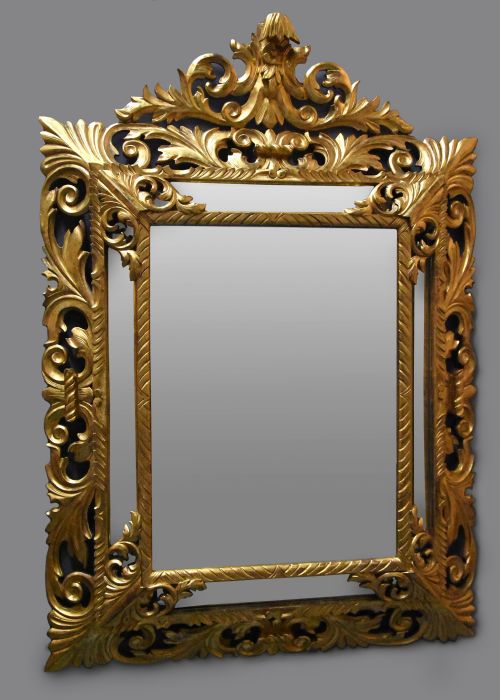
Makers drew on Florentine rococo, baroque, and renaissance revival styles, ornamenting the wooden frames with carved motifs such as fruiting vines and scrolls. These objects served both practical reflective purposes and decorative architectural roles within period interiors.
What varies in quality
The distinction between standard production and the top of the range rests on the depth and crispness of the wood carving. Finer pieces display sharply defined scrolls, foliage, and figural elements carved directly into the timber rather than relying entirely on heavy gesso moulding.
The integrity of the original gilt surface also determines value, with water gilded finishes showing superior luminosity compared to later repainted surfaces. Furthermore, the structural preservation of large overmantle frames and the retention of original mirror glass separate exceptional survivals from heavily restored examples.
Some nineteenth century carvers hid tiny carved insects among the wooden fruiting vines, giving attentive viewers a quiet surprise.
The Gilded Florentine Mirror Glossary
- Giltwood
- Wood that has been coated with gold leaf or gold paint. This finish defines the characteristic metallic appearance of Florentine frames.
- Gesso
- A plaster mix applied to wood frames to create a smooth surface for carving and gilding. It allows for intricate relief ornamentation.
- Girandole
- A branched wall mirror designed to hold candles. The arms reflect additional light into the room.
- Overmantle
- A large mirror designed to hang directly above a fireplace mantel. These pieces function as architectural focal points in reception rooms.
- Water gilding
- A traditional technique applying gold leaf over wet gesso and bole. This process permits burnishing to a high shine.
Gilded Florentine Mirror: Frequently Asked Questions
How do I clean a giltwood frame?
Dust the carved surfaces gently with a soft, dry brush to prevent damage to the delicate gold leaf layers.
Avoid liquid cleaners and harsh chemicals, which strip historical finishes from antique wood.
How can I date an antique mirror?
Examine the construction methods, the composition of the wood behind the frame, and the characteristics of the glass plate.
Eighteenth century pieces typically display distinct hand-carved details and older glass properties compared to nineteenth century revivals.
What is the difference between a girandole and a standard mirror?
A girandole incorporates attached candle arms extending from the frame, designed to multiply candlelight in dim rooms.
Standard wall mirrors lack these sconces and focus entirely on the reflective glass panel and carved border.