




Gold Florentine Mirror
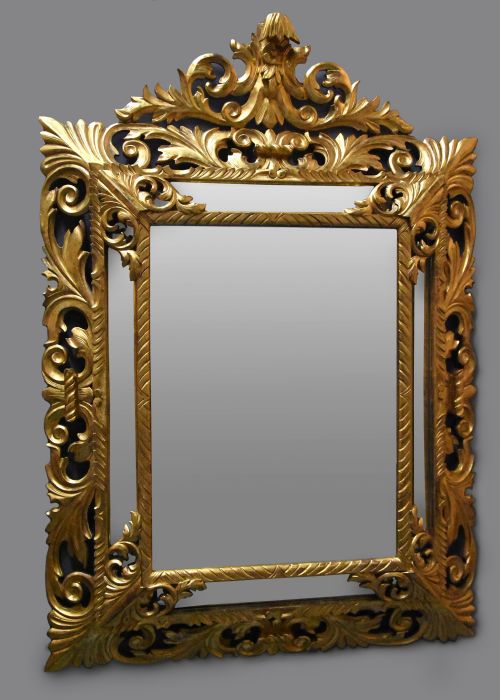
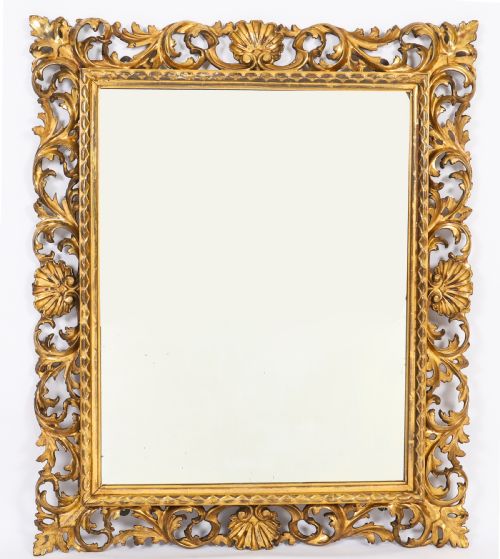
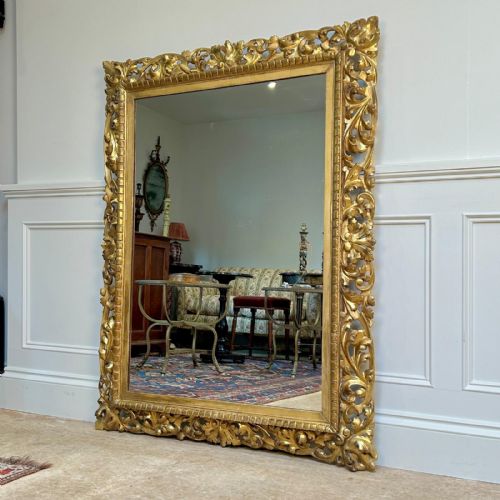
A gold florentine mirror brings rich carved ornamentation and gilded warmth to a room, drawing the eye with classic Italian craftsmanship.
Gold Florentine Mirror
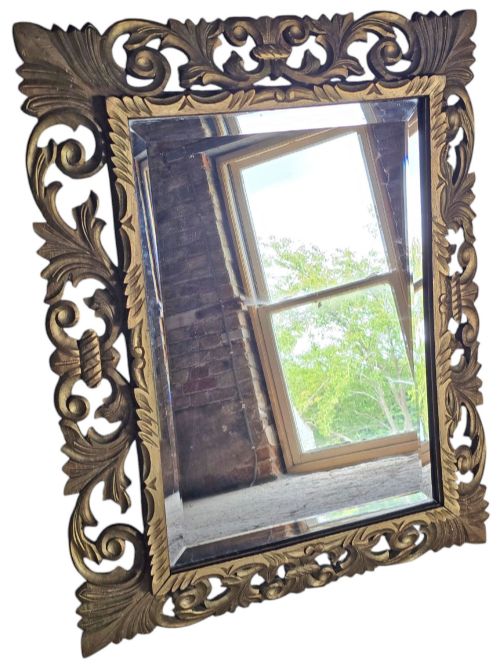
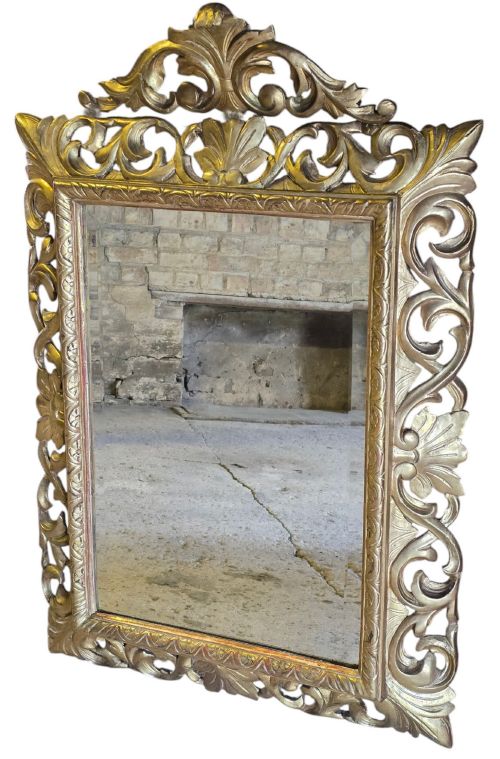
A gold florentine mirror combines ornate woodwork with gilded surfaces, originating primarily from Italian workshops across the eighteenth and nineteenth centuries. Buyers searching this phrase typically encounter large overmantle pieces, rectangular wall mirrors, and decorative oval formats.
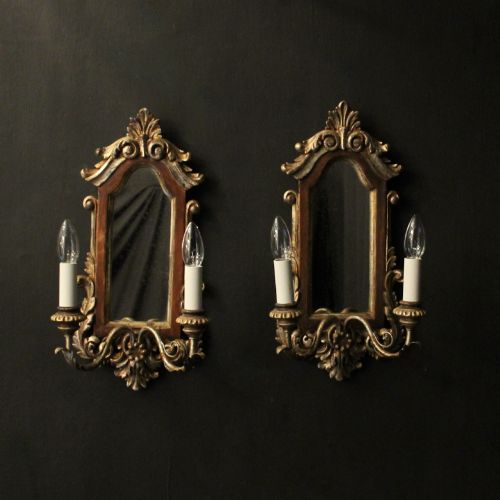
The selection ranges from expansive cushion mirrors and console-attached looking glasses down to smaller wall-hung examples and matched pairs of girandoles. Many adopt revival styles such as Florentine Baroque and Florentine Rococo, incorporating pierced carving and scrolling leaf motifs.
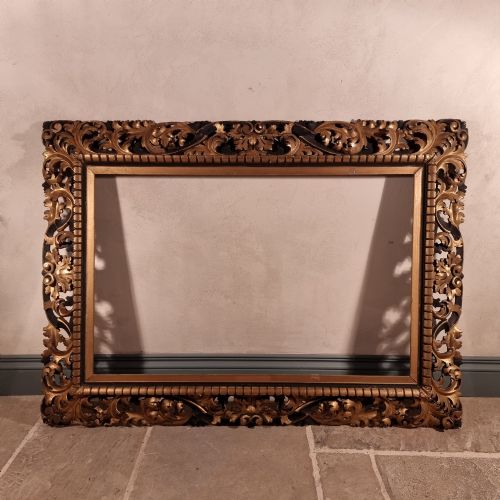
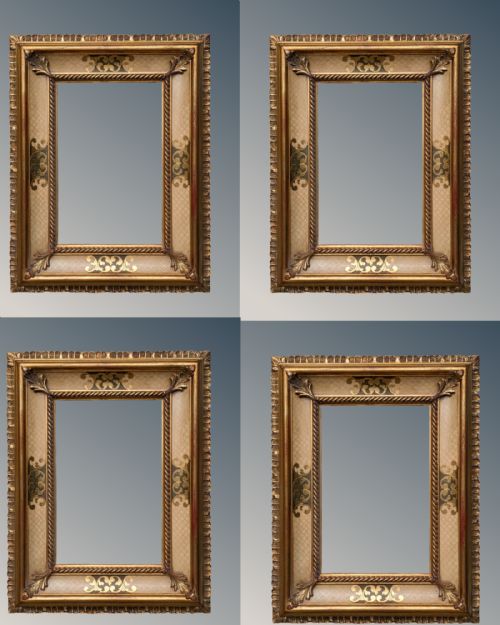
While wall mirrors dominate the selection, related decorative objects such as picture frames and small vanity items occasionally appear within the broader category. Dating spans from the late eighteenth century through the early decades of the twentieth century.
Materials and Construction
Makers constructed these frames from carved wood, applying layers of gesso to build up intricate relief patterns before finishing the surface with gold leaf or giltwood. This traditional layering method allowed artisans to achieve deep undercut foliage, scrolling cartouches, and fruit-laden vines.
Reflective surfaces consist of traditional mirror glass set into the timber frames, occasionally accompanied by subsidiary metal components in related powder compacts or wall sconces. The combination of gesso and gold leaf yields a brilliant finish that catches ambient light.
Listings span from the 18th century through the 1950s, featuring giltwood, glass, gesso, and silver.
Assessing Quality and Depth of Carving
Quality rests in the crispness and depth of the hand carving, where deeply undercut acanthus leaves and scrolls separate superior examples from simpler moulded versions. The handling of the gesso layer determines how sharply the ornamentation defines against the gilded ground.
The preservation of the original gold leaf and the integration of the wooden joints further distinguish finer pieces. Stronger examples exhibit balanced proportions across large overmantle or oval formats without distortion in the framing.
Giuliano Spinelli Florence
The Gold Florentine Mirror Glossary
- Giltwood
- Wood that has been coated with gold leaf or gold powder. This finish gives the mirror frame its characteristic metallic brilliance.
- Gesso
- A plaster-like mixture applied to wood frames to create a smooth base for carving and gilding. It allows artisans to shape intricate relief details.
- Girandole
- A branched wall mirror fitted with candle sconces. These fixtures reflect both candlelight and daylight into the surrounding interior.
- Overmantle
- A large mirror designed to hang directly above a fireplace mantel. Such pieces often anchor the proportions of a reception room.
- Rococo
- An ornate artistic style characterised by asymmetrical scrolls, curves, and plant motifs. Florentine variants apply these swirling designs in gilded wood.
Gold Florentine Mirror: Frequently Asked Questions
How do I hang a heavy gold florentine mirror safely?
Large giltwood frames require secure wall fixings distributed evenly to support substantial timber and glass weight. Professional mirror hangers usually attach brackets directly into structural wall studs.
Positioning the piece at correct eye level ensures the reflective surface balances the surrounding furniture and fireplace proportions.
Where should I place a gold florentine mirror in my home?
These mirrors function effectively above mantelpieces, console tables, and living room sideboards where they bounce natural light around the space. Smaller oval and rectangular versions suit hallway walls and bedroom dressing areas.
Pairing a mirror with matching girandoles creates a balanced focal point on a main wall.
How do I clean an antique gilded mirror frame?
Dust the carved wooden elements gently with a soft dry brush to prevent accumulation in the recesses of the gesso and gold leaf. Avoid liquid cleaners and abrasive cloths which can damage delicate historic gilding.
Clean the mirror glass itself using a minimal amount of glass cleaner applied to a cloth rather than sprayed directly onto the frame.
How can I tell an 18th century mirror from a 19th century revival piece?
Eighteenth-century examples often display hand-carving techniques with subtle irregularities in the wooden substrate and older silvering methods on the glass. Nineteenth-century revival pieces frequently employ heavier gesso builds and stylised Florentine Baroque or Rococo motifs.
Examining the backboards, fixings, and joinery helps determine the precise period of manufacture.