

Small Folding Side Table
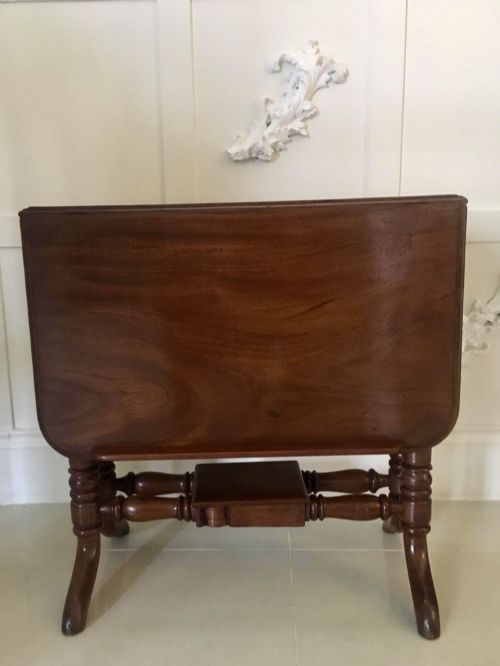
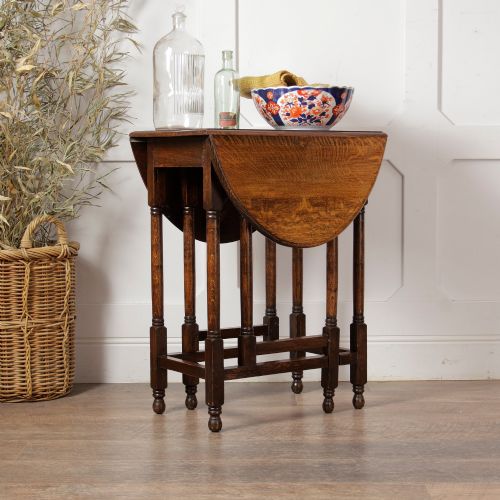
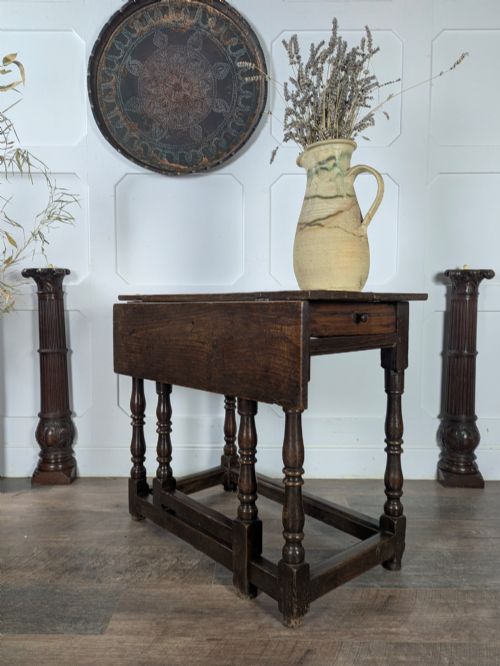
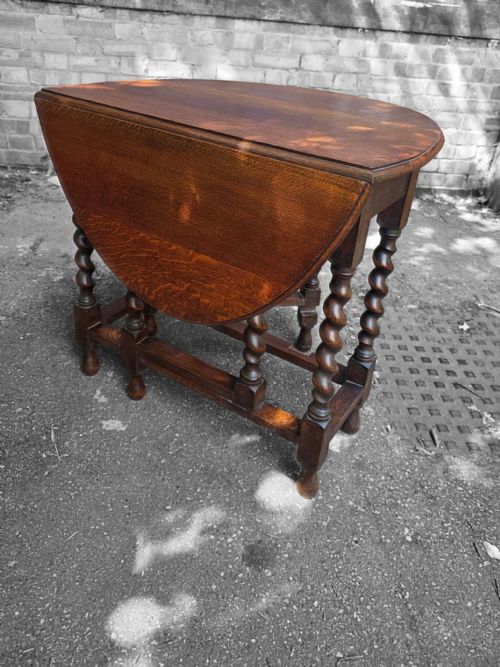
These small folding side table examples offer compact occasional surfaces, appearing across periods from the eighteenth century to the twentieth in practical drop leaf and gateleg forms.

Small Folding Side Table
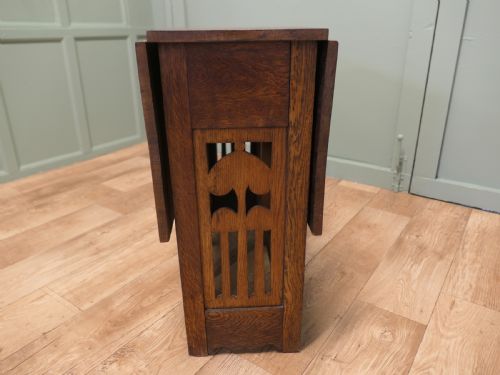
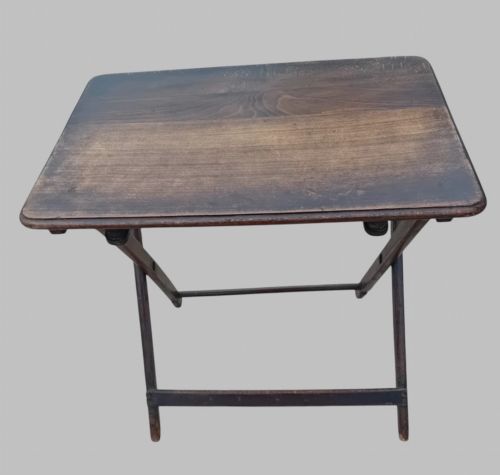
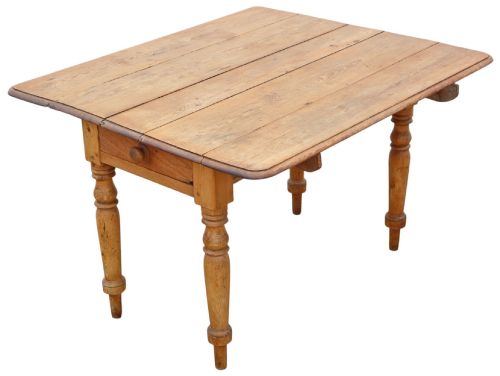
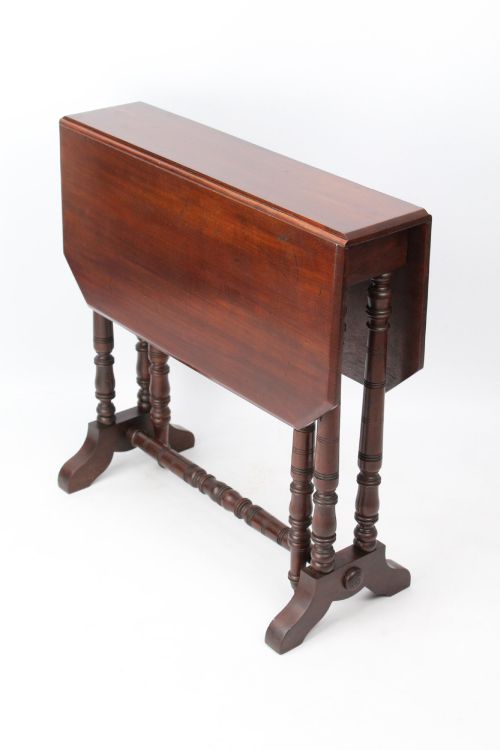
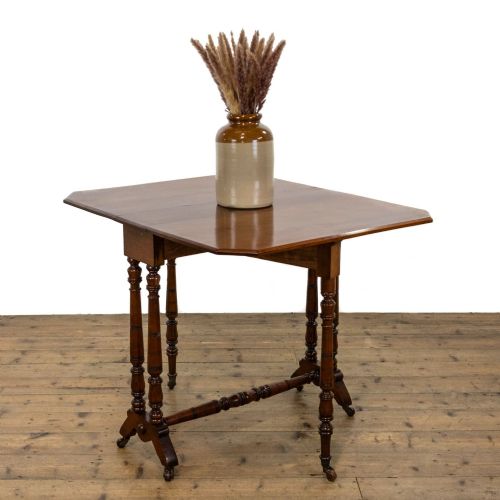
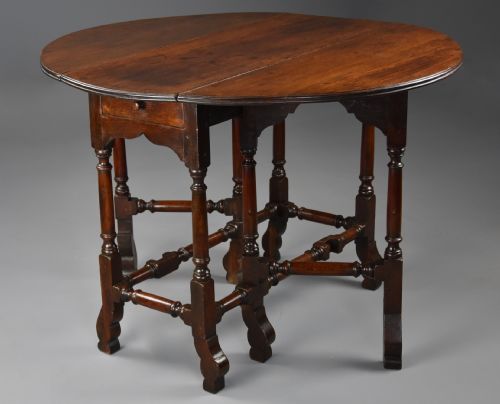
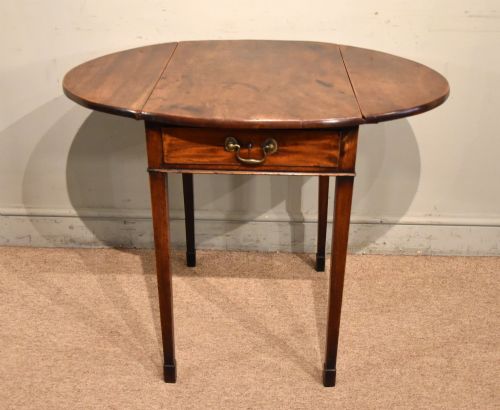
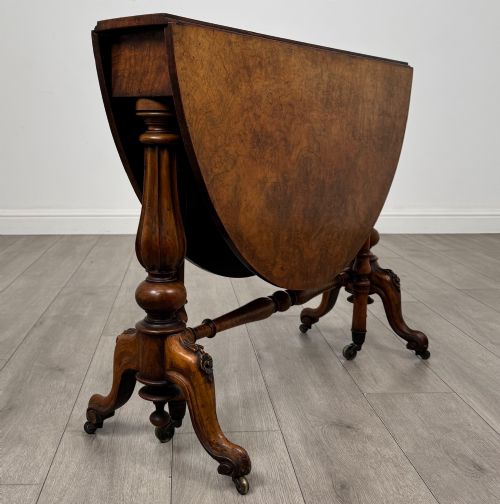
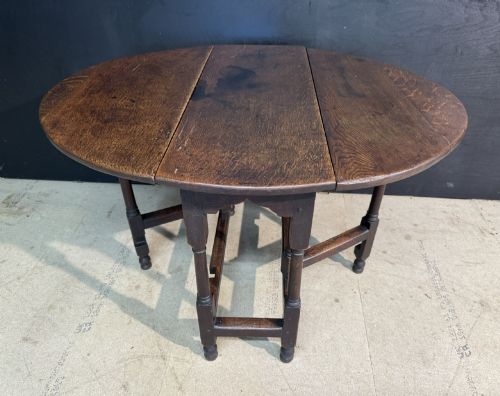
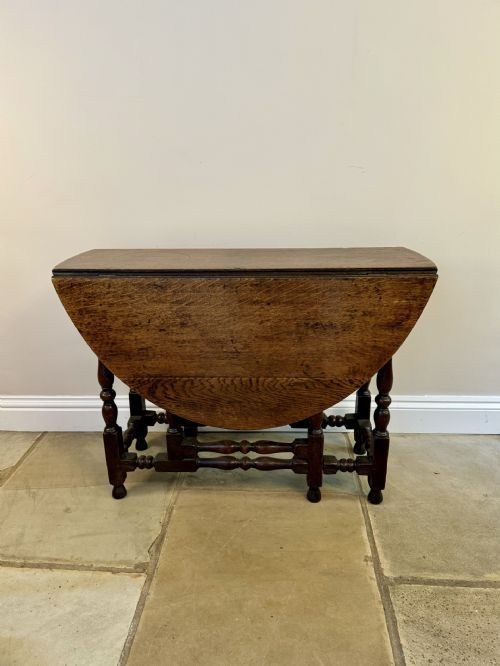
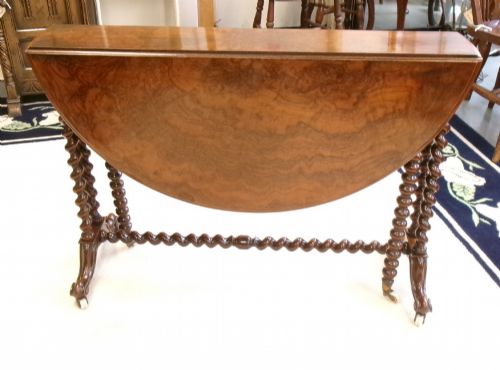
A small folding side table provides a flexible surface for occasional use, readily tucked away when space requires. The selection includes gateleg designs, Pembroke tables, and narrow Sutherland tables with drop leaves.
Victorian and Edwardian versions appear frequently alongside earlier eighteenth-century oak and walnut pieces. These tables serve utility in domestic spaces, functioning as lamp tables, tea tables, or reading surfaces.
Construction types vary from slender spider leg occasional pieces to sturdier oak dining tables of small proportions. The common thread is a folding mechanism that allows the leaves to drop or the frame to fold flat.

Materials and construction
Timbers like mahogany, oak, and walnut form the structural core of these tables, frequently finished with burr veneers, satinwood inlay, or polished surfaces. Grain selection contributes significantly to the visual weight of smaller drop leaf designs.
Turning techniques produce barley twist legs and slender uprights that support folding leaves without encumbering the floor space. Brass hinges and swing brackets secure the drop flaps while maintaining stability when open.
Small Folding Side Table Retail Price Guide 2026
Typical asking prices for small folding side table among the pieces listed under this phrase on Sellingantiques today, from the lower quarter to the upper quarter. They describe what is for sale here now, not the wider market.
Gateleg, Sutherland, and Pembroke forms dominate the available selection of folding occasional tables.
Distinctions in quality
Construction integrity separates standard utility items from finer examples, particularly in the alignment of drop leaves and the snugness of folding hinges. Timber choice also dictates tier, with burr walnut and figured mahogany commanding attention over plain pine or beech.
Surface finish and patination reflect the care a table has received over centuries of domestic use. Original hardware, crisp turning on barley twist legs, and delicate inlaid stringing elevate the standing of Edwardian and Georgian pieces.
Maple and Co
The Small Folding Side Table Glossary
- Sutherland table
- A narrow drop leaf table with exceptionally small flaps and slender gate legs designed to fold almost flat. It originated in the Victorian era and works well in confined spaces.
- Gateleg table
- A table with hinged leaves supported by legs that swing outward like a gate to hold the flaps. This form dates back centuries and appears in solid oak or walnut.
- Pembroke table
- A rectangular occasional table featuring two hinged drop leaves on opposing sides and typically a single drawer. It gained popularity during the Georgian period.
- Drop leaf table
- Any table fitted with one or two hinged flaps that lower when not in use to save space. The leaves are supported by pivoting brackets or swing legs.
- Barley twist
- A type of woodturning shaped in a helical screw pattern resembling spiralling barley stalks. This decorative detail appears frequently on seventeenth-century revivals and early twentieth-century oak furniture.
Small Folding Side Table: Frequently Asked Questions
How do I use a small folding side table?
These tables adapt easily to tight rooms, serving as lamp stands, bedside surfaces, or tea tables when the leaves are raised. Lowering the flaps allows the furniture to slide against a wall or into an alcove when floor space is needed.
Their mobility makes them practical for shifting between rooms depending on daily requirements. They provide steady surfaces without dominating the layout of a traditional or modern interior.
What is the difference between a Sutherland table and a gateleg table?
A Sutherland table is a specific, narrower subset of drop leaf table featuring very thin flaps and a particularly slim profile when folded down. Standard gateleg tables often have larger leaves and sturdier frames intended to seat multiple people for dining.
Sutherland tables were developed primarily as occasional or drawing room furniture in the nineteenth century. Gateleg variants date back much further, with heavy oak examples common in seventeenth and eighteenth-century contexts.
How do I date an antique folding table?
Dating relies on timber choices, leg turning styles, and structural joinery methods visible beneath the top. Georgian pieces often display slender mahogany proportions, while Victorian and Edwardian examples utilise walnut, satinwood inlay, or specific hardware.
Revival pieces from the early twentieth century frequently emulate seventeenth-century oak gateleg designs using machine-turned barley twist legs. Examining the underside and hinge construction clarifies whether a piece is eighteenth-century or an Edwardian reproduction.
Are these tables sturdy enough for daily use?
Solid construction in hardwoods like oak and mahogany ensures these tables handle regular weight when properly maintained. The folding leaf supports require gentle handling to avoid stressing the hinges and pivot joints over time.
Occasional tables are built for lighter loads rather than heavy seating support, so placing lamps, books, or drinks on them remains entirely safe. Checking that the swing legs lock firmly into position guarantees stability during use.