

Traditional Mahogany Console Table
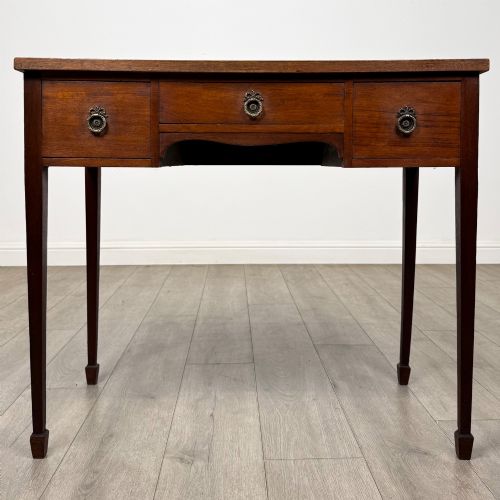
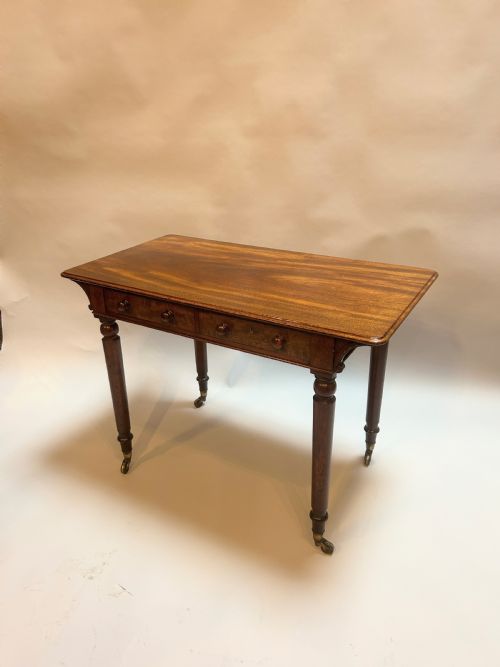
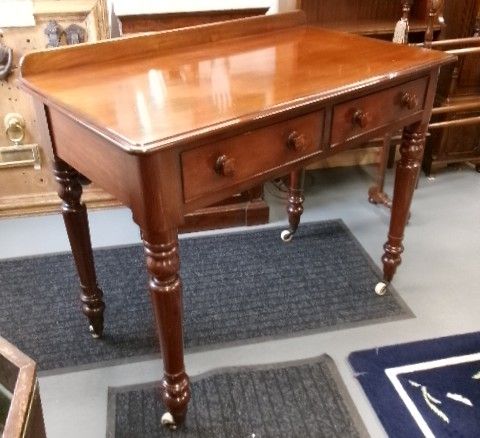
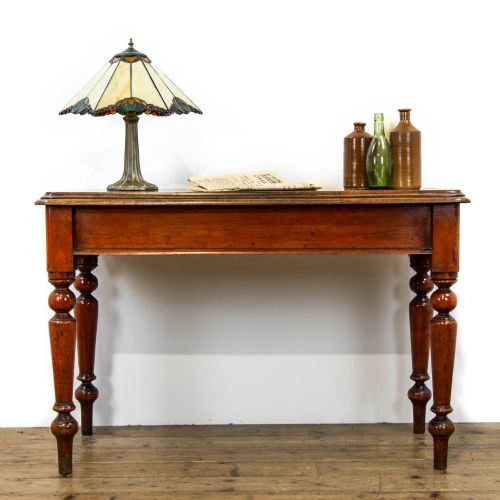
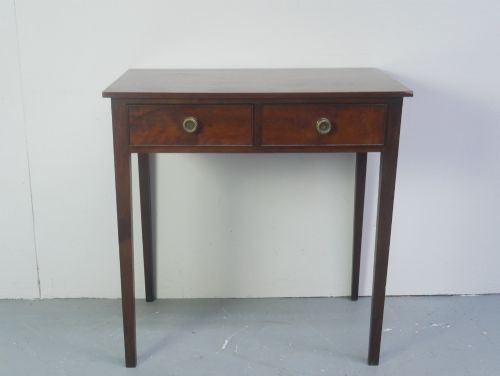
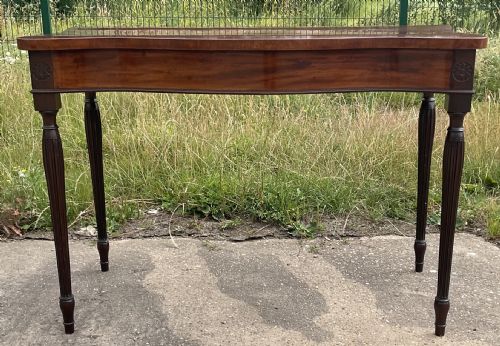
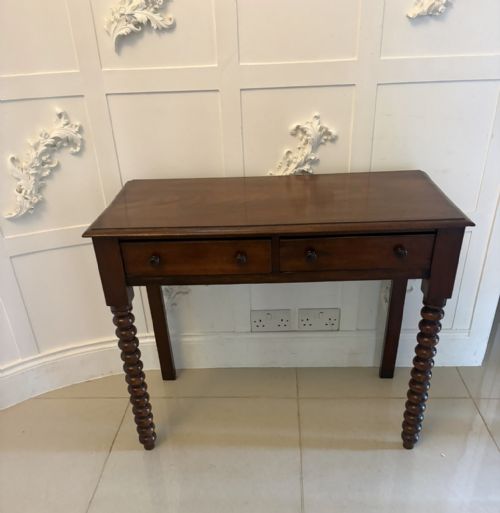
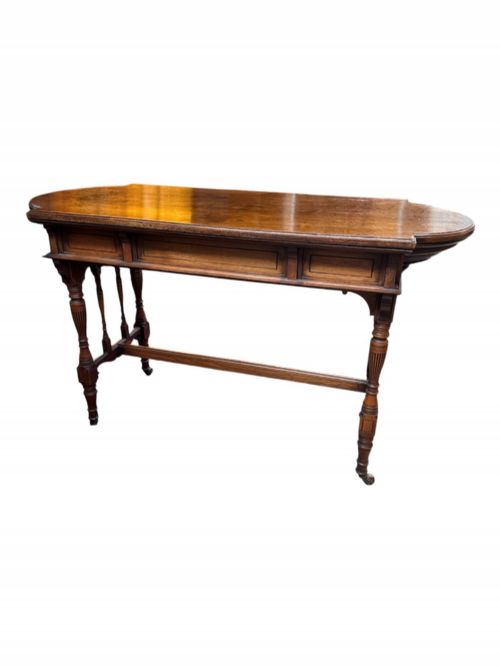
A traditional mahogany console table brings rich timber grain and classic proportion to a hallway or reception room.
Traditional Mahogany Console Table
A traditional mahogany console table serves as a functional surface against a wall, frequently appearing alongside related forms like side tables, writing desks, and serving tables. Buyers search for these pieces to anchor a room with architectural timber and established historical design.
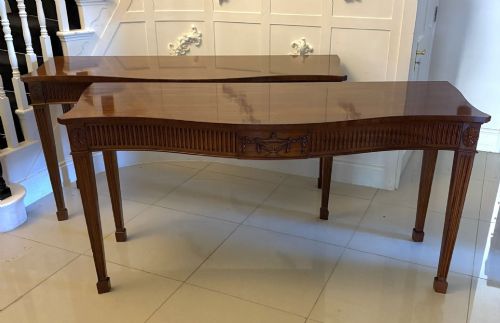
The selections span from the Georgian period and the Regency era through to Victorian workshops and Edwardian revivals. Pieces range from straightforward functional hall furniture to decorative items featuring serpentine fronts and neoclassical carving.
Makers utilised dense timber to build items intended to stand against domestic walls or function as freestanding centre tables. The inventory includes both compact tables and substantial country house servers.
Assessing Quality and Execution
Quality rests in the selection of the timber grain, particularly the choice of figured mahogany for primary surfaces and drawer fronts. Superior examples display crisp, hand-carved details rather than soft or cast ornamentation.
Construction integrity distinguishes workshop output, seen in the neatness of dovetail joints in drawers and the stability of the frame. The distinction between a standard utility piece and an outstanding server lies in the proportion and the subtlety of neoclassical or carved enrichment.
Traditional Mahogany Console Table Retail Price Guide 2026
Typical asking prices for traditional mahogany console table among the pieces listed under this phrase on Sellingantiques today, from the lower quarter to the upper quarter. They describe what is for sale here now, not the wider market.
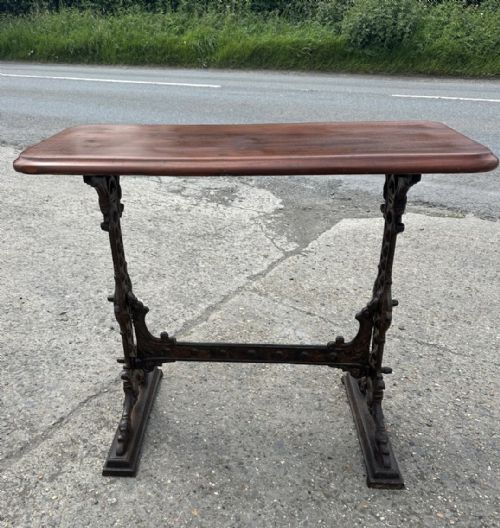
Certain tables doubled as pub furniture, earning scars from heavy tankards and late-night toasts.
Gillows·J A Mein Edinburgh Cabinet Maker
The Traditional Mahogany Console Table Glossary
- Mahogany
- A durable tropical hardwood prized for its deep reddish-brown colour and stable grain. It forms the primary structural and visual material for these tables.
- Demi Lune
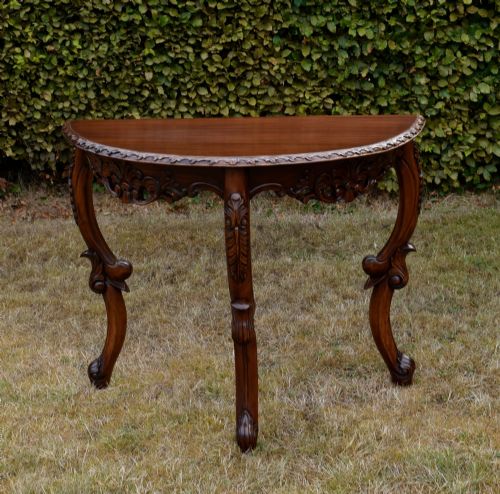
- A half-moon shape used for console tables designed to sit flush against a wall. This format saves floor space while providing a display surface.
- Serpentine
- A gently undulating curved outline found on the front edge of tabletops and serving pieces. It adds visual movement to the rectilinear form of a room.
- Lowboy
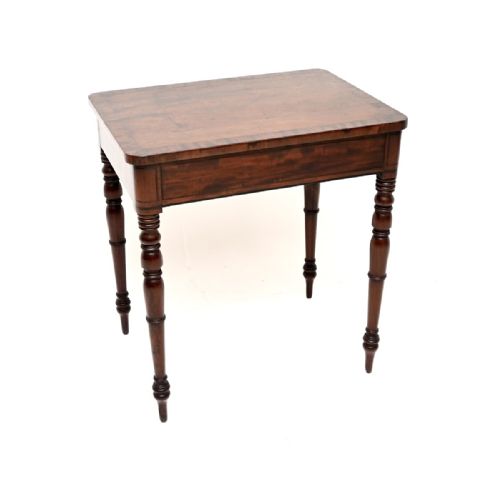
- A small low table with drawers, commonly used as a side table or writing surface during the Georgian period. It sits on relatively tall legs relative to its body.
- Pembroke
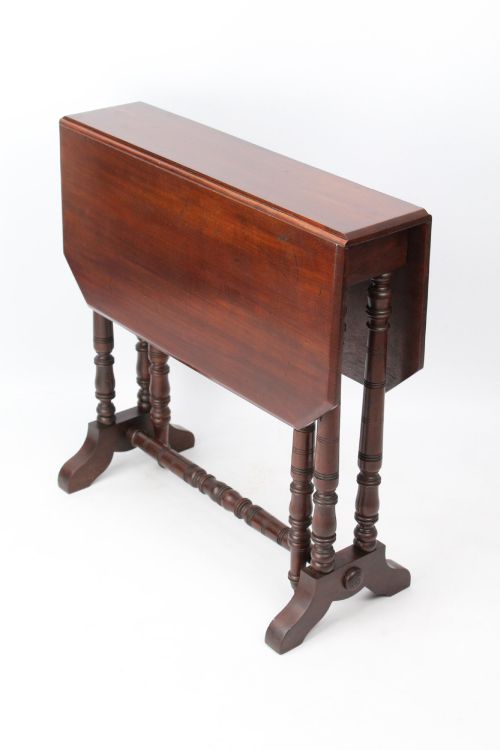
- A rectangular table featuring two hinged drop leaves on opposing sides. These flaps allow the surface area to expand or contract depending on space requirements.
Traditional Mahogany Console Table: Frequently Asked Questions
Where should I place a traditional mahogany console table?
These tables fit naturally in entrance halls, living rooms, or dining spaces where a narrow surface is required against a wall. Their compact depth allows them to occupy passageways without obstructing movement.
They function well beneath mirrors or paintings, providing a stable platform for lamps, decorative items, or everyday correspondence.
How do I distinguish a Georgian table from a Victorian revival piece?
Georgian tables originate from the eighteenth century and tend to exhibit restrained proportions, timber selection, and construction methods characteristic of that era. Revival pieces, built later during the Victorian or Edwardian periods, often adopt these historical styles while showing different secondary woods or machine-assisted joinery.
Examining the underside, drawer linings, and tool marks helps reveal the actual period of manufacture.
How do I care for mahogany furniture?
Mahogany surfaces respond best to regular dusting with a soft, dry cloth to prevent the accumulation of abrasive particles. Avoid placing the timber in direct sunlight or near direct heat sources to prevent the wood from drying out.
Occasional application of appropriate wax polish maintains the lustre of the finish without building up heavy residue.
What is the difference between a console table and a side table?
A console table is specifically designed to stand against a wall, sometimes secured to it for stability, featuring decoration primarily on the front and sides. A side table is a more general freestanding form that may be finished on all sides and moved around a room as needed.
In historical listings, these terms sometimes overlap depending on the exact proportions and intended use of the piece.