
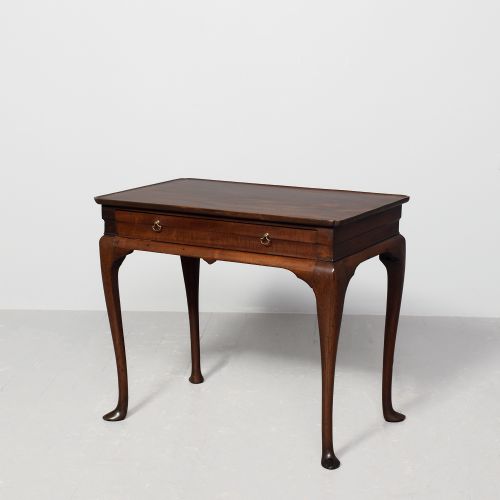
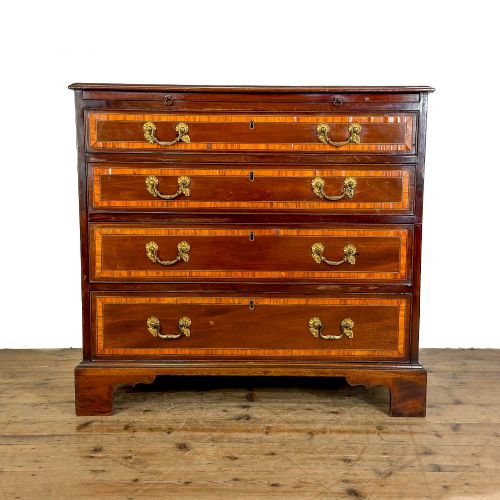


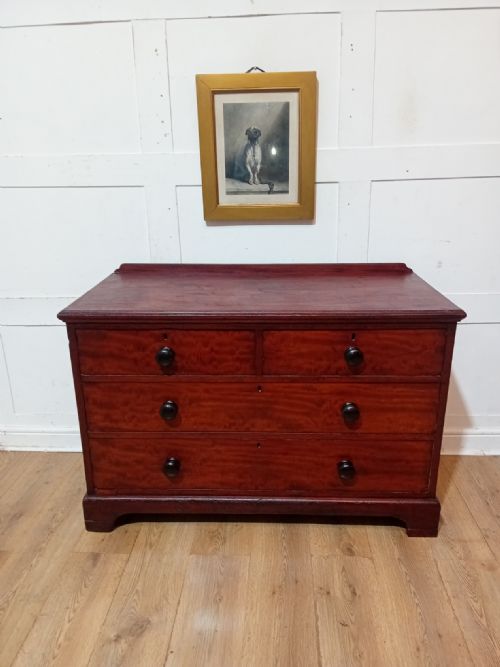


Brown Mahogany Lowboy
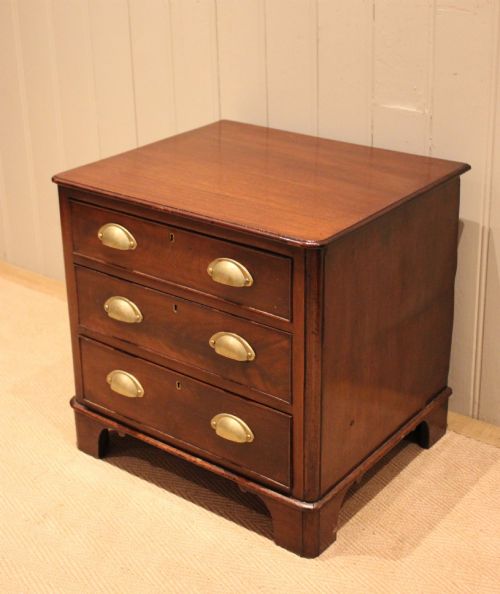
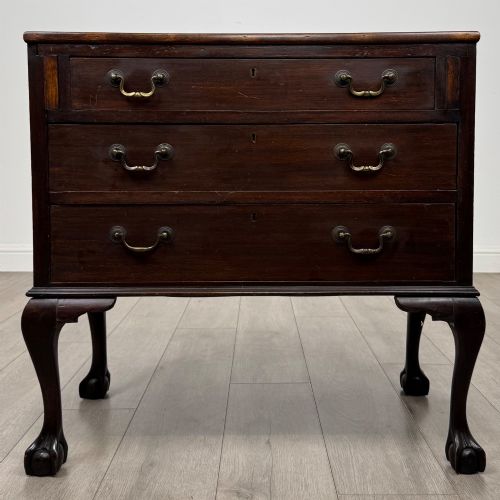
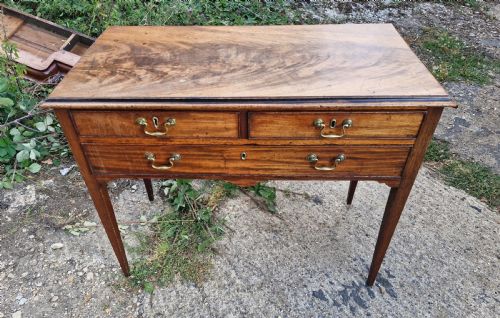
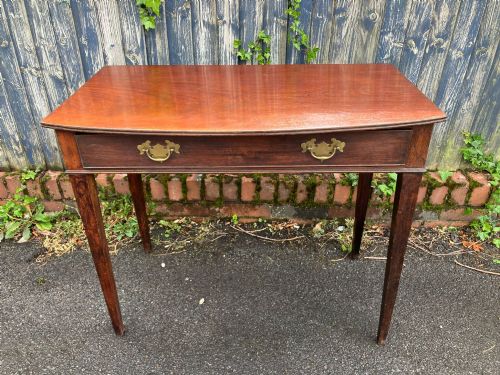
A brown mahogany lowboy is a compact and versatile table that brings practical surface space and period character to a room.
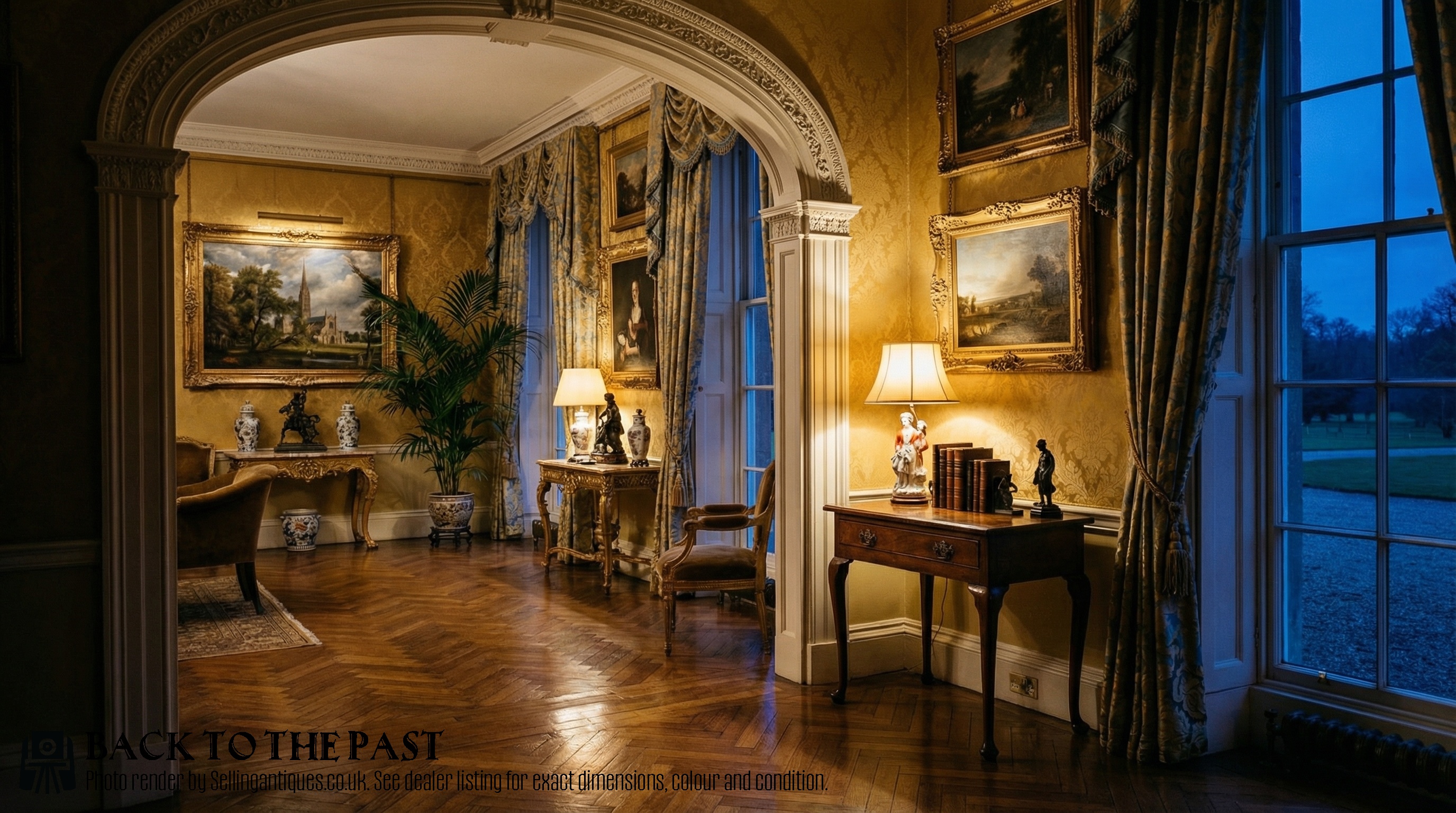
Brown Mahogany Lowboy
When you search for a brown mahogany lowboy, you are looking at a specific form of low table traditionally used for writing, dressing or serving. The examples on this page span several centuries, with particular emphasis on Georgian periods, alongside later Victorian, Edwardian and twentieth-century interpretations.
Most pieces presented here function as side tables, hall tables or correspondence desks equipped with drawers. They appear in forms ranging from early eighteenth-century cabriole leg designs to later revival styles.
Originating primarily as functional household furniture, these tables display the rich grain and warm tones characteristic of mahogany. Buyers will encounter both authentic period pieces and later revival versions, each offering distinct proportions and details.
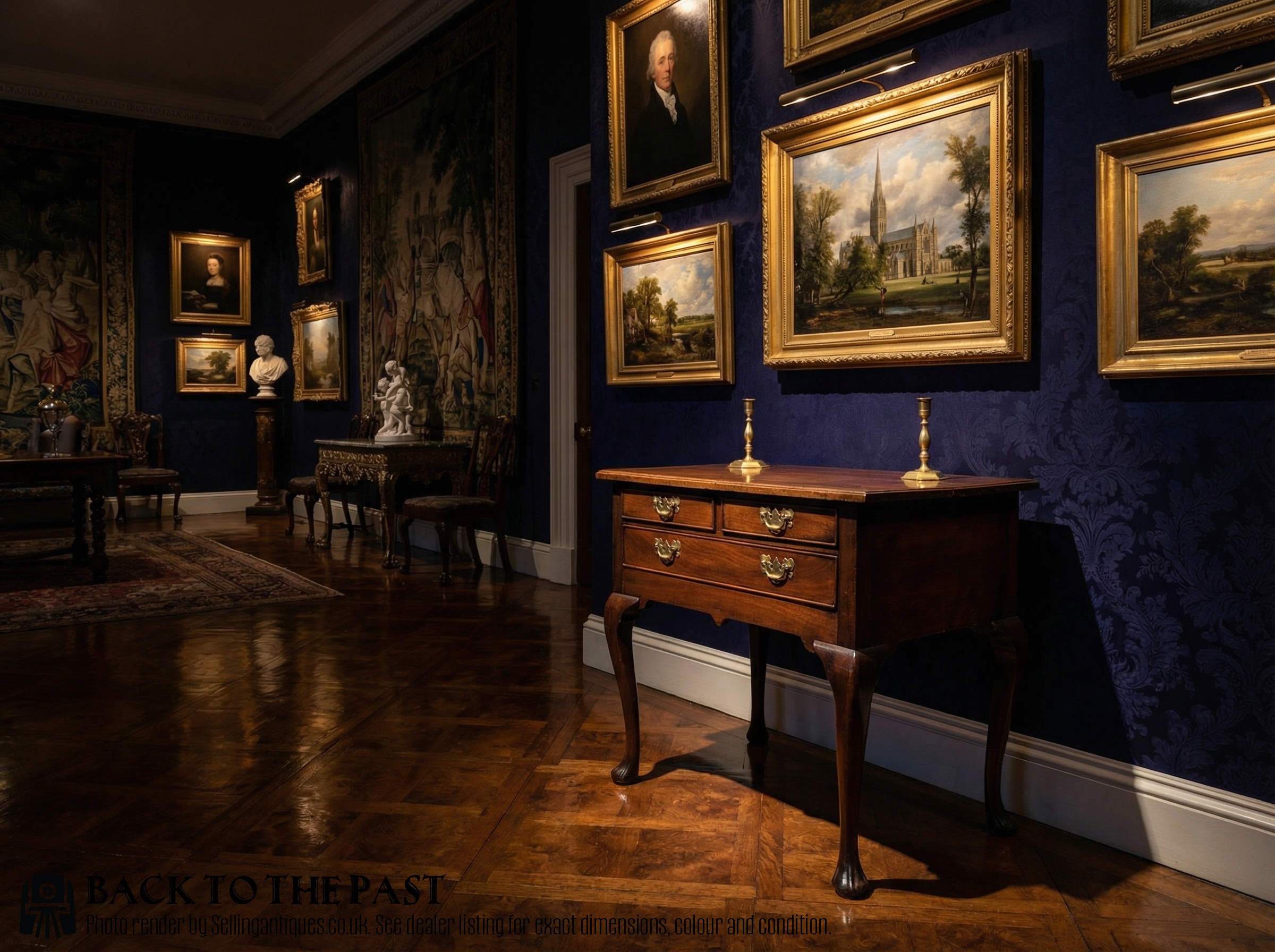
Materials and construction
Makers constructed these lowboys predominantly from solid mahogany and mahogany veneers, often supplemented with secondary timbers such as oak and pine in drawer linings and carcases. Cabinetmakers shaped the timber to form rectangular tops, overhanging mouldings and fitted drawer compartments.
Surface decoration frequently includes boxwood inlay and satinwood banding, which contrast with the dark mahogany ground. Brass drop handles, key escutcheons and drawer pulls provide functional metalwork accents across the various styles.
Brown Mahogany Lowboy Retail Price Guide 2026
Typical asking prices for brown mahogany lowboy among the pieces listed under this phrase on Sellingantiques today, from the lower quarter to the upper quarter. They describe what is for sale here now, not the wider market.
Materials recorded across the inventory include mahogany, oak, pine, satinwood, boxwood inlay, brass and leather.
Assessing quality in a brown mahogany lowboy
Quality in these tables rests upon the selection of timber and the crispness of the cabinetwork. Superior pieces exhibit well-figured mahogany grain, precise joinery in the drawer frames and clean execution of decorative inlay.
The sophistication of the leg design - whether cabriole, straight or tapered - and the retention of original brass hardware and secondary woods distinguish finer examples from simpler provincial workshops.
Whytock and Reid
The Brown Mahogany Lowboy Glossary
- Lowboy
- A small table with one or more rows of drawers, standing on relatively short legs. This form served various domestic functions including dressing, writing and side service.
- Cabriole leg
- A furniture leg that curves out at the knee and tapers inward to an ankle, terminating in a foot. This characteristic eighteenth-century shape appears on numerous Georgian examples.
- Satinwood
- A durable, yellowish timber prized for its smooth grain and used extensively for contrasting inlay and banding on mahogany furniture. It adds bright visual detail to drawer fronts and tabletops.
- Escutcheon
- A protective metal plate surrounding a keyhole. On these tables, brass escutcheons secure the wood around the lock and contribute to the decorative hardware scheme.
- Secondary wood
- Timber used in concealed parts of a piece, such as drawer interiors and backboards. Cabinetmakers frequently employed oak, pine or deal for these structural elements.
Brown Mahogany Lowboy: Frequently Asked Questions
What is a brown mahogany lowboy used for?
These tables served primarily as compact desks, dressing tables or side tables in bedrooms and reception rooms. Their modest height made them suitable for seated writing or grooming tasks.
Today, buyers utilise them as hallway consoles, accent tables or small desks in smaller living spaces where larger furniture would overwhelm the room.
How do I tell an 18th century lowboy from a later revival piece?
Eighteenth-century examples typically display hand-cut dovetailing in the drawer construction and use native secondary timbers like oak. The timber shows natural oxidation and wear consistent with age.
Later Victorian and Edwardian revival pieces often utilise machine-cut joints, different secondary woods such as pine, and may feature crisper, more uniform inlay work characteristic of twentieth-century production.
What woods are used besides mahogany?
While mahogany forms the primary show wood, makers incorporated various other timbers for specific structural and decorative purposes. Oak and pine appear frequently in drawer linings, carcases and internal framing.
For surface ornamentation, cabinetmakers integrated boxwood and satinwood inlay to create contrasting borders and geometric patterns against the dark mahogany background.
Are all lowboys fitted with drawers?
The vast majority of lowboys feature at least one row of drawers beneath the tabletop, typically numbering between one and three. These compartments provided secure storage for documents, grooming items or small valuables.
Some related side table forms share similar proportions and leg styles without incorporating drawer storage beneath the surface.